Best Body Towels for 2026: Types Compared and How to Choose
Disclosure: We may earn a commission when you buy through links on this page, at no extra cost to you. As an Amazon Associate I earn from qualifying purchases. Learn more
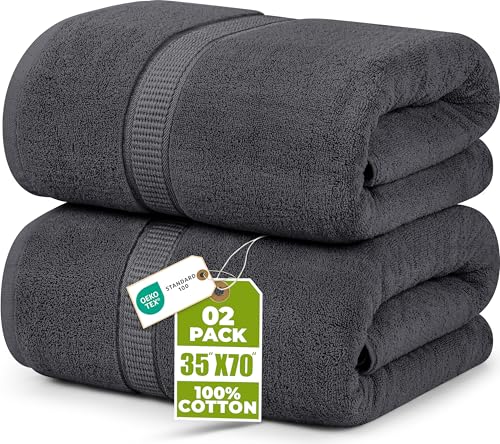
Compare the best body towels by type, from space saving microfiber to plush long staple cotton, with pros, cons, prices, and tips for choosing.
Walk into any store and you will find body towels in cotton, microfiber, bamboo blends, and weights that range from thin travel cloths to heavy plush wraps. The best body towels for your home depend on which of those types fits your bathroom, your laundry routine, and how a towel should feel against your skin.
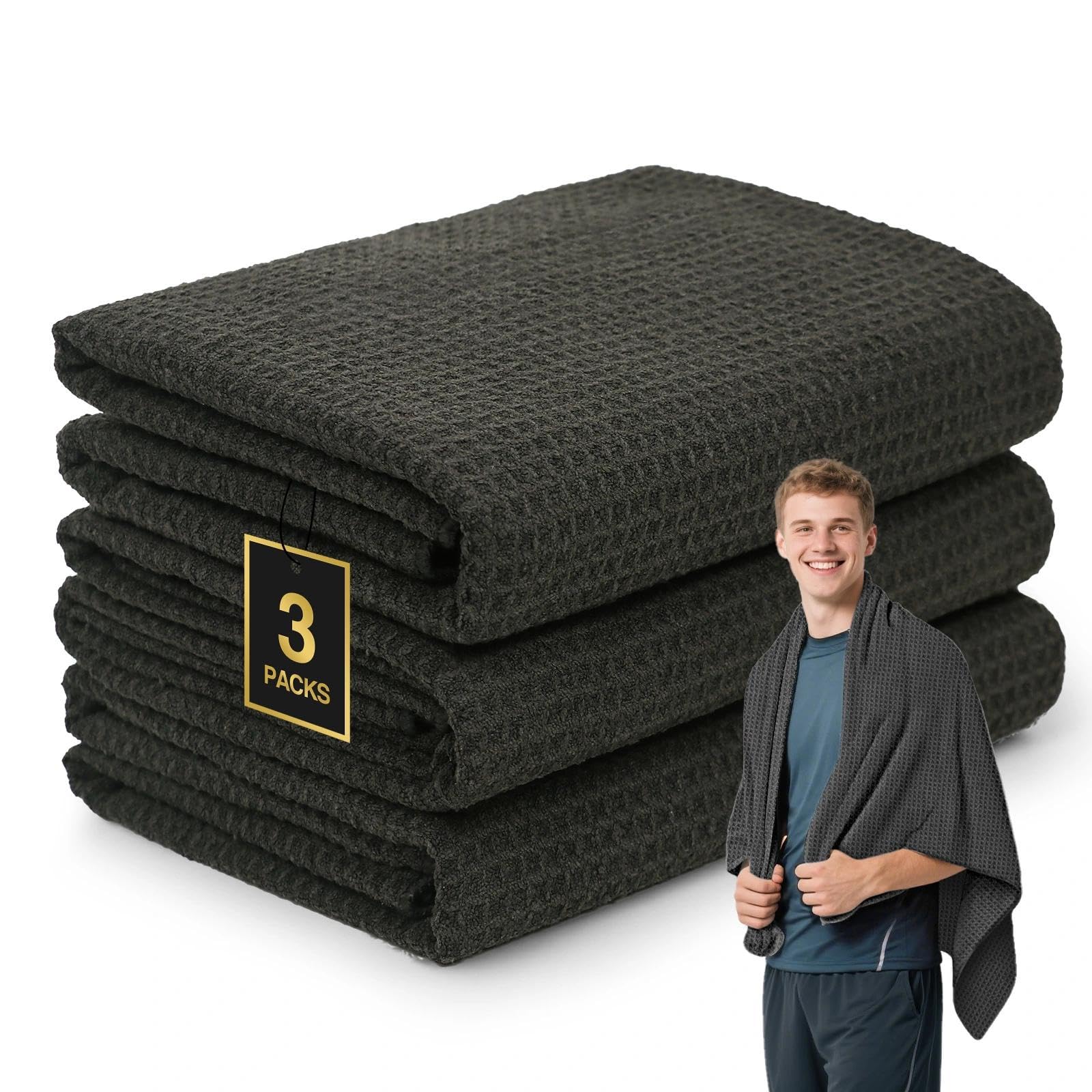
This guide compares the main types side by side, with honest pros, cons, and typical prices for each one. The product table shows the picks in general, the comparison table below sums up the differences, and the sections after it explain how to match a type to your space.




Types of Body Towels Compared
Most body towels fall into four types. The table gives the short version, and the sections below it explain who each type suits and where it falls short.
| Type | Best For | Pros | Cons | Typical Price |
|---|---|---|---|---|
| Standard cotton terry | Everyday family bathrooms | Soft, absorbent, easy to replace | Bulky in small closets, slower to dry | about $8 to $15 |
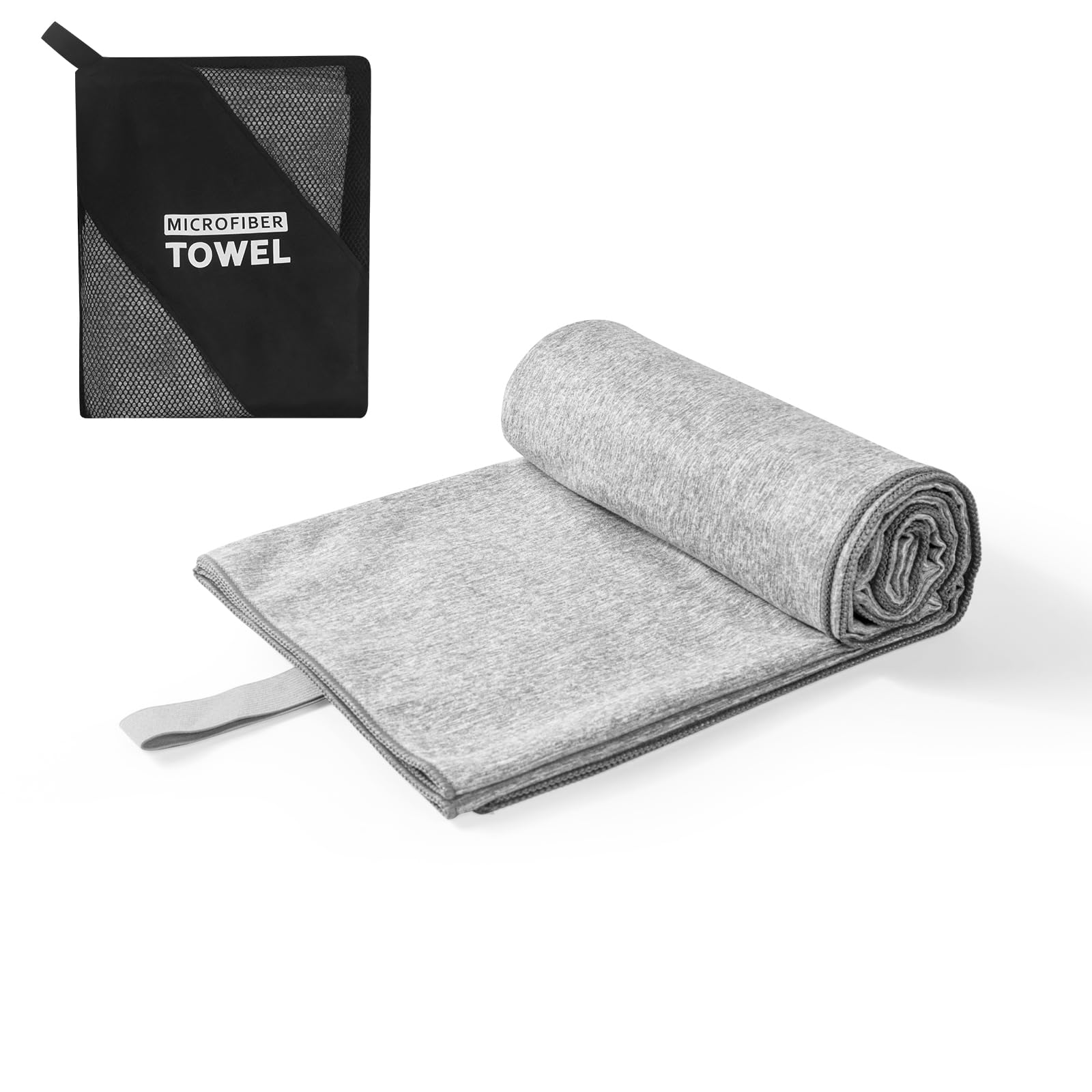
| Microfiber | Small spaces, gym bags, travel | Thin, light, dries fast, packs small | Less plush feel, can cling to dry skin | about $6 to $12 |
| Long staple cotton | A plush, spa style wrap | Thick, soft, loops last for years | Costs more, heavy when wet, slow to dry | about $20 to $40 |
| Organic cotton and bamboo blends | Shoppers avoiding standard fibers | Undyed options, soft hand feel | Smaller color range, care labels vary | about $12 to $25 |
Space Saving Options
Space saving towels are thin by design. Microfiber and flat weave cotton fold to a fraction of the size of a terry towel, so a week of towels fits in one small drawer, and they dry on a short rack within hours instead of overnight. That makes them a smart pick for small bathrooms, dorms, gym bags, and anyone who airs laundry indoors. The trade off is feel: a thin towel moves water well but gives less of the soft wrap most people expect after a shower.
If your storage space is tight, start with our guide to the best microfiber towels for body and compare the weave options there.
Premium and Luxury Options
Premium towels use long staple cotton, often sold as Turkish or Egyptian cotton, spun into tall loops that feel dense and stay soft through many washes. They absorb water in one pass and hold their shape better than budget terry, which is why hotels and spas favor them. The costs are real, though: you pay about two to three times more per towel, loads take longer to dry, and a heavy wet towel can strain a weak towel bar. Shoppers comparing this tier should also read about the best quality towels to see which construction details separate a lasting towel from a merely thick one.
Eco Friendly Options
Eco friendly towels come in two main forms: certified organic cotton grown without synthetic pesticides, and blends that mix cotton with bamboo derived rayon for softness. Both skip some of the chemical finishing used on standard towels, and undyed lines avoid color treatments entirely. Absorbency is close to standard terry, though bamboo blends can feel slick when new and need a few washes to reach full performance. Check the fiber percentages on the label, because a towel marketed as bamboo may contain only a small share of it.
Space Saving vs Premium Towels: Which Should You Choose?
These two types sit at opposite ends of the market, so compare them on the points that affect daily use. On absorbency per pass, premium cotton wins, since tall loops hold more water than a thin microfiber sheet. On drying time, space saving towels win easily, often by half a day in a humid bathroom. On storage, there is no contest: four microfiber towels take the room of one plush towel.
On care, microfiber asks for cooler washes and no high heat, while premium cotton tolerates hot washes but needs room to dry fully. Choose space saving towels if your bathroom is small, your laundry turns over fast, or you travel often. Choose premium towels if the post shower wrap is the part you care about most and your bathroom has the rail space and airflow to dry them.
How to Choose the Right Body Towel
Size and Fit
A standard bath towel measures about 27 by 52 inches, which wraps most adults but can feel short on taller frames. A bath sheet, at about 35 by 60 inches or larger, gives that extra wrap and works better as the only towel after a shower. Measure your towel bar before buying oversized towels, because a folded bath sheet needs more rail length and hangs lower. For children and guest bathrooms, standard sizes are easier to fold, store, and replace in matching sets.
Durability and Care
Durability shows in the edges and the loops. Look for double stitched hems rather than single folded edges, since hems are where towels fray first. Loops should stand dense and even; sparse loops snag on jewelry and pull into runs.
A well made cotton towel handles hundreds of washes before the loops thin out, while cheap terry can feel rough after a few months. Colorfast dyes matter if you wash towels with benzoyl peroxide products nearby, because those can bleach standard dyes in spots.
Material and Construction
Material decides how a towel absorbs, feels, and ages. Cotton terry remains the default because its loops trap water well, and weight is quoted as GSM, meaning grams per square meter of fabric. Microfiber uses split synthetic fibers that pull water into fine channels, which is why it dries skin fast while staying thin.
If drying speed is your top concern, our guide to the best towels for drying body compares absorbency across materials in more depth. Blends sit between the two, trading a little softness for faster drying and lower cost.
Certifications
The label worth knowing for towels is OEKO TEX Standard 100, which checks finished fabric for substances that can irritate skin, including some dyes and finishing chemicals. It does not rate absorbency or durability, so treat it as a safety check rather than a quality grade. You may also see WaterSense mentioned in bathroom shopping, but that label rates plumbing fixtures such as shower heads and faucets, not towels, so ignore it when comparing towel listings. GOTS certification is the stricter option for organic cotton, covering the fiber from farm to finished cloth.
Setup and Care Tips
- Wash new towels before first use, because factory coatings and loose lint block absorbency until they are rinsed away.
- Skip fabric softener on towels, since it coats the fibers and steadily reduces how much water they can hold.
- Hang each towel spread out on a wide bar after use so air reaches both sides and it dries fully between showers.
- Wash towels separately from clothing with zippers and hooks, which catch loops and start pulls.
- Use warm water for regular loads and an occasional hot wash for white cotton towels that have picked up odors.
FAQs
How often should body towels be replaced?
Most body towels should be replaced about every two to three years of regular use. The signs are practical rather than calendrical: loops that lie flat and no longer feel springy, a musty smell that returns within a day of washing, and skin that still feels damp after a normal pat dry. Guest towels used a few times a year last far longer, while a daily gym towel may wear out in a year.
Are luxury body towels worth the extra cost?
Luxury body towels are worth it if you use the same towels daily and value a thick, soft wrap, because their longer loops usually stay plush for years. Spread over that life, a towel at about $30 that lasts three years costs less per month than a towel at about $10 replaced every year. They are harder to justify for guest rooms or rental properties, where standard terry gives most of the performance for far less money.
How can I keep body towels fresh for longer?
Rotating two sets of body towels keeps each one fresher, because a full rest day between uses lets the fabric dry to the core. Store towels only when they are completely dry, since folding in leftover moisture is the main cause of the sour smell that survives washing. If odors have already built up, run one hot wash with a cup of plain white vinegar in the rinse to strip softener residue and trapped soap.
What GSM is best for body towels?
For most households, a GSM of about 400 to 600 is the best balance for body towels, giving solid absorbency while still drying overnight on a bar. Towels from about 700 to 900 GSM feel plush and luxurious but stay damp longer, which suits heated bathrooms better than humid ones. Towels under about 400 GSM dry fastest and pack smallest, which is why travel and gym towels sit in that range despite the thinner feel.
Our Verdict
Start with the type that fits your bathroom: thin space saving towels for small or humid rooms, long staple cotton when the plush wrap matters most, and standard terry for dependable everyday value. Then check size against your towel bar and pick a GSM your drying space can handle. The best body towels are simply the ones whose type, size, and weight match your routine, so look back at the product table above and compare the types against the way you actually live.