Best Bagless Vacuum Cleaner: A Complete Buying Guide
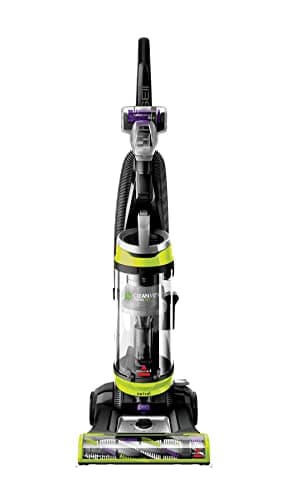
Choosing the best bagless vacuum cleaner comes down to one simple appeal: you never have to buy another bag again. Instead of feeding a disposable pouch every few weeks, a bagless model relies on a see-through dust cup and a spinning cyclone of air that flings dirt out of the airflow before it reaches the filter. That design saves money over years of ownership, lets you see exactly how full the bin is, and skips the awkward "do I have replacement bags on hand" moment mid-clean. It does ask a little more of you at emptying time, since dust has to go somewhere once you pop the lid. This guide walks through what actually separates a good bagless vacuum from a mediocre one, how to empty it cleanly, and how to keep its filters working the way they should.

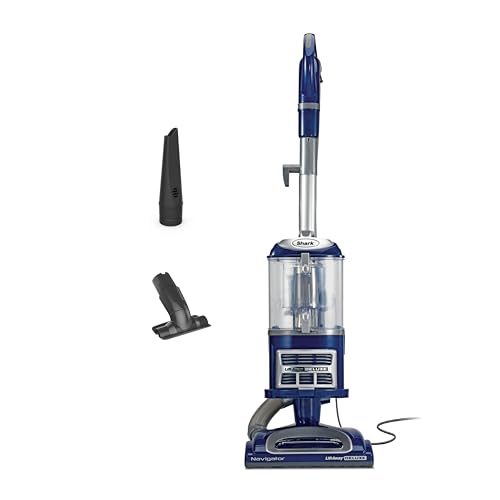

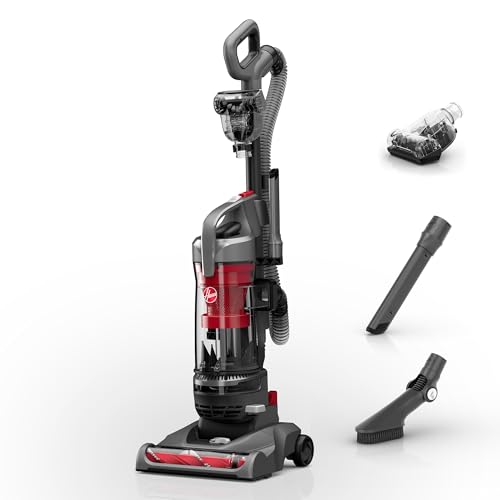
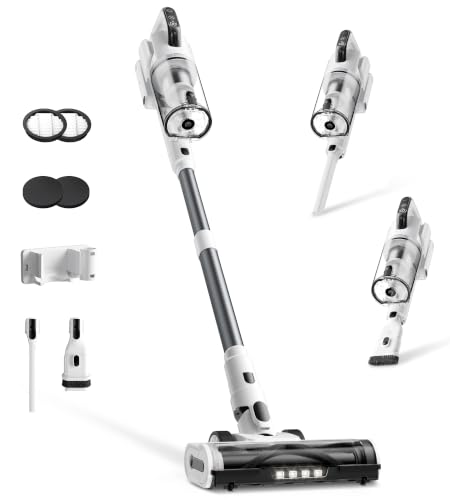

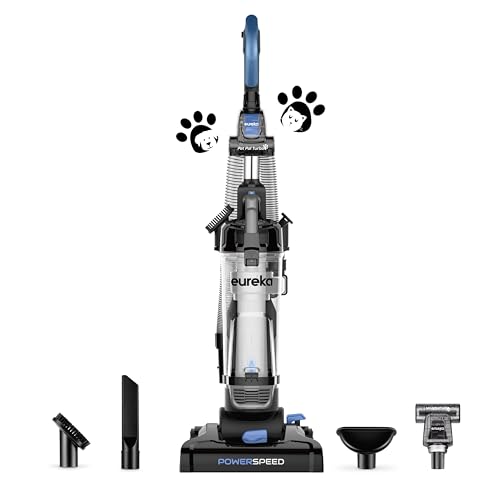




Why Skip the Bags: The Real Cost Savings of Bagless Vacuums
The single biggest argument for going bagless is math, not marketing. A bagged vacuum needs a steady supply of replacement bags, and those costs add up over the years you own the machine. A bagless model swaps that recurring expense for a one-time investment in the vacuum itself, plus the occasional replacement filter. If you're weighing the tradeoff directly, it helps to look at a bagged vacuum cleaner side by side and compare what you'd spend on bags versus filters over a few years.
There's also a convenience angle. You never run out of bags mid-project, and you're not stuck driving to a store or waiting on a shipment because you forgot to restock. The dust cup is reusable indefinitely, so your only ongoing cost is water and a few minutes to rinse the filter.
That said, bagless ownership isn't entirely free. Replacement filters still wear out and need swapping every year or two, and a cracked dust cup latch or seal can be pricier to replace than a box of bags. Weigh the sticker price of the vacuum against how many years you expect to keep it, and the without-bags math usually wins for anyone vacuuming a full home on a regular schedule.
Cyclonic Suction and Dust Cup Capacity: What Actually Matters
Most bagless vacuums rely on cyclonic separation, spinning incoming air fast enough that centrifugal force throws dirt and debris toward the walls of the cup while cleaner air continues toward the motor. Multi-stage cyclones split that job across two or three spinning chambers instead of one, which generally holds suction steadier as the bin fills. Single-stage models are simpler and often cheaper, but suction tends to taper off sooner as dust builds up.
Dust cup capacity matters more than shoppers usually expect. A small cup on a vacuum used for a large, pet-heavy home means emptying every session, which gets old fast. Look for a cup sized to your space: roughly half a liter is fine for a studio apartment, while a full house with pets is more comfortable with a liter or more.
Pay attention to how suction is rated, too. A high number on the box doesn't always match what you feel at the floor, since airflow, brush design, and how well the cyclone keeps the filter clean all factor in together. Reading independent suction and airflow tests is more reliable than trusting the headline number alone.
Upright, Canister, or Stick: Matching the Build to Your Home
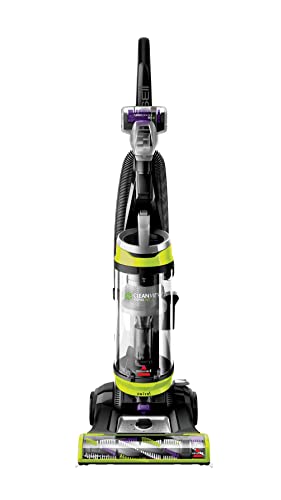
Bagless technology shows up across every vacuum style, and the right shape depends more on your home than on the technology itself. Upright bagless models tend to have the largest dust cups and strongest motors, which suits larger homes with mixed flooring and pets. They're heavier and bulkier to store, though, so a small apartment with limited closet space may find them awkward.
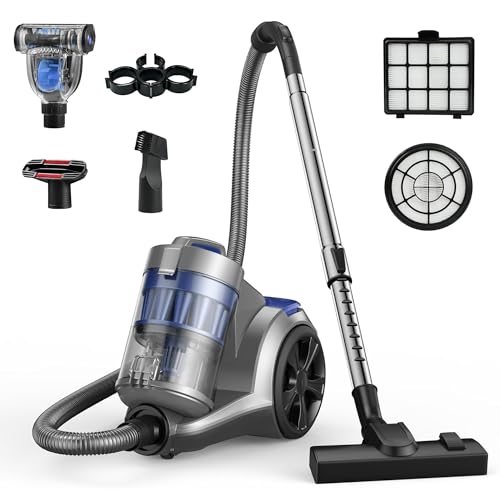
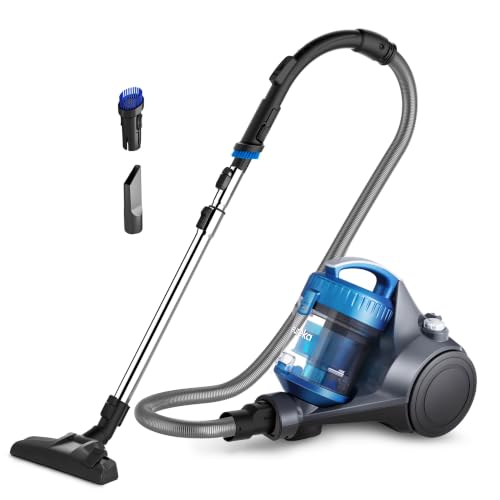
Canister vacuums separate the motor unit from the cleaning head on a hose, which makes them easier to maneuver around furniture and up stairs. They're a solid pick if you have a lot of tight corners or furniture legs to work around, though the extra hose and body take up more storage room than an upright.
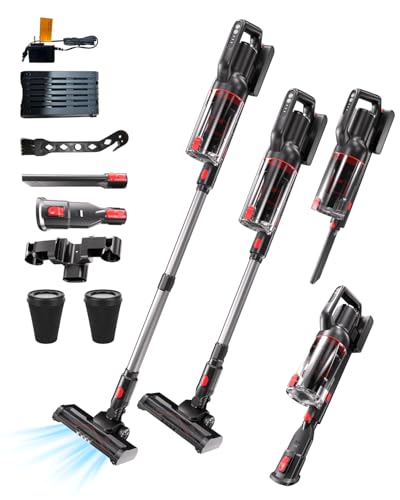
Cordless stick vacuums have become the most popular bagless format for smaller spaces, trading some runtime and dust cup size for a lightweight body you can grab for quick cleanups. If most of your vacuuming happens in a one or two bedroom home, a cordless stick model often covers daily needs better than a full-size upright. In the end, the best bagless vacuum cleaner for a small apartment isn't necessarily the same one that suits a three-story house with pets, so match the format to your square footage and flooring mix before comparing specs.
Emptying the Dust Cup Without Kicking Up a Cloud
The most common complaint about bagless vacuums is the puff of dust that can escape when you open the cup, and that's a fair concern if you've never done it carefully. A few habits make the difference between a clean release and a small dust storm in your kitchen.
Empty the cup outside or directly over a trash bag whenever possible, rather than over an open bin indoors. Hold the cup low and open it slowly instead of shaking it upside down at chest height, since a slow release gives fine dust less chance to become airborne. Waiting until the bin is closer to the max-fill line, rather than emptying after every quick pass, also cuts down on how often you're handling loose dust at all.
If you or someone in your household deals with allergies or asthma, empty the cup while wearing a mask and do it over an exterior trash can rather than a kitchen bin. Tapping the cup gently a few times before fully opening it helps settle compacted dust so it drops rather than puffs when the lid comes off.
Washable Filters: The Maintenance Habit That Keeps Suction Strong
Bagless vacuums typically use one or two washable filters, often a foam or sponge pre-filter near the cyclone and a HEPA-style filter closer to the motor. Both trap the fine dust that escapes cyclonic separation, and both lose effectiveness when they're clogged, which drags down suction even if the dust cup itself is nearly empty.
How Often to Wash
A monthly rinse is a reasonable default for average use, though homes with pets or heavy foot traffic may need it every two weeks. Rinse with cold water only, work the mesh gently with your fingers to loosen trapped dust, and never use soap or a washing machine unless the manufacturer specifically says it's safe.
Drying and Replacing
Let filters air dry fully, which usually takes twenty four hours or more, before putting them back in the vacuum. Running the vacuum with a damp filter can damage the motor or cause mold to grow inside the housing. Even with regular washing, foam and HEPA filters lose their shape and filtering ability over time, so plan to replace them roughly once a year or sooner if suction feels weak after a wash.
Frequently Asked Questions
Are bagless vacuums worse for allergies than bagged models?
Not necessarily. A bagless vacuum with a sealed HEPA filter traps allergens just as well as a bagged one; the difference shows up at emptying time, when loose dust has a brief chance to become airborne if you're not careful.
How often should I empty the dust cup?
Empty it whenever it reaches the max-fill line, or after any session involving a lot of debris like leaves or cereal spills. Letting it overfill reduces suction and can push fine dust further into the filter.
Do bagless vacuums lose suction faster than bagged ones?
They can, if filters or the dust cup aren't kept clean, since airflow depends on both staying clear. A well-maintained bagless vacuum with multi-stage cyclones actually holds suction more consistently than many single-bag designs as the bin fills.
Can I use soap to wash the filters?
Stick to cold water unless your manual says otherwise. Soap and detergent residue can clog the filter mesh and, in some cases, damage the material, so plain water and air drying is the safer routine.
Is a bigger dust cup always better?
Not automatically. A larger cup means less frequent emptying, but it also adds bulk and weight to the vacuum, so balance capacity against how easy the machine is to carry and store.
How long do bagless vacuum filters last?
Most washable filters last one to two years with regular rinsing before they need full replacement. Watch for suction that stays weak even right after washing; that's usually the sign a filter is past its useful life.
Are bagless vacuums noisier than bagged models?
Noise depends more on motor design than on bag versus bagless construction. Some bagless models are louder because the airflow moves through open cyclone chambers, but many newer designs use insulation and muffling to keep noise comparable to bagged vacuums.
Making the Bagless Switch Work for Your Home
A bagless vacuum rewards a little routine: emptying before the cup overfills, rinsing filters on a schedule, and choosing a build sized to your floor plan. Get those habits right and the best bagless vacuum cleaner for your household will keep performing years after a bagged model would need its next box of replacements. The upfront research pays off in fewer trips to buy anything and a machine that's simple to keep running well.