Best Bagged Vacuum Cleaners: A Complete Buying Guide
Choosing among the best bagged vacuum cleaners usually comes down to a simple question: how much do you value trapped-in filtration over convenience? Bagged models keep dust and allergens sealed away in a disposable liner, so you rarely touch what the machine picks up. That makes them a strong pick for homes with pets, carpet, or anyone who deals with seasonal allergies. This guide walks through what actually separates one bagged vacuum from another, how upright and canister styles differ in daily use, and where the ongoing costs come from once you own one. You will also see how bagged models stack up against bagless alternatives, so you can decide which trade-off makes sense for your household.






Why the Filtration System Matters Most
The single biggest advantage of a bagged design is that the bag itself works as a filtration layer, not just a dust container. Debris gets trapped inside a sealed paper or synthetic liner, and air has to pass through that material before it exits the machine. Many models pair this with a secondary HEPA filter, which catches the finer particles the bag alone might miss.
Suction tends to stay strong and consistent for most of a bag's life, then taper off gradually as it fills and airflow gets restricted. That gradual drop is actually useful information: it tells you when to swap the bag rather than leaving you guessing. Bag capacity matters too. A larger-capacity bag means fewer changes during a big cleaning session, which is worth checking if you have a large home or multiple pets shedding heavily. Smaller bags fill faster but often cost less individually, so weigh capacity against how often you are willing to restock.
Upright or Canister: Matching the Design to Your Home
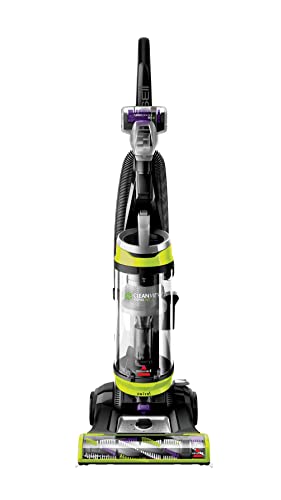
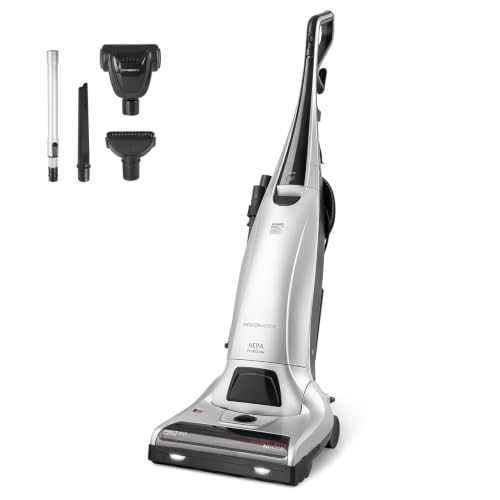
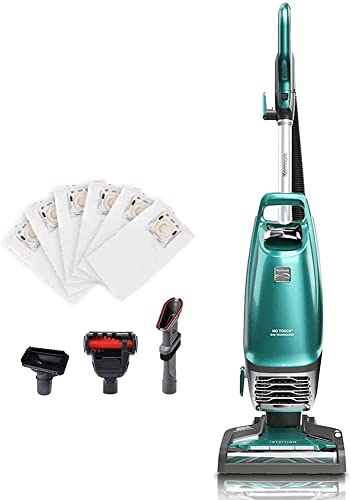
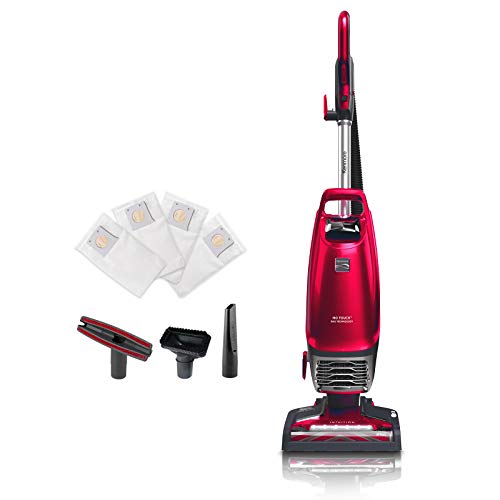
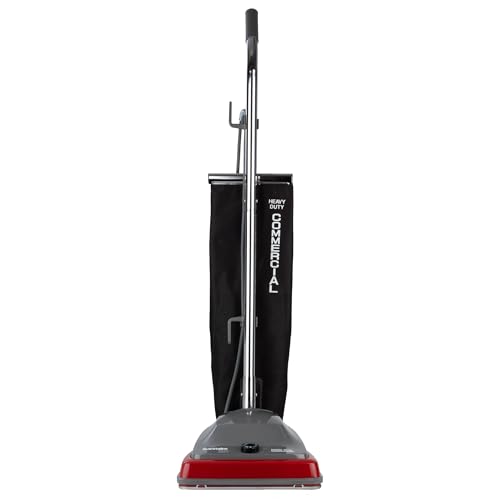
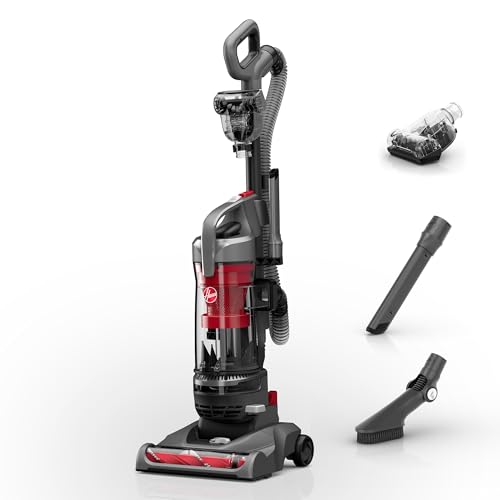
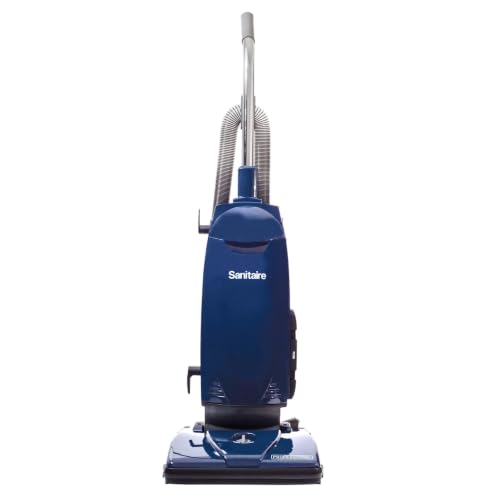
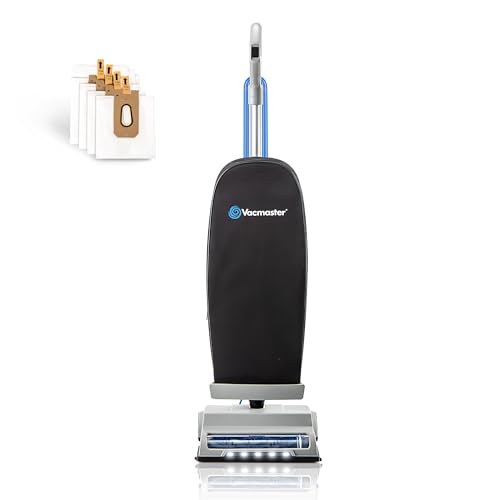
Bagged vacuums generally come in two body styles, and the right one depends on your floors more than your budget. Upright models use a wide cleaning head and tend to have stronger agitation for carpet, which makes them a natural fit for homes with wall-to-wall carpeting or thick rugs. They are also simple to store upright against a wall, hence the name.
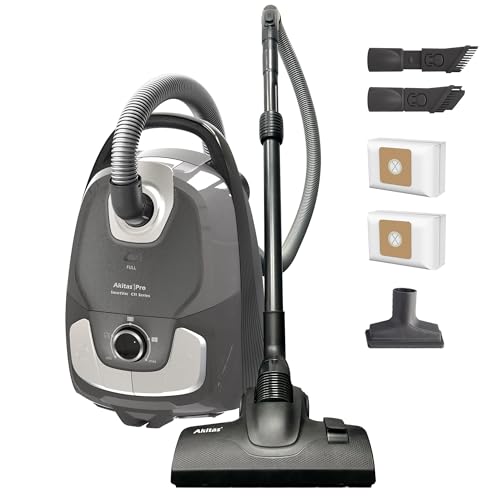
Canister vacuums separate the motor unit from the cleaning head, connected by a hose. That design makes them easier to maneuver around furniture legs, under low clearances, and on stairs, where dragging an upright can be awkward. If your home mixes hardwood, tile, and area rugs, a canister with swappable floor tools often handles the transitions more smoothly than an upright built primarily for carpet.
Among the best bagged vacuum cleaners on the market, uprights still outsell canisters for pure carpet cleaning, but canister owners tend to report less arm fatigue on cleaning day. Think about which rooms you vacuum most before deciding.
The Real Payoff for Allergy and Asthma Households
For anyone managing allergies or asthma, the moment of emptying a vacuum is where bagless models often lose the argument. Dumping a bagless canister can send a visible puff of fine dust back into the room, right where you are standing. A bagged vacuum sidesteps that entirely: you seal the bag, pull it out, and drop it straight into the trash without breaking the seal.
That containment matters more than raw suction power for sensitive households. Dust mite debris, pet dander, and pollen collected during cleaning stay locked inside the bag instead of recirculating through the air days later. Pair a bagged vacuum with a sealed body and a true HEPA exhaust filter, and you get a machine that removes allergens from the home rather than just relocating them from the floor to the air.
Budgeting for Bags: What Ongoing Costs Look Like
Bags are the one recurring cost bagless owners do not have, so it is worth understanding what to expect before you buy. Most households go through a bag every few weeks with regular use, though heavy shedding pets or daily vacuuming will shorten that window. Buying bags in multi-packs, either from the manufacturer or a compatible third-party brand, usually brings the per-bag cost down noticeably compared to single units.
Check how widely available bags are for a given model line before committing. Some brands sell replacement bags at most hardware and department stores, while others are only easy to find online. Running out at an inconvenient time is a common complaint, so factor accessibility into your decision, not just the price tag on the vacuum itself. Over a few years, bag costs add up, but many owners find the reduced mess and filter maintenance worth the trade.
Bagged or Bagless: Weighing the Trade-Off
The core trade-off is straightforward. Bagless vacuums eliminate the recurring cost of bags and let you see exactly how much you picked up, which some people find satisfying. In exchange, you take on more hands-on maintenance: emptying a dust cup regularly, rinsing or replacing filters, and accepting some dust exposure every time you do it.
Bagless models have improved their sealing and filtration over the years, so the gap has narrowed for people without significant allergies. But for households prioritizing indoor air quality, a bagged design still offers the cleanest disposal process available. If convenience and long-term cost matter more to you than allergen control, bagless is worth a look. If you would rather never touch what the vacuum collected, bagged is the more comfortable choice day to day.
Frequently Asked Questions
Do bagged vacuums lose suction as the bag fills?
Yes, gradually. Airflow narrows as the bag fills with debris, so suction tapers off near the end of a bag's life. Most people notice the difference and know it is time for a replacement rather than losing power without warning.
How often do I need to replace the bag?
It depends on how much you vacuum and how many pets shed in your home. Light use in a small home might stretch a bag for a couple of months, while daily vacuuming with pets can mean replacing one every few weeks.
Are bagged vacuums better for pet hair?
Bagged vacuums handle pet hair well, especially models with motorized brush rolls, but the bag itself is more about containment than pickup power. Suction and brush design matter more for actual hair removal than bag versus bagless.
Can I reuse a vacuum bag once it's full?
No. Bags are designed to be sealed and thrown away once full, which is exactly what keeps trapped dust from getting back into the air. Reusing one defeats the containment benefit that makes bagged vacuums appealing.
Do bagged vacuums cost more to own over time?
You will spend more on consumables since bags need regular replacing, but you often save on filter maintenance and repairs. Total cost of ownership tends to land close to bagless models once you factor in filters and cleaning time.
Is a HEPA filter necessary on a bagged vacuum?
It is not required, but it helps. The bag already filters a large share of debris, and adding a sealed HEPA filter on the exhaust catches what slips through, which matters most for allergy and asthma households.
Do bagged vacuums work on hardwood floors?
Yes, particularly canister styles with a hard floor attachment or brush that will not scratch the surface. Uprights can work too, as long as you switch off the beater bar on bare floors to avoid scattering debris.
Finding the Right Fit for Your Household
Whatever style you land on, the best bagged vacuum cleaners are the ones that match how you actually clean, not just what looks impressive on a spec sheet. Think about your flooring mix, how sensitive anyone in the home is to dust, and how much bag maintenance you are willing to keep up with. Getting those three things right matters more than any single feature.