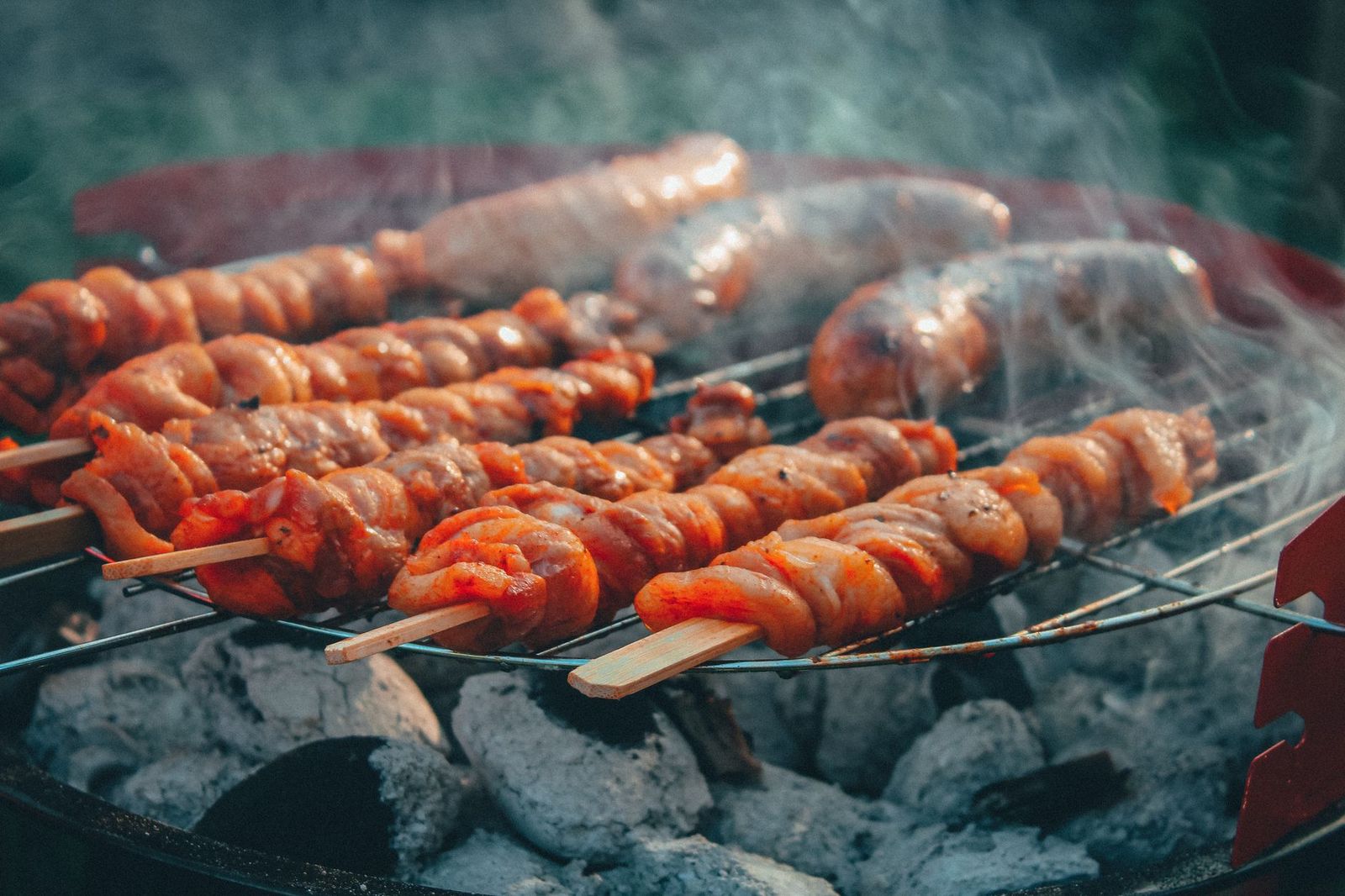
Best Argentinian Grills for 2026: How to Choose the Right Style
Disclosure: We may earn a commission when you buy through links on this page, at no extra cost to you. As an Amazon Associate I earn from qualifying purchases. Learn more

Best argentinian grills suit backyard cooks who want open fire control. Compare grate height, fuel, size, and build before you buy.
Argentinian grilling is built around open fire, adjustable height cooking surfaces, and slow, even heat, so the grill you choose shapes far more than weeknight dinners. The best argentinian grills for your home balance cooking area, fuel type, and build quality against the space you actually have. Use the product table to compare the main styles before you settle on one design.
This guide compares types and features in general terms. It explains the height adjustable grate at the heart of the style, how fuel changes flavor and effort, and which safety checks matter before you light your first fire.
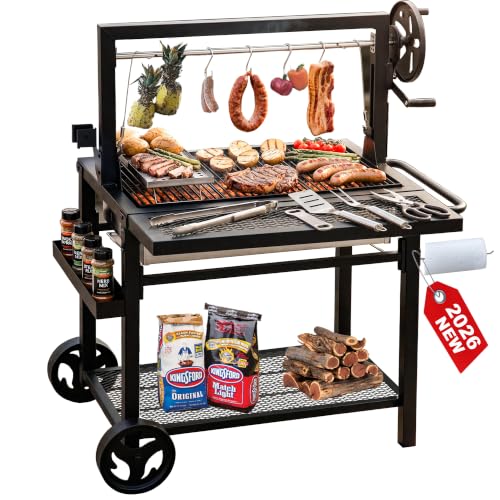
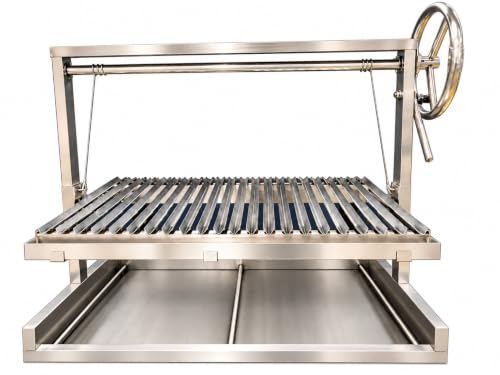
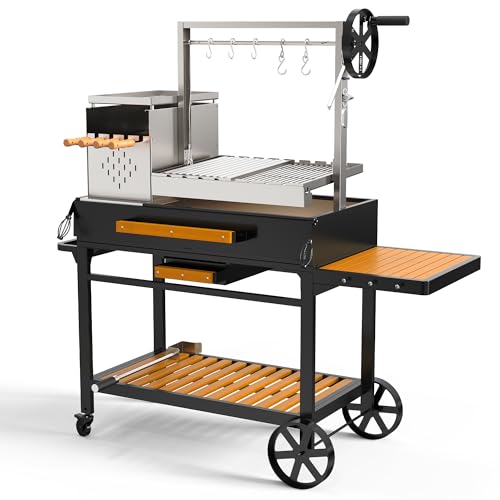


Spending Levels: What Your Money Gets You
Spending levels in this style mostly buy thicker steel, smoother height adjustment, and larger cooking surfaces, not a different way of cooking. A modest grill can still deliver the core experience, provided the grate adjusts smoothly and the frame stays steady under load. Higher spending buys durability and capacity that matter most for frequent hosts and large families.
Budget Level: A Sound Starting Point
Budget grills usually offer a smaller cooking surface, thinner steel, and a simpler crank or handle for raising and lowering the grate. They suit occasional cooks and smaller households, and they work well when you grill a few times a month rather than every weekend. Check weld quality and frame stability closely at this level, since a wobbly frame matters more than a fancy finish. Expect to replace thinner grates sooner, and plan on a cover to slow rust.
Midrange Level: The Flexible Middle Ground
Midrange grills typically add thicker grates, a sturdier frame, and a smoother height adjustment mechanism that holds position under a full load of meat. Cooking area grows enough for mixed grills with vegetables alongside larger cuts, and grease management improves with a proper tray or channel. This level suits weekly cooks who want reliable heat control without paying for the largest frame available. It is often the best value for families who host regularly but cook in a standard backyard.
Higher End Level: Built for Frequent Hosting
Higher end grills use heavy gauge steel, precise height control, and generous cooking surfaces that handle large gatherings with room to spare. Extra features may include a side brasero for starting coals, a warming area, and wheels that still roll smoothly under weight. The main benefit is longevity under frequent high heat, since thicker steel resists warping and holds heat more evenly. Choose this level only when you grill often enough to justify the size, weight, and cost.
How to Choose the Best Argentinian Grills: Buying Guide
The heart of this style is a grate that moves closer to or farther from the fire, giving you control that a fixed grate cannot match. Judge every feature by whether it helps you manage heat, load food safely, and clean up after cooking. The product table summarizes the options, while the factors below help you compare models within a type.
Fuel Type: Charcoal and Wood First
Lump charcoal and natural hardwood give the smoky flavor most closely linked with this style, but they need time to light, tend, and cool safely. Many grills pair the main grate with a brasero, a separate firebox or tray where you burn wood down to embers and shovel them under the grate. If you want a different fuel system, such as pellets, our guide to the best pellet grills and smokers covers it, but those designs do not copy open fire control. Always use charcoal and wood grills outdoors only, with clear space around them.
Portability and Footprint
Measure your patio or yard before choosing, and leave clear space around the grill for safe movement and heat. Large frames need level ground and room to operate the grate mechanism fully, while smaller portable and tabletop designs suit tailgating and compact patios. Wheels help only when they lock firmly and roll over your actual surface, from pavers to grass. If you must store the grill under cover, confirm the stored size as well as the cooking size.
Ash, Grease Management, and Cleanup
Good grease management keeps flare ups down and cleanup short. Look for a grease tray or channel that slides out without tools, plus an ash catcher or removable firebox that contains embers when you empty it. Grates with wide spacing need a brush designed for the material, and cast iron or iron grates need drying and light oiling to resist rust. A grill that is hard to clean will be used less often, no matter how well it cooks.
Cooking Area and Capacity
Cooking area is usually listed in square inches, so translate that number into food: a small surface handles a family meal, while a large one handles mixed grills for guests. A warming rack adds useful space for resting meat and keeping vegetables warm without direct heat. Height adjustment also affects capacity, since you can raise the grate to finish food gently while fresh items start closer to the coals. For timing help across grill sizes, see our guide to the best time to buy grills before planning a seasonal purchase.
Build Quality and Materials
Stainless steel resists rust and cleans easily, while iron and cast iron grates hold heat well and give strong sear marks. Thicker steel warps less under repeated high heat, and solid welds outlast bolted joints that loosen with expansion and contraction. Check the crank, cable, or wheel that moves the grate, since that mechanism takes the most strain during cooking. A grill that feels solid when you push the frame sideways will usually stay steady when fully loaded.
Heat Output and Temperature Range
Heat output for charcoal and wood designs depends on fuel load and airflow more than any burner rating, so compare grate distance control alongside firebox capacity. A good design lets you sear close to the coals, then lift the grate for slow cooking at lower heat. Even heat across the grate matters more than a peak number. Ask how evenly the surface heats, since hot spots force constant moving of food.
Temperature Control
Height adjustment is the primary temperature control in this style, and it works without electronics. You manage heat by raising or lowering the grate, shaping the coal bed, and feeding the fire. A V shaped grate also helps, since fat runs to the center and away from the coals. Use a meat thermometer and follow food safety guidance for the meat you cook, and keep children away from hot surfaces and open fire.
Types of Argentinian Grills
These types share the adjustable grate idea but differ in size, fire setup, and where they can be used safely. Choose the type that fits your cooking habits and your outdoor space, not the one with the longest feature list.
Santa Maria Style Grills
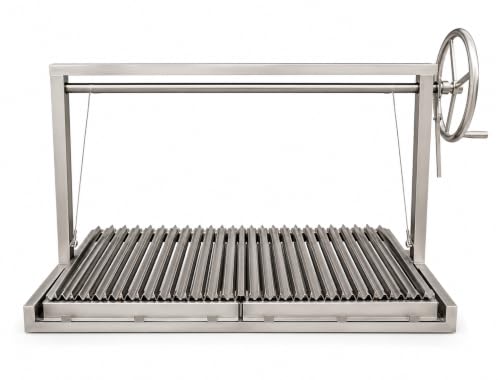
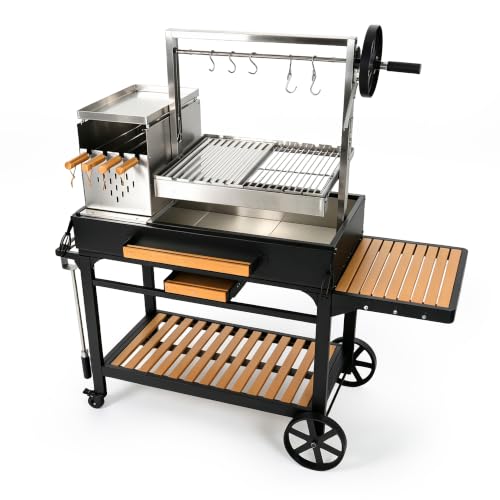
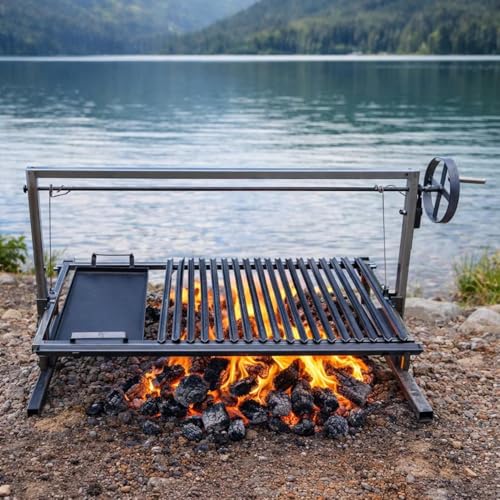
This is the most common form of the best argentinian grills sold today: an open frame with a crank or wheel that raises and lowers a V shaped or flat grate over a wood or charcoal fire. Many include a brasero and a griddle or plancha for vegetables and eggs. They suit hosts who want real fire control and a large cooking surface, and they are best treated as a fixed backyard feature.
Asado Cross (Estaca) Grills
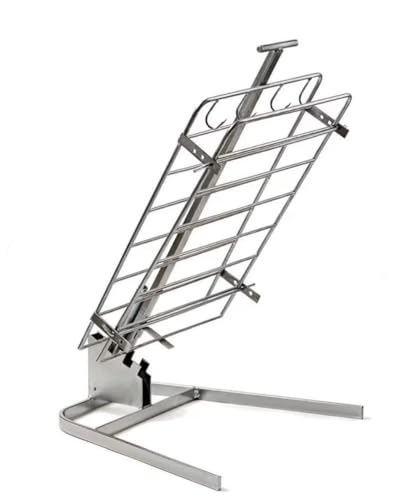
An asado cross, or estaca, is an iron frame planted upright near a wood fire, holding a whole lamb, pig, or large cuts of meat at an angle for hours of slow cooking. Many rotate on a pole so you can adjust the angle toward the heat. It is a specialty choice for large gatherings and requires a safe fire area, steady ground, and plenty of space.
Tabletop Braseros
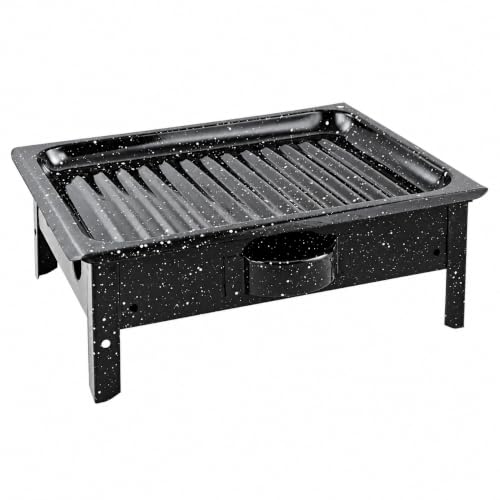
A tabletop brasero is a small charcoal tray with a removable grate, made for grilling a few cuts at the table. It is the lowest cost way into the style and fits small patios, though cooking area is limited and heat control is simpler. Use it only outdoors on a stable, heat safe surface.
Portable Grills
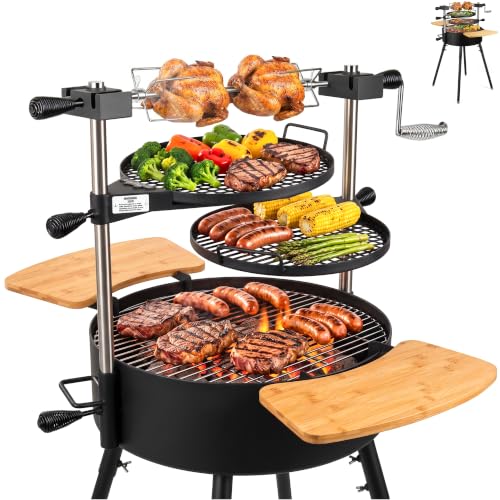
Portable designs shrink the adjustable grate idea into a modular frame you can carry to a park, campsite, or tailgate, within local fire rules. Cooking area and fuel capacity fall with size, so they suit small groups and shorter sessions rather than large gatherings. Check folded size, weight, and how firmly the legs lock, since a portable frame must stay stable on uneven ground. For a broader fuel comparison, our guide to the best coal grills covers charcoal handling that applies to many portable designs.
Care and Maintenance Tips
- Let the fire burn down to an even bed of coals before cooking, so the grate reaches a steady temperature and food releases more cleanly.
- Clean grates while warm with a brush suited to the grate material, then dry iron and cast iron fully to slow rust.
- Cover the grill after it cools completely, and check for rust at welds, joints, and the grate mechanism each season.
- Inspect the lifting cable, rope, or chain each season, and replace it if it frays.
- Empty ash only when fully cool, using a metal container with a lid, and keep it away from decks and dry leaves.
- Oil the height adjustment mechanism lightly when it stiffens, and clear grease from trays before it builds up.
Frequently Asked Questions
Is a pellet grill worth it for Argentinian style cooking?
A pellet grill is worth it when you value steady temperature and wood smoke with less tending, since it holds low heat for long sessions. It differs from a traditional open fire design, because the grate does not adjust over live coals in the same way. Choose it for convenience and consistent results, and choose a Santa Maria style charcoal or wood grill when open fire control and adjustable height matter most to you.
Can I use an Argentinian grill on a balcony?
Usually not. Wood and charcoal grills need open air, clearances, and safe fuel storage, and many buildings ban open flame on balconies outright. Check your lease, building rules, and local fire codes, and follow the manufacturer's instructions. A backyard, patio with clearance, or other permitted outdoor area is the better home for this style.
How often should I clean my Argentinian grill?
Brush the grates after every cook while they are still warm, and empty grease trays before residue hardens or attracts pests. Deep clean the frame, ash area, and height mechanism every few months of regular use, or at the start of each grilling season. Frequent light cleaning keeps heat even, reduces flare ups, and makes the deeper seasonal clean far quicker.
How long should a good Argentinian grill last?
A well built grill can last many years when it is covered, cleaned, and kept dry between uses, while thin steel and poor drainage shorten life quickly. The grate mechanism and frame joints usually show wear first, so inspect them each season for rust, looseness, or warping. Replacing grates or small parts can extend life, but a warped frame or failed height control signals time for a replacement.
What type of Argentinian grill gives the best flavor?
Charcoal and wood fired designs usually give the most traditional flavor, since open fire and smoke shape the taste of the meat. Hardwood and lump charcoal burn cleaner than briquettes with additives, and a brasero lets you add fresh embers as you cook. Flavor also depends on meat quality, resting time, and heat management, so fuel alone does not decide the result.
Wrapping Up
The best argentinian grills for you are the ones that fit your space, fuel preference, and hosting habits while keeping height control smooth and the frame steady. Prioritize build quality and grease management over extra features, follow maker safety guidance, and keep children away from hot parts during and after cooking. If you are still comparing fuel styles, our guide to the best bbq grills offers a broader overview, and the product table can help you revisit the Argentinian styles that suit your home best.