
Best Backpacks for Carrying Laptops 2026: Guide
Disclosure: We may earn a commission when you buy through links on this page, at no extra cost to you. As an Amazon Associate I earn from qualifying purchases. Learn more

Learn how laptop sleeve fit, padding, and weight balance affect backpacks for carrying laptops, plus storage and comfort checks for daily commuting.
Choosing best backpacks for carrying laptops starts with your laptop size and your daily load. A good pack protects the device, balances weight, and keeps chargers and papers organized. The table of picks below lines up the main pack styles so you can compare them quickly.
Laptop backpacks differ in sleeve design, back padding, and pocket layout. A suspended sleeve protects against drops better than a flat pocket, while a padded back panel improves comfort on long walks. Weather protection matters too if you commute in rain.


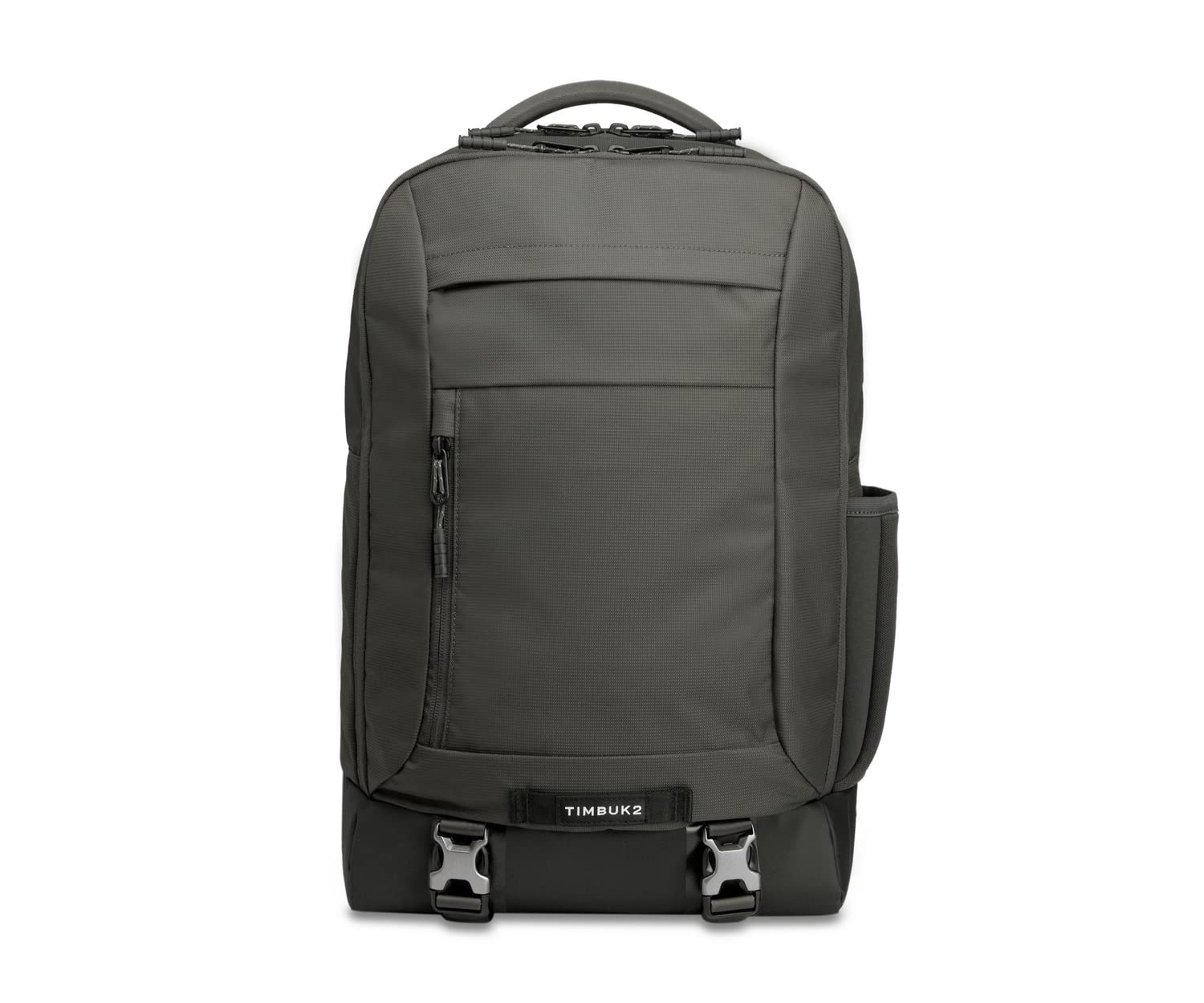
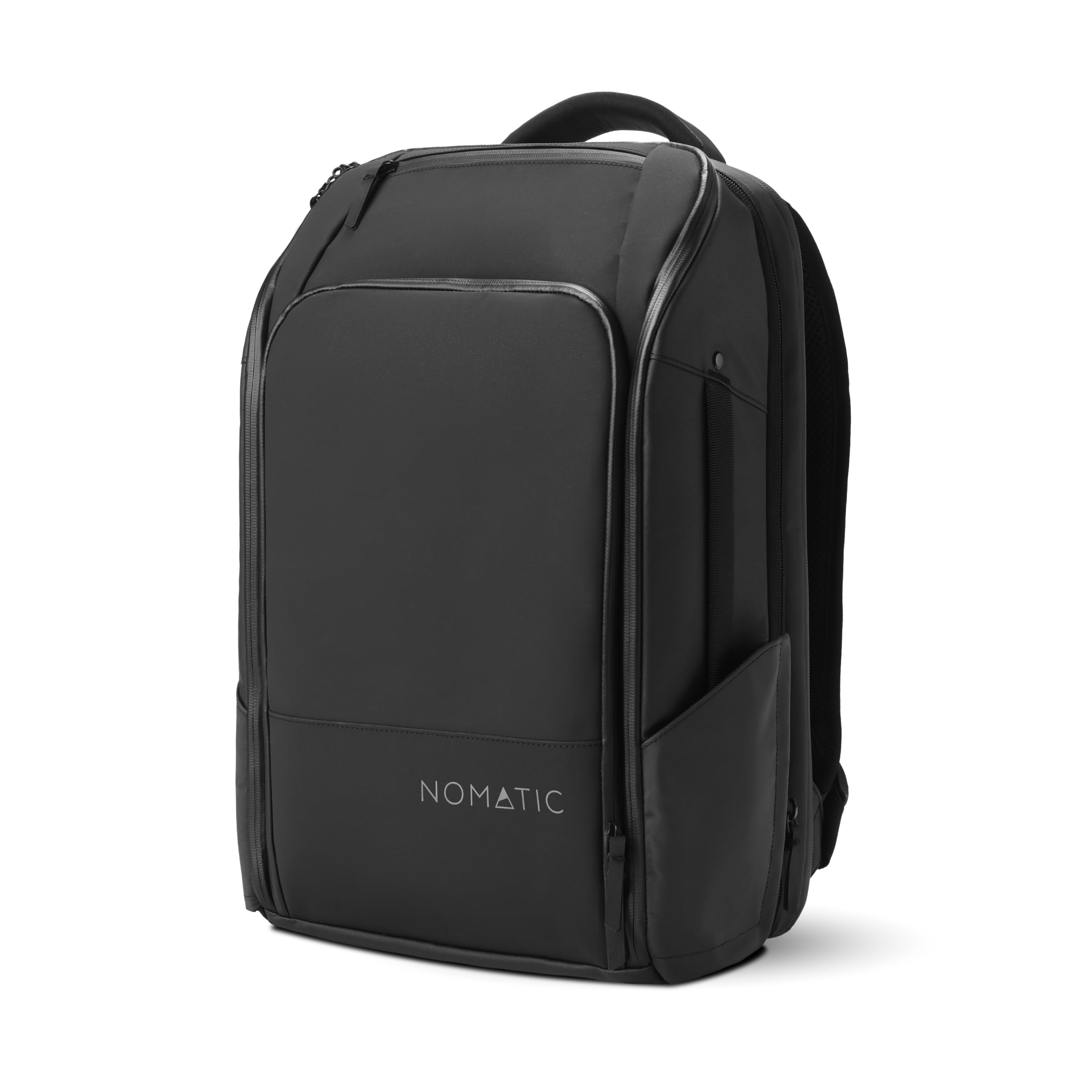


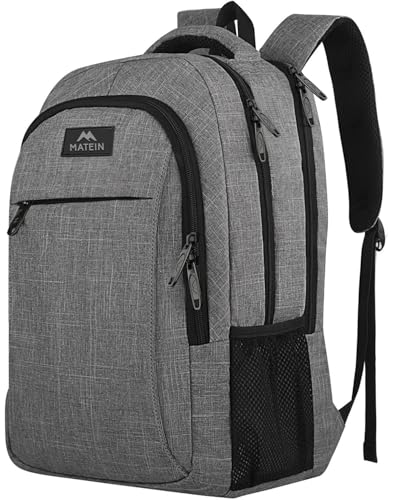


Measure your laptop before you shop, including any case you use. A sleeve that fits snugly protects better than a loose pocket where the device slides. Also weigh your full load, since a pack that feels fine empty may strain shoulders when loaded.
Laptop Backpack Basics
A laptop sleeve should hold the device snug without forcing the zipper closed. Suspended sleeves lift the laptop above the pack base, so a drop onto a hard surface hurts less. Side access lets you remove the laptop at security checks without unpacking everything, which frequent travelers value.
Weight balance matters as much as padding. A pack that pulls backward strains shoulders, while a close fitting pack with a chest strap stays stable. Load heavy items near your back and use compression straps to stop shifting during walks and climbs.
Features to Compare
Laptop Sleeve Fit and Protection
Check sleeve dimensions against your laptop plus case, and look for padding on all sides. A false bottom or raised base adds drop protection. If you carry a second device, a separate tablet sleeve keeps screens from rubbing. Zipper quality matters too, since a failed zipper can expose the laptop to rain.
Comfort and Weight Distribution
Padded shoulder straps, a shaped back panel, and a chest strap spread load evenly. Hip belts help on heavier loads but add bulk for office use. Try the pack loaded if possible, and walk, bend, and climb stairs to test stability. Comfort after ten minutes predicts comfort after an hour.
Organization and Pocket Layout
Good organization saves daily time. A main compartment for books or clothes, a front pocket for small items, and a quick access pocket for phone and keys cover most needs. Too many tiny pockets can slow you down, so favor layouts that match your actual carry list rather than maximum pocket count.
Weather Resistance and Materials
Water resistant fabric and covered zippers protect electronics in sudden rain. A rain cover adds full protection for heavy downpours but takes time to deploy. Check base material too, since packs rest on wet ground often. Durable fabric resists abrasion from daily commuting and travel.
Size, Capacity, and Travel Fit
Capacity is measured in liters, but shape matters as much as volume. A slim 20 liter pack may fit a laptop and daily items, while travelers may need 25 liters or more. Check airline carry rules if you fly often, and confirm the pack fits under seats or in overhead bins for your usual trips.
Mistakes Laptop Pack Buyers Make
Avoid these common errors for a pack that lasts through daily use.
- Buying a sleeve size from memory instead of measuring laptop plus case dimensions.
- Choosing style over back padding, then suffering shoulder strain on long commutes.
- Overloading side pockets, which throws balance off and strains zippers.
- Ignoring rain protection until the first storm soaks papers and electronics.
Checklist Before You Buy
Confirm sleeve fit with your laptop and case, then test the loaded pack for balance and comfort. Check pocket layout against your daily carry list and confirm weather protection suits your commute. A pack that passes those tests will serve daily use far better than one chosen on looks alone.
Making the Final Choice
Price and durability track closely for laptop backpacks. Budget packs suit light loads and short commutes, but thin straps and weak zippers fail under daily textbook or workstation weight. Mid range packs add padded sleeves, stronger seams, and weather resistant fabric that pay off within a year of commuting. Premium packs offer better ergonomics and warranties for heavy daily use. Match spending to load weight and commute length rather than brand alone.
Load testing beats spec sheets for backpacks. Pack your real laptop, charger, books, and bottle, then walk, climb stairs, and bend to test balance. Check whether the pack pulls backward or rides high and close. Adjust chest straps and hip belts with the load on, since empty adjustments mislead. A pack that feels stable after ten loaded minutes will feel good after an hour, while one that shifts constantly will strain shoulders daily.
Weather and daily abuse test materials fast. Rain, pavement dust, and crowded trains wear fabric and zippers within months. Water resistant coatings help, but seam and zipper design decide real protection. A rain cover adds security for storm commutes, while a padded sleeve inside adds a second layer for the laptop. Inspect strap stitching monthly, since early fraying warns of failure before a strap breaks on a commute.
Travel needs change the ideal pack. Frequent flyers benefit from clamshell openings, luggage pass through straps, and sizes that fit cabin limits. Students need book capacity and quick access pockets for cards and keys. Office commuters may favor slim profiles that fit under desks and in crowded trains. Name your dominant travel pattern before choosing, since a pack built for one pattern frustrates in another.
Finally, think about how the pack ages. Neutral colors hide scuffs, darker fabrics show less dirt, and simple designs suit more settings than bold patterns. A pack that works for office, travel, and weekends reduces total purchases and stays familiar. When a pack fits device, load, and lifestyle, it becomes a daily tool rather than a fashion item that fades fast.
First week checks for a new laptop pack should cover loaded comfort, zipper smoothness, and weather behavior. Carry your real load for several days and note shoulder pressure, back sweat, and any strap slip. Test zippers with cold hands and check whether rain beads or soaks fabric. Early problems with comfort or zippers rarely improve, so exchange promptly when they appear.
Accessories for laptop packs include a rain cover, a padded sleeve for extra protection, and small pouches for cables. A rain cover costs little and saves electronics in storms. Cable pouches stop charger tangles and protect ports from scratches. Buy these only after the pack itself proves comfortable, since accessories cannot fix a poor fitting bag.
Some commuters suit a different carry style better. Rolling cases help heavy loads on smooth routes, while messenger bags suit light loads with fast access needs. Cyclists may prefer a stable cycling pack with reflective details. If a backpack strains shoulders despite adjustments, try a different carry style before accepting daily discomfort.
Related Guides
For nearby choices, see our guides to the best backpack for carrying two laptops, the best laptop backpack, the best backpacks for laptop computers and the best backpacks for travel.
Frequently Asked Questions
What size backpack do I need for a laptop?
Most daily commuters do well with 18 to 25 liters, depending on extra gear. A laptop, charger, notebook, and jacket fit most packs in that range. Travelers carrying clothes and more tech should look toward the larger end and check airline size limits.
Is a suspended laptop sleeve worth it?
Yes for most buyers, since it lifts the laptop away from the pack base and reduces drop impact. The benefit shows most when you set the pack down hard on concrete or tile. A flat sleeve still works if you handle the pack gently.
Should I choose a backpack or a messenger bag?
Backpacks spread weight across both shoulders and suit heavier loads and longer walks. Messenger bags give faster access but strain one shoulder over time. For daily laptop carry, a backpack usually wins on comfort.
How do I protect a laptop in rain?
Use a pack with water resistant fabric and covered zippers, and add a rain cover for heavy storms. Store the laptop in a sleeve inside the pack for a second layer. Avoid setting the pack in puddles, since base fabric soaks through fastest.
What makes a laptop backpack durable?
Strong zippers, reinforced stitching at strap joints, and abrasion resistant fabric matter most. Check warranty terms too, since makers that stand behind zippers and seams signal confidence. Daily use exposes weak points within months, so build quality pays off.
Final Thoughts
A sound choice among best backpacks for carrying laptops fits your device snugly, balances weight well, and survives your commute weather. Use the table above to compare pack styles, then test the loaded fit before you commit. The right pack protects your laptop and your shoulders at the same time.

