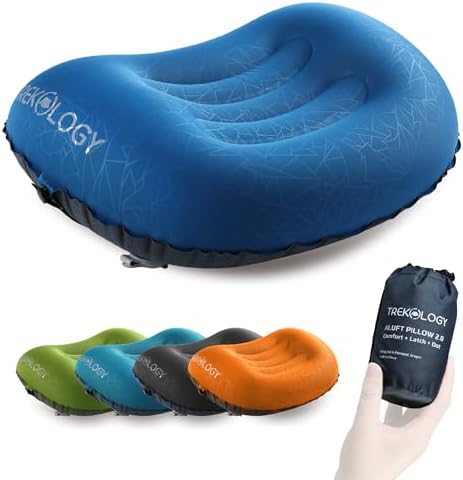
Best Backpacking Pillows for Side Sleepers: A Buying Guide for 2026
Disclosure: We may earn a commission when you buy through links on this page, at no extra cost to you. As an Amazon Associate I earn from qualifying purchases. Learn more

Side sleepers need loft and stability without a heavy pack. Learn how to choose the best backpacking pillows for side sleepers by size, fill and weight.
A night on the trail can feel very different when your head and neck rest at the right height. Side sleepers need more loft than back sleepers, because the gap between the shoulder and the head is wider, and a flat camp pillow can leave the neck bent all night. The best backpacking pillows for side sleepers balance that height with a small packed size, so you can carry real support without giving up much pack space. Use the product table to see how the main types differ before you choose.
This guide explains the features that matter most for side sleeping on a trail, from loft and width to inflation, fill, and fabric, and how to match a pillow to your sleeping pad, shoulder width, and sleep style. The goal is steady support that holds its shape until morning, in a package that fits your pack.


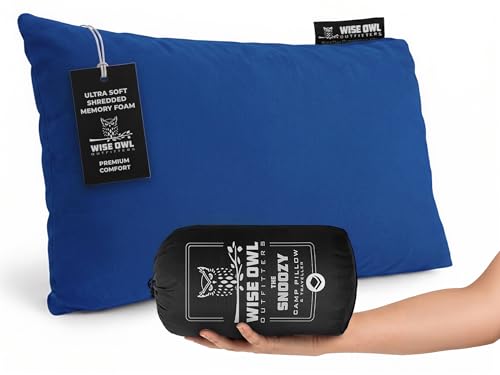
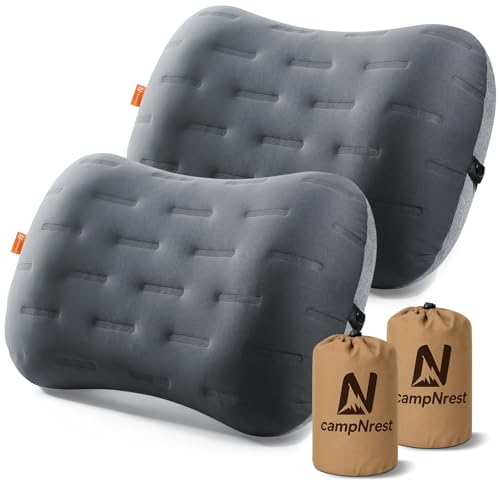


What Your Money Gets You at Each Spending Level
Lower cost camp pillows usually use simple foam or basic air chambers, skipping fine tuning features to keep the price down. They can still work well for short trips, especially if you sleep mostly still and your pad already gives you some lift. Check packed size carefully, because a cheap pillow that packs large can cost more space than it saves in money.
Middle cost options tend to add better valves, softer fabrics, and more stable shapes, such as side walls or a contoured top. This is where most side sleepers find the best balance, because the extra loft and adjustability solve the most common complaint, waking up with a sore neck. Higher cost designs use lighter fabrics, finer fill, or hybrid builds, and they suit long trips where every ounce counts.
How to Choose the Right Trail Pillow for Side Sleeping
Features That Matter for Side Sleepers
Side sleeping creates three clear needs: enough height to keep the neck level, enough width to support the head when you shift, and enough stability to stop the head from rolling off the edge. Look for a pillow at least as wide as your head plus a little extra room on each side, and try it lying on your side rather than on your back. A pillow that feels fine in a shop can feel too low once your shoulder sinks into a soft pad, so judge loft in a real sleeping position.
Shoulder width matters more than height alone. Broad shoulders need more loft, while narrow shoulders need less, and adjustable fill or air lets you tune that height night by night. For home use, the same sizing logic applies in our guide to best sleeping pillows for side sleepers. If you tend to switch sides, a symmetrical shape works better than a heavily sculpted one, because you will not need to flip or reposition the pillow each time you turn.
Weight and Packed Size
Most trail pillows weigh between about 2 and 12 ounces, and the lightest are usually simple air pillows that pack down to about the size of a soda can. Foam and hybrid pillows weigh more and pack larger, but they need no inflation and keep working even if a valve fails. For a weekend trip, a slightly heavier pillow may be worth it, while on a long hike the weight savings of an air pillow become harder to ignore.
Measure packed size against the space left in your pack after food, shelter, and clothing are loaded. A pillow that straps outside the pack can snag on brush, so one that fits inside a stuff sack or pack pocket is usually safer. Count the full packed system, including any case or sack, not just the pillow alone.
Inflation and Adjustment
Air pillows inflate by mouth, by a small pump sack, or by a built in valve, and each method has a tradeoff. Mouth inflation is simple and adds no extra gear, but it can introduce moisture into the chamber over many nights. A pump sack keeps moisture out and inflates faster, yet it adds a small item to carry. Built in valves save time, but check that the valve seals firmly and opens easily with cold hands.
Adjustment is what makes an air pillow useful for side sleepers. Let out a little air until your neck feels level, then lie still for a minute, because the pillow settles under your head. Foam pillows cannot be adjusted this way, so choose their loft carefully, or pick a model with a removable insert if you are unsure.
Price Against Ultralight Weight
Cutting weight usually costs money, because lighter fabrics and finer fills are more expensive to make. A simple way to judge value is to ask what each ounce saved costs you, and whether that saving matters on your trips. On a short overnight walk, saving two ounces rarely changes the experience, but over a week of long days it adds up.
Materials and Durability
Shell fabrics are often rated by denier, a measure of fiber thickness, and lower denier fabrics feel softer and pack smaller but need more care around sharp ground. Ripstop weaves help stop small tears from spreading, which matters when a pillow is stuffed and unstuffed every day. Down fill feels soft and compresses well, while synthetic fill handles damp conditions better and dries faster if it gets wet.
Seams and valves are the usual failure points, so inspect them before a long trip. A valve that leaks slowly will leave you flat by morning, and a weak seam can split under a restless sleeper. A small repair patch protects the pillow, and storing it uncompressed at home keeps foam and fill from losing loft between trips.
Comfort and Fit
Fit depends on your sleeping pad as much as on the pillow itself. A thick pad raises your whole body and can reduce the loft you need, while a thin pad leaves a bigger gap at the shoulder. Try the pillow and pad together at home, and note whether the pillow slides off the pad during the night. Straps or grippy fabric on the base help on smooth pad surfaces.
Your sleep style matters too. If you hug the pillow or tuck an arm under it, a wider and softer design may feel better, while a still sleeper may prefer a firmer and smaller shape. Sleepers who switch between back and side positions can compare best pillows for back sleepers and side sleepers, and those who sometimes roll onto the stomach can read our guide to best pillows for side stomach sleepers. Side sleepers who wear a hood or a hat at night should check that the pillow does not push the hood into the ears, which can feel uncomfortable over many hours.
Temperature and Weather Rating
Pillows do not carry the same temperature ratings as sleeping bags, but fill and fabric still affect warmth. A brushed or insulated top feels warmer on cold nights, while a smooth and breathable shell feels cooler in summer. In cold weather, keep the pillow inside your sleeping bag hood or close to your body, because a cold air chamber can feel chilly against the cheek.
Types of Backpacking Pillows
Inflatable pillows pack the smallest and weigh the least, and they suit side sleepers willing to adjust air pressure each night. Their main drawback is the risk of a slow leak, and some sleepers find the surface bouncy or noisy. Compressible foam pillows need no inflation and feel more like a home pillow, but they pack larger and weigh more, so they suit short trips better.
Hybrid pillows combine a thin foam layer with an air core, giving a softer surface with adjustable height. They cost and weigh more than pure air pillows, but many side sleepers find them the most comfortable compromise. A fourth option is a stuff sack pillow filled with clothing, which costs almost nothing in weight but gives uneven support that rarely suits side sleepers for more than a night or two.
Setup and Care Tips
- Try the pillow at home before your trip, lying on your side on your actual pad, so you learn the right inflation level in advance.
- Inflate a little firmer than you think you need, then let out air slowly until your neck feels level.
- Store foam and down pillows uncompressed at home, and only compress them for the trail.
- Dry everything fully before storage, including the shell and any cover, to prevent odors after damp nights.
- Keep the pillow off sharp ground and away from campfire sparks, and carry a small repair patch for air models.
- Practice Leave No Trace principles at camp, packing out all trash and keeping wash water away from streams.
Frequently Asked Questions About Backpacking Pillows for Side Sleepers
What features matter most in backpacking pillows for side sleepers?
Loft, width, and stability matter most, because side sleepers need enough height to keep the neck level and enough surface to support the head when they shift. An adjustable air chamber or removable fill helps you tune height to your shoulder width, and a grippy base or pad attachment stops the pillow from sliding away overnight. A contoured edge can help, but getting the height right matters more, so judge any pillow in a side lying position before you trust it on a trip.
How do I choose the right pillow height for side sleeping?
Measure the gap between your head and the sleeping surface when you lie on your side with your shoulder resting naturally. That gap is roughly the loft you need, and most side sleepers find that a pillow between about 4 and 6 inches high works well, though broad shoulders may need more. Try the pillow on your actual pad, and adjust air or fill until your neck feels straight. The same side lying check helps when you compare best sleeping pillows sleeping on side for use at home.
How long does a backpacking pillow last?
A well made trail pillow often lasts several seasons of regular use, though air models may need a valve or patch repair sooner than foam models. Lifespan depends on how often it is compressed, how roughly it is handled, and whether it is stored uncompressed at home. Replace it when fill stays flat after airing, a valve no longer seals, or seams keep splitting despite repairs. Storing it clean and dry between trips extends its life.
Is an ultralight pillow worth the price for side sleepers?
An ultralight pillow is worth the price when the weight saving matters on your trips and the design still gives you enough loft for side sleeping. On long hikes with big daily miles, saving several ounces can reduce fatigue, and lighter fabrics often pack smaller too. It is not worth the price if the pillow is too thin or too narrow for your shoulders, because lost sleep costs more energy than the weight saving returns.
Can I use a backpacking pillow with a sleeping bag hood?
Yes, many side sleepers place a small trail pillow inside the sleeping bag hood, which holds it in place and stops it from sliding off the pad. Check that the pillow fits the hood without bunching fabric around your face, and that the combined loft still keeps your neck level. If the hood pulls the pillow too high, place the pillow under the hood instead, or use a pillow with a strap that attaches to the pad.
Final Thoughts
The right trail pillow for side sleeping keeps your neck level, stays put through the night, and packs small enough that you actually bring it. Judge loft in a real side lying position, try the pillow with your pad, and choose adjustability if you are between sizes. If you have persistent or worsening neck pain, numbness, or weakness, talk with a clinician about your sleep setup rather than relying on a pillow alone. Review the product table, pick the type that fits your trips and budget, and the best backpacking pillows for side sleepers will make camp nights far easier to enjoy.