
Best Backpacking Pillows for Every Need: How to Pick the Right One in 2026
Disclosure: We may earn a commission when you buy through links on this page, at no extra cost to you. As an Amazon Associate I earn from qualifying purchases. Learn more
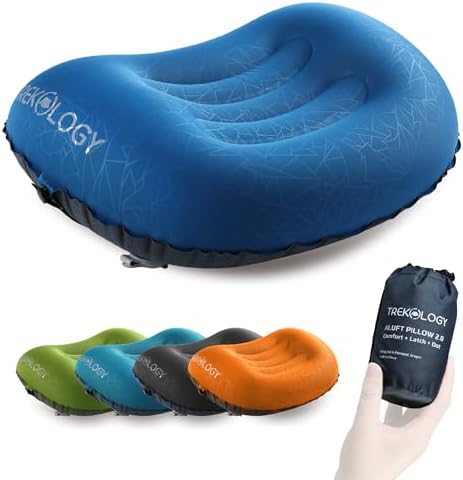
Best backpacking pillows compared by need: match packed size, loft, and fill class to your sleep style and trip length without wasting pack weight.
There is no single pillow that suits every camper, because the right choice depends on how you sleep and how far you walk. A side sleeper on a week long trail needs something very different from a back sleeper on one short night out. The best backpacking pillows are simply the ones whose loft, packed size, and fill class match your own sleep style and trip.
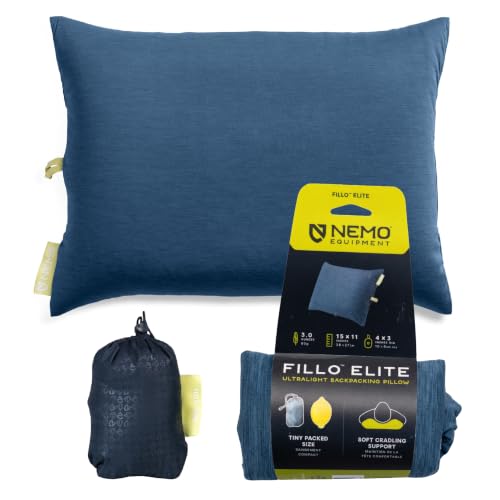
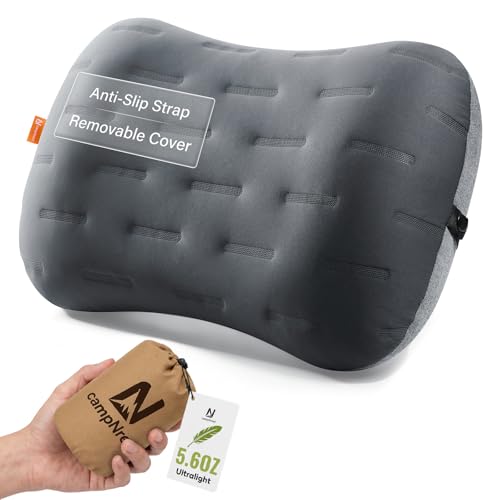
This guide skips product rankings and walks through the decision instead. You will see how sleep position changes the loft you need, how trip length changes the weight you can justify, and how your pad and sleeping bag quietly do part of the pillow job. The product table gathers the options in one place so you can weigh those trade offs side by side.





Who Should Buy Which Backpacking Pillows?
Most buyers fall into one of three camps, and each camp should shop with a different first priority. Find your camp below before you look at prices, because the feature that matters most to a wet weather camper is nearly useless to someone who only sleeps out twice a year.
For Wet Trails and Rough Weather
If your trips run through rain, river crossings, and damp shelters, treat the shell fabric as your first filter. Look for a coated or tightly woven shell that shrugs off tent condensation and dries fast on a pack strap during a lunch stop. Synthetic fills keep some loft when damp, while untreated down clumps and loses height until it dries. A pillow that survives rough weather is one you can stuff, sit on at camp, and still trust at bedtime.
For Tight Packs and Long Miles
When pack volume is the limit, packed size outranks almost everything else. Inflatable pillows fold down to roughly the size of a soda can, and hybrid designs with a thin foam layer pack only a little larger. Measure the pocket or gap in your pack where the pillow will actually live, because a pillow that fits the leftover space beats a smaller one that forces a bigger pack. Weight still matters, but volume is what you feel on a long carry.
For People Who Camp Every Month
Frequent campers wear pillows out, so durability and warranty terms move to the front of the list. Seams and valves take the stress on inflatable models, so a maker that sells patch kits and honors valve failures is worth more than a small price saving. Fill pillows suffer slow loft loss instead, which shows up as a flat spot under your ear. If you sleep out monthly, budget for replacement every few seasons and buy the class you can maintain.
Best Backpacking Pillows for Specific Needs
Beyond those broad camps, three specific needs drive most purchases. One is pure weight saving, one is sleep position, and one is how the pillow works with the rest of your sleep kit. Each need points to a different design, so read the one that sounds like you first.
Best Lightweight Backpacking Pillows
The lightest pillows are plain inflatables with a single valve and a thin shell, and they earn their place by disappearing into a pack corner. Expect a pillow in this class to weigh only a few ounces and to feel firmer and higher than a foam pillow of the same packed size. The trade off is surface feel, since a bare inflatable can feel slick and cool against the cheek. Many light sleepers solve that with a buff or a spare shirt laid over the top.
Loft for Side Sleepers, Less for Back Sleepers
Sleep position decides the height your head actually needs. Side sleepers need honest loft, because the pillow has to fill the gap between the ear and the shoulder so the neck stays level. Back sleepers need far less height, and a pillow that feels plush in the shop can push the chin toward the chest all night. Guides to best backpacking pillows for side sleepers dig into that loft question on its own. Keep the goal modest: a camp pillow is for sleep comfort on the trail, nothing more.
That comfort framing matters. If you deal with neck or back pain that persists on or off the trail, or any numbness or weakness in your arms or hands, see a clinician rather than shopping for a pillow to fix it. A pillow choice can make a night outdoors more comfortable, but ongoing pain is a medical question, not a gear question.
Fitting the Pillow to the Rest of Your Sleep Kit
A pillow never works alone. Your sleeping pad sets the surface height, and a thick pad already lifts your shoulders, which changes the loft you need on top of it. A hooded sleeping bag adds a ring of insulation around your head that acts like a shallow cradle and can make a thin pillow feel taller. Try the whole stack together at home, lying on the pad in the bag, before you decide a pillow is too flat or too tall.
Key Features to Compare
Five factors separate a pillow you love from one you leave at home after two trips. Work through them in this order and the product table above will make much more sense.
Weight and Packed Size
Weight is the currency of the trail, and every ounce in your pack is an ounce you carry up every climb. Most backpacking pillows land somewhere between about 2 and 10 ounces, with plain inflatables at the light end and foam or fill models at the heavy end. Grams saved here matter far less than a good fit with the rest of your kit, so do not chase the lowest number at the cost of comfort. Packed size follows the same pattern, shrinking as you move from fill to foam to air.
Fill Classes and How They Sleep
Three fill classes cover nearly every pillow you will see. Inflatable pillows use air alone, which gives the smallest packed size and a firmness you can tune by letting a little air out, at the cost of a less cushioned feel. Foam pillows use a block or shredded pieces of foam, which feels familiar and stays silent, but they pack large. Fill pillows use down or synthetic insulation like a tiny sleeping bag, splitting the difference on both size and softness. None of these classes is best in general; each one trades bulk against comfort in a different direction.
Loft and Firmness Control
Loft is the working height of the pillow under your head, and it shrinks the moment you lie down. A pillow rated at four inches tall may give you closer to three once your head settles in, so buy for the settled height, not the shelf height. Be honest about the ceiling here: a camp pillow is thinner than your home pillow, and it is meant to be. The pad and the hood of your bag do part of the job, so a modest pillow plus a good stack often sleeps better than a tall pillow on a thin pad.
Shell Fabric and Noise
The shell decides how the pillow feels against your skin and how much it rustles when you turn. Soft brushed fabrics feel close to a home pillowcase and stay quiet, while slick coated fabrics wipe clean and shed water but can crinkle. Some inflatable pillows add a foam or fabric layer on top partly to mute that sound. If you are a light sleeper who turns often, put shell feel near the top of your list, because a noisy pillow wakes its owner first.
Price Bands and the Cost per Ounce
Prices climb steeply as weight falls. Plain foam and simple fill pillows often sit around $15 to $30, mid range inflatables with soft covers run about $30 to $50, and the lightest premium models can pass $50 for a pillow that weighs almost nothing. Ratings make a weak shortcut here, since a pillow rated highly by car campers may be far too bulky for your pack; guides built around best ranked pillows are worth reading for how ratings skew, not as a shopping list. Pay the premium only when the saved ounces solve a real problem in your pack.
Common Mistakes to Avoid When Buying Backpacking Pillows
- Buying by price alone and ending up with a pillow so bulky it gets left behind, which saves weight in the worst possible way.
- Judging loft on a shop shelf, where an unloaded pillow looks far taller than it will feel under your head at night.
- Ignoring the valve and seam warranty on an inflatable pillow, the two parts most likely to end its life early.
- Choosing a down fill pillow for wet trips without a dry storage plan, then sleeping on a flat, clumped pad of insulation.
- Skipping the home trial and discovering on the first night out that the pillow slides off your pad or crinkles at every turn.
Care and Storage Tips
A pillow lasts longer with a few dull habits. Air it out on a line or a rock each morning so the fill and shell dry before you pack up, and never stuff it away damp for the drive home. Store fill and foam pillows loosely in a closet rather than crushed in their stuff sack, because long compression flattens the loft you paid for. Inflatable pillows store best partly inflated with the valve open. Wipe shells with mild soap and water, let everything dry fully, and check valves and seams once a season so a slow leak shows up at home instead of at midnight.
Backpacking Pillows: Your Questions Answered
How much should a backpacking pillow weigh?
Most backpacking pillows weigh about 2 to 10 ounces, and anything in that range is reasonable for overnight trips. The right target depends on your total pack weight and trip length. On a one night trip close to the trailhead, a heavier foam pillow costs you little. On a week long route where every ounce repeats across thousands of steps, the lightest inflatable you can sleep on earns its price.
Can a pile of spare clothes replace a backpacking pillow?
A stuff sack of spare clothes can work for a night, but it rarely matches a real pillow. Clothing shifts, lumps form under the ear, and the sack usually ends up shorter than the loft a side sleeper needs. It also spends your spare warm layer, which you may want to wear on a cold night. Many campers start with the clothes trick and buy a pillow after one sore morning, which tells you where the value sits.
Do inflatable camp pillows make noise when you move?
Some do, and the shell fabric matters more than the fact that the pillow holds air. Slick coated shells tend to crinkle against a sleeping pad, while soft brushed covers and pillows with a foam top layer stay much quieter. You can also quiet any pillow by slipping it inside your sleeping bag hood or under a spare shirt. If you try one at home, lie on your actual pad, since the pad surface is half of the noise equation.
How can I keep a camp pillow from sliding off the sleeping pad?
Start by trapping the pillow inside the hood of your sleeping bag, which is the simplest fix and works for most sleepers. Some pillows have a textured or grippy underside for exactly this problem, and a pad strap or a spare belt looped around pillow and pad holds everything in place on sloping ground. Slightly under inflating an inflatable pillow also helps, because a softer pillow settles into the pad instead of skating across it.
When should a backpacking pillow be replaced?
Replace a pillow when it stops holding its shape or its air, not on a fixed schedule. An inflatable that loses firmness overnight despite a patched valve is done, and a foam or fill pillow that stays flat after a full day of airing out has lost its loft for good. Shell fabric that stays sticky, smells after washing, or flakes its coating is another clear sign. Most pillows give several seasons of regular use before any of this shows up.
The Bottom Line
Match the pillow to your need and the rest falls into place. Side sleepers should guard their loft, long distance walkers should guard their packed size, and everyone should try the full sleep stack at home before the first trip. Fill class, shell feel, and price band matter, but only after those two decisions are made. Look back at the product table above with your sleep style and trip length in mind, and the best backpacking pillows for your own nights out will be easy to spot.


