
Best Backyard Birding Binoculars for 2026: A Complete Buying Guide
Disclosure: We may earn a commission when you buy through links on this page, at no extra cost to you. As an Amazon Associate I earn from qualifying purchases. Learn more

Pick the best backyard birding binoculars for your yard, eyes, and budget with clear advice on size, brightness, and comfort.
Watching birds from your own yard is a quiet pleasure, and the right optics can turn a distant shape on a fence into a clear view of color and behavior. Choosing best backyard birding binoculars starts with how far you watch, how much light your yard gets, and how long you like to hold the pair steady. This guide explains those choices in plain terms, so you can compare types, features, and budgets without camera jargon. The product table gives a quick overview, and the sections that follow help you narrow it down.
Backyard viewing differs from hiking or open field birding, because distances are usually short, from a feeder a few steps away to a tree at the far end of the garden. That means comfort, a wide view, and easy focus often matter more than extreme magnification, and the best backyard birding binoculars reflect that.
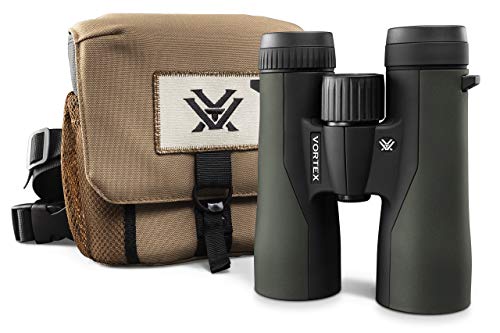
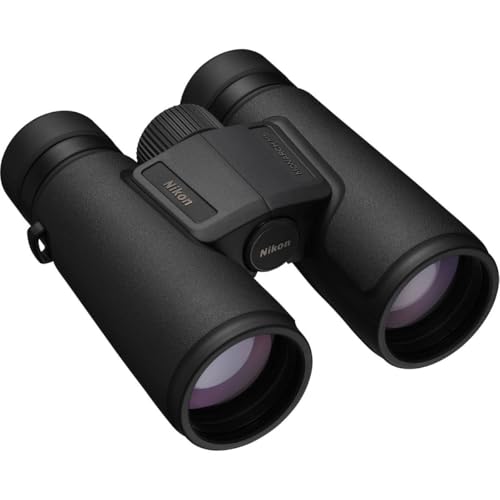


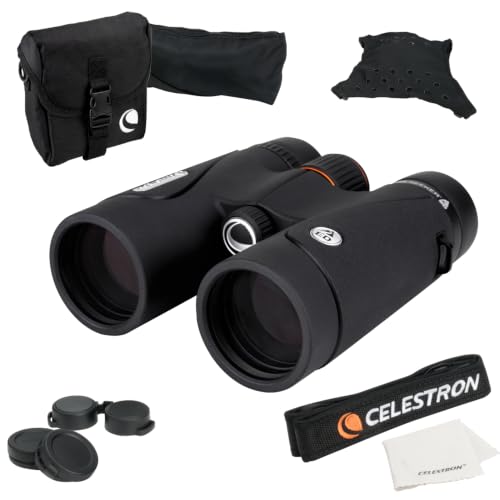
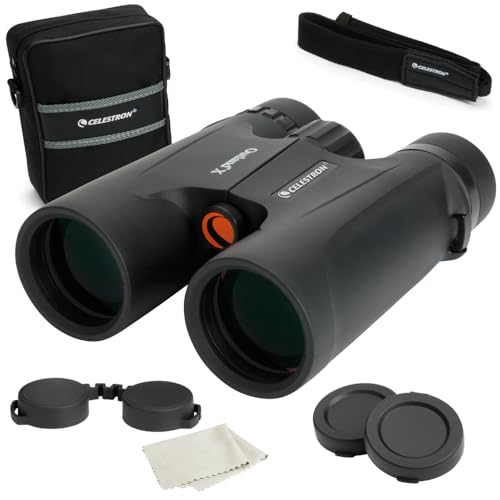


Who Should Buy Which Backyard Birding Binoculars?
Casual Yard Watchers
If you watch birds while drinking morning coffee, look for a light pair that is easy to pick up and focus. A moderate magnification gives a steady image without a tripod, and a wide view helps you find a bird quickly when it lands. For a gentle starting point, see our guide to best birding binoculars for beginners alongside this buying guide.
Dedicated Backyard List Keepers
If you keep a list of species that visit your feeders and watch at dawn and dusk, brightness and sharpness matter more. A larger objective lens gathers more light in dim conditions, and good coatings help colors stay true when the light is soft.
Families and Shared Households
If several people share one pair, adjustability becomes the top priority. Look for eye cups that twist or fold to suit glasses wearers and non wearers, and a focus wheel that turns smoothly without much force. Keep small parts away from children, and store the pair out of reach when it is not in use.
Key Features of the Best Backyard Birding Binoculars
Magnification and Objective Size
Magnification tells you how close a bird appears, and objective size tells you how wide the front lenses are. A common backyard choice is 8x42, which means the image appears eight times larger and the front lenses measure 42 mm across. Higher magnification, such as 10x, brings birds closer but makes hand shake more visible and narrows the view.
Low Light Performance
Early morning and late evening are prime birding times, so a pair should still perform when light is low. Larger objective lenses help, and so does the exit pupil, which is the beam of light that reaches your eye. Coatings on the lenses also matter, because they reduce lost light and improve contrast.
Durability and Weather Sealing
Backyard pairs face dew, dust, sudden rain, and the occasional bump against a fence post. Sealed construction keeps moisture and dust out of the optics, and a nitrogen filled interior helps prevent internal fogging when temperatures change. Rubber armor adds grip and cushions small knocks, which is useful if you carry the pair around the garden.
Focus and Eye Relief
Focus speed matters when a bird lands for only a few seconds. A central focus wheel should move smoothly from near to far without overshooting, and a diopter adjustment on one eyepiece lets you fine tune for differences between your eyes. Eye relief is the distance from the eyepiece to your eye where the full view appears, and it matters most if you wear glasses.
Size, Weight, and Carry Comfort
A pair you enjoy carrying will be used more often than a heavier pair with slightly better optics. Compact pairs are easier to slip into a coat pocket, but they usually gather less light and can feel cramped for large hands. Full size pairs are brighter and steadier, yet they can tire your arms during a long watch.
Field of View and Close Focus
Field of view tells you how wide an area you can see at a set distance, and a wider view makes it easier to track a bird that moves between branches. Close focus tells you the nearest distance where the image stays sharp, which matters when a feeder sits just outside a window. A close focus of about 6 to 10 feet suits most yards. For a lower cost way to start, see our guide to best budget binoculars for birding when you weigh these trade offs.
Types of Backyard Birding Binoculars
Compact Binoculars
Compact pairs use smaller objective lenses, often 25 mm to 32 mm, and fold down for easy carrying. They suit watchers who keep a pair by the back door or carry one on a walk around the neighborhood. The trade off is less light in dim conditions, so dawn views may look darker than with a full size pair.
Full Size Binoculars
Full size pairs, commonly 42 mm, are the standard choice for serious backyard watching. They gather more light, give a steadier image, and usually offer a wider view than compact pairs.
Zoom Binoculars
Zoom pairs let you change magnification, for example from 8x to 16x, without swapping optics. That flexibility sounds appealing, but the image often dims at higher settings and the field narrows, which can make tracking harder. Zoom mechanisms also add weight and complexity.
Spending Levels to Consider
Everyday Starter Spending
At a lower spending level, around $40 to $100, you can find a usable pair for casual daylight watching. Expect basic coatings, a simple focus wheel, and a lighter build, with less brightness at dawn and dusk. This level suits new watchers who want to learn what magnification and size they prefer before spending more.
Mid Level Spending for Regular Watchers
In the middle range, about $100 to $250, you usually gain better coatings, smoother focus, stronger sealing, and a more comfortable build. This is the sweet spot for most backyard watchers, because the jump in brightness and durability is easy to notice without a very high cost.
Higher Spending for Demanding Conditions
Above about $250, you pay for finer optics, wider views, better low light performance, and more refined build quality. The gains are real but smaller than the jump from starter to mid level, so this level suits watchers who spend long hours outdoors or watch often in dim light.
Common Mistakes to Avoid
- Choosing the highest magnification first, which makes the image shake and narrows the view too much for a small yard.
- Ignoring eye relief if you wear glasses, which can cut off the edges of the view.
- Judging a pair only in a bright shop, when most backyard birds appear in softer morning or evening light.
- Skipping weather sealing for a pair that will live near a back door and face dew and dust.
- Buying a heavy pair for long watches without checking balance and strap comfort.
- Forgetting close focus, which matters when feeders sit only a few steps from your viewing spot.
Care and Maintenance
Simple care keeps backyard optics clear for years. Use a soft lens cloth or a blower for dust, never your shirt, which can scratch coatings over time. Store the pair in a dry, padded case away from heat and damp, and keep lens caps on when it is not in use.
When choosing a size, compare compact options directly, since weight and handling differ a lot between small and full size pairs. See our guide to best small binoculars for birding if portability is a top priority for your yard routine. Use the product table alongside the feature sections when you decide.
Frequently Asked Questions
Is a smartphone enough instead of backyard birding binoculars?
A smartphone works for photos of birds that are very close and still, but it cannot match the reach and brightness of dedicated optics for most yard viewing. Digital zoom quickly loses detail, and a phone screen is hard to see in bright sun. Binoculars also let you watch behavior in real time, such as feeding and preening, without disturbing the bird.
How much should I spend on my first backyard pair?
Most new watchers do well with a pair in the range of about $100 to $250, where coatings, focus, and sealing are noticeably better than at the lowest prices. A cheaper pair is fine for learning your preferences, but it may frustrate you in dim light or during longer watches. Spending more makes sense once you know you watch often and want better low light views.
What does 8x42 or 10x42 mean for backyard viewing?
The first number is magnification, and the second is the diameter of the front lenses in millimeters. An 8x42 pair makes a bird appear eight times larger and gathers light through 42 mm lenses, while a 10x42 pair brings the bird closer but with a narrower and shakier view. For most yards, 8x is steadier and easier for finding birds quickly.
Which backyard binoculars work better in low light?
Pairs with larger objective lenses and good coatings usually perform better at dawn and dusk, because they deliver more light to your eyes. An 8x42 pair often beats a compact pair in dim conditions, even though both may look similar in bright daylight. Exit pupil gives a rough guide, but coating quality and internal build also affect the result.
What specs matter most for beginners?
Beginners should focus on magnification, objective size, field of view, close focus, and eye relief, in that order. These five numbers shape how easy a pair is to use, how steady the image feels, and how well it fits your eyes. Weight and weather sealing come next, because they affect comfort and durability in daily use.
Final Thoughts
The best backyard pair is the one that matches your yard, your eyes, and your routine, not the one with the biggest numbers on the box. Start with a comfortable magnification, check eye relief and close focus, and make sure the pair handles the light you actually watch in. Use the product table to compare options, then choose the pair you will reach for every morning. With the right fit, best backyard birding binoculars will turn everyday visits from feeder birds into a richer habit.


