Best Backpacking Towels by Budget for Trips 2026
Disclosure: We may earn a commission when you buy through links on this page, at no extra cost to you. As an Amazon Associate I earn from qualifying purchases. Learn more

Pick the best backpacking towels for your budget by comparing absorbency, dry time, pack size, and durability at each price level.
Trail towel prices range from a few dollars to well over fifty, and the gap can be confusing when every listing promises fast drying and tiny packing. The truth is that price mostly buys better fabric, smarter construction, and a smaller packed size, not magic. The best backpacking towels for your trip are the ones that dry you well, dry out quickly themselves, and pack small enough that you will actually carry them. Use the product table to see how the picks differ before you spend.
This guide walks through what each price level typically offers, which features are worth paying for, and which ones you can safely skip. You will also learn how to judge absorbency, dry time, size, and durability without getting lost in marketing terms. By the end, you will know where your money makes a real difference and where a simple towel does the job just fine.





What Your Money Gets You at Each Price Level
Lower Cost Options
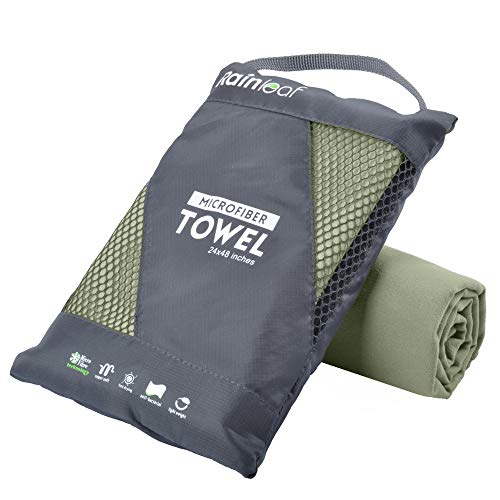
Lower cost trail towels are usually simple microfiber sheets with a basic weave and a small stuff sack. They absorb a reasonable amount of water for their size, dry fairly quickly, and cost little enough that losing one on a trip is not a disaster. Their limits show up in durability and feel, because thin fabric can feel slick on the skin and may snag or thin out after many washes.
These towels suit short trips, first time backpackers, and anyone who wants a backup towel in a day pack. Choose a size that covers your shoulders and torso rather than the smallest option, because a towel too small to dry you properly is a false saving. Check the packed size too, since some budget towels pack larger than their price suggests.
Middle Cost Options
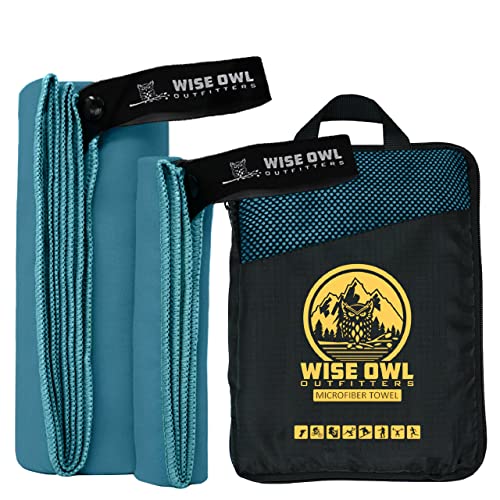
Middle cost towels usually step up to denser microfiber, a suede like finish, or a blend that feels softer and absorbs more per square inch. They often include a better stuff sack, a loop for hanging, and edges that resist fraying after repeated washing. Dry time improves as well, because the fabric releases water more easily when wrung out and hung in camp.
This level fits most backpackers, because it balances comfort, durability, and pack size without a premium price. If you take several trips a year, the extra durability alone can make this level cheaper over time than replacing a budget towel each season. Look for a towel that stays soft after washing, since a towel that turns stiff is a sign of lower quality fabric.
Higher Cost Options
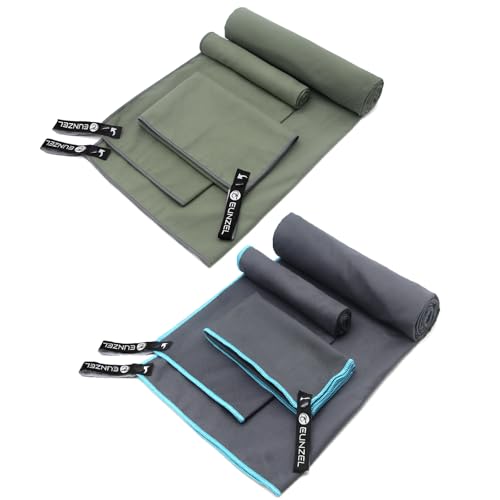
Higher cost towels use premium fabrics, finer weaves, and thoughtful details such as antimicrobial treatments, zippered cases, or a texture that grips the skin for easier drying. They pack the smallest for their size and often last the longest, which matters on long trips where gear failure is hard to fix. The comfort gain is real but modest, so this level makes most sense for frequent hikers and travelers who use a towel every day.
Spending more does not always mean a better towel for your trip. A premium towel that is too small still dries poorly, and a large premium towel still takes pack space. Spend at this level only when the size, fabric, and packed volume all match your needs, and when you will use the towel often enough to justify the price.
Best Backpacking Towels: Features Worth Paying For and Ones to Skip
Style and Color Options
Color matters more on the trail than it does at home, because a bright towel is easy to spot on a branch or a rock while it dries. Dark colors hide stains but show lint, while light colors show dirt quickly after a muddy trip. Choose a color you can find in camp, and skip patterns or prints that add cost without adding function.
Style is mostly about shape. A rectangular towel suits most people, while a very long and narrow towel can wrap around the shoulders but may feel awkward for drying legs. A towel with a hanging loop is worth a little extra, because it lets you air the towel on a branch or a line without it sliding off.
Performance: Absorbency and Dry Time
Absorbency depends on fiber type, fabric density, and size, not on any single number on the label. Microfiber absorbs well for its weight, cotton feels soft but stays wet longer, and bamboo blends sit between the two. A towel that holds a lot of water but takes hours to dry can become a damp weight in your pack, so judge absorbency together with dry time.
To compare towels fairly, wring each one out fully and hang it in similar air, then note how long it takes to feel dry to the touch. For the fastest drying options, see our guide to best quick dry towels for backpacking. A good trail towel should feel mostly dry within a couple of hours in a breeze, while a poor one stays clammy until the next day. If you swim or wash daily on a trip, fast dry time matters more than maximum absorbency, because you will reuse the towel before it fully dries otherwise.
Material and Construction
Microfiber is the most common trail towel fabric, because it is light, absorbent, and packs small. For a deeper comparison of fabrics, see our guide to best microfiber towels for backpacking. Cotton towels, including Turkish cotton, feel luxurious and absorb well, but they are heavier and slower to dry, which makes them better for car camping than for long hikes. Bamboo blends feel soft and dry faster than cotton, though they can cost more and may need gentler washing.
GSM, which stands for grams per square meter, describes fabric density, and trail towels usually range from about 200 to 400 GSM. Lower GSM towels pack smaller and dry faster, while higher GSM towels feel plusher and absorb more. Construction matters too: bound edges resist fraying, a suede finish feels smoother on skin, and a waffle texture can improve grip and airflow. Skip towels with loose stitching or thin spots, because those fail first.
Size and Fit
Size is a tradeoff between drying power and pack volume. A small towel of about 20 by 40 inches suits a solo hiker who dries off quickly, while a large towel of about 30 by 60 inches suits taller people or anyone who wants to wrap up after a swim. Measure the towel against your own height and shoulders rather than trusting labels such as medium or large, because brands size their towels differently.
Pack size follows from size and fabric, and a towel that packs to about the size of a soda can is easy to fit in a side pocket. Travelers who pack for flights as well as trails can compare best travel towels backpacking, and campers can read our guide to best camping towels for backpacking for options built around camp use. A towel that packs to the size of a water bottle may still be fine if you have room, but check the full packed system including the stuff sack. If you share a towel with a partner, choose a larger size and accept the extra volume, because a shared towel that is too small frustrates both users.
Long Term Costs to Factor In
The purchase price is only part of the cost of a trail towel. Replacement is the biggest long term cost, and a cheap towel that frays after one season can cost more over three years than a durable midrange towel. If durability is your top priority, our guide to best quality towels compares tougher fabrics and construction in more detail. Washing costs are small, but towels that need special detergent or gentle cycles add effort, and towels that hold odors may need extra washes. A stuff sack, a hanging loop, or a repair patch costs little and extends the life of the towel, so count those accessories in the total.
Warranty and return terms also matter, though most trail towels carry only a short warranty. Keep the receipt and the packaging until you have washed and used the towel once, so you can return it if the fabric feels wrong or the seams fail early. A towel that survives its first few trips with no fraying or stiffness is likely to last several seasons with normal care.
Backpacking Towels: Your Questions Answered
What GSM is best for a backpacking towel?
For most backpackers, a GSM between about 200 and 300 offers the best balance of absorbency, dry time, and pack size. Lower GSM towels pack smaller and dry faster, but they can feel thin and may need more passes to dry you fully. Higher GSM towels feel plusher and absorb more water, yet they take longer to dry and pack larger. If you prioritize light packing, lean toward the lower end, and if you prioritize comfort after a swim, lean toward the higher end.
Are premium backpacking towels worth the extra money?
Premium towels are worth the extra money when you hike or travel often and you value smaller packing, softer fabric, and longer durability. Frequent users notice the difference most, because a premium towel keeps its feel after many washes while a cheap towel may turn stiff or thin. They are less worth it for occasional trips, where a midrange towel performs nearly as well at a lower price. Judge the premium by size and fabric first, not by brand claims alone.
How often should I replace a backpacking towel?
Replace a trail towel when it no longer absorbs well, stays stiff after washing, smells despite a full wash and dry, or shows fraying edges that keep spreading. With regular use and proper care, a good towel often lasts several seasons, while a budget towel may need replacing after one heavy season. Washing in cool water, skipping fabric softener, and air drying fully between trips all extend its life. A towel that still dries you well and packs neatly does not need replacing on a schedule.
How do I keep a backpacking towel fresh longer?
Keep a trail towel fresh by wringing it out fully, hanging it in moving air whenever you stop, and never storing it damp in a sealed bag for days. Wash it in cool water without fabric softener, because softener coats microfiber and reduces absorbency over time. Air dry it completely before packing it away at home, and store it loosely rather than compressed tight for months. If odors persist, a wash with a small amount of vinegar in the rinse can help, but check the care label first.
Final Thoughts
The smartest way to buy a trail towel is to match size and fabric to your trips, then choose the price level that gives you those features with the durability you need. Midrange towels suit most hikers, budget towels suit short trips and backups, and premium towels suit frequent travelers who value the smallest pack size. Look over the picks in the table, compare packed size and dry time rather than marketing claims, and the best backpacking towels for your budget will serve you well for many trips to come.