Best Backpacking Chairs in 2026: Everything to Know Before Your First Purchase
Disclosure: We may earn a commission when you buy through links on this page, at no extra cost to you. As an Amazon Associate I earn from qualifying purchases. Learn more

Buying your first trail chair? Compare carry weight, packed size, seat height and price bands to choose the best backpacking chairs for your trips.
Buying a chair you will carry on your own back is a different purchase from buying a chair for a patio or a car campsite. Every extra gram rides on your shoulders for the whole walk, so the best backpacking chairs are judged first by carry weight and packed size, and only then by how the seat feels at the end of the day. This guide walks a first time buyer through the basics, the numbers that matter, and the mistakes that leave people carrying weight they regret.
Start with how you travel, then match the chair class to that style using the class table below. A chair that suits a short evening walk to a lake will frustrate a trekker counting grams, and the lightest seat made will feel flimsy to someone who camps beside the car and sits for hours.


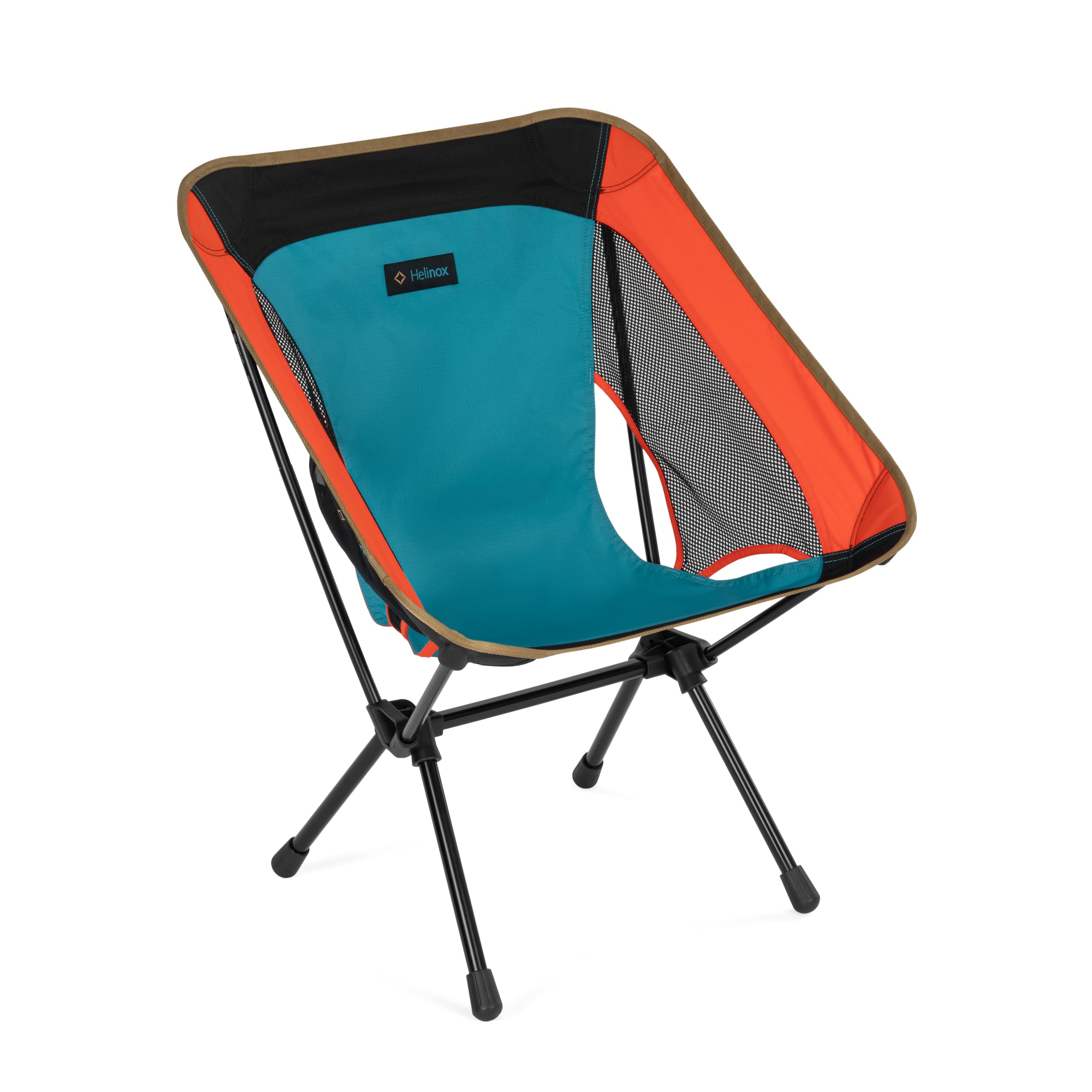


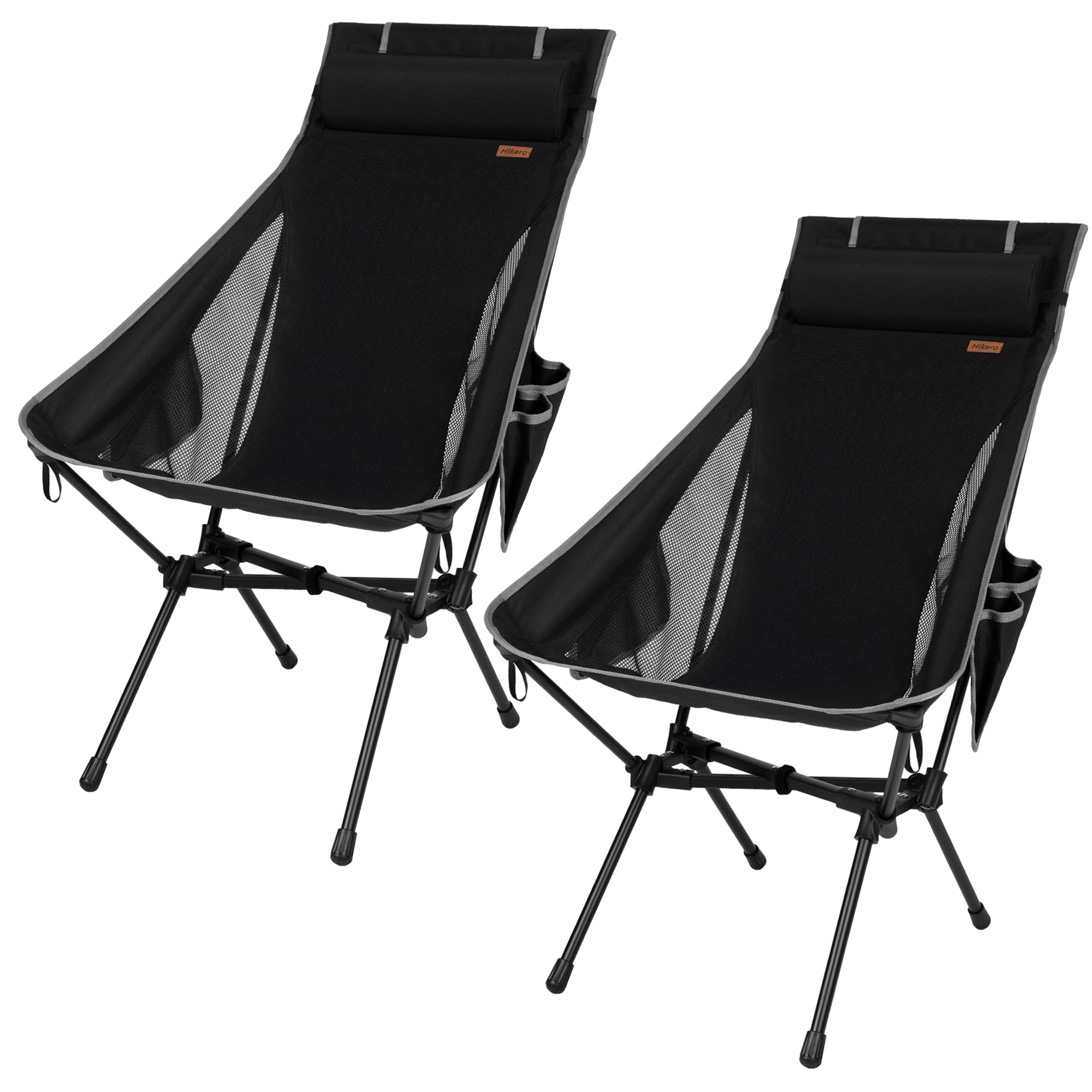

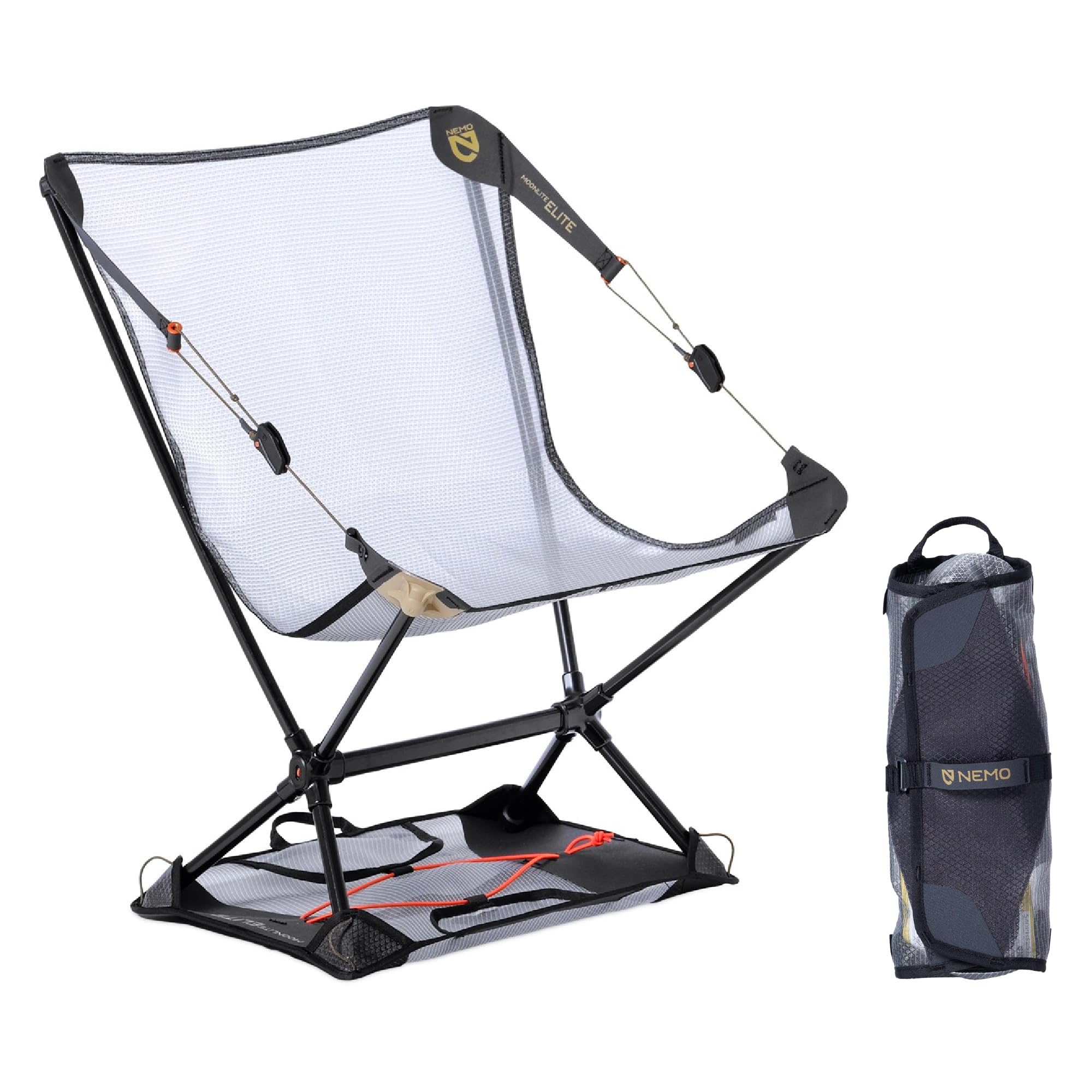
The Carry Comes First: How You Travel Decides the Chair
Your carry style is the fork that decides everything else, so settle it before you look at fabrics or prices. Day hikers who walk a few miles to a viewpoint can carry a chair of about 900 grams to 1.4 kilograms without much penalty. The seat can be a simple folding frame with a fabric sling, and comfort can lead because the walk is short.
Multi day trekkers live by a stricter budget. A chair for a three or four day route usually needs to stay near or under about 500 to 900 grams, and it must pack down to roughly the size of a water bottle or a rolled sleeping pad. At this level the frame uses thin poles and the seat sits low, and those are fair trades for the miles covered.
The third group camps at the car and walks only a short distance from the parking area. If that is you, weight barely matters and you can choose a taller seat with a higher back and wider arms. Many buyers in this group are happier with a camp chair class than with a true trail chair, and the best backpacking camp chairs guide covers that heavier, roomier end of the family.
| Chair class | Typical carry weight | Packed size | Seat height | Suits best |
|---|---|---|---|---|
| Ground chair | About 300 to 500 grams | Rolls with a sleeping pad | At ground level | Gram counters on long routes |
| Low folding frame | About 500 to 900 grams | About the size of a water bottle | Low, near 25 to 35 cm | Multi day trekkers |
| Tall camp frame | About 1 to 2 kilograms | A long stuff sack | Near 40 to 50 cm | Day hikes and car camps |
Best Backpacking Chairs: The Basics for New Buyers
A backpacking chair is a folding seat built to be carried in or on a pack. Most designs stretch a fabric seat over a frame of shock corded poles that snap together, much like tent poles. You assemble the frame, hang the seat fabric on its corners, and the tension of the fabric holds the whole chair rigid while you sit.
A few terms will make every listing easier to read. Carry weight is the full weight in its sack, poles and fabric together, and it is the only weight figure that matters on the trail. Packed size is the length and width of the folded bundle, which decides whether it fits inside your pack or straps outside it. Seat height is the distance from the ground to the seat surface, and capacity is the maximum sitter weight the maker states for the frame.
The Numbers That Matter, in Plain English
Carry Weight and Packed Size Come First
Weight is the center of this product, so compare it before anything else when you shortlist the best backpacking chairs. Every gram is carried for every step of the trip, and a chair that feels light in a shop can feel heavy on the last climb of a long day. As a working rule, a difference of about 200 grams is worth real money to a trekker and worth almost nothing to a car camper. Check the packed length against your pack as well, because a bundle that only straps outside can snag on branches and swing as you walk.
Seat Height and Getting Up Again
Light chairs sit low, often with the seat only about 25 to 35 cm off the ground. A low seat is stable and light, but standing up from it asks more of your knees and hips, and it gets harder at the end of a tiring day. Taller seats cost weight and bulk, so choose based on how often you get up and down around a camp kitchen. If sitting leaves you with pain that lingers or keeps coming back, talk with a clinician rather than shopping for a different chair.
Fabric, Poles and Frame Build
The seat fabric does two jobs: it holds your weight and it forms the sitting surface. Heavier woven fabrics shrug off rough ground and sparks better, while thin fabrics cut weight and dry faster after rain. The poles are usually aluminum, and their joints take the strain every time you sit down. Look for a frame that assembles with a firm, positive fit at each joint, because a sloppy joint flexes, and flex at the joints is where these chairs usually fail first.
Weight Capacity and Honest Margins
Capacity figures come from the maker and they are not all measured the same way, so treat the printed number as a guide rather than a promise. A sensible habit is to pick a chair rated comfortably above your weight, with your pack set beside you rather than on your lap. Sitting down hard, rocking back on two legs, or perching on the front edge all load the frame harder than the rating assumes. A chair used inside its rating and on level ground will outlast a stronger chair that is abused nightly.
Feet, Ground and Sinking
Trail chairs stand on narrow feet, and narrow feet sink into soft ground. On sand, mud or fresh snow the legs can punch down one at a time until the chair leans and dumps you sideways. Wide feet, flat caps, or a ground sheet spread under the chair all spread the load and stop the sinking. Check the ground before you settle in for a long sit, and move to firmer soil or a flat rock when the surface feels spongy underfoot.
Warranty, Returns and Spare Parts
A first purchase is partly a trial, so the return window matters. Buy from a seller that lets you assemble the chair at home, sit in it on carpet, and send it back if the seat height or width feels wrong. Makers that sell spare poles and replacement seat fabrics turn a breakage into a repair instead of a new purchase. Keep the stuff sack and the receipt until you have used the chair outdoors at least once, because indoor sitting cannot show you how it behaves on real ground.
First Setup at Home and on the Trail
Assemble a new chair at home before its first trip. Lay the poles out, let the shock cord pull the sections together, and hang the seat fabric on the frame corners in the order the maker shows. Sit down gently the first time and check that every joint is fully seated, since a half seated joint can slip out under load.
At camp, clear sharp stones from under the chair, press the feet into the ground until it stops rocking, and only then trust it with your full weight. Packing away is the reverse: shake the fabric dry, wipe mud off the feet, and roll the bundle so the poles sit protected inside the fabric.
Rookie Mistakes First Time Buyers Make
- Buying by seat comfort alone and ignoring carry weight, then resenting the chair on every climb.
- Choosing the lowest seat for a trekker with stiff knees, so every stand up becomes a struggle.
- Trusting the capacity number as a promise and sitting down hard on uneven ground.
- Setting up on soft soil without checking, then blaming the chair when a leg sinks.
- Paying for the lightest chair on the shelf without asking what it gives up: the best ultralight backpacking chairs guide shows what those last saved grams cost in seat size and sturdiness.
Caring for a Chair That Lives in a Pack
Trail chairs ask for little care, but the little matters. Dry the fabric fully before storing it, because a seat packed away damp will smell and the coating on many fabrics suffers in storage. Brush grit out of the pole joints before each assembly, since sand inside a joint grinds the cord and the metal each time the frame flexes. Store the chair loose and dry rather than crushed at the bottom of a gear bin.
Readers comparing the wider lightweight class can also look at the best lightweight backpacking chairs guide, which covers seats that trade a little more weight for a larger frame.
Backpacking Chairs: Your Questions Answered
How much should a first backpacking chair weigh?
For most first time buyers, a chair between about 500 and 900 grams is the sensible middle ground. That range keeps the seat sturdy enough to feel secure and light enough to forget on the walk in. Go lighter only if you already count grams across your whole pack, and go heavier only when your walks are short. One extra check: weigh the chair in its sack on a kitchen scale, because the printed figure sometimes leaves the sack out.
Will a low trail chair hurt my knees when I stand up?
A low seat does ask more of your knees and hips each time you stand, and the effect grows at the end of a long day. You can ease it by planting your feet back under the seat, leaning forward, and pushing up with your hands on your thighs. If standing from a low chair is a known struggle, choose the taller class and accept the extra carry weight. A chair you avoid sitting in is worse than a heavier chair you use at every stop.
Can a backpacking chair be used at a car campsite or festival?
Yes, a backpacking chair works fine at a car campsite or a festival, and its small footprint is handy in a crowded field. The trade is comfort over long sits: the low seat and narrow frame that save weight on the trail can feel cramped through a whole evening of music or a long campfire session. Many campers keep the trail chair for walking trips and add a roomier seat for the car. The trail chair still earns its place by packing into almost no space in the trunk.
How do I stop my chair sinking into soft ground?
The quickest fix is to move the chair onto firmer ground, a flat rock, or a patch of roots and packed soil. If you must sit on soft ground, place a folded ground sheet, a sit pad, or flat stones under the feet to spread the load over a wider area. Some makers sell wider feet or ground sheets matched to the chair. Sinking one leg at a time is the usual cause of a slow sideways tip, so recheck the feet after the first few minutes of sitting.
Is an expensive backpacking chair worth it for a beginner?
Spending more mainly buys lower weight, stronger pole joints and better fabric, not a different kind of sitting. A beginner who camps a few nights a year is usually served well by the middle price band, about $60 to $110. Pay the higher prices, about $110 to $180, when you already know you will walk far with the chair on your back. The budget band, about $30 to $60, works for a first trial, with the understanding that joints and fabric may wear sooner under weekly use.
Final Thoughts
For a first purchase, let the carry decide. Pick the chair class that matches your travel style, keep the carry weight inside the band that style allows, and check seat height and capacity before fabric or color. The product table above pulls the current options together in one place.
The best backpacking chairs for you are the ones you will still be glad to carry on the last mile of the walk, so weigh the bundle, sit in it at home within the return window, and let the trail confirm the choice.