
Best Backpacking Boots for Wide Feet: Every Type Explained Side by Side in 2026
Disclosure: We may earn a commission when you buy through links on this page, at no extra cost to you. As an Amazon Associate I earn from qualifying purchases. Learn more

Compare backpacking boots for wide feet by type, with fit, toe box, traction, waterproofing and sizing guidance for carrying a pack on long trails.
Boot shopping gets confusing fast when most lasts feel narrow across the toes and the same model comes in several weights and cuts. The best backpacking boots for wide feet give your forefoot room while still holding your heel steady under a loaded pack. Use the comparison table below to match each type to your load and terrain.
Wide feet change more than width alone. Your feet swell over long miles, your toes need space on descents, and a roomy toe box is useless if the heel swims.

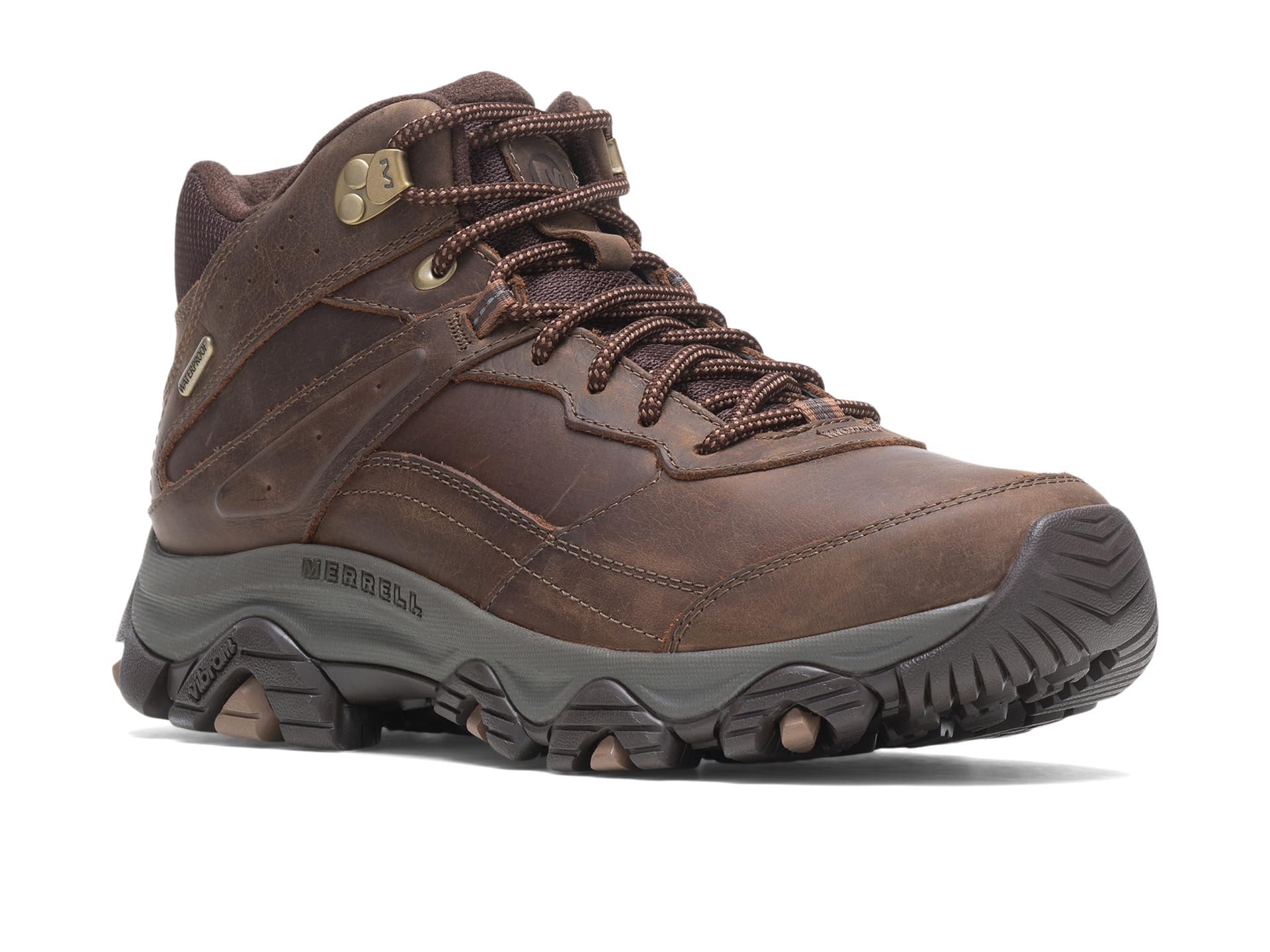


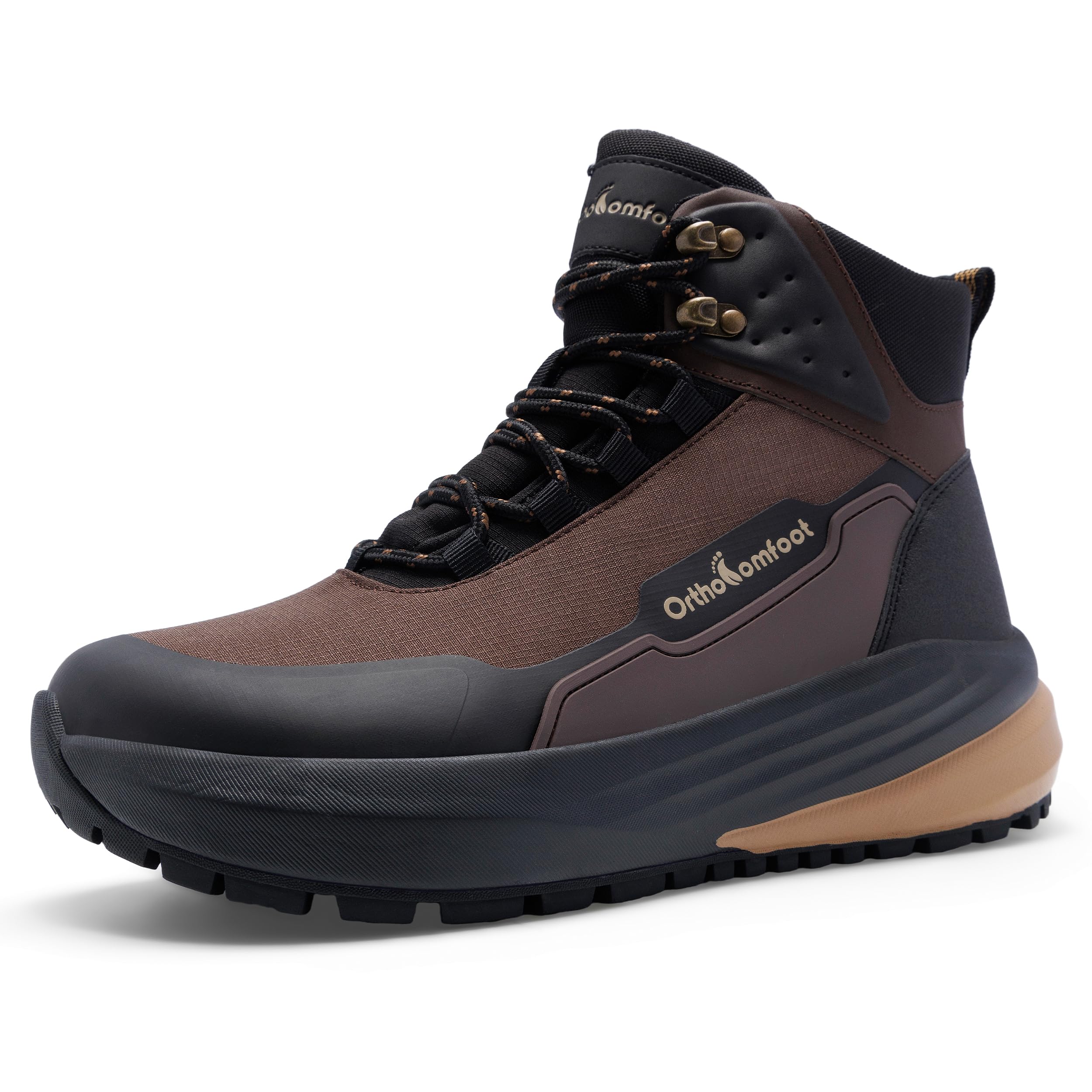

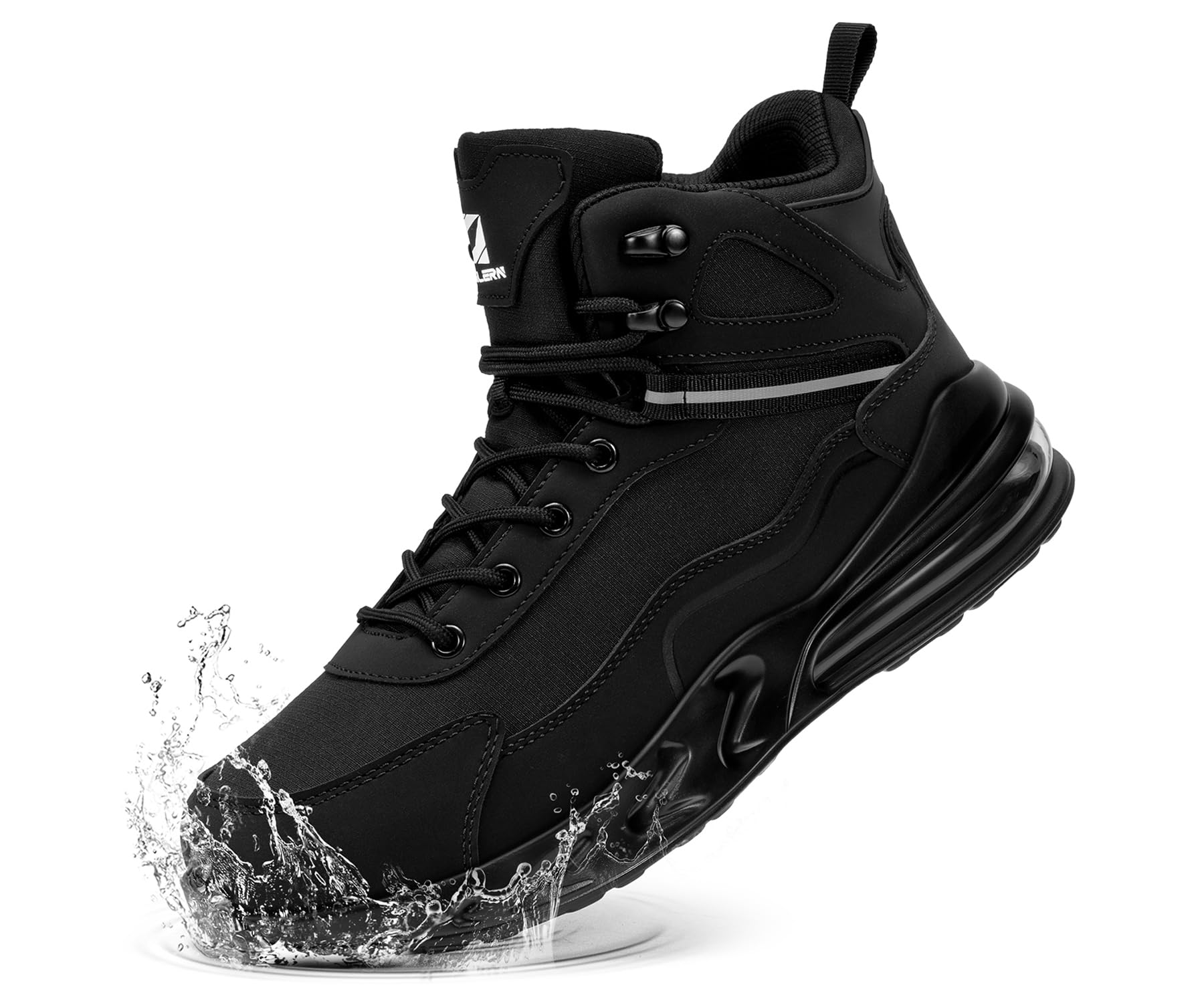
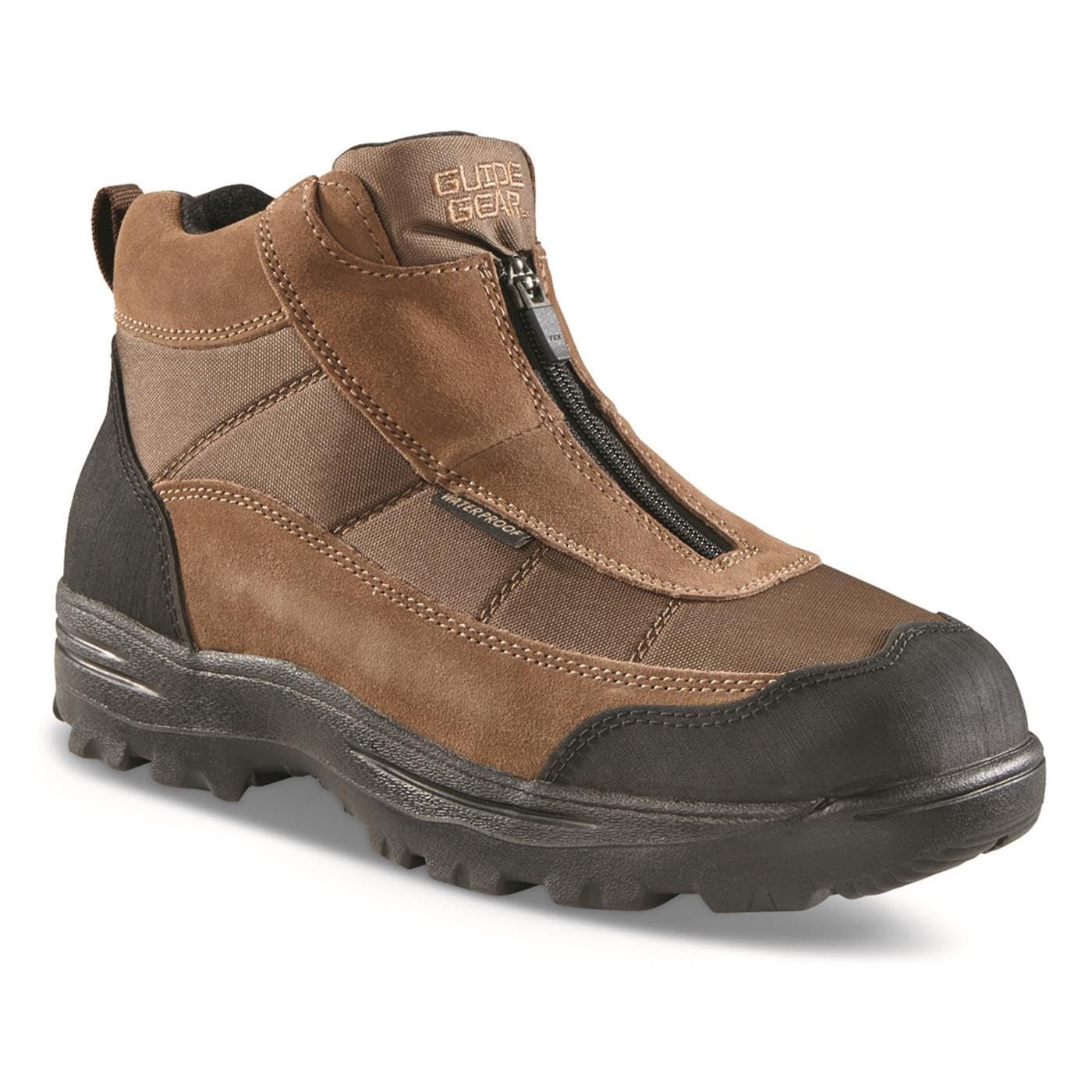
Types of Backpacking Boots for Wide Feet Compared
Backpacking boots fall into broad types that differ in weight, stiffness, drying time and price.
Lightweight Backpacking Boots for Moderate Loads
Lightweight boots use fabric or synthetic uppers, flexible midsoles and a cut that ends above the ankle. They suit packs up to about 30 pounds on maintained trails and trips of one to three nights, and they need little breaking in. Wide versions feel kind on swollen feet late in the day. The tradeoff is less protection on sharp rock and a shorter life under heavy use. Most cost about $140 to $200.
Midweight Backpacking Boots for Mixed Terrain
Midweight boots pair leather or mixed uppers with a firmer shank and deeper lugs. They carry about 30 to 45 pounds well and handle roots, mud and loose climbs with more stability. Wide feet gain support without losing toe room, which helps when a pack pushes you forward on descents. They feel heavier, need a gradual break in, and cost about $180 to $260.
Waterproof Backpacking Boots for Wet and Cold Routes
Waterproof boots add a membrane that keeps rain, puddles and snowmelt from soaking in through the upper. Choose this type for wet forests, muddy seasons and cold routes where dry feet stay warmer. The cost is slower drying once water enters over the collar, plus more warmth on hot days. Width still varies by brand, so the wide label matters as much as the membrane. Most cost about $190 to $280.
Rugged Backpacking Boots for Heavy Loads and Rough Ground
Rugged boots use thick leather, a high cut and a stiff sole built for packs above about 45 pounds, off trail travel, scree and snow. Their firm structure protects wide feet from rock edges and limits sole twist on uneven ground. They are the heaviest type and take the longest to break in. Most cost about $240 to $350.
Lightweight, Midweight, Waterproof or Rugged: Which Type Should You Choose?
Let pack weight decide first. Under about 30 pounds, a lightweight boot gives enough support. Between about 30 and 45 pounds, a midweight boot earns its extra weight through stiffness and grip. Above that range, or on ground with no real trail, rugged boots protect your feet from impacts that softer soles pass through.
Let conditions decide second. Frequent rain, mud or snowmelt favors a waterproof type, while hot and dry routes favor a breathable non waterproof pair that dries overnight.
How to Choose the Right Backpacking Boot for Wide Feet
Shopping for the best backpacking boots for wide feet starts with the last, not the color or the sale price. Readers who want the wider boot picture first can see our guide to the best boots for wide feet.
A True Wide Last and a Roomy Toe Box
A true wide size widens the whole last across the forefoot and midfoot, while a longer regular size only adds length your toes do not need. Look for a stated wide option, a toe box shaped more like a foot than a point, and enough volume for thick trail socks. Your toes should spread naturally under pack weight. If the upper presses on your little toe while the heel already slips, that last is the wrong shape for you.
Fit, Sizing and Heel Hold for Wide Feet
Measure both feet in the afternoon, when they are largest, and try boots wearing your trail socks. Leave about 10 to 15 mm between your longest toe and the front, and check that your heel lifts only slightly on a steep ramp. Do not assume your daily boot size transfers directly, and if you wear wide footwear at work, see our guide to the best work boots for wide feet for how work lasts differ from trail lasts.
Persistent numbness, sharp pain or swelling that does not settle overnight is not a normal part of breaking in a boot. Change your fit or footwear, and talk with your clinician about your personal needs.
Midsole Cushioning, Arch Support, Stability and Drop
The midsole decides how a long descent feels. Softer foam cushions light loads, while firmer dual density foam and a shank keep a heavy pack from bending the boot under your arch. A neutral, evenly cushioned platform suits many wide feet, and stronger arch support helps if your arches ache under load. Heel to toe drop is commonly about 8 to 12 mm, and a lower drop can feel steadier on rock.
Outsole Traction and Lug Depth for Trail Surfaces
Lugs about 4 to 6 mm deep grip mud and loose dirt, while wide lug spacing sheds mud instead of packing smooth. Softer rubber holds better on wet rock but wears sooner on hard trail. Stiffer outsoles protect wide feet on sharp stone, because the sole takes the edge instead of your forefoot.
Upper Materials, Waterproof Membranes and Breathability
Mesh and synthetic uppers feel breathable and dry fast, which suits hot routes where your feet sweat more than the sky soaks them. Leather uppers resist abrasion from rock and brush and usually last longer, though they need more care. A Gore Tex membrane blocks outside water, but it also slows how fast sweat vapor escapes.
Common Mistakes to Avoid
- Buying a regular width in a longer size gives heel slip and toe bang on descents instead of real forefoot room.
- Trying boots in the morning with thin socks hides the swelling that makes a snug fit painful by mile ten.
- Choosing a waterproof boot for a hot and dry route traps heat and sweat that a breathable upper would release.
- Accepting a loose heel because the toe box feels roomy leads to blisters once a pack adds pressure.
- Starting a multi day trip in new boots turns a small pressure point into a trip ending sore.
- Lacing every section equally tight crushes the forefoot while leaving the ankle too loose to support you.
Break In, Lacing and Care Tips for Wide Backpacking Boots
Break in new boots on short walks first, then add your pack and a hill. Use the extra top eyelet to lock your heel, keep laces over your forefoot snug rather than tight, and skip an eyelet over any pinched spot. This pattern holds your heel, the narrow part of your foot, while leaving the wide part free to spread.
After each trip, brush off mud, remove the insoles, and air dry your boots away from direct heat, because heat cracks leather and weakens glues. Condition leather uppers when they look dry, and store boots upright in a cool place. At camp, changing into light camp footwear lets your feet recover and your boots air out, and readers planning that pair can see our guide to the best sandals for wide feet.
Most backpacking boots last about 500 to 1000 miles, depending on terrain, pack weight and upper material. Retire a pair when the midsole feels dead under your heel, because worn cushioning shifts more impact onto your joints with every step.
FAQs About Backpacking Boots for Wide Feet
What features matter most in backpacking boots for wide feet?
A true wide last and a roomy toe box matter most, because they decide whether your forefoot has room under load. One factor many buyers miss is the removable insole. Swapping the insole for a thinner or shaped one fine tunes the volume inside a wide boot, which helps when one foot is larger or your arches need a different profile.
Can I wear backpacking boots for wide feet all day on the trail?
Yes, you can wear backpacking boots for wide feet all day once they are broken in and laced for your foot shape. Build up to full days gradually. A useful habit is a ten minute sock change at lunch, because dry socks reduce friction, let swollen feet cool, and show any hot spot early enough to tape it before it becomes a blister.
How should backpacking boots for wide feet fit on a downhill slope?
Backpacking boots for wide feet should hold your foot back on a downhill slope so your toes never strike the front. Test this in the store by walking down a ramp or kicking the floor. If your toes hit even before a pack adds force, try a different last or a firmer heel lock rather than a thicker sock.
How often should I replace backpacking boots for wide feet?
Replace backpacking boots for wide feet when support and grip fade, not only when the upper tears. Wide feet flex the upper hard at the ball of the foot, so check that crease for cracks, and press both heels to compare midsole firmness. Uneven softness, a leaning heel counter or new aches after familiar walks signal that the boot no longer holds your foot well.
Do I need waterproof backpacking boots for wide feet in summer?
No, you do not need waterproof backpacking boots for wide feet on most summer routes, and breathable boots often feel better in heat. Waterproofing earns its place only where trails stay muddy or crossings are frequent and shallow. Any crossing deeper than the boot collar fills the boot from the top, and a waterproof pair then dries far more slowly than a breathable one.
Final Thoughts
Choose your type by pack weight and conditions, then judge every wide option by its last, toe box, heel hold and tread. A boot that fits in the store still needs a break in period, honest sock testing and a downhill check before a long trip. Use the product table above to compare types, prices and wide size options.
When you find best backpacking boots for wide feet that match your load and your ground, the miles feel shorter and your feet finish the day ready to go again.


