Best Backpack Beach Chairs for 2026: Types Compared and How to Choose
Disclosure: We may earn a commission when you buy through links on this page, at no extra cost to you. As an Amazon Associate I earn from qualifying purchases. Learn more

Compare the best backpack beach chairs by type, carry weight, seat height, and fabric, with typical prices and care tips for an easier walk to the sand.
A beach chair you carry on your back is really two purchases in one: a seat for the sand and a load you haul from the car, down the path, and across soft ground. Shoppers comparing best backpack beach chairs soon find that the types differ less in how they look than in how they carry, how they sit, and how well they survive salt air. This guide compares each type side by side so the trade offs are clear before you spend anything.
We sort the types by carry style and seat height first, then cover price, materials, and care. The comparison table below lines up the main types with their best uses, strengths, limits, and typical prices, and the sections after it explain what those rows mean on a real beach day.



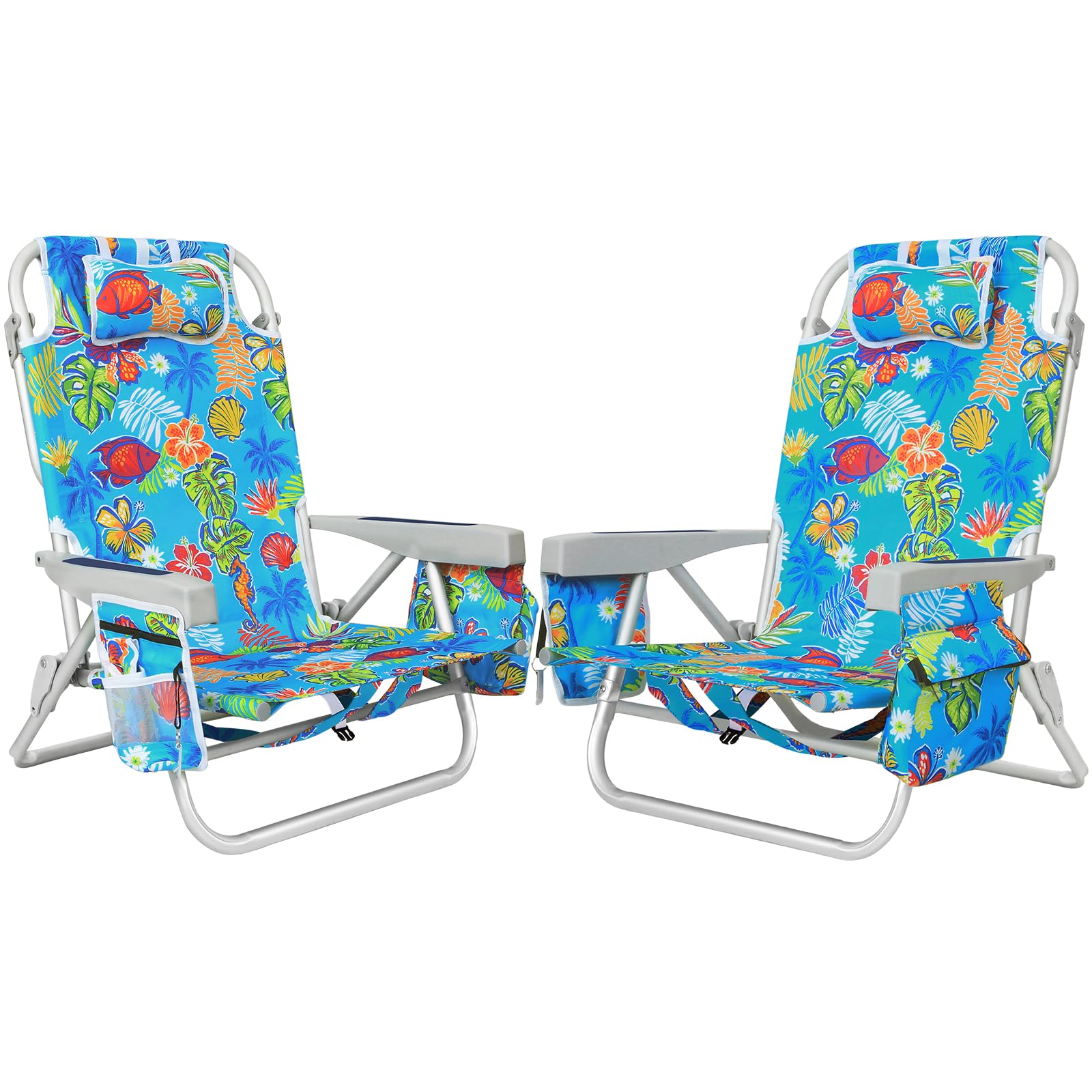

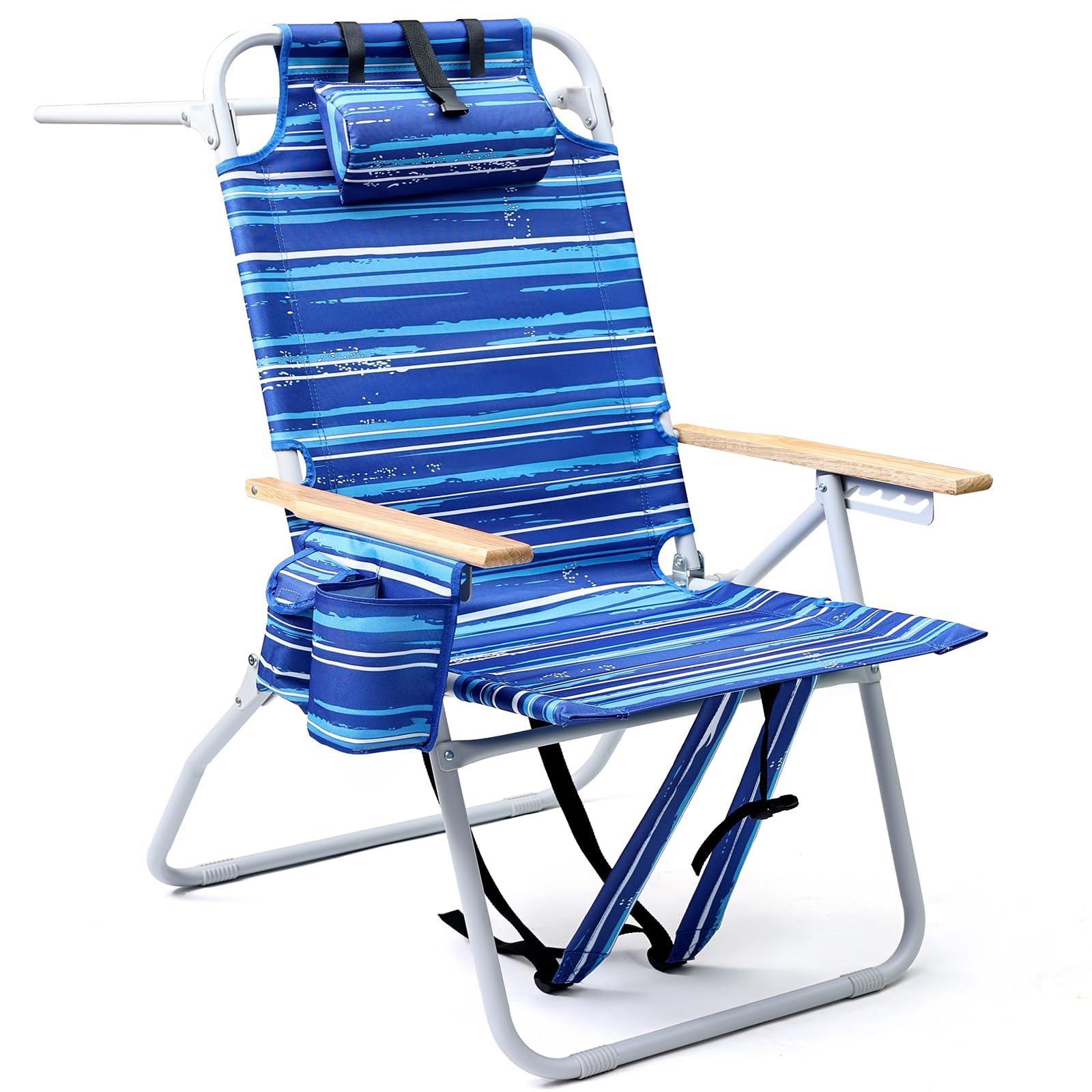
Types of Backpack Beach Chairs Compared
The backpack straps are the product. A chair can recline beautifully and still be the wrong buy if its straps dig into your shoulders or its frame knocks against your legs on the walk in. Start with the walk from the car: a short paved stroll forgives a heavier frame, while a long path over soft sand makes every pound count twice. The distance you actually walk should decide the weight class before anything else does.
Shoppers who only take a few steps from the car may not need straps at all, and our guide to best beach chairs covers those simpler folding seats.
| Type | Best For | Pros | Cons | Typical Price |
|---|---|---|---|---|
| Classic folding with padded straps | Most beachgoers | Balanced weight and comfort; folds flat for the trunk | Storage extras add bulk | about $40 to $80 |
| Reclining lounger type | Long stays and readers | Several back positions; a leg rest on some | Heavier; longer folded shape | about $70 to $130 |
| Compact low profile type | Walkers and bus riders | Lightest carry; small folded size | Sits close to the sand; harder to stand up from | about $30 to $60 |
| High seat type | Taller users and sore knees | Seat well above the sand; easier standing | Bulkier frame; more weight | about $60 to $110 |
Classic Folding Types
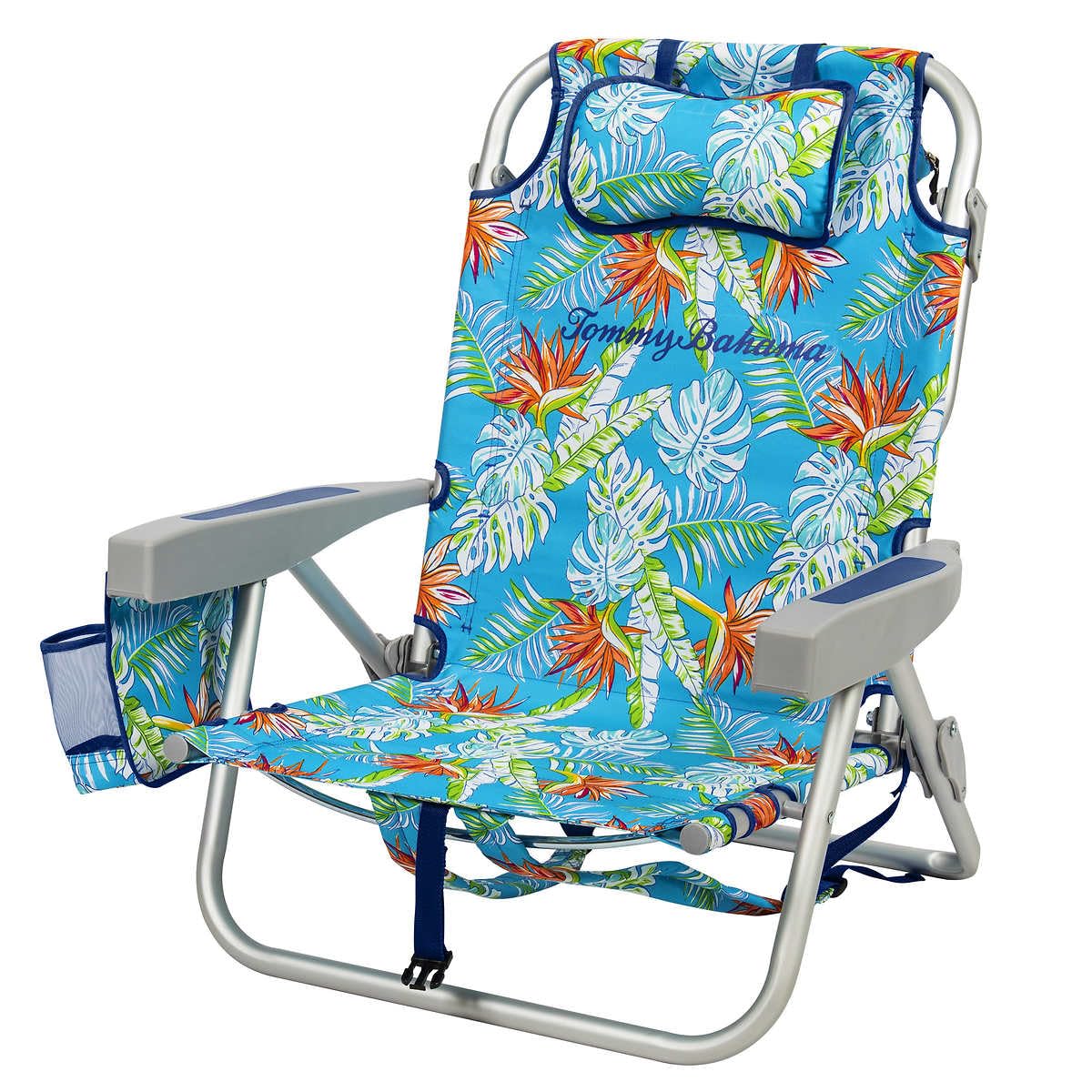
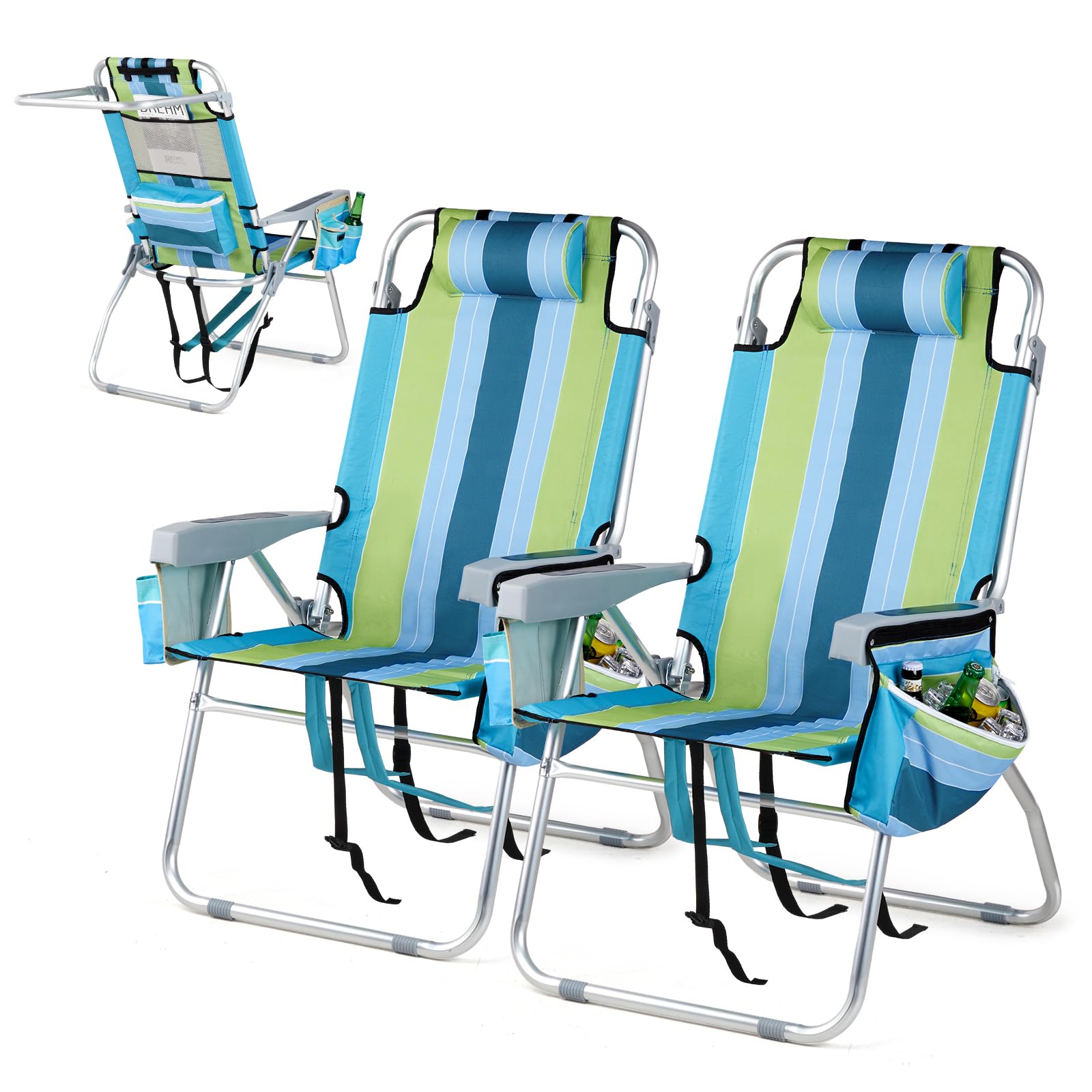
The classic folding type is the chair most people picture: a fabric seat and back on a folding frame, with two padded straps so it rides on your back and leaves both hands free. Most weigh about 7 to 10 pounds, sit about 12 inches off the sand, and fold flat enough to slide into a trunk or lean in a closet. Recline settings are modest, usually three or four positions locked by the armrests.
Choose this type when your beach day is mixed: some sitting, some reading, a walk to the water and back. It is rarely the lightest or the plushest chair on the sand, but it asks the fewest compromises, which is why it suits households that share one or two chairs among several people.
Reclining Lounger Types
Lounger types stretch the classic pattern into something closer to an outdoor recliner. The back drops through more positions, sometimes flat, and some add a leg rest or a face opening for lying on your stomach. The comfort gain is real for long stays, readers, and anyone who naps on the sand. In exchange you carry more: weights of about 10 to 13 pounds are common, and the folded chair is longer, which matters on stairs and crowded trains.
Pick a lounger when you settle in one spot for hours and the walk in is short or paved. If your route crosses deep sand, the extra pounds and length stop feeling like luxury halfway there, and a classic type will serve you better.
Compact and High Seat Types
Compact types shrink everything: a lower seat, a narrower frame, and a folded bundle you can carry through a station or strap to a bike. Weights run about 5 to 7 pounds. The cost of that easy carry is a seat close to the sand, roughly 8 to 10 inches up, which suits flexible sitters and frustrates anyone with stiff knees.
High seat types run the other way. A seat around 15 to 17 inches high lets your feet rest flat and your legs do the standing work, and the frames tend to be wider and sturdier. You pay in bulk and weight, so these chairs fit car based trips where the carry is short but the sitting is long.
Spending More Versus Spending Less: What the Extra Money Buys
The comparison table above shows a price spread from about $30 to $130, and the gap buys specific things rather than a vague sense of quality. At the low end you get a steel frame, basic fabric, thin strap padding, and a short warranty. Steel is strong but heavy, and it rusts once the coating chips, which salt air does quickly.
Higher prices mostly buy an aluminum frame, which cuts weight and shrugs off rust, plus denser fabric, wider padded straps, and smoother recline hardware. Weight capacity also climbs with price, from about 250 pounds on budget frames to about 300 pounds or more on premium ones. Spend more if you walk far, go often, or need the capacity. Spend less if the chair lives at a rental house or only sees the sand a few weekends a year.
How to Choose the Right Backpack Beach Chair
Weight and Strap Comfort
Weigh the chair as you will actually carry it: chair, towel, and a book or two in the pocket. Straps matter as much as pounds. Wide padded straps spread the load, a chest strap keeps them from sliding off narrow shoulders, and a strap that adjusts from both ends centers the chair on your back.
Our separate guide to best beach chairs with backpack straps compares strap designs in more detail. If you walk more than a few hundred yards, treat about 10 pounds loaded as a sensible ceiling.
Seat Height and Getting Up
Seat height is a comfort and standing fact, not a styling choice. A low seat feels relaxed while you sit, but standing up from 9 inches is a squat, and the sand gives way under your feet as you push. A seat at 15 inches or higher lets most adults stand with a short push on the armrests. Match the height to the least flexible person who will use the chair, and remember that soft sand effectively lowers every seat by an inch or so.
Frame and Fabric That Handle Sand and Salt
Sand and salt are the two wear classes that end these chairs early. Sand works into hinges and recline locks and grinds them stiff, while salt corrodes steel and weakens stitching over a season. Aluminum frames and powder coated steel resist that best, and mesh panels dry fast and let sand fall through instead of pooling in the seat. Solid fabrics feel softer at first but hold damp and sand.
Whatever you buy, rinsing and full drying after each trip are part of ownership, not optional extras.
Recline Positions and Back Support
Recline range decides what the chair is for. Two or three positions cover sitting and light reading; five positions, or a back that lies flat, suit long lounging. Look for a lock that holds the back firmly at each stop, because a back that creeps backward under your weight wears out your patience and the hardware. A small lumbar cushion or a mesh back with some give supports the lower back on long sits, and a headrest pillow matters more than most buyers expect once the sun moves and they settle in.
Warranty and Returns
Frame coverage is the warranty term worth reading. Better chairs cover the frame for a year or longer and the fabric for a shorter stretch, and the fine print often excludes rust, which is exactly what beach use produces. Buy from a seller whose return window covers your first trip, then try the chair at home: fold it, carry it around the block, and sit in it on grass. A chair that pinches or wobbles on day one will not improve on sand.
Best Backpack Beach Chairs for Specific Needs
Within the carry to the sand class, readers who want a higher seat and steady arms for support can also compare best beach chairs for seniors, which sorts similar types by seat height and stability.
Best Lightweight Backpack Beach Chairs: Which Type Works Best
Lightweight here means a chair you forget is on your back: about 5 to 7 pounds, an aluminum frame, and a mesh or thin fabric seat. The compact low profile type wins this class, with classic folding types close behind when they use aluminum. You give up recline range, seat height, and storage pockets, and capacity usually drops toward 225 to 250 pounds. Choose light when the walk is the hard part of your beach day, and accept a simpler sit at the end of it.
Setup and Care Tips
Shake the chair out before folding it, and brush sand from the hinges and recline locks, because packed sand grinds the moving parts every time you fold. Rinse the whole chair with fresh water after beach days, especially the frame joints, then open it fully and let it dry in the shade before storing; a chair put away damp grows mildew in the fabric and rust at the bolt points. Check strap stitching each season, since the straps carry the full load and a torn strap ends the chair's carrying life. Store it indoors or under cover, out of direct sun, which weakens fabric faster than use does.
Frequently Asked Questions
How much should a backpack beach chair weigh?
For most adults, a chair between about 6 and 10 pounds carries comfortably for a walk of several hundred yards. Judge the loaded weight, not the bare chair: a towel, a book, and a water bottle in the pockets can add 2 to 3 pounds. If children or a cooler also travel with you, stay near the light end of the range, because the chair is only one part of the total load on your back and arms.
How do I choose the right size backpack beach chair?
Match the chair to your body first: seat width, seat height, and the stated weight capacity. A capacity figure should clear your weight with room to spare, since sitting down hard adds force beyond your standing weight. Wider seats, around 20 inches or more, suit broader frames and stop the frame rails from pressing into your thighs. If two very different sized people will share the chair, size it for the larger person and accept a roomier fit for the other.
Are low backpack beach chairs harder to get up from?
Yes, a low seat is the hardest style to leave, and it is harder on sand than in a store. In a shop you push off a firm floor; on the beach your feet sink as you rise, which adds inches to the climb. Firm armrests you can press straight down on help a great deal. Anyone with knee or hip trouble should try a high seat type at home before committing to a low profile chair.
Is an expensive backpack beach chair worth it?
It can be, if you go often enough to spread the cost across many seasons. A chair at about $100 that lasts five summers costs less per trip than a $40 chair replaced every second summer, and the better chair also carries lighter and resists rust. The math flips for rare beachgoers and rental houses, where a basic chair that gets lost or left behind is no real loss. Count your beach days per year before deciding which side of that line you are on.
How long should a good backpack beach chair last?
A well kept chair should last about four to six seasons of regular use. The strap stitching and the fabric at the frame corners usually wear out before the frame itself, so inspect those spots each spring. Fading alone is cosmetic, but fabric that feels thin or crackly has lost its strength and can tear under load. Rinsing, drying, and indoor storage are the habits that decide whether a chair reaches the long end of that range.
The Bottom Line
Choose by the walk first, the seat second, and the extras last. The best backpack beach chairs for you are the ones whose weight class matches your route, whose seat height matches your knees, and whose frame and fabric can shrug off sand and salt. Settle those three points, check them against the product table above, and the price bands will narrow to a chair you will still be glad to carry in five summers.