
Best All Mountain Snowboard Boots: A First Time Buyer's Guide for 2026
Disclosure: We may earn a commission when you buy through links on this page, at no extra cost to you. As an Amazon Associate I earn from qualifying purchases. Learn more

Best all mountain snowboard boots made simple for beginners: flex, fit, lacing, and warmth explained, plus the rookie mistakes to avoid.
If you are shopping for best all mountain snowboard boots for the first time, the jargon can feel like a barrier, but the buying decision itself is simple. An all mountain snowboard boot is a soft boot that balances comfort for long days with enough support to steer the board through groomed runs, chopped snow, and mellow off piste terrain. The product table gives a quick overview, while this guide explains every term in plain English so you can choose with confidence.
You do not need to understand every technical detail to buy well. Focus on fit first, then flex, then lacing, and let warmth and extras follow. By the end of this guide you will know what to try on, what questions to ask, and which mistakes first time buyers most often make.
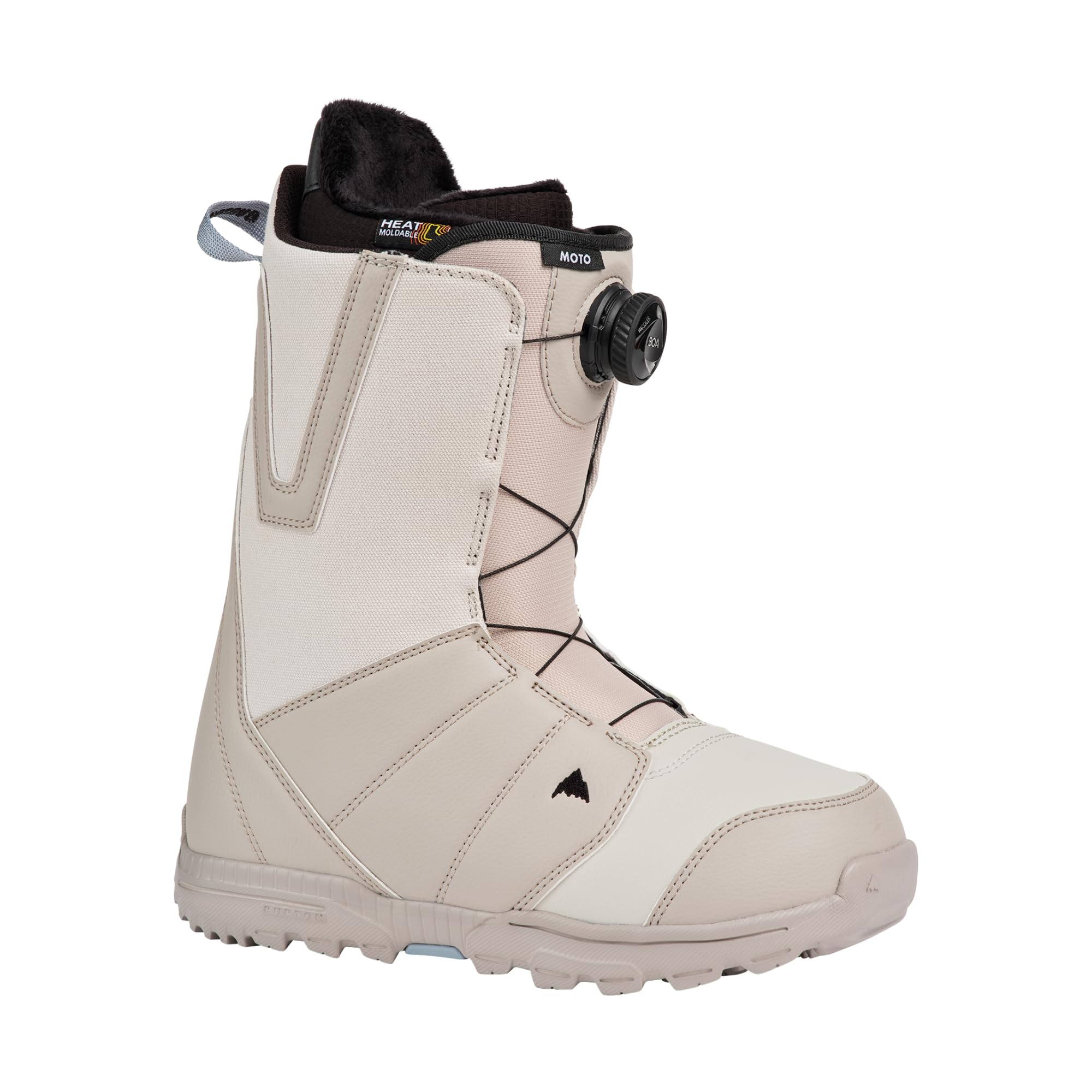

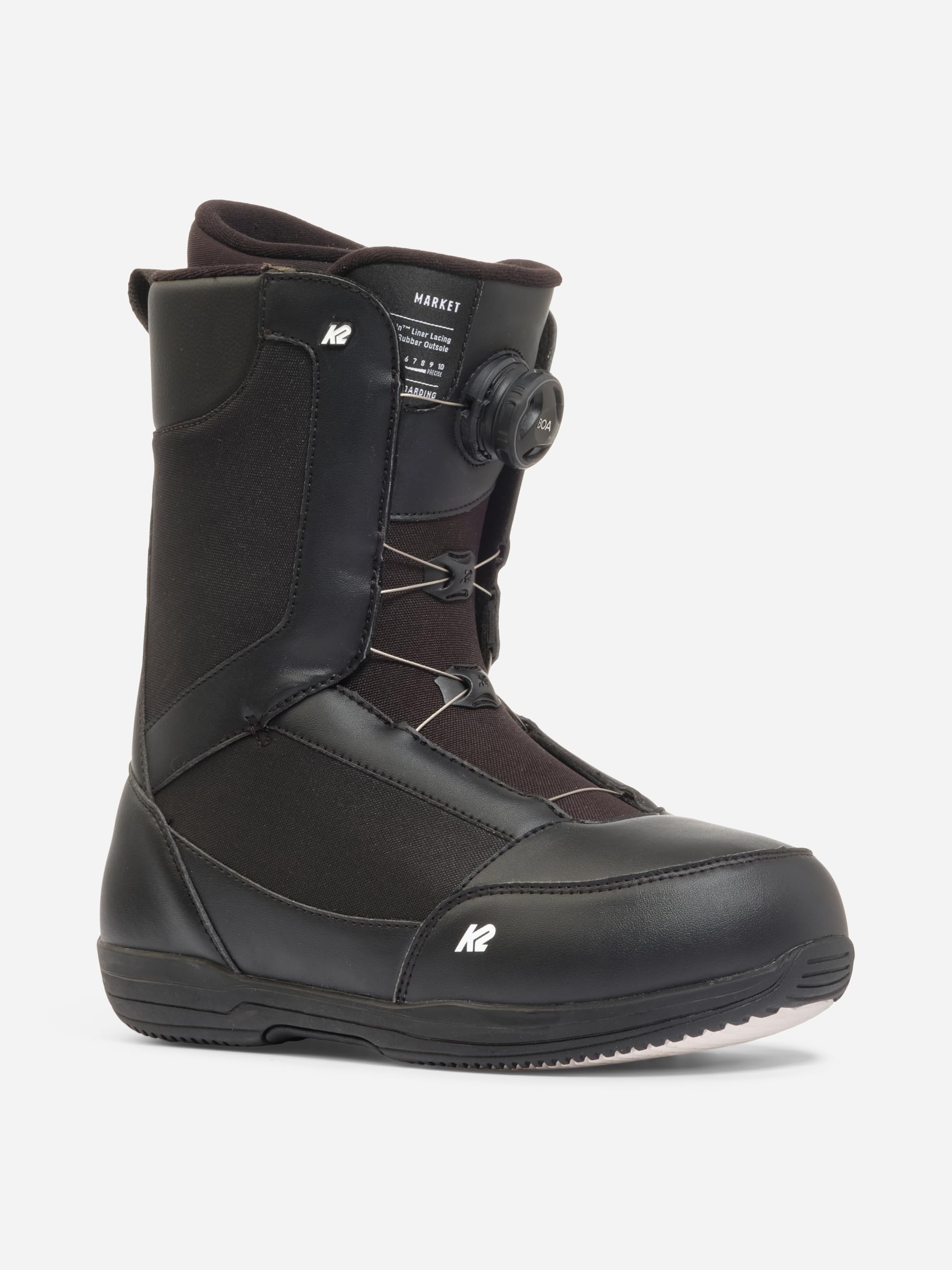
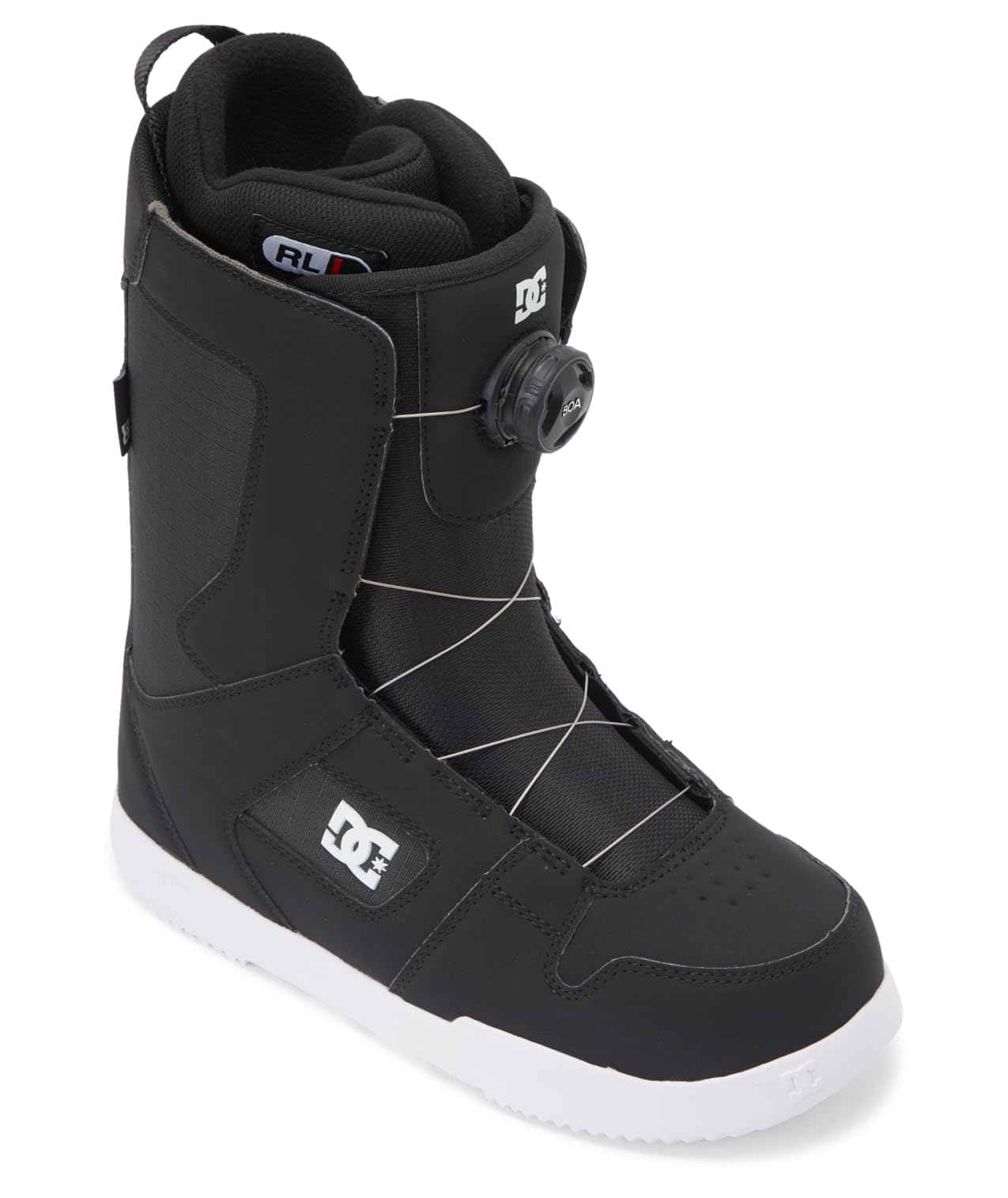

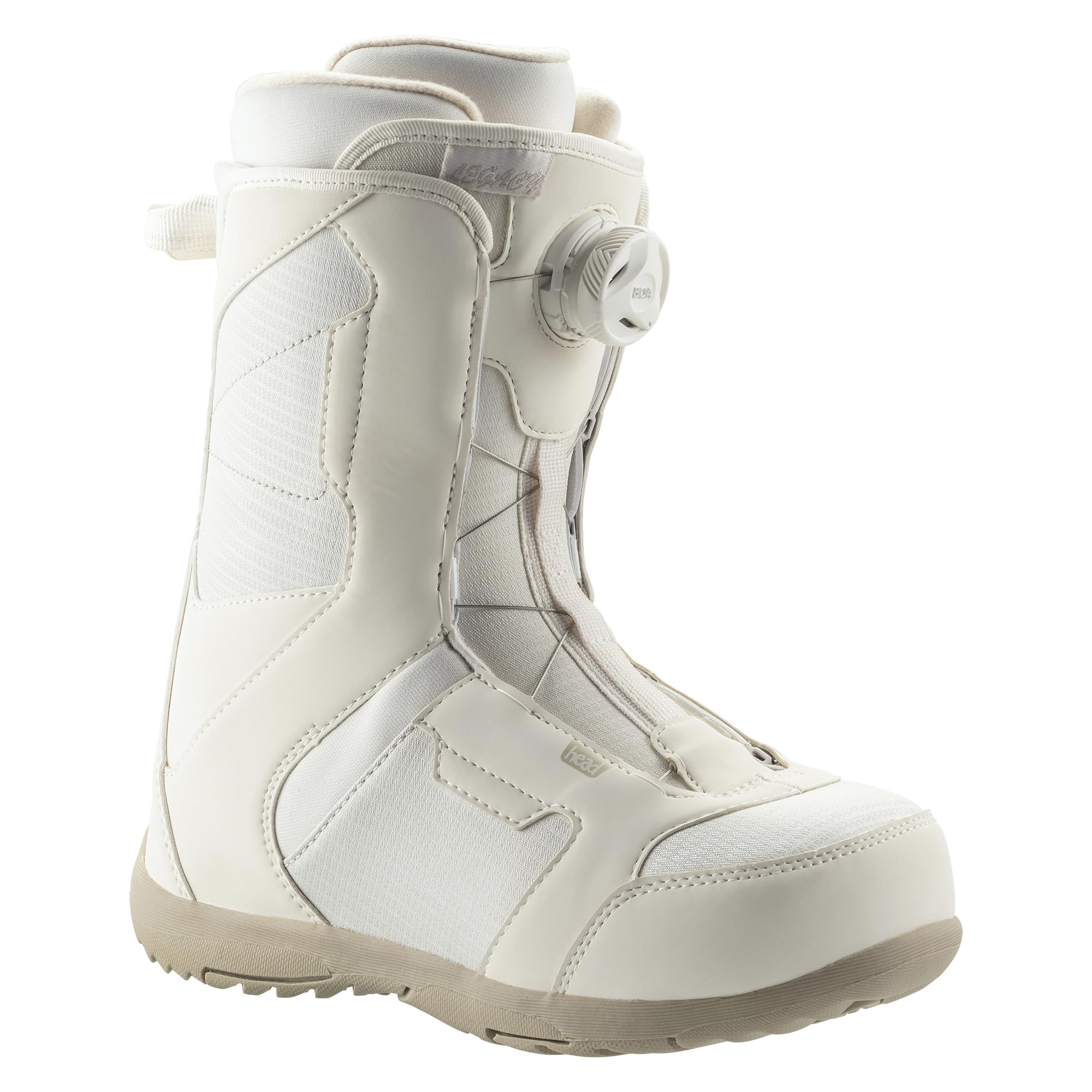
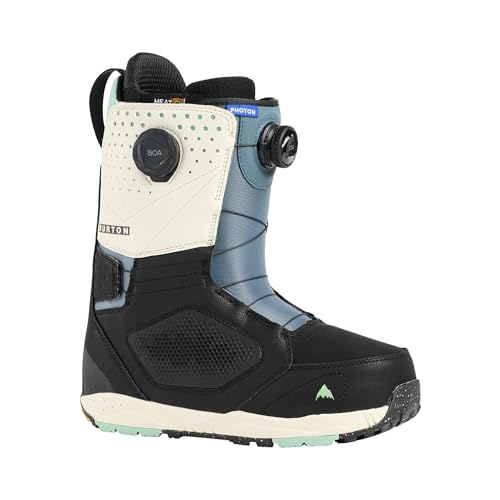

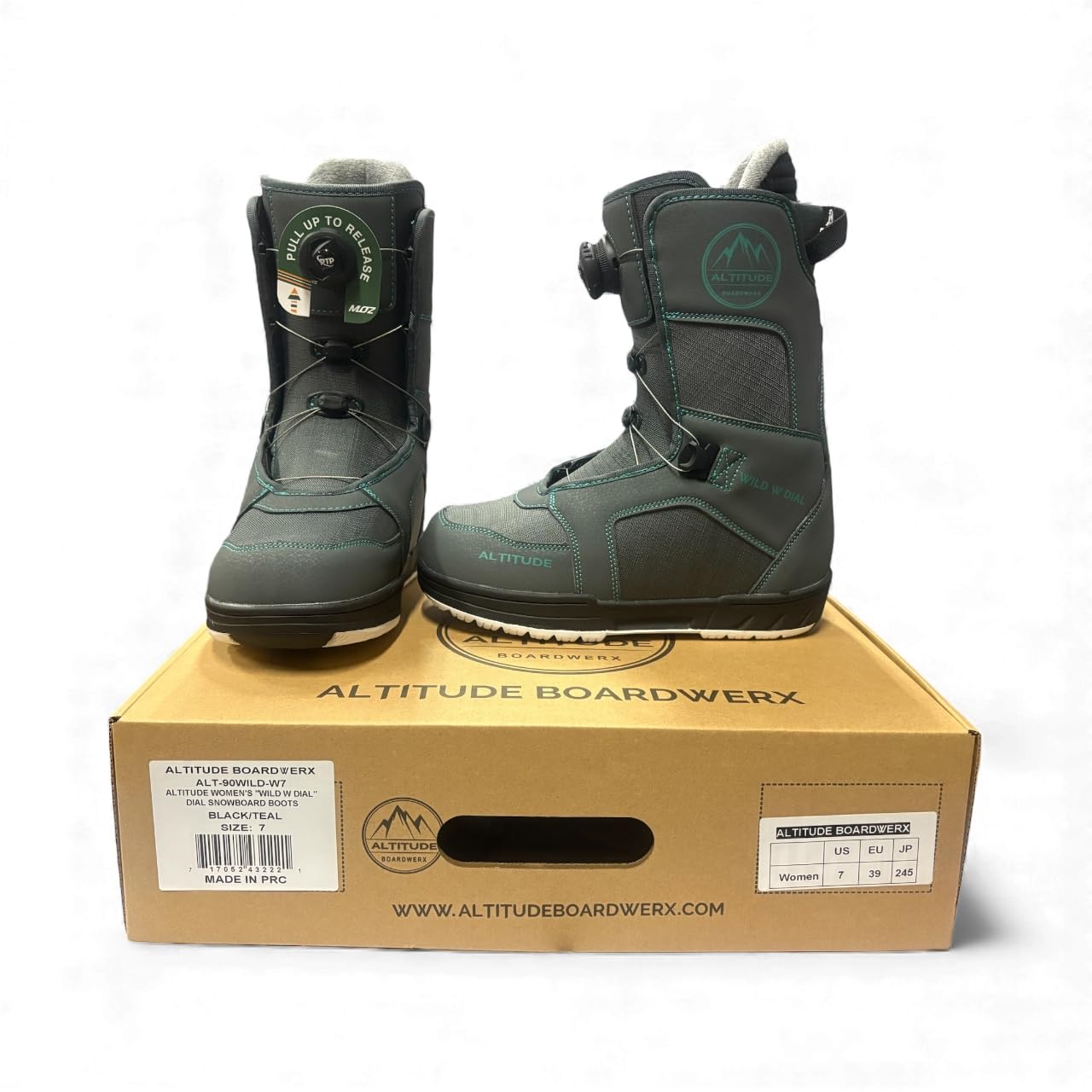
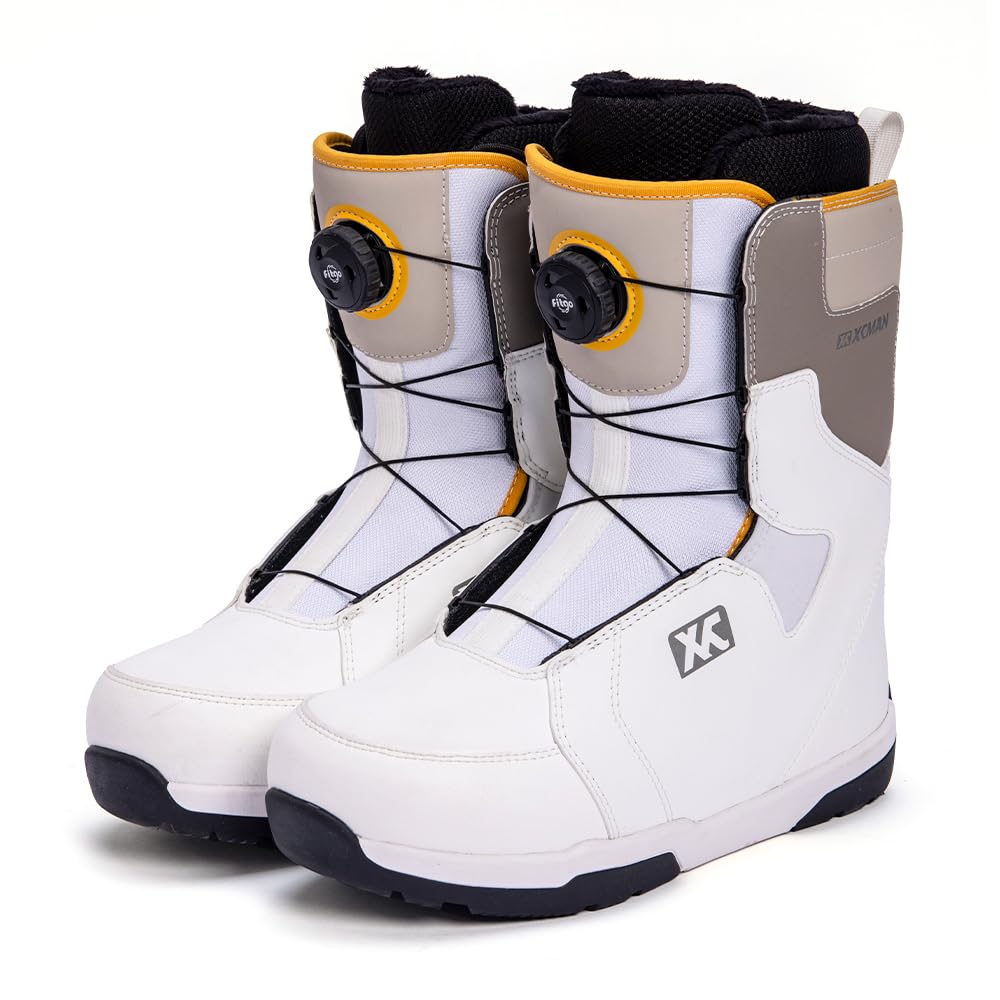
Best All Mountain Snowboard Boots 101: The Basics
A snowboard boot has three main parts: an outer shell that takes the wear and tear, an inner liner that cushions your foot, and a lacing system that pulls the whole boot snug. Unlike ski boots, which use a hard plastic shell, snowboard boots flex at the ankle, which makes walking easier and gives a more natural feel on the board. All mountain boots sit in the middle of the flex range: softer than freeride boots built for steep terrain, and stiffer than park boots built for tricks and jibbing.
Your boot works together with your bindings, which strap over the boot to connect you to the board. That means boot size and binding size must match, and a boot that is too bulky can make binding straps hard to close. When you try boots on, wear the socks you plan to ride in, and stand in a riding stance with knees bent, since a boot that feels fine standing straight may feel different once you flex forward.
Key Specs Explained in Plain English
The specs below are the ones that actually change how a boot feels on snow. Each one is explained simply, with a plain recommendation for a first time buyer.
Skill Level and Intended Use
As a first time buyer, you are almost certainly best served by a soft to medium flex boot, since it forgives small balance mistakes and lets you learn edge changes without fighting the equipment. Intermediate riders who link turns confidently and ride varied terrain also suit this flex range, which is exactly why all mountain boots are popular. Advanced riders who charge steep terrain may want a stiffer boot, but that stiffness only helps once your technique is consistent, so do not buy stiffness you cannot yet use.
Flex and Feel
Flex is a simple idea: how easily the boot bends forward at the ankle. Soft boots, often scored from 1 to 4 on a ten point scale, feel comfortable and forgiving but give less support at speed. Medium boots, scored about 4 to 6, give a balance of comfort and control that suits most all mountain riding. A boot that feels soft in a warm shop will feel a little firmer in cold weather, so try boots on after walking around the shop for a few minutes rather than judging them in the first thirty seconds.
Fit and Lacing Systems
Fit starts with length: your toes should just touch the end of the liner when standing upright, then pull back slightly when you bend your knees into a riding stance. Width matters too, since a narrow foot slides inside a wide boot and a wide foot gets pinched in a narrow one. Lacing systems come in three main styles: traditional laces, which are cheap and easy to replace; single or dual zone Boa dials, which tighten quickly with a twist and release with a pull; and speed lace systems, which use handles and locking cleats. Boa dials are convenient, but traditional laces let you adjust the upper and lower zones independently at no extra cost.
Soles and Traction
The outsole is the rubber bottom of the boot, and its tread pattern decides how much grip you get walking on icy car parks, lodge steps, and snowy paths. Deeper lugs grip better in soft snow, while a flatter, denser tread lasts longer on hard surfaces. Some soles add cushioning foam that absorbs small impacts from landings and choppy snow, which tired feet will appreciate by the afternoon. Check that the sole is not so thick that it makes your binding straps hard to close, since that is a sign the boot and binding sizes are mismatched.
Warmth and Liners
Warmth comes mainly from the liner, which is the removable inner boot that wraps your foot. Thicker liners with fleece or foam insulation stay warmer, but they also take longer to dry, so remove them after each day and let them air dry fully. Some liners are heat moldable, which means a shop can warm them and shape them to your foot for a closer fit, and this is worth considering if your feet are hard to fit. If your feet run cold, choose a slightly roomier boot with room for a thicker sock rather than sizing down, since tight boots restrict blood flow and actually feel colder.
Value and Included Accessories
At about $150 to $250, you get a comfortable soft boot with a basic liner and a simple lacing system, which is plenty for learning. At about $250 to $400, you usually gain a heat moldable liner, a better lacing system, and improved sole grip, which suits riders who go out regularly. Above about $400, you pay for lighter materials and finer adjustment, which matters more to experienced riders than to beginners. Useful extras include a boot bag, a spare set of laces, and a boot dryer, but none of these should decide the purchase if the fit is wrong.
Rookie Mistakes to Avoid
First time buyers tend to make the same handful of mistakes. Avoiding them will save you money and sore feet.
- Buying your street shoe size without measuring: snowboard boots fit differently, so measure both feet and try the size that matches the longer foot.
- Choosing boots that feel roomy in the shop: liners pack out with use, so a boot that starts loose only gets looser.
- Ignoring the binding match: a boot that is too wide or tall for your bindings makes straps hard to close and control vague.
- Skipping the riding stance test: always bend your knees and lean forward in the shop, since standing straight hides heel lift.
- Buying the stiffest boot you can afford: stiffness you cannot flex properly throws you off balance and slows learning.
Getting Started: First Days on Snow
When your boots arrive, wear them around the house for short periods with your riding socks on, tightening and loosening the laces until the fit feels even. If you chose a heat moldable liner, have a shop mold it rather than trying to heat it at home, since uneven heating can distort the foam. On your first day, tighten the boots snugly but not painfully, and retighten after the first run, since liners settle once they warm up.
After each day, remove the liners, let them air dry away from direct heat, and store the boots upright with the tongues open so air can circulate. Check the laces, Boa dials, and soles for wear before each trip, and ask your doctor about persistent foot pain, numbness, or weakness that does not improve with a fit adjustment.
Women specific and men specific shapes differ mainly in calf height, heel width, and flex, so if a standard shape pinches your calf or slips at the heel, compare our guides to best women's all mountain snowboard boots and best men's all mountain snowboard boots. Riders who also ride freestyle terrain may want to compare best all mountain freestyle snowboard boots, while a broader look at men focused options is in our guide to best men's snowboard boots. If style matters to you as well as fit, our guide to best looking snowboard boots covers appearance without sacrificing the fit advice here.
All Mountain Snowboard Boots: Your Questions Answered
Does indoor versus outdoor storage matter for snowboard boots?
Yes, storage conditions matter because damp, heat, and sun all age liners and shells faster than cool, dry indoor storage does. Keep boots inside with liners removed to dry after each day, and store them upright with tongues open so air circulates. A damp garage or a hot car boot in summer is a poor choice, and never dry liners on a radiator, since concentrated heat can warp foam and shrink the fit.
What size snowboard boot should I get as a first time buyer?
Start with your measured foot length in centimeters and try the size that matches it, rather than assuming your street shoe size carries over. Your toes should brush the end of the liner standing upright and pull back when you bend into a riding stance, which confirms the heel is seated. If your feet differ in size, fit the larger foot, and use a thicker sock or an aftermarket footbed to fine tune the smaller side.
How long do all mountain snowboard boots last?
Most recreational riders get about 80 to 120 days on snow from a pair before the liner packs out and support softens noticeably, though the range varies with weight, riding style, and care. Signs of wear include heel lift during turns, laces or dials that no longer hold tension, and a liner that feels thin at the ankle. Replacing a worn liner can extend life, but a torn shell or a worn out sole means it is time for a new pair.
Is it worth buying a premium snowboard boot as a beginner?
Usually not, since premium boots often use a stiffer flex and a tighter fit that can hinder learning, and their extra features only pay off once your technique is consistent. A mid range boot with a good liner and a reliable lacing system gives most beginners room to progress without fighting the equipment. Spend the saving on lessons or a professional fitting, which will improve your riding more than a stiffer boot will.
Can I wear all mountain snowboard boots for other winter sports?
No, snowboard boots are made for snowboard bindings and will not work safely with ski bindings, which need a hard shell and a standardized sole. They are also too soft and bulky for ice skating or winter hiking, where ankle support and sole grip follow different designs. Keep snowboard boots for snowboarding, and follow local slope rules, including wearing a helmet and staying in control, on every run.
Final Thoughts
For a first purchase, the order of decisions is simple: get the size and width right, choose a soft to medium flex you can bend easily, pick a lacing system you find easy to adjust, and then check warmth and price. Use the product table above to compare the options that pass those checks, and try boots on in person with your riding socks whenever you can. When you find best all mountain snowboard boots that fit snugly, flex naturally, and keep your feet warm, you have found a pair that will make learning far more enjoyable.


