
Best Basic Running Watches: A Buyer Checklist for 2026
Disclosure: We may earn a commission when you buy through links on this page, at no extra cost to you. As an Amazon Associate I earn from qualifying purchases. Learn more

Use this checklist to choose basic running watches with confidence, covering GPS accuracy, splits, battery life, fit, durability, and value.
A basic running watch has one job: record your runs accurately and get out of the way. This guide applies a fixed checklist to every candidate for best basic running watches, covering GPS quality, battery life, fit, durability, and ease of use. The product table above lists current options, and the criteria that follow show you how to judge them without needing a degree in wearable tech.
The market mixes simple GPS watches, full smartwatches, and classic sport watches that only time your splits. They are not interchangeable, and the cheapest option often omits the one feature you actually wanted. The checklist below keeps the differences clear so your money lands on the right wrist.


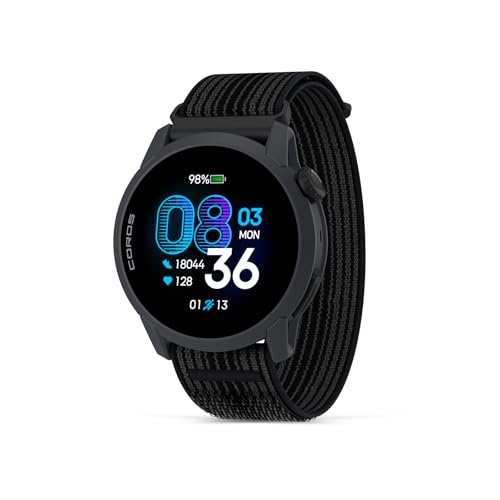

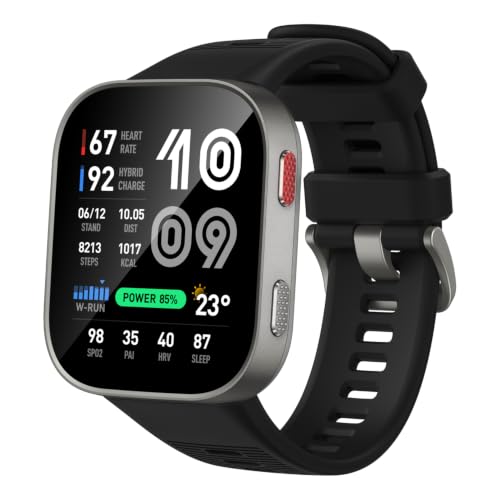


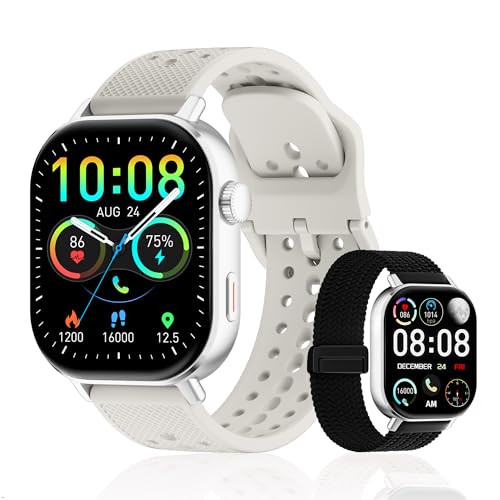
How to Evaluate Basic Running Watches
Watch Type (GPS, Smart, or Classic Sport)
Running watches come in three broad types. Classic quartz sport watches use a battery and a stopwatch, and they are cheap, tough, and simple, but they record no GPS distance. Smartwatches add notifications, apps, and a bright screen, with GPS and heart rate on most models. Dedicated GPS running watches focus on distance, pace, and training data with longer battery life. For training data, choose built in GPS; for basic timing on a tight budget, a quartz sport watch is honestly enough.
Smart and Fitness Features
Judge features by your training, not by the longest menu. Built in GPS is the core feature, and better models lock onto satellites faster and hold a cleaner line on tree covered routes. Wrist heart rate helps you pace easy days, though a chest strap still reads more steadily in cold weather. Look for lap and split timing, interval workouts, and syncing with your running app. Treat health extras as bonuses, not medical tools: a watch can show trends, but it does not replace a doctor, and you should talk with a clinician about worrying readings or new exercise plans if you have a heart condition.
Strap and Bracelet Options
Silicone is the default running strap for good reason: it shrugs off sweat and rain, rinses clean, and stays put at speed. Perforated designs breathe better on long summer runs. Nylon straps feel soft and adjust finely, though they dry slowly after a soaking. Metal bracelets and leather belong on classic watches, not training watches, since they slip, weigh more, and suffer in sweat. Quick release pins let you swap a worn strap in seconds without tools, and a spare strap costs little.
Case Size and Wrist Fit
Fit affects accuracy as well as comfort, because a loose watch gives shaky heart rate readings. Most running watches span about 38 to 47 mm across the case. Smaller wrists usually suit 38 to 42 mm, while larger wrists can carry 44 mm and up. Thickness matters too: slimmer cases sit better under cuffs. The lug to lug length, the full span from strap end to strap end, is the real wearability number, so compare it with your wrist width. Buttons should be pressable with gloves in winter.
Brand Reputation, Warranty, and Value
Established sports watch makers earn their place through software support: app updates and bug fixes that continue for years. Check the warranty length, with two years a reasonable baseline, and confirm service is available in the US. Value is not the lowest price; it is accuracy and support per dollar over the years you will wear it. A watch abandoned by its app after one season is expensive at any price.
Crystal and Case Materials
The crystal protects the face you read at a glance mid run. Sapphire crystal resists scratches best and appears on premium models, while mineral glass is common and adequate at basic prices, and plastic crystals scratch easily but absorb knocks without cracking. Cases in resin or polymer keep weight low and survive drops that would dent metal. Steel and titanium feel premium, but add grams you notice on long runs. For a basic trainer, a polymer case with a mineral or sapphire crystal balances weight, strength, and price.
Three Profiles That Pass the Checklist
Use these profiles to sort the product table above instead of chasing specific model names, which change with every season. A watch matching a profile on GPS, battery, and fit will serve you well.
The Well Rounded Profile
The well rounded profile, usually around $200 to $300, pairs reliable GPS with wrist heart rate, at least a week of battery life in normal use, and water resistance fit for pool sessions. It offers interval workouts, clear splits, and a screen you can read at a glance in bright sun. This profile suits runners training three to five days a week, including a weekly long run. Its limit is advanced coaching and music features, which sit in higher tiers you may never miss.
The Value Profile
The value profile, usually around $100 to $200, keeps GPS, pace, distance, and lap timing, and trims coaching extras, onboard music, and premium materials. Battery life is often excellent precisely because the feature list is short, sometimes reaching two weeks between charges. Screens may be simpler and cases fully plastic, yet accuracy can match pricier watches closely. This profile suits beginners and steady recreational runners. Its limit appears if you later want structured training plans on the wrist itself.
The Heavy Use Profile
The heavy use profile, usually around $250 to $400, is built for daily training in rough weather: a sapphire or toughened crystal, a reinforced case, strong water resistance, and buttons that work with wet or gloved hands. Battery life stretches to cover ultramarathon training weeks, and the strap uses standard quick release pins for fast swaps. This profile suits high mileage and trail runners whose watches take weekly knocks. Its limit is size and price, since durability adds bulk. Your footwear matters just as much, so pair a solid watch with our guide to the best running shoes.
Quick Buyer Checklist
- Does it have built in GPS, or does it borrow location from your phone?
- Will the battery last through your longest training week?
- Does the case size match your wrist without sliding?
- Can you record and review lap splits easily?
- Is it water resistant enough for rain and pool use?
- Does it sync with the running app you already use?
- Are replacement straps standard and easy to find?
- Is the warranty at least two years with US service?
Red Flags to Watch For
- Connected GPS only. Listings that imply GPS but require your phone leave you without data when you run phone free.
- Vague battery claims. A single hours figure with no mode stated, such as GPS mode versus standby, hides weak endurance.
- No water resistance rating. A watch sold for sport should state a clear rating, not just splash proof language.
- Abandoned apps. If the companion app has not been updated in a long time, syncing problems usually follow.
- Very short warranty. Under a year of coverage on an electronic device signals low maker confidence.
Shoppers who want a simpler timepiece for everyday wear can also see our guide to the best basic watches for non GPS options.
Picking the Right Basic Running Watches for Different Uses
Best Basic Running Watches with Music
For music on the run, three extra criteria appear. First, the watch needs onboard storage and Bluetooth pairing with earbuds, so you can leave your phone at home. Second, check which music services it supports, because some watches only play files you load yourself. Third, expect shorter battery life: GPS plus music drains a charge far faster than GPS alone, so confirm the watch still covers your longest run with both running. Runners focused on style alongside function can compare our guide to the best looking running watches.
Best Basic Running Watches with Splits
For split timing, focus on the controls. You need a physical lap button you can find by feel, auto lap alerts at each mile or kilometer, and a data screen that shows last lap pace large enough to read at speed. Post run, the app should graph your splits so you can spot fading or surging. Track and interval runners benefit most, and a simple quartz stopwatch can even cover pure split timing if GPS distance is not required. Brand loyal shoppers can narrow the field with our guide to the best garmin running watches.
How to Make Your Basic Running Watch Last Longer
Rinse the watch after saltwater exposure and after sweaty runs, then dry it fully before charging, since moisture in the contacts speeds corrosion. Store it away from magnets and strong heat. Straps wear fastest, so rotate or replace them yearly. A GPS watch mainly needs software updates and, years later, a new battery when runtime fades.
Running Watch FAQs
What case size fits my wrist?
Measure your wrist width where the watch sits and compare it with the lug to lug length, not just the case diameter. If the watch span overhangs your wrist, it will feel clumsy and may read heart rate poorly. As a guide, wrists under about 6.5 inches around usually prefer 38 to 42 mm cases, while larger wrists handle 44 mm and above. When between sizes, runners often prefer the smaller case for training comfort. Shoppers comparing women specific fits can see our guide to the best women's running watches.
How water resistant should a running watch be?
Choose at least 5 ATM, which handles rain, showers, and pool swimming. Ratings of 3 ATM mean splash resistance only and are risky in heavy rain over months of use. Higher ratings like 10 ATM add diving headroom runners rarely need. Remember that ratings assume gentle water contact, and pressing buttons underwater can let moisture in, so treat even a strong rating with some care around hot tubs and steam.
Is a smartwatch worth it over a classic watch?
For training, yes, because a classic watch cannot record GPS distance, pace, or heart rate. A GPS watch turns each run into data you can learn from, which helps pacing and motivation. The trade offs are charging every few days or weeks and a screen that demands more attention. If you only time simple outings and prefer years of battery life, a classic quartz sport watch still does that job well.
How long does a running watch battery last?
It depends on type. GPS watches typically run about 20 to 40 hours in GPS mode and one to two weeks in everyday smartwatch mode, less with music playing. Quartz sport watches run one to two years on a coin cell. Expect capacity to fade gradually after a few years, which is normal for rechargeable cells and a common reason runners upgrade.
Do I need a heart rate sensor on my wrist?
It helps, but it is not required. Wrist heart rate is handy for pacing easy days and watching effort trends, and most basic GPS watches include it. A chest strap reads more steadily in cold weather and during hard intervals, and many watches pair with one. If you train by pace and feel, a watch without heart rate can still do the job at a lower price.
Final Checks
Rank your needs in this order: GPS accuracy, battery life for your longest week, then fit. A watch that nails those three and syncs with your app will quietly improve your training, while extra features you never open add only cost. Compare your shortlist with the product table above, and choose the best basic running watches option that disappears on your wrist and shows up in your logbook after every run.


