
Best Basic Mountain Bike: A Buyer Checklist for 2026
Disclosure: We may earn a commission when you buy through links on this page, at no extra cost to you. As an Amazon Associate I earn from qualifying purchases. Learn more

Use this checklist to choose the best basic mountain bike, covering frame fit, brakes, gearing, wheel size, and what each budget level delivers.
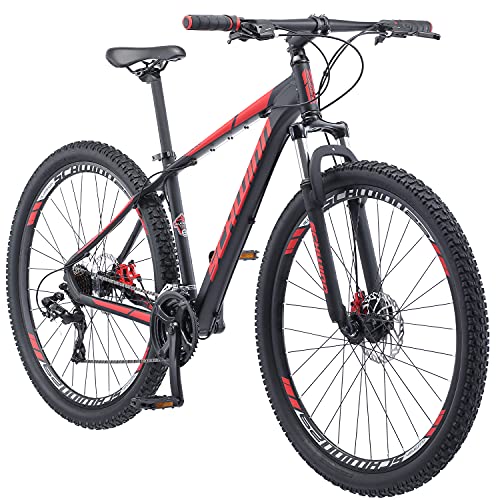
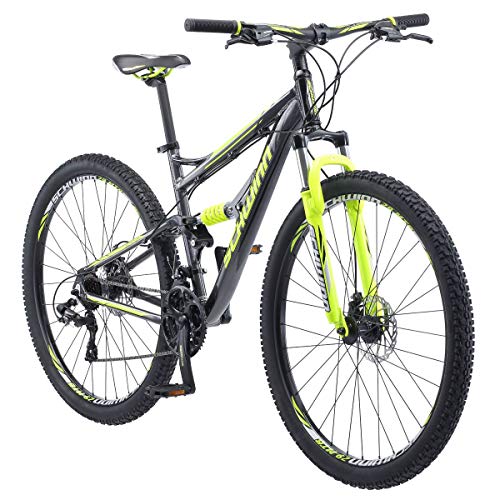
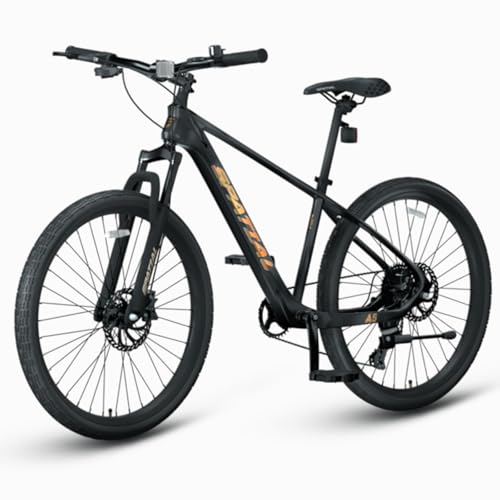
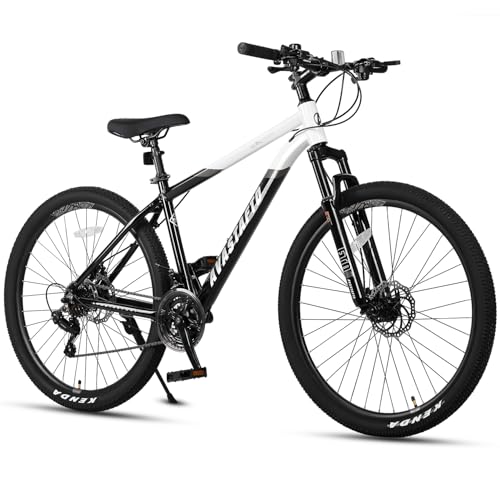
A basic mountain bike should get you onto real trails without draining your savings or needing a workshop in your garage. This guide uses a fixed checklist to judge every best basic mountain bike candidate the same way: fit first, then brakes, gearing, frame, and upgrade potential. The product table above shows current options, and the criteria that follow explain how to read it with a critical eye.
Price alone tells you very little in this category. Two bikes at the same price can differ enormously in brake power, gear range, and whether worn parts can be replaced with standard components.




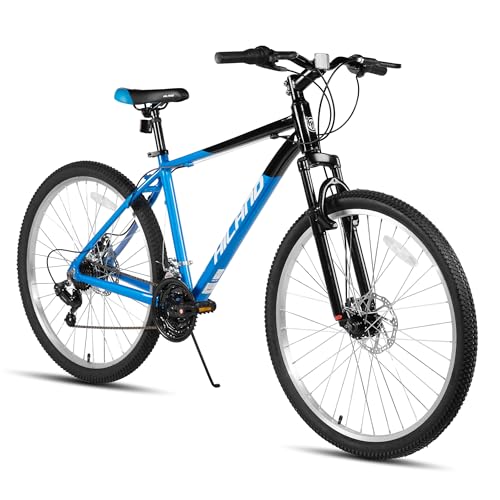
How to Evaluate Basic Mountain Bikes
Bike Type and Riding Style
Start by naming your trails honestly. Cross country bikes favor light weight and pedaling efficiency on smoother, rolling terrain. Trail bikes add slacker geometry and more suspension travel for rougher descents, and they suit most beginners who ride varied local trails. Enduro and downhill bikes are overkill for a first purchase, with weight and gearing that fight you on climbs. If your riding is mostly paved paths and gravel, a hybrid style hardtail may serve you better than a true trail bike, so match the bike to your weekly reality.
Weight and Components Upgrade Path
A basic bike around 28 to 33 lb is normal and workable; much above that, climbs feel punishing. More important than a pound or two is the upgrade path. Check that the bike uses standard parts: a common wheel size, a replaceable rear derailleur hanger, and a seat post and stem in common diameters. Bikes built around standard interfaces let you improve the fork, tires, or brakes later, while odd parts can strand you when something wears out.
Brakes (Hydraulic vs Mechanical Disc)
Brakes are a safety item, so this criterion carries real weight. Hydraulic disc brakes give stronger, more consistent stopping with lighter finger effort, and they self adjust as pads wear. Mechanical disc brakes cost less and use cables you can service trailside, but they need more hand force and more frequent adjustment. Either disc type beats rim brakes in mud and rain. Set a simple bar: if a bike at a midrange price still ships with mechanical brakes and no easy upgrade path, score it down and keep looking.
Sizing and Fit
Fit decides whether you ride the bike or store it. Use the maker size chart with your height as a starting point, then check standover height, which is the clearance between you and the top tube when you stand over the bike. You want at least an inch or two of room. Reach, the distance to the handlebars, should let you steer without feeling stretched or cramped. If you fall between sizes, most beginners do better on the smaller size, which feels easier to control on tight trails.
Drivetrain and Gearing
A single front chainring setup, called a 1x drivetrain, is the beginner friendly standard now. It removes the front shifter, simplifies shifting to one lever, and still offers a wide range if the rear cassette spans something like 11 to 42 teeth or wider. Older 2x and 3x setups work, but they add weight and confusion. Look for a clutch equipped rear derailleur, which keeps the chain quiet and secure over roots and rocks. Smooth, reliable shifting from established drivetrain makers matters more than chasing the highest gear count.
Frame Material and Geometry
Aluminum is the default at this level for good reason: it is light, stiff, rust resistant, and affordable. Steel rides smoothly and can be repaired more easily, but it weighs more. Carbon is lighter still, yet it pushes a bike out of the basic price band and demands more care after crashes. Geometry shapes handling: a head angle around 66 to 68 degrees feels stable on descents without making steering lazy, and a steeper seat angle helps climbing. Numbers aside, a frame with clean welds and a threaded bottom bracket scores well for home maintenance.
Three Profiles That Pass the Checklist
Instead of naming models that change every season, use these three profiles to sort the product table above. A bike that matches a profile on brakes, gearing, and fit is a sound buy even if its paint or parts mix differs slightly from the description.
The Well Rounded Profile
The well rounded profile, usually around $800 to $1,200, combines an aluminum hardtail frame, hydraulic disc brakes, a 1x drivetrain with a wide range cassette, and an air spring fork with a lockout. Tires arrive ready for mixed trails, and the wheels accept tubeless setups, which cut flat risk and improve grip at lower pressures. This profile suits a rider who plans to progress for several seasons on one bike. Its limit is rocky, steep terrain, where a hardtail rear end will always demand more care than full suspension.
The Value Profile
The value profile, usually around $500 to $800, keeps the essentials and trims the extras. Expect hydraulic brakes on better examples, or mechanical discs with a clear upgrade path, a 1x or simple 2x drivetrain, and a coil spring fork that is heavier but dependable. The frame should still use standard parts so your first upgrades, usually tires and brake pads, stay cheap and easy. This profile suits riders testing whether trail riding sticks. Its limit is weight, so expect slower climbs until fitness or upgrades catch up.
The Compact Profile
In this category, compact means a smaller frame option done properly, not a folding gimmick. Look for 27.5 inch wheels on small and extra small sizes, low standover, and shorter crank arms that suit shorter legs. The rest of the checklist still applies: hydraulic brakes if the budget allows, a wide range 1x drivetrain, and standard parts. This profile suits shorter adults and younger riders moving up from kids bikes. Avoid simply shrinking an adult design with a long reach, because cramped or stretched fit ruins handling at any size. For broader trail categories, see our guide to the best all mountain mountain bike.
Quick Buyer Checklist
- Does the frame size match your height and standover clearance?
- Are the brakes hydraulic disc, or at least disc with a clear upgrade path?
- Does the drivetrain give you a low enough gear for your steepest local climb?
- Are the wheels and tires tubeless ready, or easily converted?
- Does the bike use standard parts you can replace at any bike shop?
- Is the fork appropriate for your trails, with travel around 100 to 130 mm?
- Does the total price leave room for a helmet, pump, and basic tools?
Red Flags to Watch For
- Vague specs. Listings that hide brake type, gear range, or total weight are hiding them for a reason.
- Unrealistic claims. A very cheap bike promising pro level suspension is cutting corners somewhere you cannot see.
- No clear warranty. A frame warranty under five years, or no stated warranty at all, signals low maker confidence.
- Odd components. Nonstandard stems, seat posts, or wheels make repairs slow and expensive.
- Suspicious review patterns. Clusters of glowing reviews with no detail, posted in a short window, deserve skepticism.
Riders comparing general trail options can also browse our guide to the best mtb mountain bike for a wider view of the category.
Tips to Get the Most From Your Basic Mountain Bike
Three habits protect your bike and your wallet. Check tire pressure before every ride, since low pressure causes pinch flats and vague steering, while pressure matched to your weight and terrain improves grip. Clean and lube the chain every 100 to 200 miles, more often after muddy rides, because a dry chain wears the whole drivetrain faster. Finally, have a professional tune up yearly, or sooner if shifting gets noisy, so small issues get fixed before they become parts orders. Always wear a helmet, and stop and seek help for any injury rather than riding through pain. If you are still deciding what style suits you, our guide to the best bike for mountain biking walks through trail types in more depth.
Basic Mountain Bike FAQs
How often does a basic mountain bike need servicing?
Plan a professional tune up once a year for regular riders, or sooner if shifting turns noisy or the brakes feel soft. Between visits, clean and lube the chain, check tire pressure before each ride, and look over bolts and cables for looseness. Riders on wet or muddy trails should rinse the frame and drivetrain after rides, because grit wears parts faster than miles do.
How much should I spend on my first bike?
Around $500 to $1,200 buys a genuinely capable first mountain bike from established makers. Below that range, weak brakes, heavy frames, and nonstandard parts usually compromise safety or longevity. Above it, you gain lighter weight and better suspension, which are nice but not required to learn. Reserve part of your budget for a helmet, gloves, a pump, and a multitool. A slightly cheaper bike plus proper gear beats a stretched budget that leaves you riding without the basics. First time trail riders may also like our guide to the best starter mountain bike.
Hardtail or full suspension for beginners?
A hardtail is the better first buy for most beginners. With suspension only at the front, it costs less, weighs less, needs less maintenance, and teaches clean line choice because the rear wheel follows the trail honestly. Full suspension adds comfort and control on rough descents, but decent systems start at prices well above basic hardtails, and cheap full suspension is usually worse than a good hardtail. Move up later if your trails and skills outgrow the hardtail.
What size bike do I need?
Start with the maker chart for your height, then confirm standover clearance of at least an inch or two and a reach that feels relaxed, not stretched. As a rough guide, riders around 5 ft 2 in to 5 ft 6 in often fit a small, 5 ft 6 in to 5 ft 10 in a medium, and taller riders a large, but proportions vary by brand. A short test ride settles more than any chart, so use the return window if the fit feels wrong. General bike background in our guide to the best bicycle mountain bike can help new riders with terminology.
Final Checks
Judge every candidate in the same order: fit, brakes, gearing, then everything else. A bike that fits you, stops with hydraulic confidence, and climbs on a wide range 1x drivetrain will make you a better rider far faster than a flashier frame with weak parts. Use the checklist against the product table above, and the right best basic mountain bike for your trails will usually identify itself.


