
Best Boots for Backcountry Hunting for 2026: Types Compared and How to Choose
Disclosure: We may earn a commission when you buy through links on this page, at no extra cost to you. As an Amazon Associate I earn from qualifying purchases. Learn more

Compare four boot types by use, strengths, limits, and price to pick the best boots for backcountry hunting for your terrain and season.
A week in the backcountry asks far more of footwear than a day hunt near the truck. Miles of sidehilling, creek crossings, and a pack that grows heavier after a harvest mean the best boots for backcountry hunting are the pair matched to your terrain, season, and load, not simply the tallest or stiffest pair on the shelf.
This guide compares the four main boot types side by side, then works through fit, insulation, and sole stiffness. The comparison table below lays out each type with its best use, strengths, limits, and typical price range. Before any trip, check the local hunting rules for the area you plan to enter.
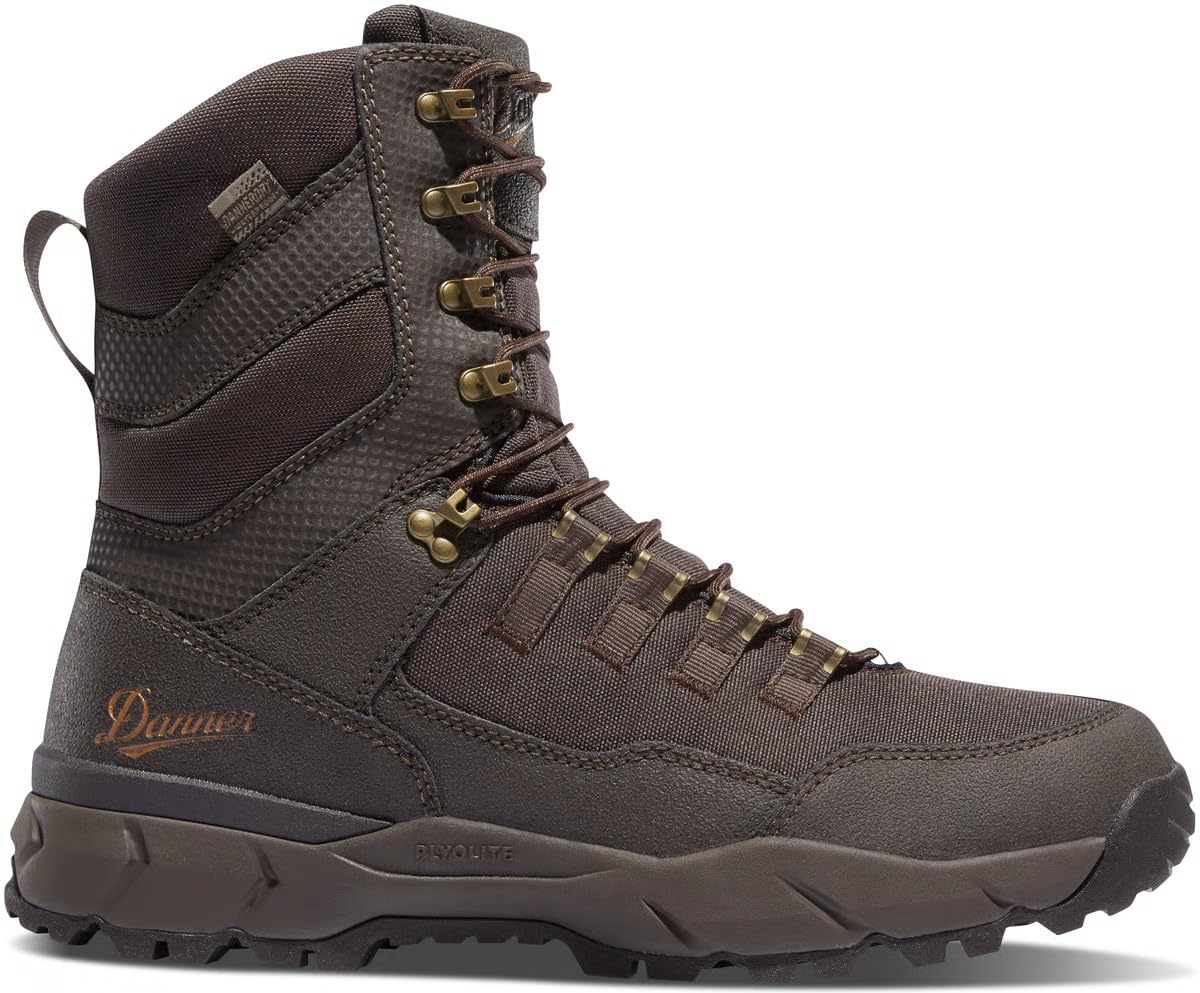

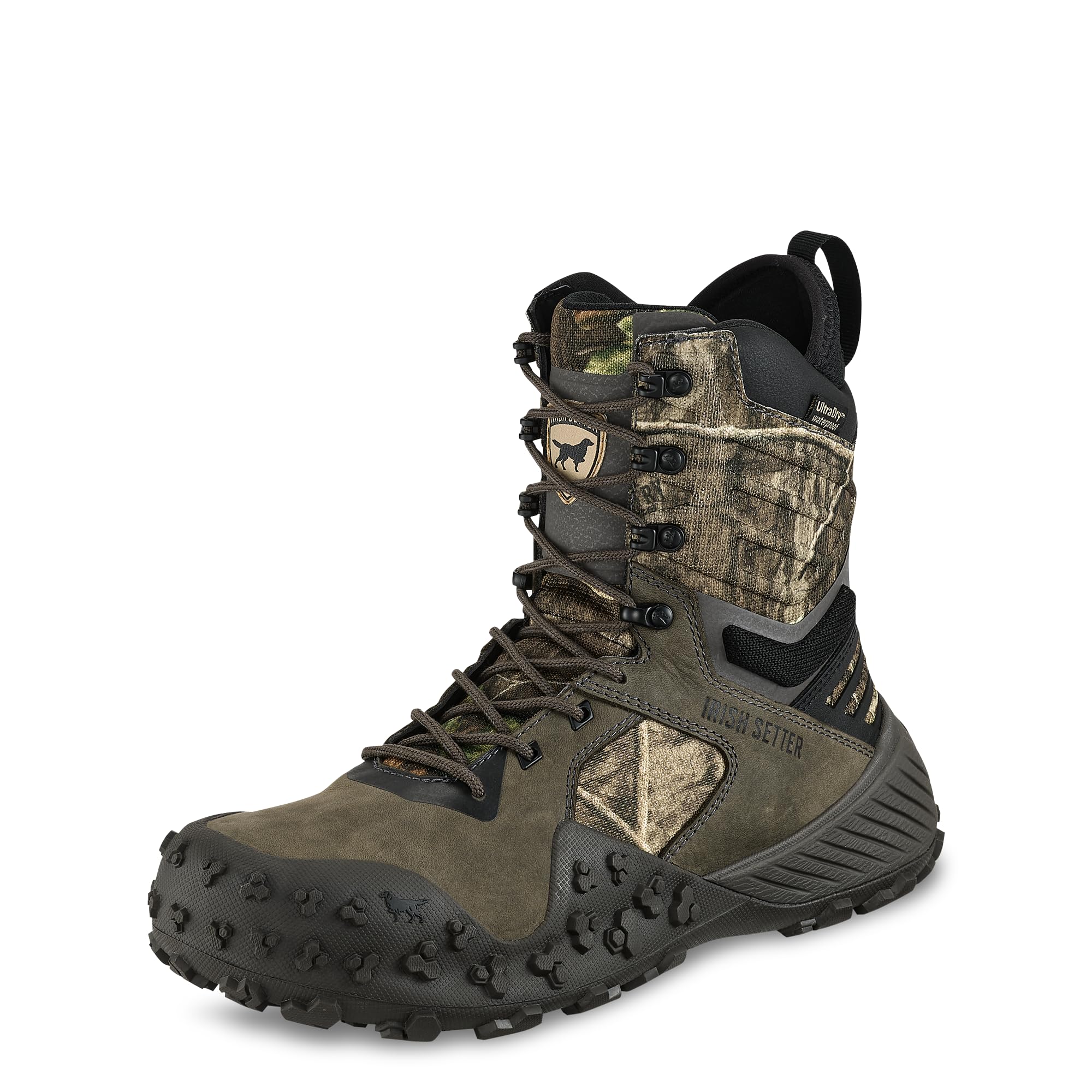
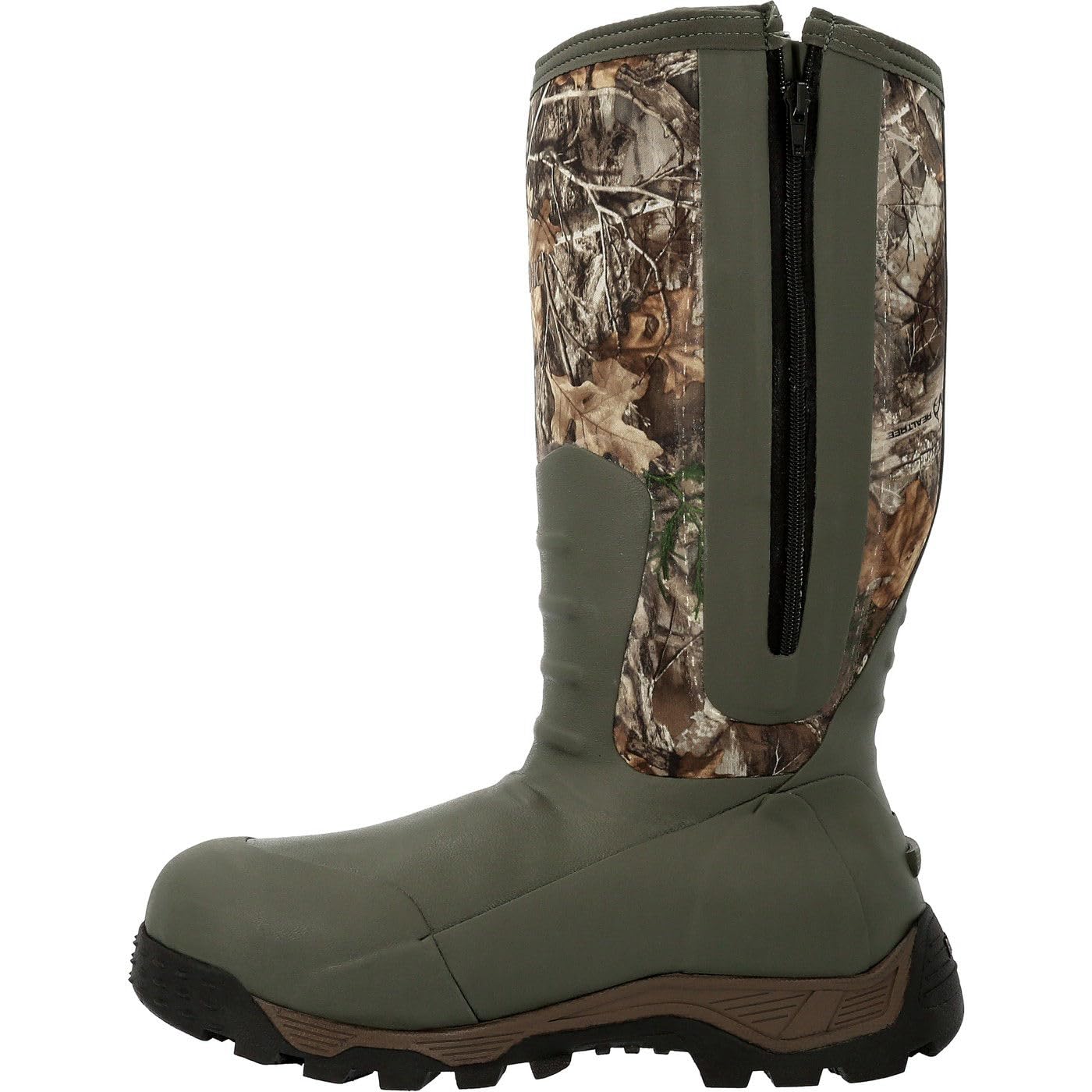
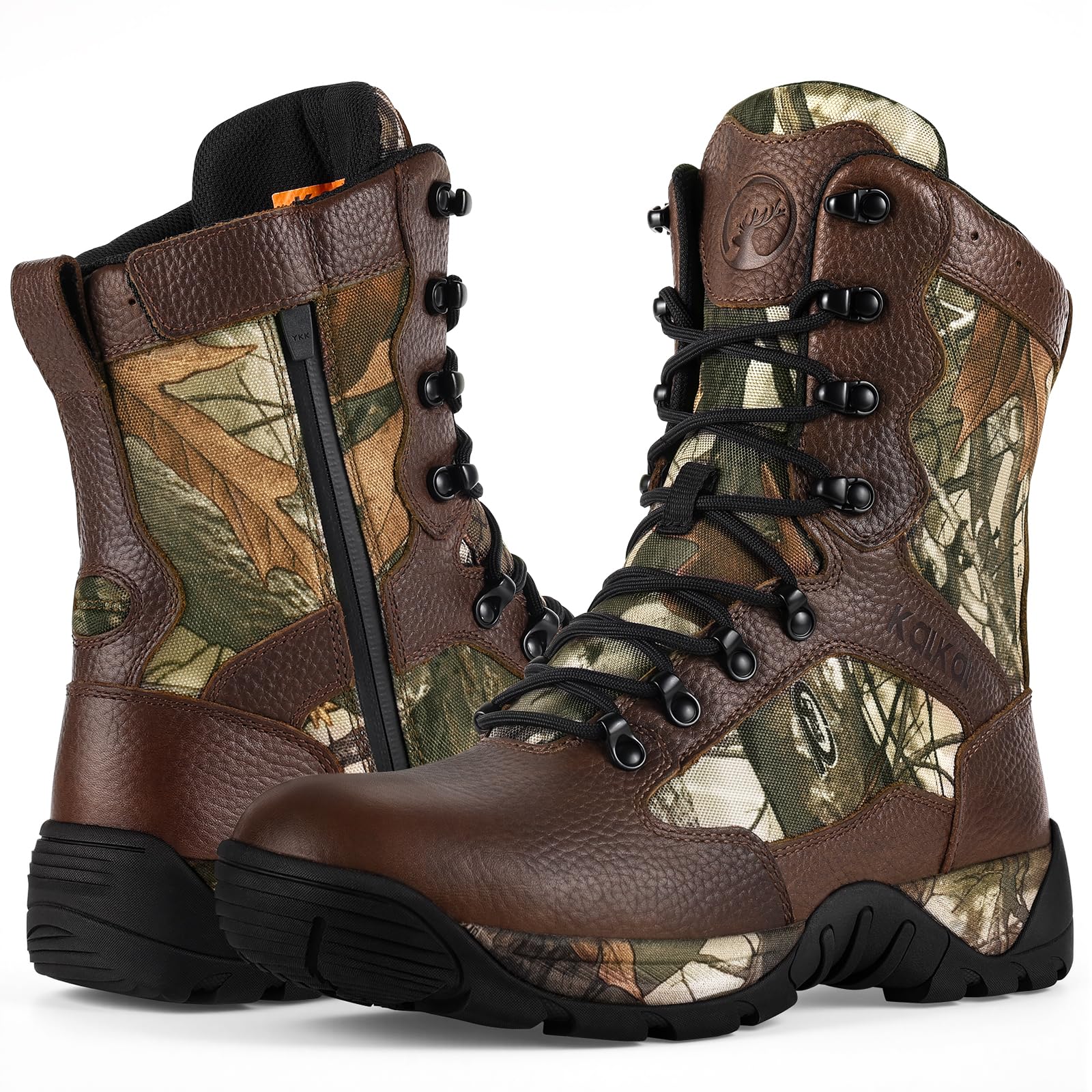
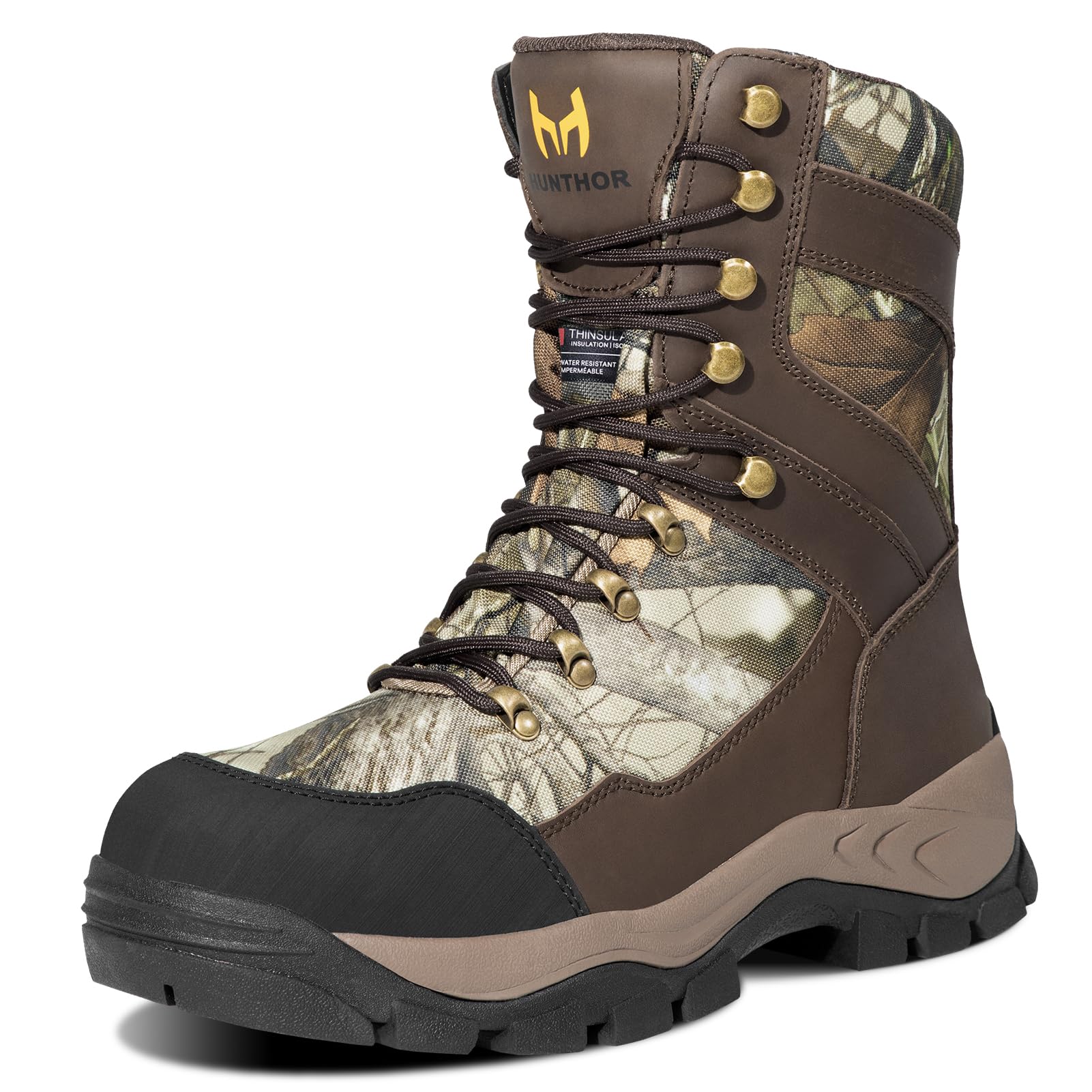


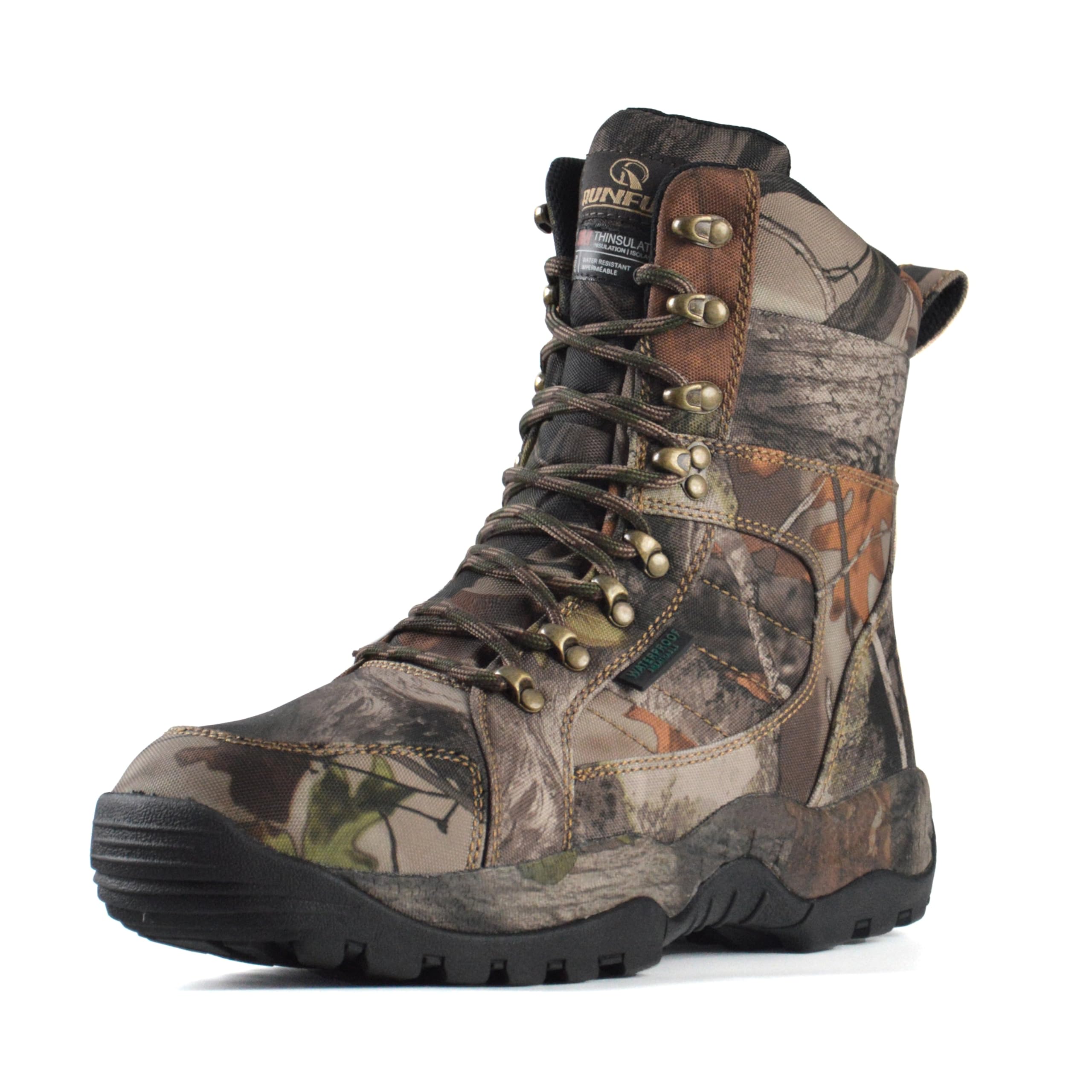
Boot Types Compared Side by Side
Every backcountry boot falls into one of four broad families, each trading weight, support, warmth, and drying speed differently. If you are still deciding between a general hunting boot and something built for remote country, our guide to the best hunting boots covers the wider category, while the table here focuses on boots for multi day trips far from the road.
| Type | Best For | Pros | Cons | Typical Price |
|---|---|---|---|---|
| Lightweight Trail Boots | Day hunts and early season scouting | Light, short break in, nimble on trails | Less ankle support under heavy loads | about $120 to $200 |
| Stiff Sole Mountain Boots | Steep country and heavy pack outs | Strong support on rock and sidehills | Long break in, heavier on the foot | about $250 to $450 |
| Waterproof Leather Boots | Wet country and mixed seasons | Durable upper, shrugs off brush and moisture | Slow to dry once soaked through | about $180 to $350 |
| Insulated Cold Weather Boots | Late season and slow, still hunting | Real warmth on cold, quiet days | Too warm for early season miles | about $200 to $400 |
Lightweight Trail Boots
Lightweight trail boots pair a mid height synthetic or split leather upper with a flexible sole, and most weigh about 2 to 2.5 pounds per pair. They walk like sturdy hiking boots, need little break in, and suit early season hunts where you move fast with a modest pack. Their limit shows up under a heavy load on broken ground, where the soft flex lets your ankle do work a stiffer boot would handle. Choose this type for scouting trips and day hunts on established trails.
Stiff Sole Mountain Boots
Mountain boots use a full or three quarter length shank that keeps the sole rigid, plus a high cut upper around 8 to 10 inches tall. That stiffness spreads your weight across rocks, edges securely on steep sidehills, and protects your ankles when a loaded pack shifts on talus. The trade off is weight, a longer break in, and a clunky feel on flat trail. If your hunts involve altitude, scree, and packing meat out over rough ground, this is the type built for that work.
Waterproof Leather Boots
Full grain leather boots with a waterproof membrane are the traditional choice for wet forests, boggy meadows, and mixed weather seasons. Leather resists abrasion, and a wraparound rubber rand shields the toe and sides from sharp edges. Hunters in constantly wet country also keep a pair from our guide to the best rubber hunting boots for swampy sits, but leather remains the better walking option. Their weakness is drying time, since a soaked leather boot can take days at camp to dry fully.
Insulated Cold Weather Boots
Insulated boots add 400 to 800 grams of synthetic insulation inside a tall, roomy shell, sometimes with a removable liner you can dry overnight in a tent. They earn their place on late season hunts, in snow, and during long, still sits where your feet generate little heat of their own. The same warmth becomes a problem on high mileage early season days, when sweat and blisters follow. Match the insulation level to the coldest conditions you realistically expect, not the coldest you can imagine.
Lightweight Trail Boots or Stiff Sole Mountain Boots: Which Should You Choose?
These two types sit at opposite ends of the range. On support, the mountain boot wins clearly, since its rigid sole and tall upper protect ankles under loads above about 40 pounds. On weight and comfort over long flat miles, the trail boot wins, often by a full pound per pair. On warmth, neither is insulated, though the mountain boot leaves more room for thick socks. On price, trail boots cost about $120 to $200 against about $250 to $450 for mountain boots. Pick the trail boot for fast, light hunts on trails, and the mountain boot when steep country and heavy pack outs define your season.
How to Choose the Right Boot for Your Hunt
Type is only the starting point. The sections below cover the fit and feature decisions that separate a boot you trust from one you curse by day three, and our guide to the best backcountry boots adds more on remote country footwear.
Break In Time and Comfort on Day One
Stiff mountain boots and full grain leather boots need real break in mileage, usually 30 to 50 miles of shorter hikes, before they stop punishing your heels. Lightweight trail boots feel close to ready after two or three outings. Plan your purchase at least a month before a major trip, wear the boots on loaded training hikes, and treat any hot spot as a warning to adjust socks or lacing rather than a problem that will fix itself in the field.
Fit, Sizing, and Toe Box Room
Measure and try boots in the afternoon, when your feet are at their largest, and wear the sock combination you will hunt in. You want about a thumb width of space in front of your toes, because feet swell under a pack and jammed toes on descents quickly turn black. Heel lift inside the boot should be minimal when you walk uphill on an incline board. Most makers offer wide versions, and our guide to the best hunting boots for men explains how widths differ between lasts.
Features That Matter in the Backcountry
Look for lugs around 4 to 6 mm deep for grip in mud and loose rock, a protective toe rand, and locking lace hooks that let you tension the forefoot and ankle separately. A waterproof membrane helps in wet grass and shallow crossings, but it also slows drying and adds warmth, so dry climate hunters often do better without one. Speed lacing hardware and a gusseted tongue that keeps out scree and seeds matter more on long trips than almost any cosmetic detail.
Arch Support and Your Foot Shape
Stock insoles are basic in almost every boot, so plan to judge support with your own feet in mind. Flat feet usually need a firmer insole that resists collapse under load, while high arches often need more cushioning to spread pressure. Aftermarket insoles are a normal and worthwhile upgrade for multi day trips. If foot pain keeps returning on training hikes, or you notice numbness that does not fade after rest, see a doctor or foot specialist before blaming the boots.
How to Make Your Boots Last Longer
Knock mud off after every trip and rinse salt and grit from the leather before it dries stiff. Air dry wet boots slowly at room temperature, away from direct heat, since a stove or radiator can crack leather and weaken glues. Stuffing the boots with plain paper pulls moisture out overnight at camp. Condition full grain leather a few times a season, check laces and hooks before each trip, and store boots upright in a cool, dry place.
Best Boots for Backcountry Hunting: Your Questions Answered
How much insulation do backcountry hunting boots need?
Match insulation to how much you move, not just to the temperature. Active hunters covering miles in cool weather usually do well uninsulated or with about 200 grams, since walking generates steady heat. Around 400 grams suits slow still hunting in freezing weather, and 800 grams is for severe cold with long stationary periods. Removable liners add flexibility, since you can dry them overnight.
Can backcountry hunting boots be resoled?
Many can, if the upper is still sound. Boots built with a stitched welt construction can usually be resoled by a cobbler for about $75 to $150, which extends their life by years. Most cemented sole boots cannot be resoled economically, because the sole is glued rather than stitched. Ask about resole options before buying, and retire any boot whose midsole has gone soft and uneven.
What socks should I wear with backcountry hunting boots?
Choose merino wool or wool blend socks, which manage moisture and keep insulating when damp. Cotton socks are the classic backcountry mistake, since they hold sweat against the skin and invite blisters. Blister prone hunters often add a thin liner sock under the main pair to move friction off the skin. Carry one spare pair in a dry bag, rotate them daily, and change into the dry pair at camp.
How do I stop heel lift in backcountry hunting boots on descents?
Use heel lock lacing, which runs the lace through the top eyelet on the same side to form a small loop that cinches the ankle down. This single change fixes most heel slip and the toe bang that follows on steep descents. Slightly thicker socks or a thin insole shim under the stock insole can also take up volume. If lift persists after lacing changes, the boot is likely a half size too long or too wide for your heel shape.
Are gaiters worth using with backcountry hunting boots?
Yes, for most backcountry hunters. Gaiters keep scree, seeds, snow, and creek splash out of the boot top, and they protect your laces and lower legs from brush. Short gaiters suit dry, rocky country, while tall waterproof gaiters earn their weight in snow and wet vegetation. Choose a pair that fits over your boots and pants without binding at the calf.
Final Thoughts
Start with the type that matches your country and season, then let fit overrule everything else, because the most impressive boot on paper is useless if it wrecks your feet by day two. Sole stiffness, insulation, and waterproofing all follow from the terrain and loads you described honestly at the start. Compare your shortlist against the product table, and you will land on the best boots for backcountry hunting for the way you actually hunt.


