
Best Back Up Hard Drives 2026: Protect Every File
Disclosure: We may earn a commission when you buy through links on this page, at no extra cost to you. As an Amazon Associate I earn from qualifying purchases. Learn more
Learn how to choose back up hard drives for capacity, speed, portability, and reliability, with backup habits and software advice for home users.
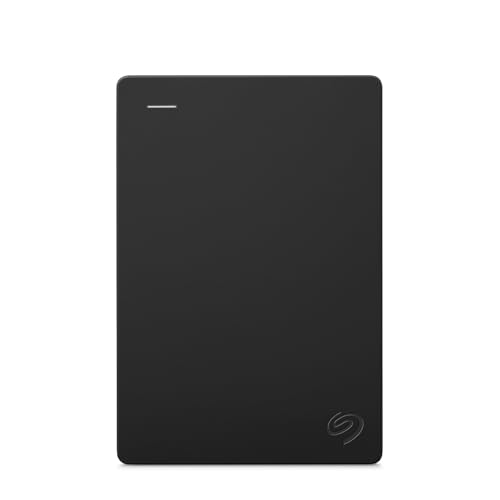
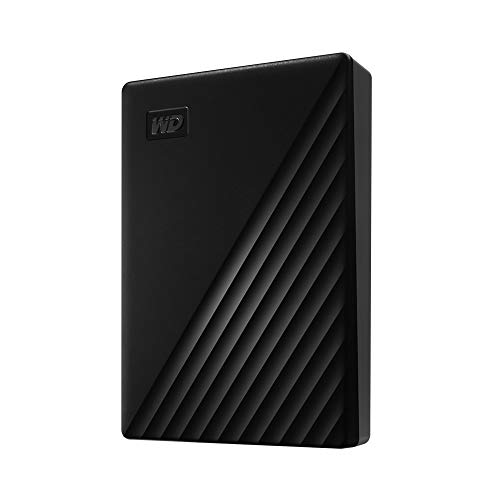
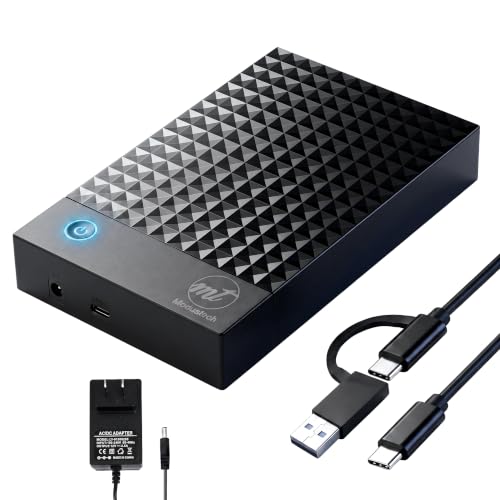
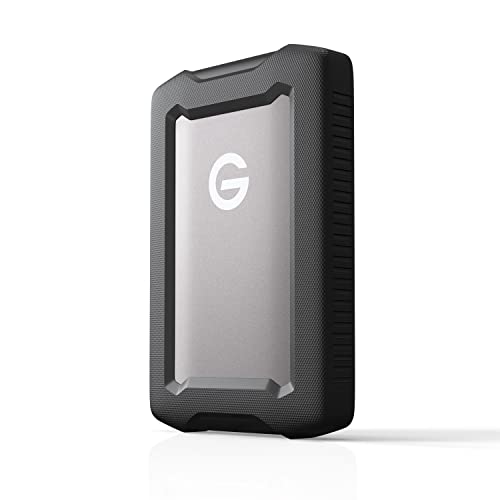
Best back up hard drives give your photos, documents, and work a safe second home, so a failed laptop or stolen phone never means lost memories. The comparison table below compares desktop, portable, and rugged backup drives by capacity, speed, and use.
A backup drive only helps if backups actually happen, so ease of use matters as much as capacity or speed. This guide explains drive types, capacity planning, connection speeds, software habits, and the 3-2-1 backup rule, so your files survive accidents, theft, and hardware failure.




Who Should Buy a Back Up Drive
Everyone with irreplaceable photos, school work, business files, or creative projects needs a backup drive, since all storage eventually fails. Families, students, freelancers, and small businesses all benefit from a simple regular backup routine.
Cloud backup users still gain from a local drive, because local copies restore faster and work without internet. Combine both when possible: local for speed, cloud for disaster protection, following the 3-2-1 rule explained below.
Capacity Planning and Drive Types
Desktop drives offer the most capacity per dollar and suit home backup stations that rarely move. Portable drives trade some capacity for pocket size and bus power, making them ideal for laptops, travel, and off site copies.
Rugged drives add shock, dust, and water protection for field work and travel, while solid state drives offer speed and silence at higher cost per terabyte. Size your drive at least twice your current data, since photo and video collections grow fast.
Speed, Connections and Compatibility
USB 3 and faster connections transfer large backups in minutes rather than hours, so check your computer ports before buying. Thunderbolt suits video editors moving huge files daily, while USB suits most home backups perfectly well.
Format compatibility matters for mixed households: some formats work across Windows and Mac, while others need reformatting. Check software support for your system, and test a restore early, since a backup you cannot restore is worthless.
Comparing Related Options
Mac owners should start with best back up hard drives for mac for Time Machine friendly models, and quality focused buyers can read best quality hard drives for reliability guidance. Backup workflow advice lives in best hard drives for backing up mac, while best hard external hard drives covers external models broadly and best hard disk drives compares traditional spinning drives.
Compare shortlisted drives on capacity headroom, connection speed for your ports, warranty length, and included software. A drive that backs up automatically and restores easily beats a faster drive that sits unused because setup felt hard.
Backup Habits and the 3-2-1 Rule
The 3-2-1 rule keeps three copies of important data, on two different media types, with one copy off site. For most homes, that means the original, a local backup drive, and a cloud copy or a second drive stored elsewhere.
Automate backups on a schedule, whether nightly or weekly, so human forgetfulness cannot break the habit. Test restores every few months by recovering a few files, and replace drives after several years of heavy use before failure strikes.
Security, Encryption and Long Term Care
Encryption protects backups if a drive is lost or stolen, so enable hardware or software encryption for sensitive files. Keep the password or recovery key somewhere safe but separate from the drive, since lost encryption keys mean lost data.
Store backup drives cool, dry, and away from magnets and drops, and spin up rarely used drives every few months to keep them healthy. Label drives by date and contents, and retire old drives gracefully by wiping them before disposal or recycling.
Choosing Between HDD and SSD Backup
Traditional hard drives offer huge capacity at low cost, making them ideal for full system images and large media archives. Their spinning parts wear with use and drops, but gentle desk use keeps them reliable for years.
Solid state drives cost more per terabyte but back up faster, run silently, and survive knocks that would kill a spinning drive. They suit laptop owners, travelers, and anyone who backs up frequently and values speed.
Many households combine both: a large hard drive for archival copies and a fast solid state drive for frequent working backups. This pairing balances cost, speed, and durability better than either technology alone.
Backing Up Photos and Creative Work
Photographers and video creators generate enormous files that demand large fast backup drives and disciplined habits. Back up after every shoot or editing session, before formatting memory cards, since a lost card with no backup loses irreplaceable work.
Organize backups by date and project, keeping original files separate from edited exports so restores stay clear. Versioned backups protect against accidental overwrites and bad edits, which matter as much as hardware failure for creative professionals.
Cloud copies add safety for finished portfolios, while local drives handle bulky raw files more economically. Combine both for client work, since professional reputation depends on never losing a deliverable.
Recovering From Common Disasters
Accidental deletion ranks as the most common data loss cause, and versioned backups recover deleted files in minutes when set up properly. Check recycle bin settings and backup version history before panicking, since most deletions remain recoverable briefly.
Drive failure demands a different response: stop using the failing drive immediately to prevent further damage, then restore from backup to a replacement. Professional recovery services exist for drives without backups, but they cost far more than a backup drive ever will.
Ransomware attacks require restoring from clean versioned copies after wiping the infected system, so disconnected and cloud backups prove their worth here. Never pay ransoms blindly, since payment does not guarantee recovery and funds criminal activity.
External Versus Internal Backup Drives
External drives connect by USB and move between computers easily, making them ideal for laptop owners and off site rotation. Their portability suits households that back up several machines with one shared drive.
Internal drives install inside desktop PCs and back up silently without desk clutter or cable management. They cost less per terabyte but cannot rotate off site easily, limiting disaster protection unless paired with cloud copies.
Many PC owners combine both: an internal drive for automatic nightly backups and an external drive for weekly off site copies. This pairing covers convenience and disaster safety better than either approach alone.
Backup for Small Businesses
Small businesses need backup plans covering client files, accounting data, and communications, since loss can halt operations and breach obligations. A written backup policy with schedules and responsibilities prevents reliance on memory.
Automate business backups nightly and verify restores monthly, assigning one person to confirm success rather than assuming software works silently. Failed backups discovered during crises help no one, so monitoring matters as much as software.
Store one business backup copy off site, whether cloud or rotated drive, protecting against fire, theft, and flooding that destroy office equipment. Business continuity depends on off site copies more than any single drive technology.
Drive Health Monitoring Tools
Drive health monitoring tools read SMART data to predict failures before they strike, warning about reallocated sectors and rising temperatures. Free tools from drive makers and open source projects make monitoring accessible to home users.
Check drive health quarterly and replace drives showing warning signs rather than waiting for complete failure. Early replacement costs far less than emergency recovery and prevents stressful data loss.
Monitor backup drives as carefully as primary drives, since a failed backup drive discovered during a primary failure doubles the disaster. Healthy backups require healthy backup hardware, checked regularly.
Frequently Asked Questions
How big a back up drive do I need?
Choose a backup drive at least twice your current data size to allow growth and version history. A 1 TB drive suits many laptops, while photo and video collectors often need 2 TB or more. Check your current usage, then add headroom for several years of growth. Larger drives also let backup software keep older versions for recovery.
Are portable or desktop drives better for backup?
Portable drives suit laptops, travel, and off site copies thanks to small size and bus power. Desktop drives offer more capacity per dollar and suit fixed home backup stations. Many households use both: a desktop drive for nightly backups and a portable drive for off site copies. Match the form to where and how you back up.
How often should I back up?
Back up at least weekly for active files, and daily for business or creative work that changes constantly. Automated schedules remove forgetfulness and keep copies fresh. After major projects or photo imports, run a manual backup immediately. Frequent backups limit loss to days rather than months when failure strikes.
Do I still need cloud backup with a drive?
Cloud backup adds disaster protection that a local drive cannot, since fire, flood, or theft can destroy both computer and drive together. Local drives restore faster and work offline, so the combination is strongest. Follow the 3-2-1 rule with one off site copy.
How long do back up hard drives last?
Backup hard drives typically last three to five years of regular use, though many run longer with gentle handling. Heat, drops, and constant spinning shorten life, while cool storage extends it. Replace drives proactively after several years, and always keep a second copy during migration. Watch for clicking, slowness, or errors as warning signs.
Final Thoughts
Choose best back up hard drives by capacity headroom, connection speed, and backup software you will actually use. The product table above compares drive types, but the best drive is the one that backs up automatically and restores when needed. Set up the habit today, test restores regularly, and your files will survive whatever happens to your computer.

