Best And Worst Hard Drives of 2026: Complete Buying Guide
Disclosure: We may earn a commission when you buy through links on this page, at no extra cost to you. As an Amazon Associate I earn from qualifying purchases. Learn more

Use this buying guide to compare the best and worst hard drives by capacity, speed, form factor, durability, and warranty before you trust one with files.
A hard drive holds the files you cannot replace, from family photos to years of work documents, so a bad choice costs far more than its price tag. The difference between the best and worst hard drives shows up in reliability, honest capacity, and warranty support long after the speed numbers stop mattering. This guide explains the specs that predict a drive you can trust.
You will learn how to match capacity and form factor to your computer, why spin speed and cache change daily responsiveness, and how to read a warranty like a reliability clue. Use the comparison table below alongside these checks, and treat every drive as guilty until its specs prove it innocent.
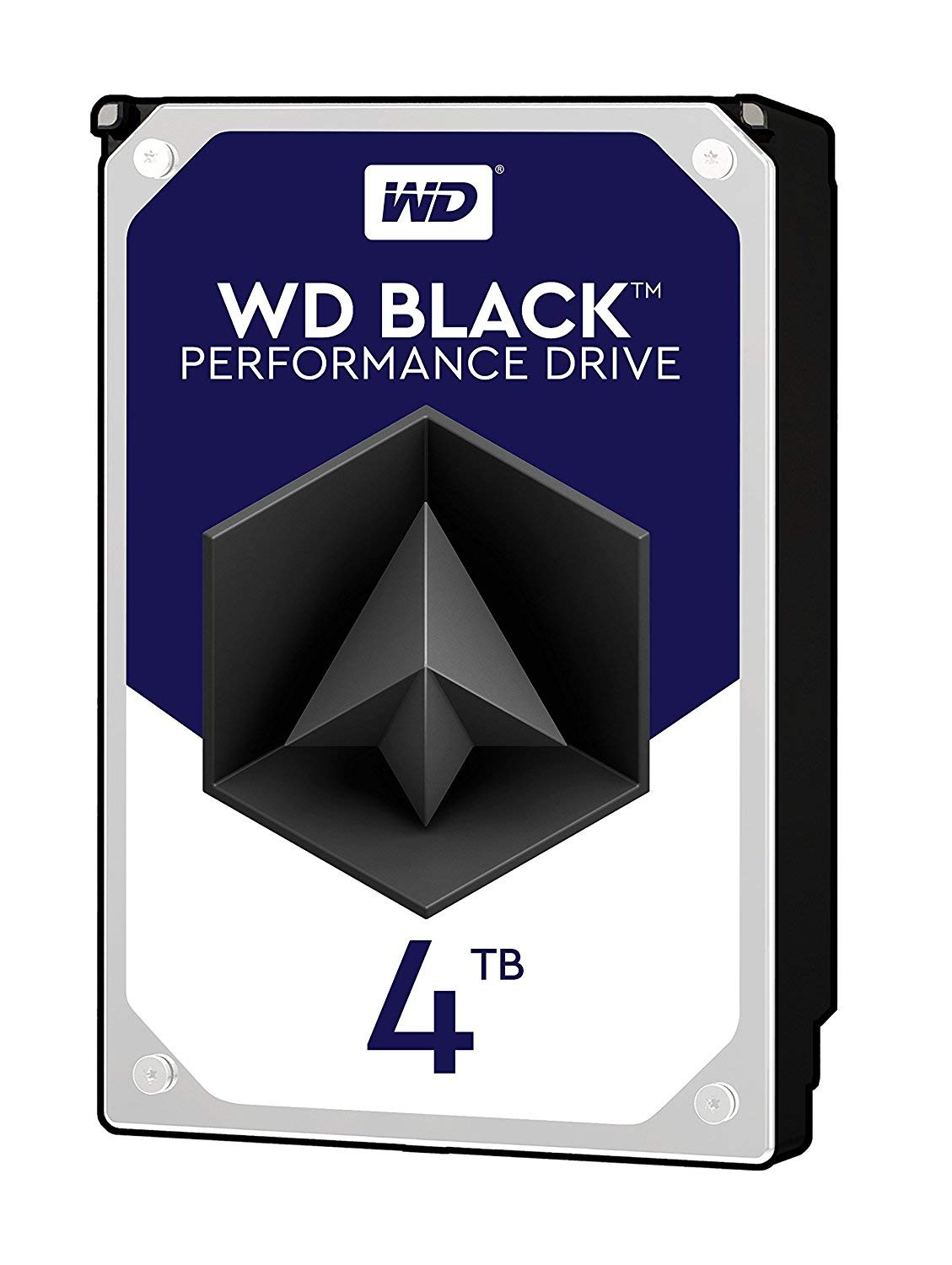

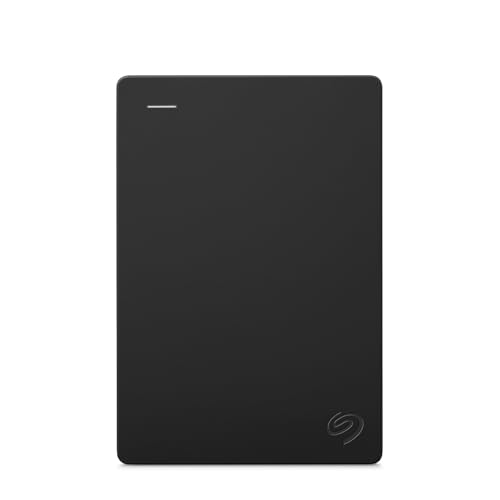
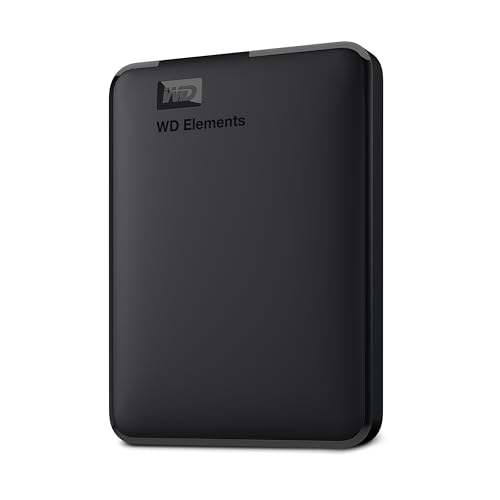


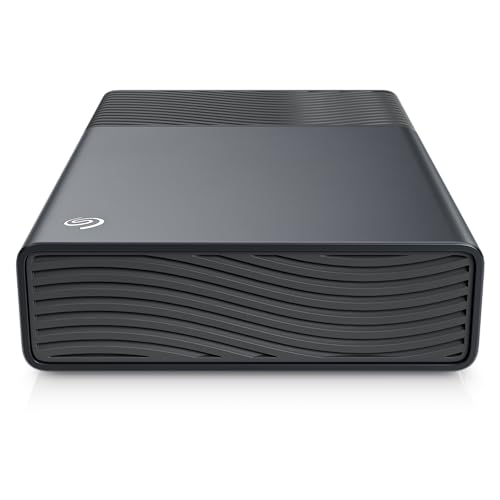

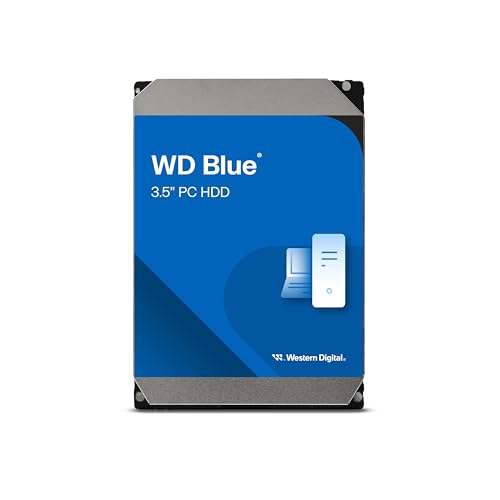
Three Price Tiers at a Glance
Drive prices move with capacity, so judge each tier by cost per terabyte and the warranty behind it rather than the sticker alone. The tiers below describe what your money generally buys, so you can place any drive in the product table above fairly.
Strong All Around Tier
A strong all around drive, often around $60 to $120 for a roomy internal model, spins at 7,200 RPM, carries a healthy cache, and backs it with at least a two or three year warranty. It suits a desktop that stores games, media, and documents in one place. Speeds are steady rather than spectacular, and that is fine, because this class is bought for dependable bulk storage. The main limit is noise and vibration compared with slower drives, which matters in a quiet room.
Value Tier
Value tier drives, often under $60 for modest capacities, usually spin at 5,400 RPM and carry a one or two year warranty. They make sense for backups, media libraries, and second drives where raw speed is not the point. Cost per terabyte can be excellent, especially in larger desktop sizes. The trade off is slower loading and more patience when copying hundreds of gigabytes at once. If the drive will hold your only copy of anything important, step up a tier rather than saving a small amount here.
Beginner Friendly Tier
Beginner friendly choices are usually portable external drives, often around $70 to $130, that plug in by USB and work immediately with no opening of the computer case. Setup is a single cable, and most arrive formatted for one operating system with simple reformatting for the other. They are ideal for a first backup or moving files between machines. Speeds vary widely though, and the smallest drives sometimes hide slow internals, so check the stated transfer rate before buying. If plug and play storage is your goal, our guide to the best hard external hard drives walks through the portable options in more detail.
How to Choose the Best And Worst Hard Drives: Buying Guide
These seven checks take only minutes and reveal most of what separates a dependable drive from a risky one. Capacity gets the headlines, but warranty and intended use quietly matter more.
Intended Use and Who It Is For
Start by naming the job. A boot drive that runs your operating system needs speed above all, and most people now use an SSD for that role while keeping a hard drive for bulk files. A backup drive needs reliability and capacity, a game library drive needs decent loading speed, and a drive for a security camera system needs to be rated for constant writing around the clock. Drives built for network storage are tuned for vibration in multi drive enclosures. Buying a drive rated for your actual job is the simplest quality step you can take, and it costs little or nothing extra.
Ease of Use and Setup
External drives are the easy path: plug in the USB cable, and the drive appears, sometimes after a quick format choice between Windows and Mac file systems. Internal drives need a free bay, a SATA data cable, and a power connector, plus a few screws or a tool free tray. None of this is hard, but a first timer should budget about half an hour and watch for static safety basics. Also check the connector on external models. USB C is becoming standard and avoids the fragile older micro connector style that failed on many portable drives.
Safety and Certifications
For a spinning drive, physical safety means protection from shock and heat. Portable drives with rubber bumpers or stated drop resistance survive bags and desks better than bare designs. Inside a computer, mount the drive firmly so vibration does not loosen it over time, and keep airflow moving across it, since sustained heat shortens drive life. Look for standard electrical certifications such as UL or CE on external power supplies. On the data side, no drive is a safety plan by itself, so pair any purchase with a backup habit, because even the finest drive can fail without warning.
Size, Weight, and Fit for Your Space
Internal hard drives come in two sizes: 3.5 inch drives for desktops, which offer the largest capacities, and 2.5 inch drives for laptops and small enclosures. Confirm your bay size before ordering, and check drive thickness on 2.5 inch models, since thicker high capacity versions do not fit slim laptops. External desktop drives need a power outlet and a stable shelf spot, while portable drives run from the USB cable and fit in a pocket. Weight matters only for portable drives, where a few ounces difference is worth it if the drive travels daily. Readers comparing traditional spinning disks specifically can start with our guide to the best hard disk drives for form factor details.
Maintenance and Long Term Costs
Hard drives ask for little maintenance, but a few habits extend their lives. Keep about 10 to 15 percent of the capacity free so the system can manage files efficiently, and avoid moving an external drive while it is spinning and copying. Check drive health a few times a year with the free SMART monitoring tools built into most operating systems or offered by the maker. Long term cost is mostly about replacement timing: plan on refreshing a heavily used drive every four to five years rather than waiting for failure to choose the moment for you.
Warranty and Customer Support
Warranty length is the maker putting a public number on its confidence, so read it as data. One year of coverage on a drive meant to hold precious files is a weak signal; two to five years is the healthy range, with the longest terms on premium and network rated lines. Check what the warranty actually provides, usually a replacement drive rather than data recovery, which is a separate and expensive service. Also confirm that support covers your country and that the return process does not demand the original box years later. For a closer look at how makers differ on build and backing, see our guide to the best quality hard drives.
Key Performance Specs
Spin speed is the headline spec: 7,200 RPM drives load and copy noticeably faster than 5,400 RPM drives, at the cost of more noise and power use. Cache, usually 64 MB to 256 MB, smooths bursts of small file work. Sustained transfer rates for modern drives land roughly around 150 to 250 MB per second depending on the model and where on the platter the data sits. Interface still matters at the edges: SATA III is standard for internal drives and is not a bottleneck for spinning disks. Buyers focused on classic spinning storage in particular may also compare the models in our guide to the best hdd hard drives, where these specs are the whole story.
Types of Hard Drives by Price
Price tiers in storage track warranty and tuning more than raw capacity. Knowing what each tier quietly changes helps you decide whether the step up is worth it for your files.
Budget Options
Budget drives give the lowest cost per terabyte and suit backups, media archives, and secondary storage. Expect 5,400 RPM speeds, basic warranties, and plain packaging. They are a sensible buy when the data also lives somewhere else. They are a poor buy as your only storage for work files or photos, because the savings are small compared with the cost of losing the data.
Mid Range Options
Mid range drives add 7,200 RPM speed, larger caches, and two to three year warranties, and they fit most desktops and home servers well. This is the tier most buyers should start with for a main storage drive. Performance is steady, noise is modest, and cost per terabyte stays fair. For a family computer or a small office machine, this balance of speed and backing is hard to beat.
Premium Options
Premium drives target network storage, workstations, and nonstop workloads, with vibration sensors, higher workload ratings, and warranties up to five years. They cost more per terabyte, and a single home user may never use the extra endurance. They earn their price in multi drive enclosures and machines that run all day. If your drive will spin around the clock, this tier is less a luxury and more the correct tool.
Care and Maintenance Tips
Simple habits protect both the drive and the data on it. Treat these as part of the purchase, not optional extras.
- Read the manual before first use: formatting choices and bundled backup software differ by brand, and five minutes of reading prevents the common mistake of wiping a drive you meant to keep.
- Clean and inspect regularly: keep vents and the drive area free of dust, and check cables once in a while, since a loose SATA cable causes errors that look exactly like a dying drive.
- Store in a dry place: spare and backup drives belong in a cool, dry spot away from radiators and sunny windowsills, ideally in the anti static bag they arrived in.
- Register the product for warranty: registration and a saved receipt make a claim in year three far smoother, and some makers start the clock from the purchase date you can prove.
- Eject external drives before unplugging: pulling a cable during a write can corrupt the file system even when the drive itself is unharmed.
Hard Drives: Your Questions Answered
How much should I spend on a hard drive?
For most people, about $60 to $120 buys a dependable internal drive with a fair warranty, and portable externals of useful size sit in a similar band. Judge by cost per terabyte plus warranty length rather than the total price, since a slightly pricier drive with three extra years of coverage is usually the cheaper risk. If the drive will hold backups, spending a little more for a second drive in another location protects you better than one premium drive. Our guide to the best hard drives for backups explains that two location approach in plain terms.
How do I maintain a hard drive?
Maintenance is mostly monitoring and gentle handling. Check the SMART health report a few times a year, keep the drive cool and firmly mounted, and leave some free space rather than filling it to the last gigabyte. Never open the drive casing yourself, because the internals are sealed against dust at the factory and opening it ruins that protection instantly. If health tools report growing warnings such as reallocated sectors, copy everything off promptly and replace the drive on your schedule, not its schedule.
How long does a hard drive last?
A typical hard drive lasts about three to five years of regular use, though many run longer and some fail early with no dramatic warning. Constant operation, heat, and frequent transport all shorten life, while a cool, stationary desktop drive has the easiest existence. Because the range is so wide, the safe habit is to treat every drive as temporary storage and keep at least one backup copy elsewhere. When a drive passes five years of daily service, replacing it proactively is cheap insurance.
Are expensive hard drives worth it?
They are worth it when the price buys a longer warranty, a higher workload rating, or tuning for nonstop use in network storage. They are not worth it when the price only buys a bigger number on the box that you will not fill for years. A useful rule: pay extra for backing and durability before paying extra for capacity, because unused terabytes protect nothing, while warranty years protect everything on the drive.
What features matter most when buying a hard drive?
Capacity that fits your next three years, a spin speed matched to the job, and warranty length matter most, in that order for most buyers. After those, check form factor so the drive physically fits, and connector type on portable models. Cache size and brand loyalty matter least. One feature worth seeking on externals is hardware or software backup support you will actually set up, because an unused backup feature has the same value as no backup at all.
Our Verdict
Match the drive to its job, insist on a warranty of at least two years, and keep a backup no matter what you buy. Those three habits place you at the dependable end of the best and worst hard drives range, far from the disappointment of a silent failure. Compare your finalists in the product table above, check their warranty terms one last time, and choose the drive whose backing you would trust with your only copy, then make sure it never has to be your only copy.