
Best Backup Hard Drives for PC 2026: Protect Your Computer
Disclosure: We may earn a commission when you buy through links on this page, at no extra cost to you. As an Amazon Associate I earn from qualifying purchases. Learn more
Learn how to choose backup hard drives for PC by capacity, speed, portability, and software, with restore and 3-2-1 backup advice for Windows users.
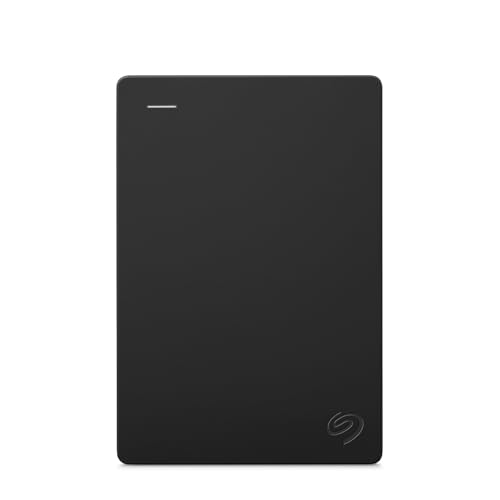
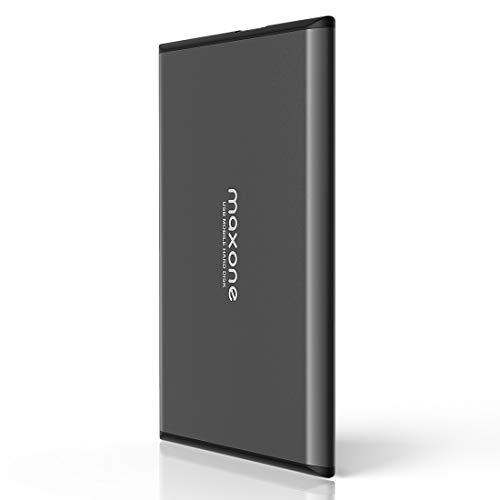
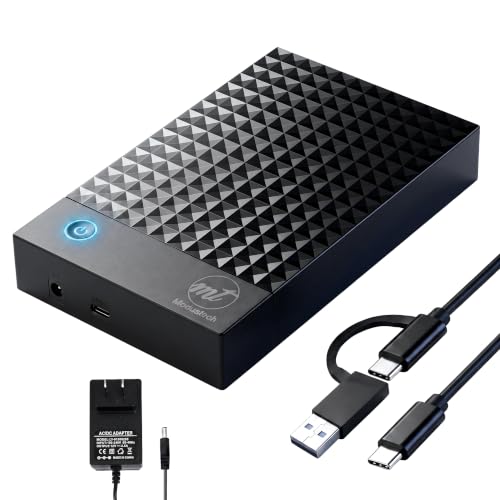
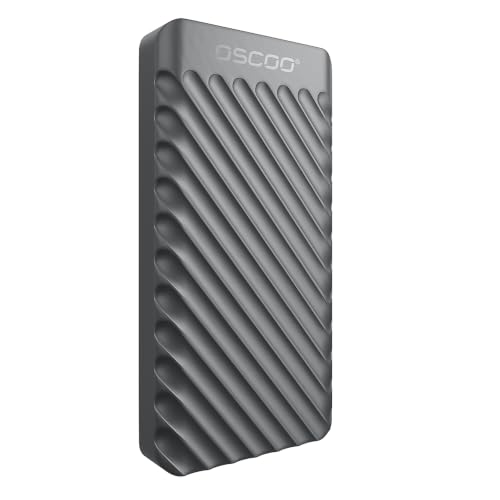
Best backup hard drives for pc keep your documents, photos, games, and work safe when a PC drive fails, ransomware strikes, or an update goes wrong. The table of picks below lines up PC backup drives by capacity, speed, and form, from portable models to desktop stations.
A PC backup drive must fit your workflow: automatic software for busy users, large capacity for media collectors, and fast restores for professionals. This guide explains drive types, capacity, speeds, software, and restore habits, so your PC data survives whatever happens next.





Who Needs a PC Backup Drive
Students, freelancers, gamers, photographers, and families all store irreplaceable work on PCs, from theses to client projects to photo archives. A single drive failure can erase years of effort, so every PC owner needs a backup plan.
Business users face extra stakes, since lost invoices, contracts, and client files carry legal and financial consequences. Even casual users benefit, since restoring a backed up PC after failure takes hours versus weeks of rebuilding.
Capacity and Drive Types
Portable drives suit laptops and small desks, offering up to several terabytes in a pocket sized unit powered by USB. Desktop drives offer larger capacities and better value per terabyte for fixed workstations with big media libraries.
Solid state drives back up and restore far faster than spinning drives and survive knocks better, though they cost more per terabyte. Size your drive at least twice your used space to allow version history and future growth.
Speed, Ports and File Systems
USB 3 and faster ports move large backups quickly, so match the drive to your fastest available port. Thunderbolt suits video editors, while USB serves most home and office backups well without premium cost.
Format the drive for Windows use and check compatibility with your backup software before committing large backups. Test a small backup and restore first, since format or permission problems are far easier to fix early than after a failure.
Comparing Related Options
Workflow advice starts with best hard drives for backups for general backup strategy and best external backup hard drives for external models. Time Machine focused guidance lives in best hard drives for time machine backup, while best hard drives for backup storage covers archival capacity and best portable hard drives for pc suits laptop owners.
Compare shortlisted drives on capacity headroom, restore speed, software automation, and warranty. A drive that backs up silently on schedule and restores in one click beats a faster drive with confusing software you avoid using.
Backup Software and Automation
Windows built in backup tools cover basic file history and system images free, while third party software adds versioning, encryption, and cloud sync. Choose software you understand, since a confusing tool leads to skipped backups.
Schedule backups daily or weekly depending on how often files change, and include system images periodically for full disaster recovery. Automate everything possible, because manual backups fail the moment life gets busy.
Restore Testing and the 3-2-1 Rule
Test restores every few months by recovering sample files to a separate folder and confirming they open correctly. A backup never tested is a hope, not a plan, and testing reveals permission or format problems while you still have the original.
Follow the 3-2-1 rule: three copies, two media types, one off site. For PCs, that means the original, a local backup drive, and a cloud copy or second drive stored elsewhere, protecting against failure, theft, and disasters alike.
Security, Encryption and Drive Life
Encrypt backup drives holding financial, medical, or client data, and store recovery keys separately from the drive. Ransomware can encrypt attached drives too, so disconnect backup drives after scheduled backups or use versioned cloud copies.
Replace backup drives after three to five years of regular use, and watch for clicking, slowness, or errors as early warnings. Migrate to a new drive while the old one still works, keeping both copies until the transfer verifies clean.
Backing Up Games and Large Libraries
Game libraries consume enormous storage, so back up save files and settings first, since game installs can be redownloaded while saves cannot. Cloud save sync covers many modern games, but check older titles that store saves locally only.
External drives suit game backups well, offering fast USB transfers for large installs when redownloading would take days. Label game backup drives clearly to avoid confusion with document backups during restores.
Prioritize irreplaceable data over reinstallable games when drive space runs short, since documents and photos matter more than game files. A tiered backup plan protects what cannot be replaced first.
Network Attached Storage for Homes
Network attached storage centralizes backups for every PC in a household, letting multiple computers back up automatically over wifi or ethernet. A NAS also serves media files to TVs and phones, adding value beyond backup alone.
NAS setup demands more technical comfort than a USB drive, including user accounts, RAID choices, and network security settings. Beginners should start with a simple two bay unit and grow into advanced features gradually.
Remember that a NAS in the same house does not satisfy off site protection, since fire or theft can destroy it alongside PCs. Pair NAS backup with a cloud copy or a rotated USB drive stored elsewhere for true disaster safety.
Cloud Hybrid Backup Strategies
Hybrid backup combines local drives for speed with cloud copies for disaster protection, giving the best of both worlds for most PC owners. Local restores handle everyday deletions quickly, while cloud copies rescue data after fires or theft.
Choose cloud providers with versioning and strong encryption, since these features protect against ransomware and unauthorized access. Verify cloud restore speeds before committing large libraries, since slow downloads frustrate urgent recoveries.
Schedule cloud uploads during off peak hours to avoid slowing daytime internet use, especially for large initial backups. Incremental uploads after the first full backup consume far less bandwidth and complete quickly.
Frequently Asked Questions
How large a backup drive should I buy for PC?
Buy a backup drive at least twice your currently used PC storage to allow growth and version history. A 1 TB drive suits many users, while gamers and video editors often need 2 TB or more. Check used space in settings first, then add headroom. Larger drives also keep more restore points for recovering older file versions.
Are portable drives reliable for PC backup?
Portable drives are reliable for PC backup when handled gently and disconnected after backups. They suit laptops and small desks, though they face more knocks than desktop drives. Choose a reputable brand, keep the drive cool and dry, and replace it after several years. Pair portable backup with cloud copies for disaster protection.
How often should I back up my PC?
Back up a PC at least weekly, and daily if files change constantly for work or study. Automated schedules remove forgetfulness and keep copies fresh. Run a manual backup after major projects, photo imports, or system changes.
Can I restore Windows from a backup drive?
Yes, a system image backup can restore Windows, apps, and settings to a replacement drive after failure. File history backups restore documents and photos without reinstalling Windows. Create a recovery drive alongside your backup for boot failures. Test the recovery process once while calm so a real failure feels manageable.
Do backup drives protect against ransomware?
Backup drives protect against ransomware only when copies stay disconnected or versioned, since attached drives can be encrypted too. Disconnect the drive after scheduled backups, keep version history, and add an off site cloud copy. Never rely on a single always attached drive. Versioned backups let you recover files from before the attack.
Final Thoughts
Choose best backup hard drives for pc by capacity headroom, restore speed, and software you will actually use. The drive that backs up automatically and restores cleanly wins. Set the schedule today, test restores regularly, and your PC data will survive failures, attacks, and accidents.

