
Best back up generators for home 2026
Disclosure: We may earn a commission when you buy through links on this page, at no extra cost to you. As an Amazon Associate I earn from qualifying purchases. Learn more

Keep your home running through a power cut. Compare standby, portable, and inverter generators on wattage, fuel, safety, and installation for home backup.
A power cut can spoil food, stop heating, and disrupt work, so a home backup generator is worth planning carefully. This guide to the best back up generators for home compares standby, portable, and inverter types on wattage, fuel, and safety. The comparison table below gives a quick side by side view of common options. The right generator depends on what you must keep running and for how long.
Start by listing essential loads: fridge, heating controls, lights, phones, and medical devices if any. Add their running watts and starting watts, since motors need extra power to start. That total, not a guess, should size your generator.




Who Should Buy a Home Backup Generator
A backup generator suits homes in areas with frequent or long outages, homes with medical needs, and households that work from home. It also suits homes with electric heating, well pumps, or freezers full of food, where an outage quickly becomes costly.
A generator is less essential if outages in your area are rare and short, and you have no critical loads. In that case, a small portable power station for phones and lights may suffice. Weigh outage history and critical needs honestly before investing, as covered in best home generators.
Types: Standby, Portable, and Inverter
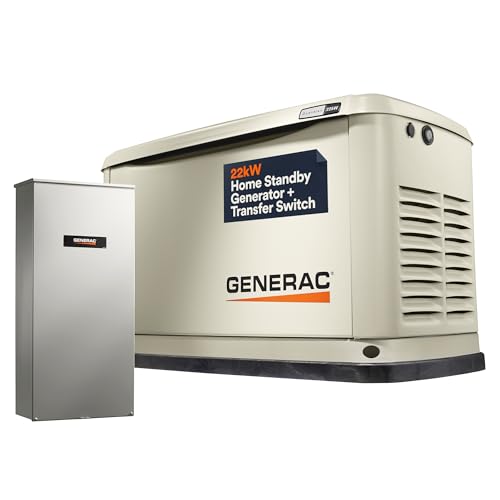
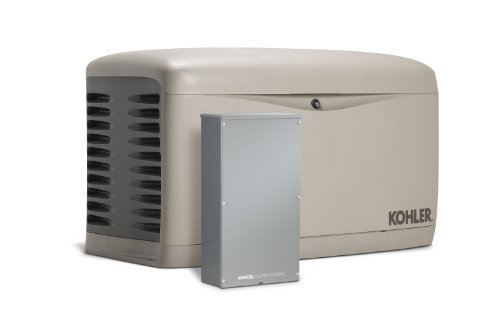
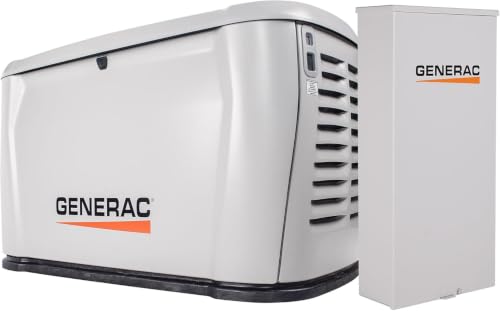
Standby generators are permanently installed, start automatically, and power part or all of a home. They cost most but offer the most convenience and capacity. They need professional installation, a fuel supply, and regular maintenance.
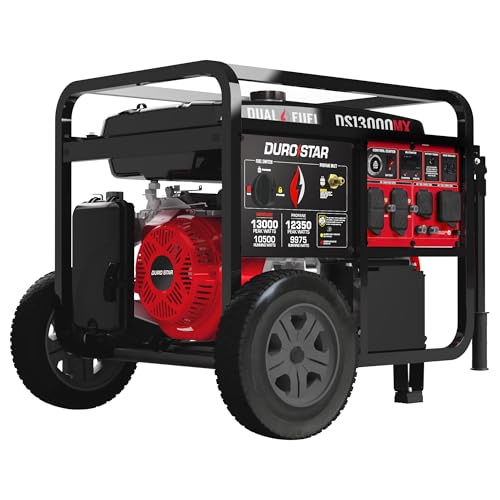
Portable generators are cheaper and flexible, but need manual setup, refueling, and extension cords or a transfer switch. Inverter portables are quieter and safer for electronics, suiting smaller essential loads. Choose type by outage length, budget, and how much automation you need.
Sizing: Running Watts and Starting Watts
Size by adding running watts for everything you plan to run at once, plus the highest starting watt for motor loads such as fridges and pumps. Undersizing causes overload shutdowns, while oversizing wastes fuel and money. A load list and a wattage check prevent both errors.
Prioritize essentials first, then add comfort loads if capacity allows. A generator that reliably runs essentials beats a larger generator that is poorly maintained or unsafe. If your needs grow, a transfer switch with load management can help a midsize generator cover more, as covered in best home standby generators.
Fuel, Runtime, and Storage
Fuel type affects runtime, storage, and availability during outages. Gasoline is widely available but degrades in storage, diesel stores longer and suits larger generators, and natural gas or propane offer convenience where available. Check fuel availability during storms, since stations may close.
Store fuel safely, rotate stock, and run the generator regularly to keep it ready. A generator that has sat unused for years may fail when needed most. Monthly runs under load, plus annual servicing, keep a backup generator dependable.
Safety: Carbon Monoxide and Electrical Rules
Carbon monoxide safety is critical: never run a portable generator indoors, in a garage, or near open windows and vents, even with doors open. Place it outdoors, well away from the home, with the exhaust pointing away. Install carbon monoxide alarms in your home and test them regularly.
Electrical safety matters too. Never backfeed power into your home wiring without a proper transfer switch installed by a qualified electrician. Backfeeding endangers utility workers and can damage your home. A transfer switch isolates your home from the grid safely during an outage, as covered in best home electric generators.
Installation, Noise and Planning Checks
Check local rules and permits before you buy, since standby units may need building permits, gas permits, or noise compliance. Portable units face fewer rules, but placement and fuel storage still matter. Confirming requirements early avoids costly changes after installation.
Check starting watts for well pumps and air conditioning, since these motor loads need far more power to start than to run. A generator sized only for running watts will stall when a large motor starts. Consider noise too: a loud generator running overnight disturbs neighbors and may breach local rules, so quieter inverter models and thoughtful placement help.
Plan fuel as carefully as wattage. Stored fuel degrades and is a fire risk if handled poorly, so use approved containers, keep them away from living areas, and rotate stock. Stations may be disrupted by the same storm that caused the outage, so know where you can refill and keep a reserve.
A standby generator is only useful if it starts when needed, so arrange annual servicing, battery checks, and load testing. Agree on a short list of essential loads, which comfort loads can wait, and keep a printed checklist near the generator covering placement, fuel, load connection, and carbon monoxide alarm checks. Practice the routine once before a real outage, and a stressful night becomes a calm one. For more on this topic, see best home backup generators.
Frequently Asked Questions
What size generator do I need for home backup?
Size by listing essential loads and adding running watts plus the largest starting watt. Most homes need a midsize portable for essentials, while whole home backup needs a larger standby unit. A load list prevents undersizing, which causes shutdowns, and oversizing, which wastes fuel.
Can I run a generator indoors during a storm?
No, never run a portable generator indoors, in a garage, or in any enclosed space, because carbon monoxide can kill quickly and without warning. Always place it outdoors, far from windows, doors, and vents, and install carbon monoxide alarms in your home.
Do I need a transfer switch?
Yes, for any generator connected to home wiring, a transfer switch installed by a qualified electrician is essential for safety. It prevents backfeeding power to the grid, which endangers utility workers. Portable generators powering individual appliances with extension cords do not need a transfer switch.
How often should I run my backup generator?
Run it monthly under load for a short period to keep the engine, battery, and fuel system healthy, and service it annually. Check oil, filters, and fuel condition during servicing. A generator maintained this way is far more likely to start when an outage occurs.
Is a standby generator worth the cost?
For homes with frequent, long outages or critical loads such as medical devices, a standby generator is often worth it for automatic, whole home cover. For rare, short outages, a portable generator or power station usually offers better value. Base the choice on outage history and critical needs.
Final Thoughts
The best backup generator for your home reliably powers your essentials, uses a fuel you can store safely, and is installed with proper electrical protection. Use the product table above to compare types, then size by a real load list, not a guess.
Never compromise on carbon monoxide and electrical safety. With careful sizing, installation, and maintenance, a backup generator brings real peace of mind during outages. In short, choosing the right best back up generators for home comes down to matching the guidance above to your own needs and routine.


