Best Baby Sound Machines: A Buying Guide for Parents
A practical buying guide to choosing a baby sound machine: sound type, safe volume, timers, portability, and setup tips for better nursery sleep.
A baby who startles at every floorboard creak or passing car rarely sleeps through the night, and that is usually the moment parents start shopping for help. Choosing among the best baby sound machines can feel harder than it should be, mostly because most buying guides only talk about one sound type and ignore everything else that actually shapes how well the device works. This guide covers the full picture: the range of sounds worth considering, the smart features that genuinely earn their keep, the safety limits pediatric experts recommend, and how to decide between a fixed nursery unit and something you can toss in a diaper bag.

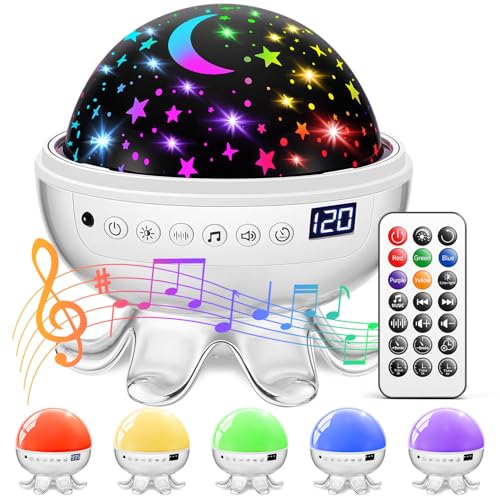
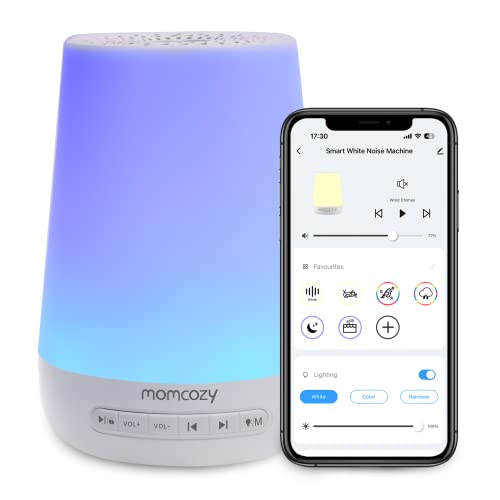
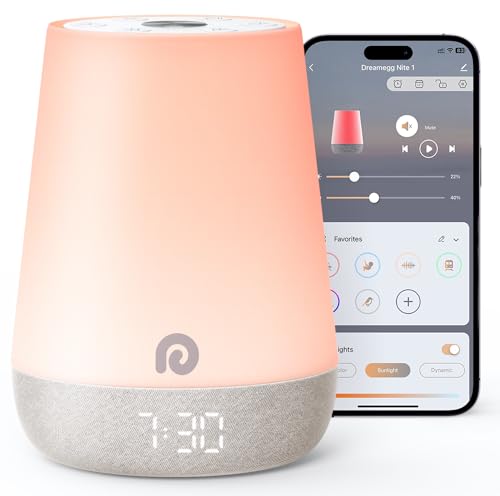
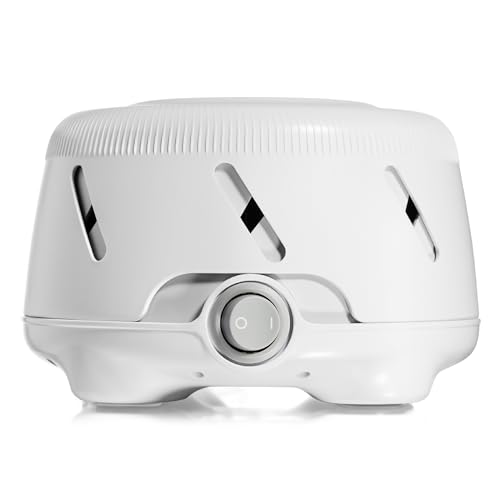
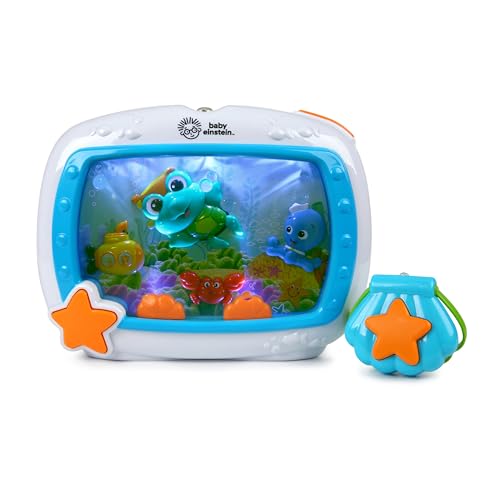

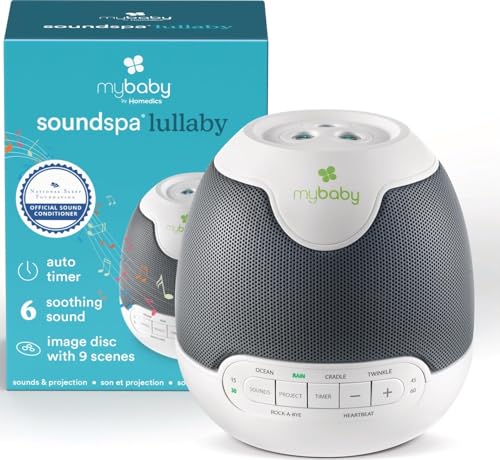
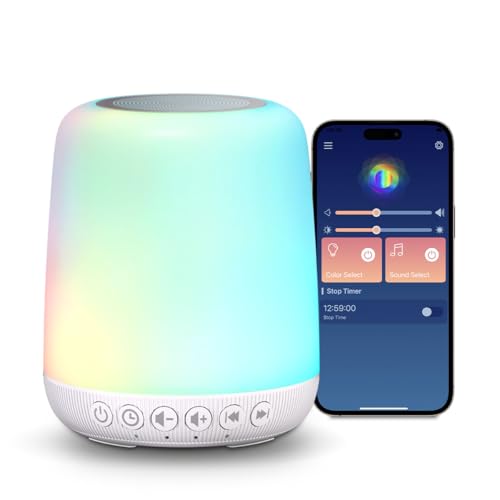
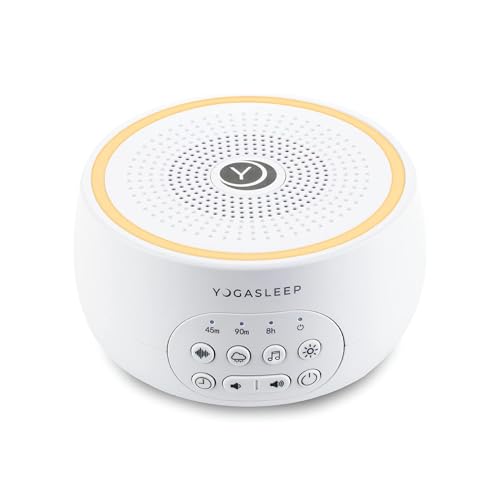
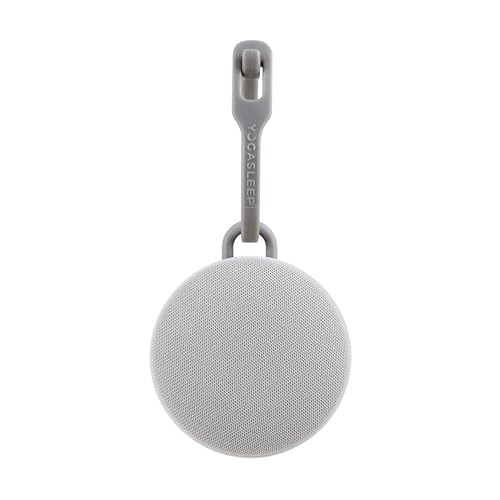

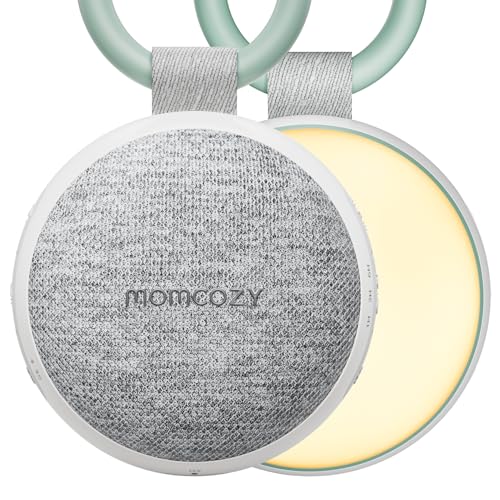
More Than White Noise: The Sound Types Worth Knowing
White noise gets most of the attention, but a good baby sound machine offers more than one option, and the right choice often depends on your baby's temperament rather than what is trending.
Steady Noise Colors: White, Pink, and Brown
White noise covers the full frequency range at equal intensity, which makes it the most effective option for masking sudden sounds like a barking dog or a door closing down the hall. Pink noise softens the higher frequencies, giving it a deeper, softer texture that some parents describe as closer to rainfall. Brown noise goes a step further, emphasizing low bass tones similar to distant thunder or a running dishwasher. None of these is objectively better; babies often respond differently, so a machine that offers all three gives you room to experiment.
Lullabies and Melodic Loops
Musical tracks feel more personal, but they come with a tradeoff: melodies rise and fall in volume and often loop with an audible seam, both of which can startle a light sleeper rather than settle one. If you want a lullaby option, look for tracks that fade smoothly at the loop point instead of cutting abruptly.
Heartbeat and Womb-Like Sounds
Rhythmic heartbeat or womb sounds are popular for newborns because they echo the environment babies just left. They tend to work best in the earliest months and may lose their soothing effect as your baby gets older and more aware of their surroundings.
Nature Sounds and Ambient Tracks
Rain, ocean waves, and forest ambiance sit somewhere between steady noise and music. They are generally gentler than a full melody but still carry more variation than true white noise, so they suit babies who find flat static a little harsh rather than newborns who need maximum masking.
Smart Features That Actually Help at 2 a.m.
Extra features can be genuinely useful or just marketing filler. Here is how to tell which ones matter once you are running on four hours of sleep.
App Control and Remote Adjustments
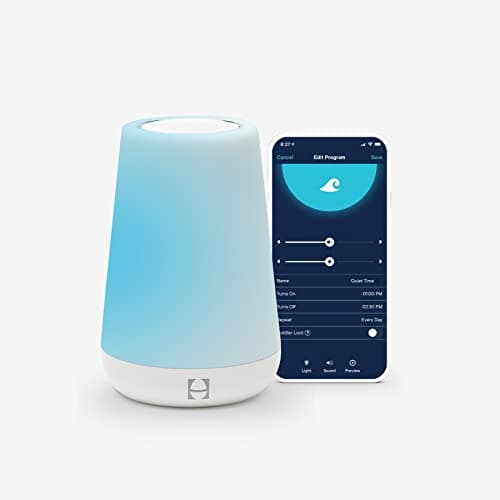
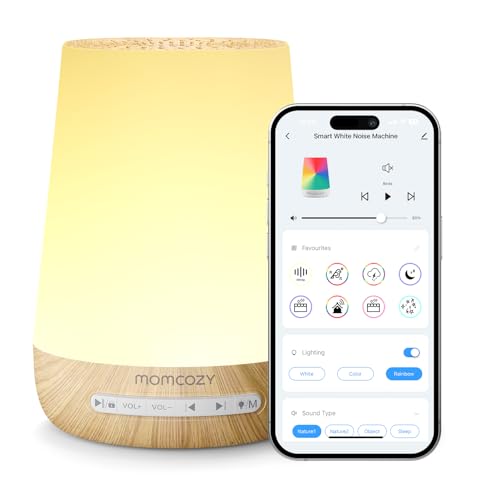
A sound machine that connects to your phone lets you lower the volume, switch sounds, or check settings without opening a creaky nursery door. This matters most if more than one caregiver handles nighttime duty, since everyone can see and adjust the same settings instead of guessing what was set the night before. Pairing an app-controlled unit with a baby monitor that covers more than one room lets you manage sound and keep an eye on your baby from a single app.
Timers and Auto-Shutoff vs Continuous Play
Some machines run for a set number of hours before shutting off, while others play all night. For newborns who wake for frequent feedings, continuous play tends to work better, since a machine going silent mid-sleep can cause a jarring wake-up. If you prefer a timer, choose a setting long enough to cover a full stretch of sleep.
Night Light and Light Sensor Functions
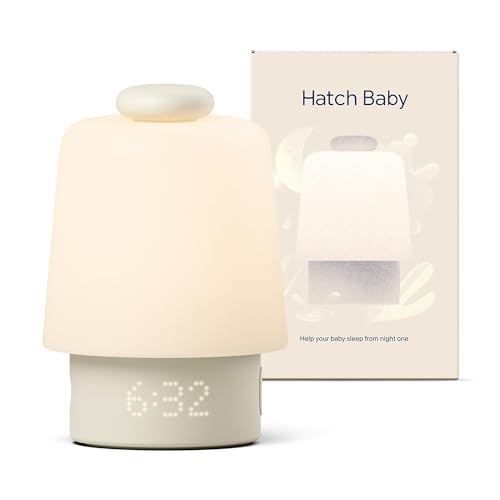
A built-in, dimmable light is handy for diaper changes without flipping on an overhead fixture, and some models even adjust brightness automatically based on the room's ambient light. If a soft glow at bedtime matters to your setup, it is worth comparing options the same way you would a dedicated night light, since not every built-in light dims low enough for a dark room.
Multi-Room and Multi-Caregiver Syncing
Families with more than one child, or a nursery and a playroom that both need sound, sometimes look for machines that sync settings across units. This is a niche feature, but if it applies to your household, confirm the sync works over your home Wi-Fi rather than requiring both devices in the same room.
Keeping the Sound Safe for Little Ears
A baby sound machine that helps your baby sleep should never come at the cost of their hearing, and the safety guidance here is worth taking seriously rather than treating as fine print.
Volume Limits That Matter
Pediatric guidance generally recommends keeping sound machine output at or below roughly 50 decibels near your baby's sleep space, comparable to a quiet conversation. Check how quiet a unit's lowest setting actually gets before you buy, since many machines are louder than expected even on their minimum volume.
Placement and Distance from the Crib
Guidance from pediatric sleep specialists suggests keeping the machine at least seven feet from your baby's head, never inside the crib or clipped to the rail. Placing it across the room on a dresser or shelf usually keeps the volume within a safe range while still doing its job.
How Long Is Too Long
Most guidance recommends limiting sound machine use to the time your baby actually needs to fall and stay asleep rather than running it around the clock. Constant background noise all day can also make the sound less effective as a specific cue for bedtime.
Choosing Between a Nursery Fixed Unit and a Travel Companion
How and where you plan to use your baby sound machine matters just as much as which sounds it offers.
Plug-In Units for a Permanent Nursery Setup
Plug-in machines never run out of battery mid-sleep, which makes them a dependable choice for a nursery that stays put. They also tend to be the most affordable option since portability features add cost. If your nighttime routine includes a rocking chair for feeds, positioning the unit at a consistent distance from both the crib and your nursery glider helps keep sound levels predictable no matter where you are sitting.
Battery and Rechargeable Models for Life on the Go
Compact, battery-powered units are built for grandma's house, hotel stays, or clipping onto a stroller for naps out and about. Check the battery life on a full charge and whether the unit can also run plugged in when you are home, so you are not stuck buying two separate machines.
Frequently Asked Questions
What sounds work best for a baby sound machine?
Steady options like white, pink, or brown noise are generally the safest bet for masking sudden noises without the volume swings of music or nature tracks. Many parents find a simple continuous tone easier for their baby to sleep through than a looping melody.
How loud should a baby sound machine be?
Aim for roughly 50 decibels or lower measured at your baby's sleep position, about the volume of a quiet conversation. Most pediatric guidance also recommends keeping the unit at least seven feet from the crib.
Where should I place a sound machine in the nursery?
Set it across the room on a dresser or shelf rather than inside the crib or clipped to the rail beside your baby's head. This keeps the sound at a safer, more consistent volume.
Is an app-controlled baby sound machine worth the extra cost?
It depends on your household. App control is most useful when multiple caregivers share nighttime duty or when you want to adjust settings without opening the nursery door, but it is not essential for every family.
Can I use the same sound machine for home and travel?
Some models handle both well if they run on battery power but can also plug in at home. If portability matters to you, prioritize a compact, rechargeable unit over a bulky plug-in model.
How long can I safely run a sound machine each night?
Most guidance suggests using it for the length of your baby's sleep stretch rather than leaving it on continuously throughout the day. Running it only when needed also helps it stay effective as a bedtime cue.
Do sound machines with a night light help at all?
A dim, built-in light can be convenient for late-night diaper changes, but check that it dims low enough not to disrupt sleep on its own. It is a nice-to-have rather than a must-have feature.
Finding the Right Fit for Your Family's Nights
There is no single correct answer to which baby sound machine is right, since the best pick depends on your baby's temperament, how many caregivers share the routine, and whether the machine needs to travel with you. Weigh sound variety, safety limits, and portability together rather than focusing on just one, and you will end up with a machine that actually earns its spot in the nursery.