Best Night Light for Sleeping: Complete Buying Guide

You wake up at 2 a.m. and need to get to the bathroom without turning on the overhead light and blowing your eyes wide open for the next hour. Or maybe you share a bed with someone who reads before sleep while you're trying to drift off in the dark. Either way, the best night light for sleeping is the one that gives you just enough visibility to move safely without tricking your brain into thinking it's morning. The wrong choice, bright, blue-white, and left running all night, can do more damage to your sleep than no light at all. This guide walks through the light qualities that matter most, how to match a light to the way you'll actually use it, which extra features are worth paying for, and how the right setup can cut down on nighttime falls for older adults or anyone unsteady in the dark.

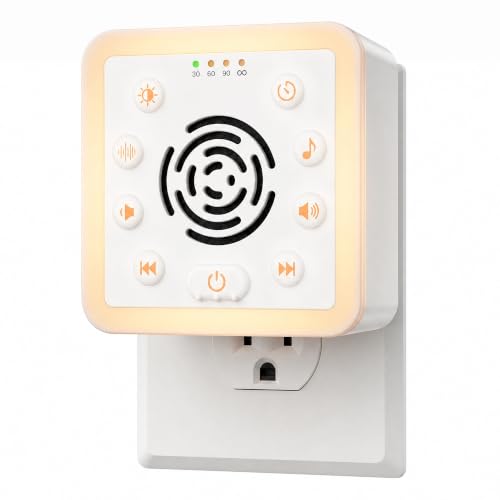
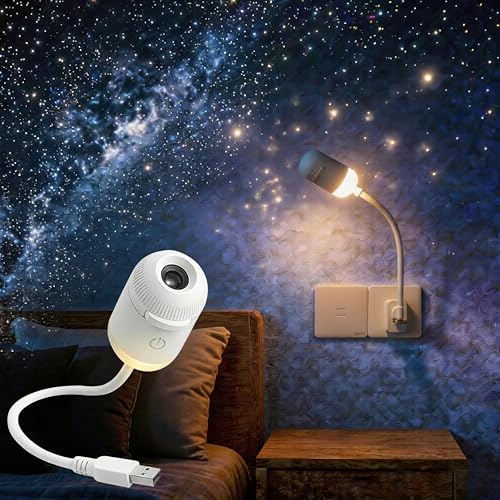
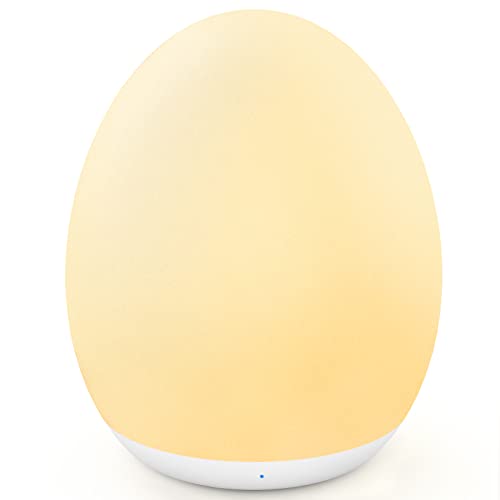
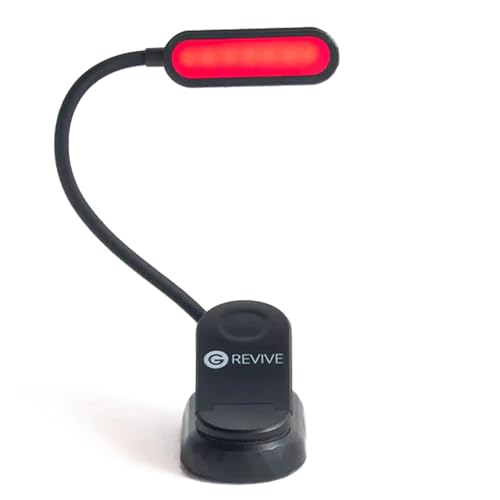
Why Light Color Determines Whether a Night Light Helps or Hurts Your Sleep
Not all dim light is equal once your eyes are involved. The color and intensity of a light shape how much your brain treats it like daylight, and that reaction is what separates a night light that helps from one that quietly works against you.
The Wavelength Your Brain Actually Reacts To
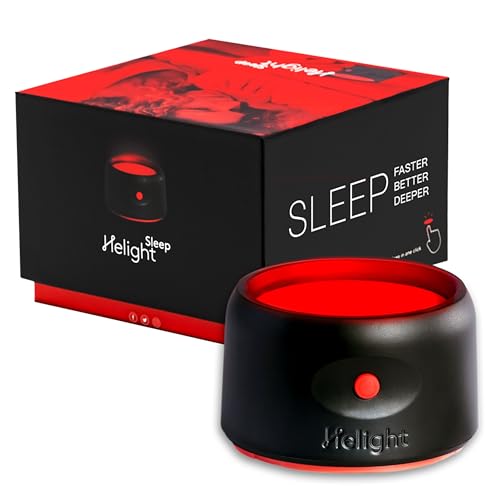
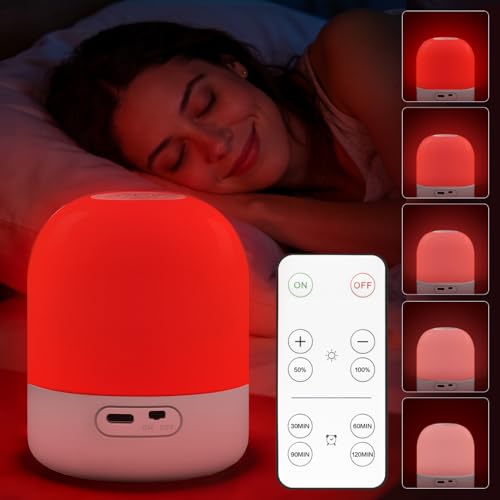
Your retina has light-sensitive cells that are especially tuned to short blue wavelengths, and when those cells fire, they send a signal to your brain's internal clock that it's time to be alert. Red and amber light sit at the opposite end of the visible spectrum, so they trigger far less of that response. Research on evening light exposure has found that red and warm amber wavelengths have a much smaller effect on melatonin than white or blue-toned light does, which is why sleep researchers consistently point to warm colors for anything used after dark. If a product description mentions color temperature, treat anything below the warm range as a signal it belongs in a kitchen or office, not a bedroom.
How Many Lumens Is Too Many for a Bedroom
Brightness matters just as much as color. A light strong enough to read by, generally anything above 10 to 15 lumens, is almost always overkill for simply walking across a room. Something in the low single digits is usually enough to make out furniture and doorways without fully waking you up. A built-in dimmer is worth the extra cost here, since it lets you dial brightness down to whatever your own eyes need rather than settling for a fixed output that's too much or too little.
Matching the Light to How You Actually Move Through the Night
The best night light for sleeping setup rarely comes from a single fixture. It usually comes from placing the right type of light in each spot you actually use after dark.
Nightstand and Bedside Lighting
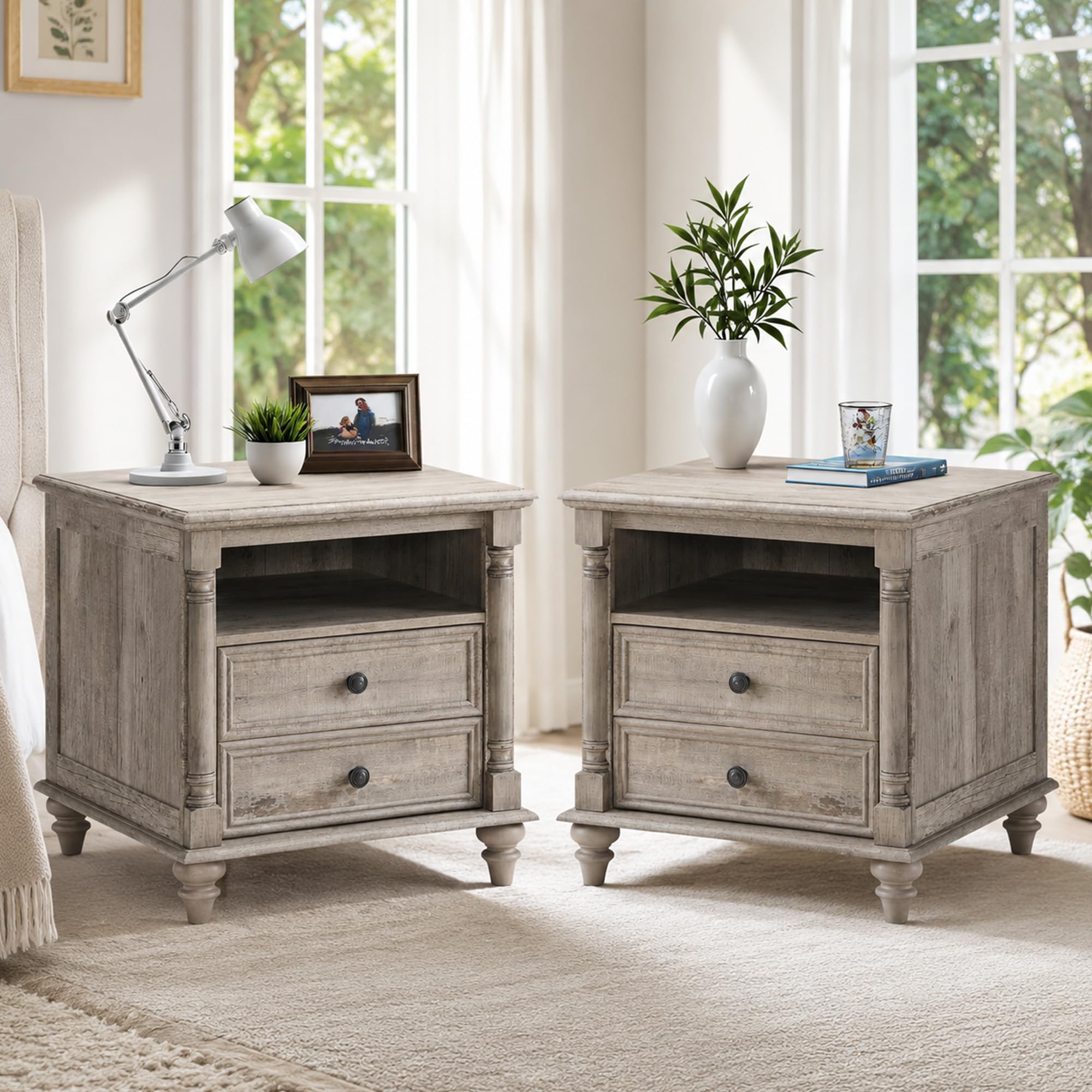
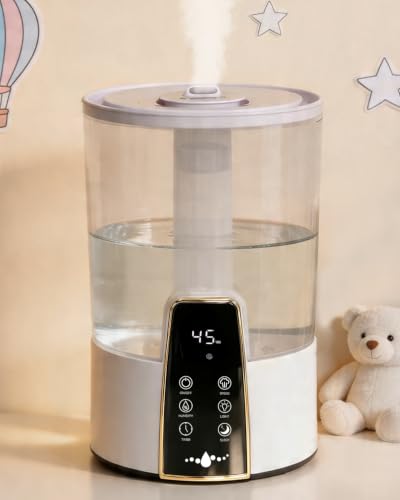
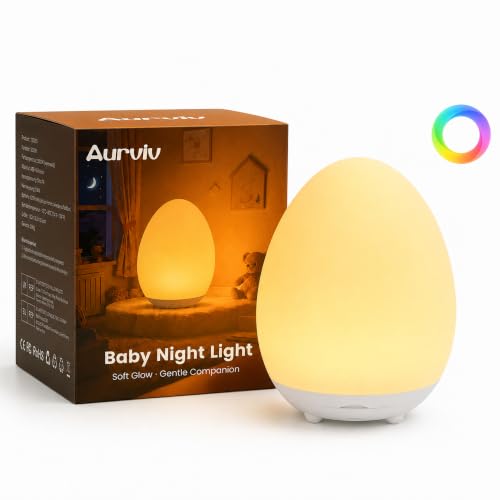
A light kept within arm's reach needs to be dim enough that it doesn't shine directly into your eyes once you're lying down. Some people prefer a small dedicated night light here, while others repurpose a dimmable bedroom table lamp turned down low, or pair it with a fan or humidifier already sitting on the same surface, since bedside real estate tends to fill up fast.
Hallway and Bathroom Paths
Lights positioned only near a doorway leave the middle of a hallway dark, which defeats the purpose. Plan for coverage along the whole route you actually walk, not just the entry and exit points, especially if that path includes stairs or a turn where a stubbed toe is more likely.
Shared Bedrooms and Light-Sensitive Sleepers
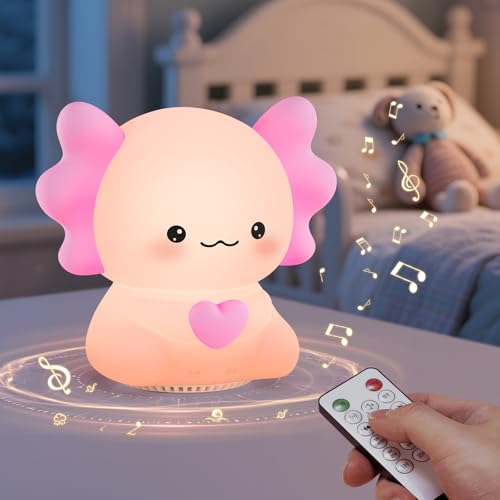
When two people share a room and only one needs light, brightness and placement both need to accommodate the person who doesn't. A dim light angled toward the floor rather than the bed usually works for both sides. Families with young kids often need a separate, sturdier option built for a child's room, and it's worth looking at nightlights made specifically for toddlers rather than assuming an adult-focused model will hold up to the same daily handling.
Motion Sensors, Dimmers, and Other Features Worth Paying For
Once color and brightness are sorted out, the features that separate a basic night light from a genuinely convenient one come down to how much thinking it saves you.
Motion-Activated vs Dusk-to-Dawn Sensors
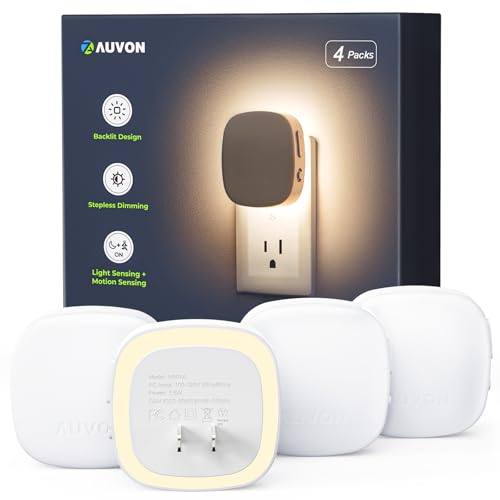
A dusk-to-dawn sensor keeps a light off during the day and on automatically once a room goes dark, which suits a spot you want lit every single night without fail. Motion sensors instead stay dark until someone walks past, then switch on briefly and shut off again, which saves battery and avoids a light glowing all night in a room nobody's using.
Dimmers and App-Based Smart Controls
Manual dimmers let you set brightness once and forget about it, while app-connected options, including many smart light bulbs with a warm night mode, let you schedule color and brightness changes automatically as bedtime approaches. The convenience is real, but it's worth asking whether you want one more device tied to a phone app before paying extra for it.
Timers for a Bedtime Routine
A built-in timer that shuts a light off after 15 or 30 minutes suits a routine where you only need light briefly, whether that's reading a few pages or settling a child back down. It also prevents a light from running unnecessarily in a room that's otherwise dark enough on its own.
Reducing Nighttime Fall Risk for Older Adults and Frequent Walkers
Falls are one of the more common injuries tied to nighttime bathroom trips, and older adults who get up multiple times a night are at the highest risk. Picking the best night light for sleeping in this situation is as much about fall prevention as it is about sleep quality, and it only works if it's set up with that goal in mind rather than as an afterthought.
Motion-sensor lights placed along the full bedroom-to-bathroom path work better than a single fixture near the bed, since they light each step of the way without requiring anyone to fumble for a switch. Keep brightness high enough to reveal a rug edge or a step down, but still warm-toned rather than harsh white, since the goal is safe visibility, not full wakefulness. For anyone shopping specifically for a parent or grandparent, prioritize simple, obvious controls over feature-heavy models. A light that's confusing to operate half-asleep defeats its own purpose.
Frequently Asked Questions
What color night light is best for sleep?
Warm amber or red-toned light is generally considered best, since these wavelengths have the smallest effect on melatonin production. Bright white or blue-toned lights are more likely to signal your brain that it's daytime.
Is it bad to sleep with a night light on?
A dim, warm-toned light is unlikely to meaningfully disrupt sleep for most adults, particularly if it's placed away from direct eye contact. Bright or cool-toned lights left on all night are far more likely to interfere with sleep quality over time.
How bright should a night light be for a bedroom?
Most bedrooms only need a few lumens, just enough to make out shapes and furniture without lighting the whole room. If you can comfortably read fine print by it, it's brighter than what's ideal for sleep.
Do motion sensor night lights disrupt sleep?
Not typically, since they stay off until triggered and shut back off shortly after. They tend to work best in hallways and bathrooms rather than right beside the bed, where a light that switches on with every small movement could become more distracting than helpful.
What is the best night light for elderly parents or grandparents?
Look for a motion-activated, warm-toned model with simple, obvious controls placed along the full path between bedroom and bathroom rather than a single light near the bed. Reliability and ease of use matter more than extra features for this use case.
Should a night light be plugged in or battery powered?
Plug-in models make sense for a fixed spot like a hallway or bathroom, since they never need charging. Battery or USB rechargeable versions suit a nightstand or any spot where you might want to move the light between rooms.
Making Your Decision
The details that matter most are simple: warm color temperature, low brightness with a dimmer if you can get one, and placement that matches how you actually move through your home at night. Motion sensors and timers add convenience, and for older adults or anyone prone to nighttime falls, a properly placed light can make a real safety difference. Keep those basics in mind and you'll end up with a light that helps you get back to sleep instead of working against it.