Best Autumn Boots: Every Type Explained Side by Side in 2026
Disclosure: We may earn a commission when you buy through links on this page, at no extra cost to you. As an Amazon Associate I earn from qualifying purchases. Learn more
Best autumn boots for wet leaves and cool walks, compared by type, waterproofing, fit and grip.
Autumn brings a confusing mix of wet leaves, cool mornings, muddy paths, and dry indoor floors, and one pair of boots rarely handles all of it well. Some boots keep water out but feel heavy on dry days, while others feel light but soak through on the first rainy walk. Best autumn boots are the ones that match your main autumn routine, not the ones with the most features on the label. This guide compares the main boot types side by side, so you can see the trade offs before you look at the product table.
Start with where you walk most. A daily commuter needs grip on wet pavement and a pair that feels comfortable all day. A trail walker needs ankle support and a sole that grips mud and loose leaves. A person who stands for long periods needs cushioning and a roomy toe box, and once you know your main use, the choice of waterproofing, support, and sole design becomes much clearer.





Types of Autumn Boots Compared
The table below gives a quick overview of the main autumn boot types. Use it to spot the type that fits your routine, then read the sections that follow for the trade offs that matter in daily wear. Prices are approximate, and they vary with materials, construction, and brand.
| Type | Best For | Pros | Cons | Typical Price |
|---|---|---|---|---|
| Waterproof Hiking Boots | Wet walks and muddy trails | Keeps feet dry, strong grip, ankle support | Can feel warm and stiff at first | about $50 to $150 |
| Lace-Up Combat Boots | Daily wear and city streets | Secure fit, durable, easy to style | Less waterproof, heavier than a shoe | about $35 to $90 |
| Lined Ankle Boots | Cool mornings and casual outings | Cozy, easy to pull on, light | Limited protection in steady rain | about $30 to $80 |
| Mid-Calf Lined Boots | Cold, damp days and light snow | Extra warmth and coverage | Can overheat on mild days | about $45 to $100 |
Waterproof Hiking Boots
Waterproof hiking boots use a sealed upper, a water resistant membrane, or a treated leather or synthetic shell to keep rain and puddles out. They work best for wet commutes, muddy trails, and garden work in autumn, when the ground stays damp for hours. The main advantage is dry feet in conditions that would soak through a lighter shoe. The main drawback is warmth, since a sealed boot breathes less than an open shoe.
Lace-Up Combat Boots
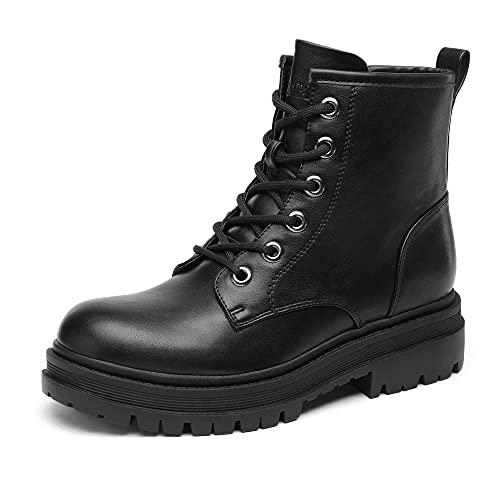
Lace-up combat boots suit people who want a sturdy everyday boot that looks good with jeans and layers. The laces let you adjust the fit around the ankle, and the lugged sole gives decent grip on wet pavement. Many are not fully waterproof, so they suit damp days better than heavy rain. A light leather conditioner or waterproofing spray can help them cope with showers.
Lined Ankle Boots
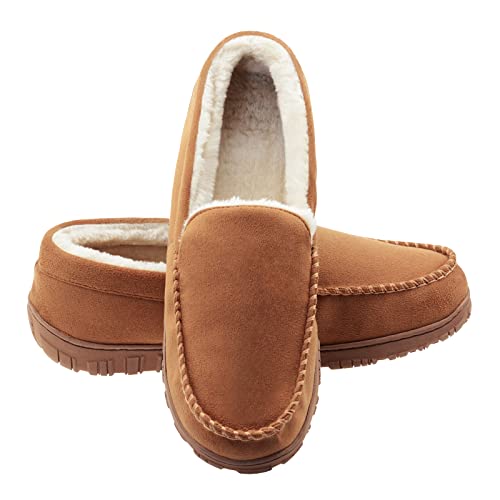
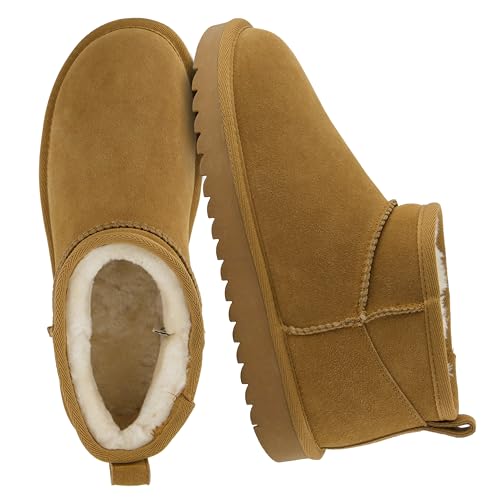
Lined ankle boots, including suede and pull-on styles, are the comfortable choice for cool mornings and casual days. A soft lining adds warmth without much weight, and a zipper or elastic panel makes them quick to put on. Suede and fabric uppers soak up water, so they are a poor match for puddles and mud. Keep them for dry or lightly damp days.
Mid-Calf Lined Boots
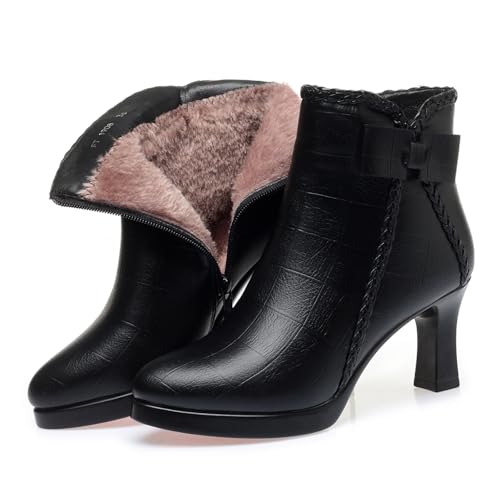
Mid-calf lined boots cover more of the leg and often add a plush or fleece lining. They work well late in the season when mornings turn cold and the ground is wet. The trade off is heat on mild afternoons, and a taller shaft can feel bulky if you wear skinny pants. If your area gets real snow, see our guide to women's winter boots or men's winter boots instead.
Waterproof vs Water Resistant Autumn Boots
Choose fully waterproof boots for almost all outdoor autumn use if you walk in rain, mud, or wet leaves. A waterproof boot protects against puddles and damp ground, while a water resistant pair copes with light drizzle but soaks through in steady rain. Water resistant boots usually breathe better and feel lighter, which suits dry days and indoor-heavy routines.
Compare the two by protection, warmth, grip, and comfort. Waterproof boots lead on protection and grip, while water resistant boots lead on lightness and breathability. If you only want one pair for autumn, choose waterproof, because outdoor protection matters more in this season. For very wet weather, a dedicated pair of rain boots may suit you better.
How to Choose the Best Autumn Boots
Choosing well means checking fit, support, and sole grip together, not judging one feature alone. A boot can have excellent waterproofing and still fail if the toe box pinches or the heel slips. Walk in the boot, try it on a wet surface if possible, and wear the socks you plan to use in autumn.
Fit, Sizing, and Toe Box
Measure your feet in the afternoon, when they are slightly larger, and fit the larger foot first. A roomy toe box lets your toes spread naturally, which helps balance on uneven autumn ground. Your heel should stay in place without lifting, and your longest toe should have a thumb width of room in front. If you plan to wear thick socks, bring them to the fitting.
Cushioning and Support
Cushioning absorbs impact on pavement and hard floors, while support guides the foot through each step. A thicker midsole feels softer at first, but it can also feel less stable on uneven ground. A firmer midsole feels steadier, but it may need a short break in period. Look for a stable heel and a shank or firm midsole if you plan to cover trails.
Arch Support and Foot Shape
Flat feet often feel better with a firmer arch shape and a stable heel, while high arches often need more cushioning. Removable insoles are useful because you can swap in your own if you need a different shape. Support should feel steady, not rigid or painful. For persistent or worsening foot pain, see a doctor rather than trying to fix it with footwear alone.
Sole and Grip
Deep, widely spaced lugs shed mud and grip wet leaves better than a smooth or shallow tread. Rubber soles usually hold up better on wet pavement than hard plastic ones. Check that the sole is flexible enough to bend at the ball of the foot, yet firm enough that it does not twist easily.
Break In Period and Comfort Out of the Box
Some autumn boots feel comfortable at once, while others need several short walks to soften. Leather boots often need more break in time than synthetic boots. Start with short walks around the house or on dry paths, then build up to longer wet walks. If a boot causes blisters, pinching, or numbness during short wear, it is unlikely to improve with more time.
Durability and Expected Lifespan
Durability depends on materials, construction, and how often you wear the boot. A well made pair used daily may last one to two seasons, while a pair used only for weekend walks may last longer. The outsole usually wears first on pavement, and the waterproof treatment fades with use and cleaning. Replace a boot when the sole loses grip, the upper leaks, or the cushioning feels flat and uneven.
How to Make Your Autumn Boots Last Longer
Rotate two pairs for daily wear when you can, so each pair dries fully between uses. Air dry wet boots away from direct heat, since radiators and fires can crack leather and weaken adhesives. Clean mud and leaves from the outsole and upper after wet walks, and follow the manufacturer's instructions for waterproof care. A boot tray by the door also keeps wet pairs off your floor; see boot trays for ideas.
FAQs
Can I wear autumn boots all day?
Yes, you can wear autumn boots all day if they fit well, cushion your feet, and suit the surfaces you walk on. Choose a pair with a roomy toe box, a stable heel, and a sole that grips wet pavement without feeling heavy. Take short breaks and change into comfortable slippers at home if your feet feel tired. If pain persists or worsens during all day wear, see a doctor rather than pushing through it.
Do I need waterproof autumn boots?
You need waterproof autumn boots if you walk in rain, mud, or wet leaves for much of autumn. A water resistant pair may cope with light drizzle, but it will soak through in steady rain or deep puddles. Waterproof boots keep socks dry, which helps comfort on longer walks. If you mainly walk on dry pavements, a water resistant pair may be enough.
How often should I replace my autumn boots?
You should replace autumn boots when grip fades, waterproofing fails, or cushioning feels flat, rather than on a fixed calendar date. Daily wear in wet weather may wear a pair out in one to two seasons, while occasional weekend use can last longer. Check the outsole tread, the heel area, and the upper seams during cleaning. If the boot leaks, tilts, or no longer supports your foot evenly, replacement will serve you better than repair.
How should autumn boots fit?
Autumn boots should fit with a thumb width of room in front of your longest toe, a heel that stays in place, and a toe box that lets your toes spread. Fit them in the afternoon with the socks you plan to wear, and walk for several minutes before deciding. Your feet should feel secure without pinching, and the boot should not slip at the heel on slopes. Comfort after a walk matters more than a neat look in the shop.
Are expensive autumn boots worth it?
Expensive autumn boots are worth it when you walk daily in wet weather, need strong grip, or want longer lasting waterproofing and construction. Premium materials and better stitching can extend life and comfort, especially for trail use. For light city use on dry pavement, a mid priced pair often gives a similar everyday result. Compare what the extra cost buys, such as a better outsole, a longer warranty, or a more durable upper.
The Bottom Line
Fit, waterproofing, and grip are the three criteria that matter most in autumn. A boot that fits well, keeps water out on your usual routes, and grips wet leaves will serve you far better than a boot with extra features but a poor fit. Compare the product table above with your main routine in mind, and choose the type that suits your weather, your surfaces, and your feet. Best autumn boots are not the most expensive pair on the page.
They are the pair that keeps you dry, steady, and comfortable through the season, day after day. Choose a type that matches where you walk, check the fit with autumn socks, and look at grip on wet ground before you commit.