Best Anti Slip Winter Boots 2026: Every Type Explained Side by Side
Disclosure: We may earn a commission when you buy through links on this page, at no extra cost to you. As an Amazon Associate I earn from qualifying purchases. Learn more

Compare the best anti slip winter boots by type, traction, insulation, and price. A practical guide to fit, cold ratings, and care for daily winter wear.
Winter boots blur together on the shelf: insulated, waterproof, and traction claims on every box. The best anti slip winter boots for you depend on how your winter actually looks, from slushy commutes to frozen sidewalks. This guide compares the main types side by side, and the comparison table below sums up where each one fits best.
Grip first, in plain terms. Anti slip names a tread and rubber compound class, and no boot class can promise that you will not fall, so read any cannot slip wording as a warning sign about the seller. Cold needs the same honesty: maker temperature ratings are not standardised, so one brand may rate a boot for far colder weather than a rival with the same insulation. Judge warmth by insulation and fit. If toes stay numb after you come indoors, warm them gently and ask your doctor if feeling does not return.
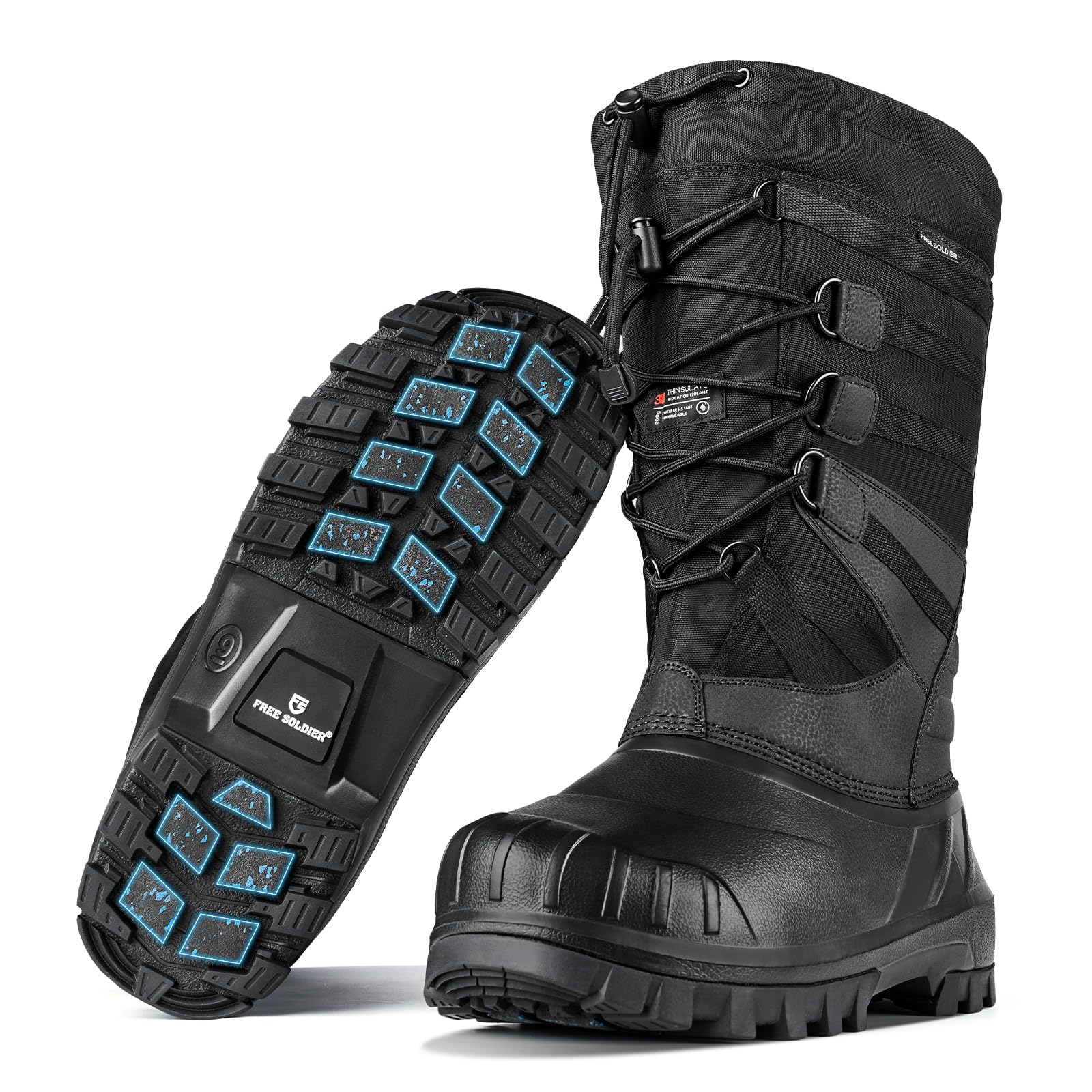
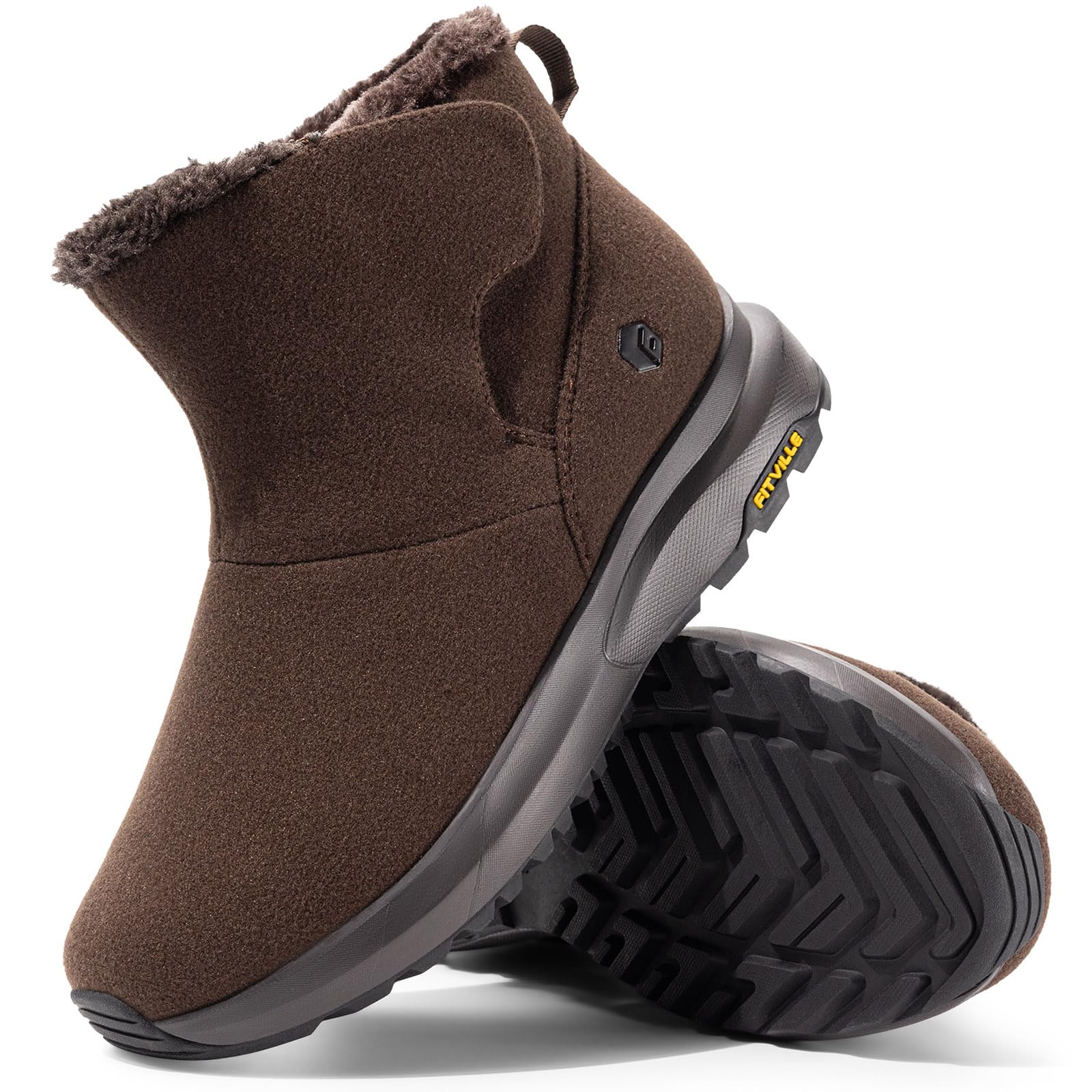
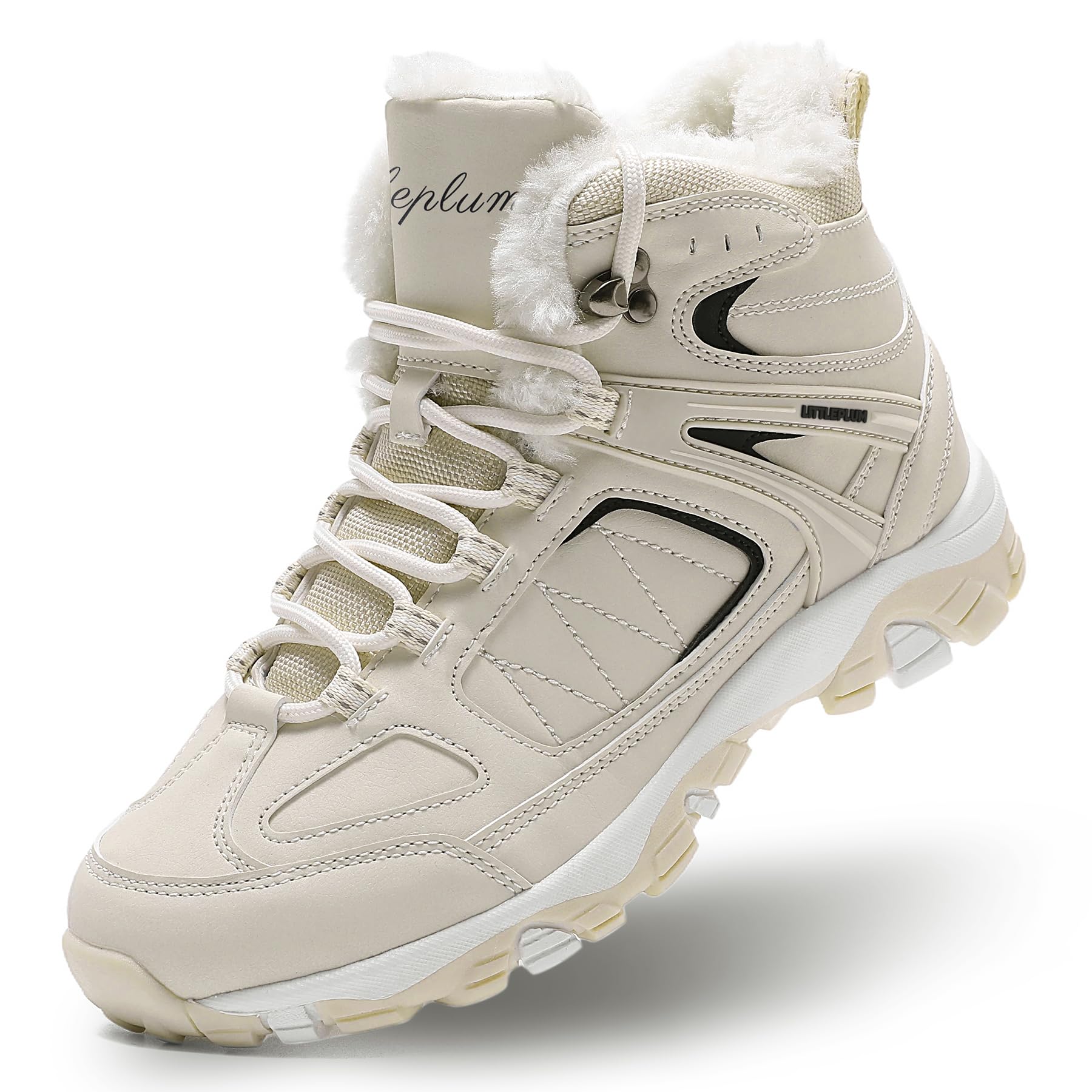
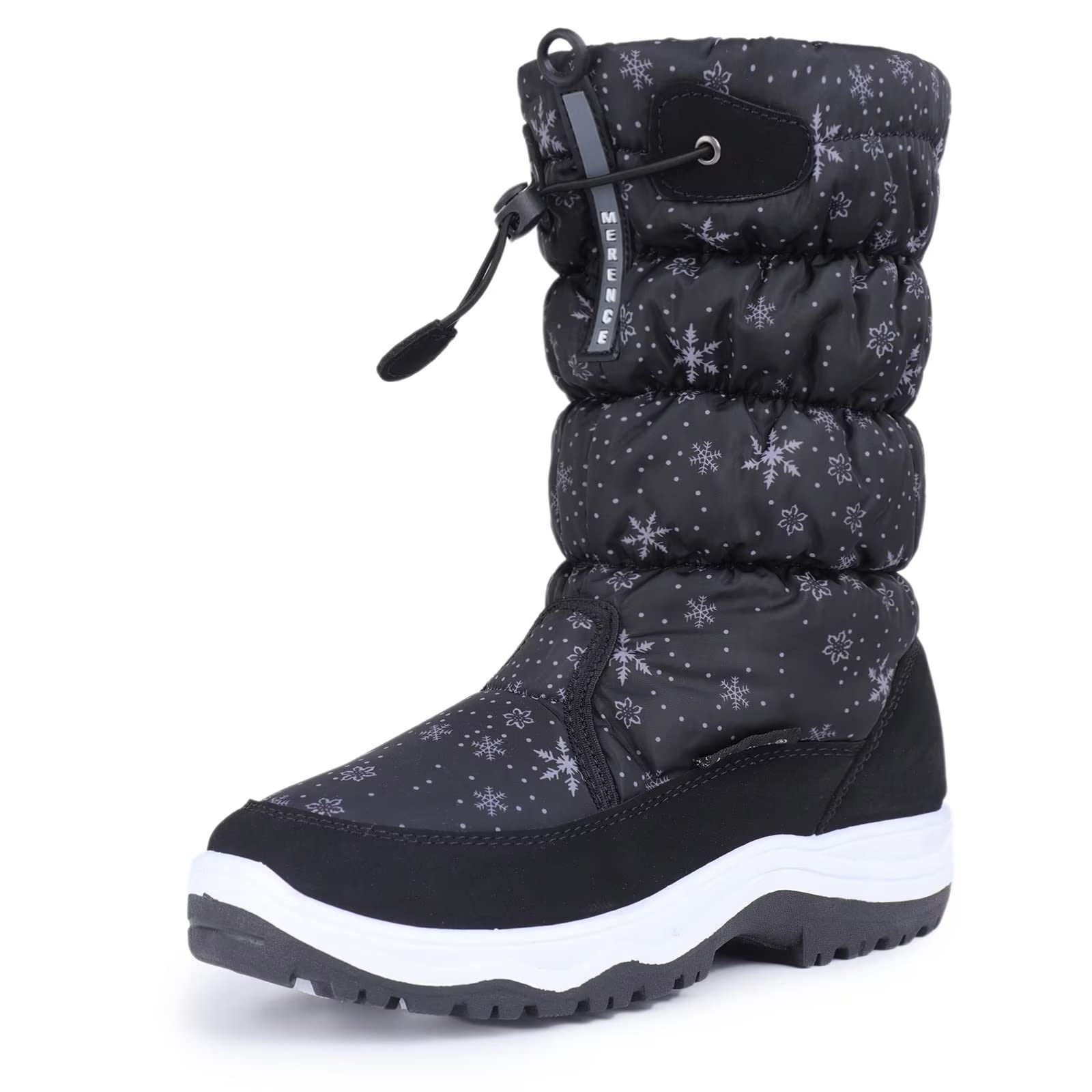


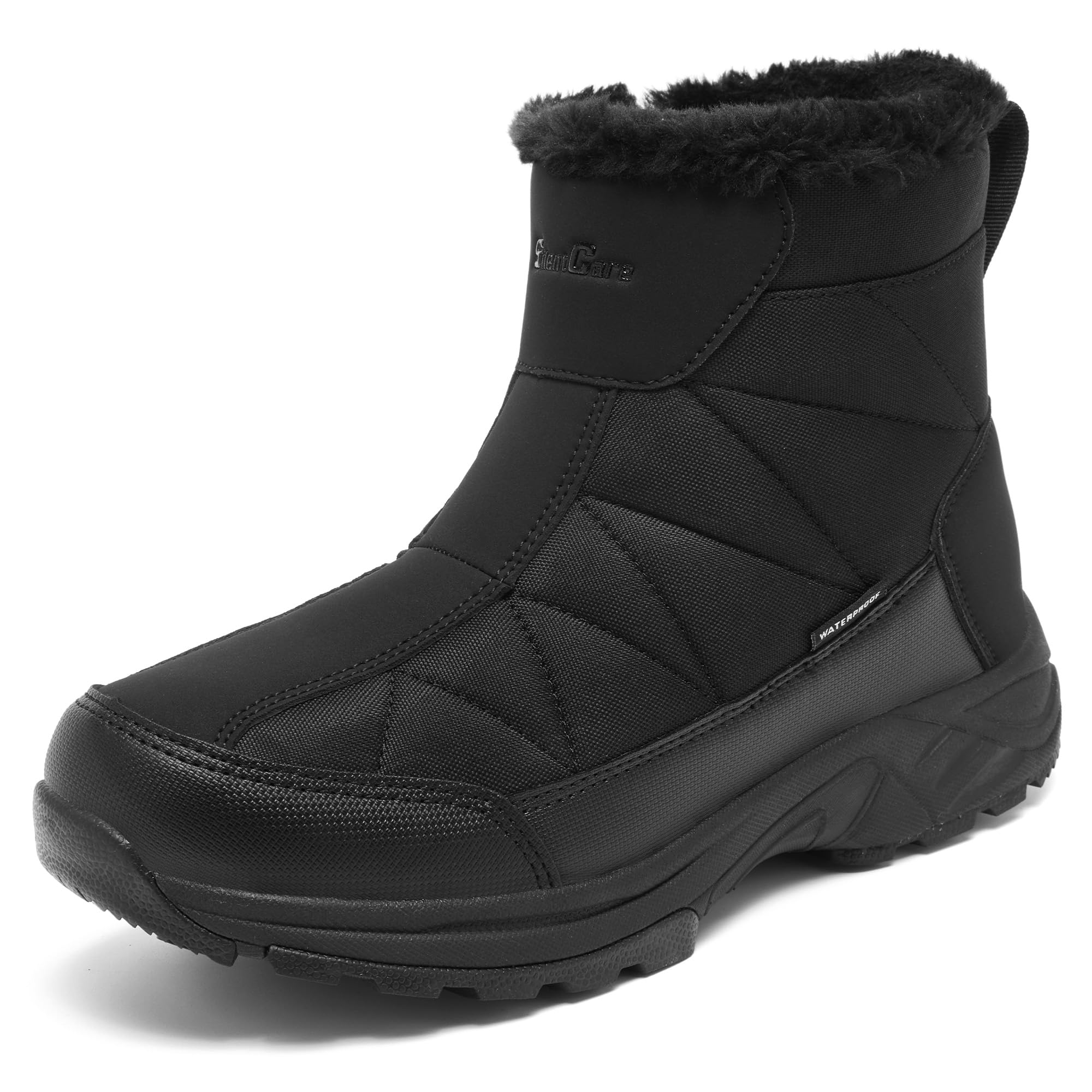


Best Anti Slip Winter Boots Compared by Type
Four types cover most cold season routines. Shoppers will also see the same shelves labelled best winter boots non slip, which is a naming difference rather than a different product class, so compare outsoles and insulation instead of labels.
| Type | Best For | Pros | Cons | Typical Price |
|---|---|---|---|---|
| Insulated commuter boot | Daily winter commuting | Balanced warmth and walking comfort | Mid height limits deep snow use | About $80 to $150 |
| Waterproof slush boot | Wet snow and slushy streets | Membrane keeps socks dry | Can feel warm on mild days | About $90 to $180 |
| Slip on winter boot | Errands and quick outdoor tasks | Fast entry, no laces to freeze | Less ankle support on ice | About $60 to $130 |
| Tall insulated boot | Deep cold and long outdoor time | Maximum coverage and warmth | Heavy for all day walking | About $100 to $200 |
Insulated Commuter Boots
Commuter boots balance insulation with a walkable sole, because the daily route mixes buses, stairs, and cleared platforms. Their tread is moderate, aimed at packed snow and cold pavement rather than drifts. Look for a fit that works with office socks as well as thicker pairs. For most city winters, this is the type that gets worn on the most days per season.
Waterproof Boots for Wet Slush
Slush is melted snow full of salt water, and it soaks seams faster than falling snow does. A membrane lined upper with sealed seams keeps socks dry through puddle season. The cost is breathability, so feet can feel clammy on mild afternoons. Choose this type when your winter is wet more often than it is deeply cold.
Slip On Winter Boots
Slip on styles skip laces, which matters when fingers are cold and stops are short. Elastic sides or wide pull loops make entry easy with gloves on. Our guide to best winter boots slip on compares entry styles in detail. The weaker point is ankle hold: on uneven icy ground, a looser collar lets the foot shift, so check the heel fit before you commit.
Tall Insulated Boots for Deep Cold
Tall boots add shaft height and heavier insulation for the coldest weeks and unplowed ground. They shine for outdoor work, rural driveways, and long waits in real cold. Weight is the price, and your legs will notice on long walks. If deep snow is your main problem rather than daily cold, our guide to the best anti slip snow boots compares snow focused types in the same format.
Insulated Commuter Boots vs Waterproof Slush Boots: Which Should You Choose?
Warmth is close between these two, so decide by water. If your streets run wet and salted, the slush boot keeps socks dry and uppers alive longer. If your route is mostly cold and dry, the commuter boot breathes better and walks more naturally. Fit differs slightly, since commuter lasts run closer for all day wear, and price overlaps too.
How to Choose the Right Anti Slip Winter Boot
Waterproofing and Membranes
Waterproof, water resistant, and treated leather are three different promises. Only a membrane or a rubber lower truly blocks slush for hours. Check seam sealing, because stitched seams leak first. Keep in mind that waterproofing stops at the shaft top, so deep snow over the collar still wets socks from above.
Fit, Sizing, and Toe Box
Fit winter boots with the thickest socks you own, late in the day when feet are at their largest. Toes need room to spread and wiggle, because a compressed toe box cuts circulation and feels colder. The heel should not lift, and the midfoot should feel held without pinching. Sizes vary widely between makers, so your shoe size is only a starting guess.
Insulation and Temperature Ratings
Because each maker rates boots its own way, a printed rating is a rough class rather than a shared score. Activity level changes everything: a boot feels warmer while you walk than the same boot does while you stand at a stop. Judge across brands by insulation weight, liner type, and your own cold tolerance. Layer socks rather than crushing toes into a tight boot.
Outsole Traction on Mixed Surfaces
Mixed winter routes cross packed snow, wet tile at store doors, and cold pavement in one trip. Lugs with varied angles grip across that mix, and softer compounds stay pliable in the cold. Some shoppers search the same class as best no slip winter boots; the label differs, the outsole check is the same. On clear dry days indoors, many commuters change into best anti slip shoes made for smooth floors.
Weight and Flexibility
A heavy boot slows your stride and tires hips and knees over a full day. Flexible soles suit flat city routes, while stiffer soles help on frozen ruts and uneven yards. Try stairs and a squat in the shop: the boot should bend where your foot bends. Choose the lightest boot that still covers your coldest expected day.
Tips to Get the Most From Your Anti Slip Winter Boots
Dry boots at room temperature after wet days and pull insoles out so the lining dries fully. Two pairs rotated through the week last longer than one pair worn daily, because insulation needs a rest day to recover its loft. Rinse salt off before it dries into leather. Replace a pair when the tread turns smooth at the heel, since that is where slips start.
Anti Slip Winter Boots: Your Questions Answered
How should anti slip winter boots fit with thick socks?
Anti slip winter boots should be fitted while wearing your thickest winter socks, ideally late in the day. Aim for a held heel, a secure midfoot, and clear space ahead of your toes so you can wiggle them. Wiggle room is warmth, because moving toes keep blood flowing. If the boot only fits with thin socks, it is a size too small for real winter use, whatever the label says.
What does a temperature rating on winter boots actually mean?
A temperature rating on winter boots is the maker's own estimate, not a score from a shared standard. Makers rate differently, and most ratings assume an active wearer, so standing still at a bus stop feels far colder than the number suggests. Use ratings to compare boots within one brand, then judge across brands by insulation type and thickness. Your socks and fit change the result as much as the boot does.
How often should anti slip winter boots be replaced?
Anti slip winter boots should be replaced when the outsole tread wears smooth, the midsole stays compressed, or seams start leaking. For daily winter wear, that often means two to four seasons, while occasional use stretches longer. Check the heel strike area first, because it flattens earliest. A boot can look new on top and still be finished underneath, so judge by the sole rather than the upper.
Can traction cleats be added over anti slip winter boots?
Yes, strap on traction cleats fit over most anti slip winter boots and add bite on ice that lugs alone cannot match. They suit regular icy walks, mail routes, and frozen driveways. Take them off indoors, because cleats skate on tile and scratch floors. Cleats are an add on for ice days, not a fix for a boot whose tread has already worn smooth.
Do anti slip winter boots need to be waterproof for slush?
For regular slush, yes: anti slip winter boots with a membrane or rubber lower keep socks dry far longer than treated leather alone. Dry snowfall in deep cold is less demanding, and a water resistant upper can be enough there. Salt water in slush also attacks leather, so waterproof types usually last longer on city streets. Decide by how wet your streets get, not by the label alone.
Final Thoughts
Match the type to your route, respect the grip limits, and the best anti slip winter boots will carry you through the season with fewer surprises. Use the picks in the product table for a fast final check before you order.