
Best Bedroom Slippers Mens in 2026: Matching the Right Style to Your Routine
Disclosure: We may earn a commission when you buy through links on this page, at no extra cost to you. As an Amazon Associate I earn from qualifying purchases. Learn more
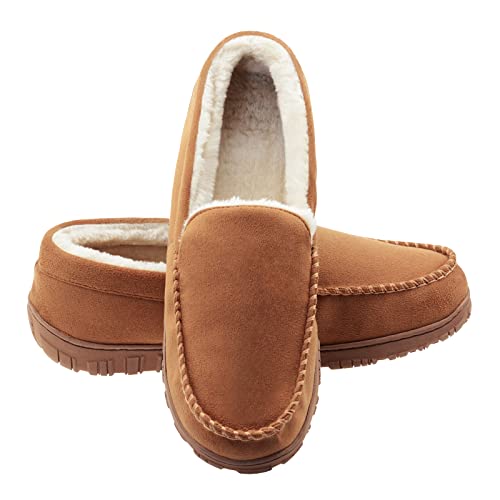
Compare best bedroom slippers mens styles by routine, fit, sole grip, warmth, and support, to match a pair to hard floors, cold rooms, or all day wear.
There is no single slipper that suits every man, because the pair that feels great for a quick trip to the kitchen can feel flimsy after a full day of standing on tile. The best bedroom slippers mens styles are simply the ones matched to how you actually live: your floors, your climate, and how many hours a day you wear them.
This guide sorts slippers by routine first, then covers the fit and sole details that decide comfort. The product table puts the main picks side by side, so you can narrow the field before you start comparing prices.


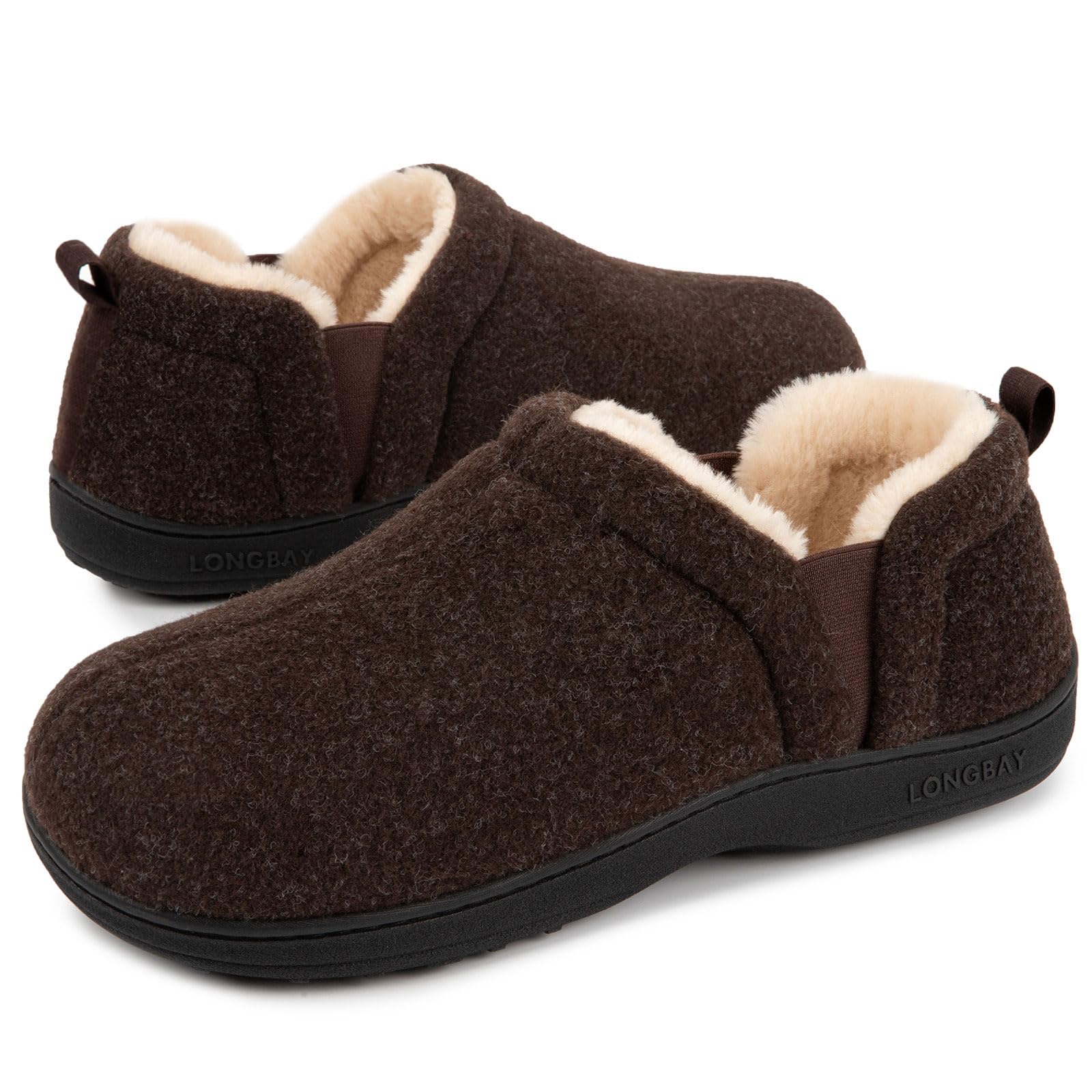


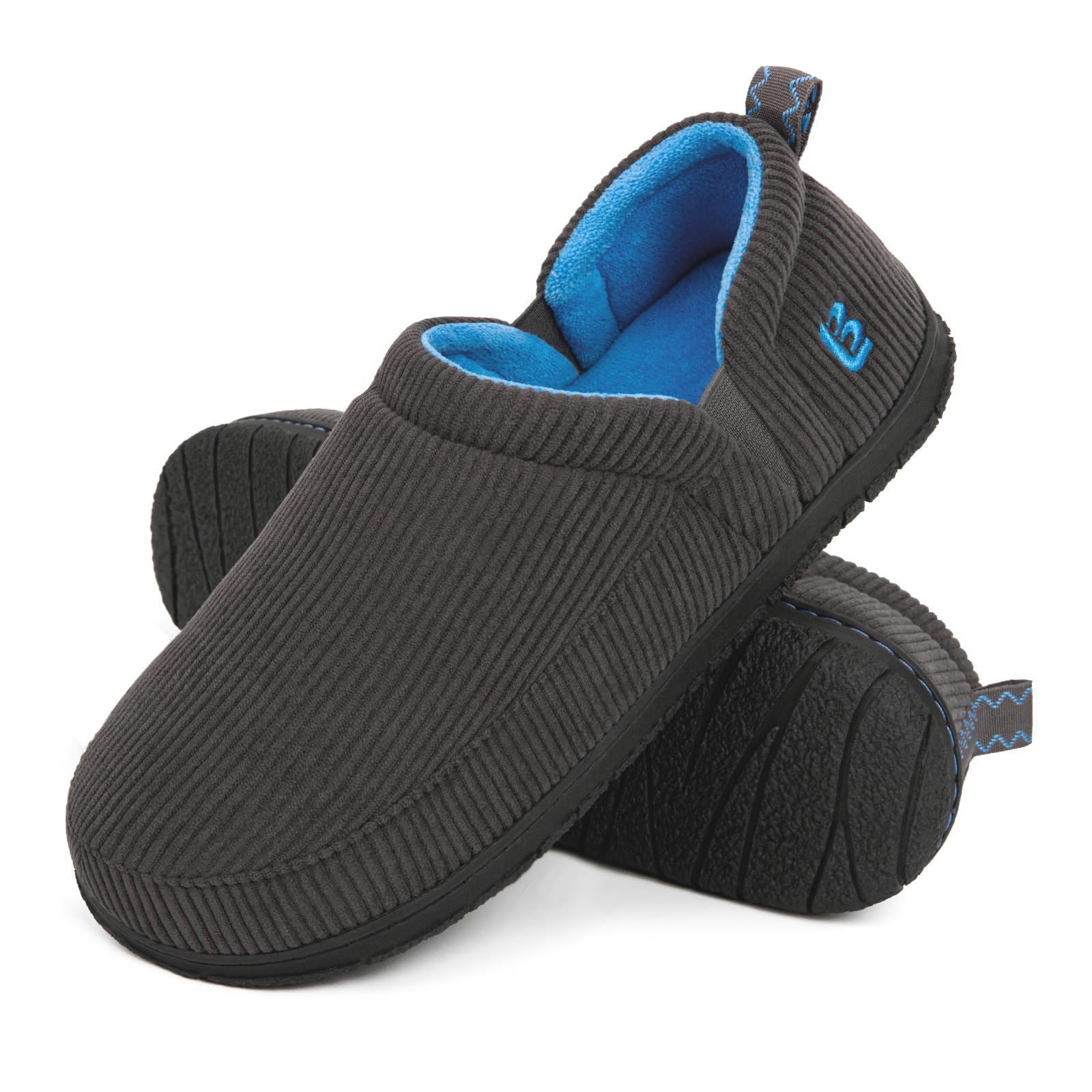

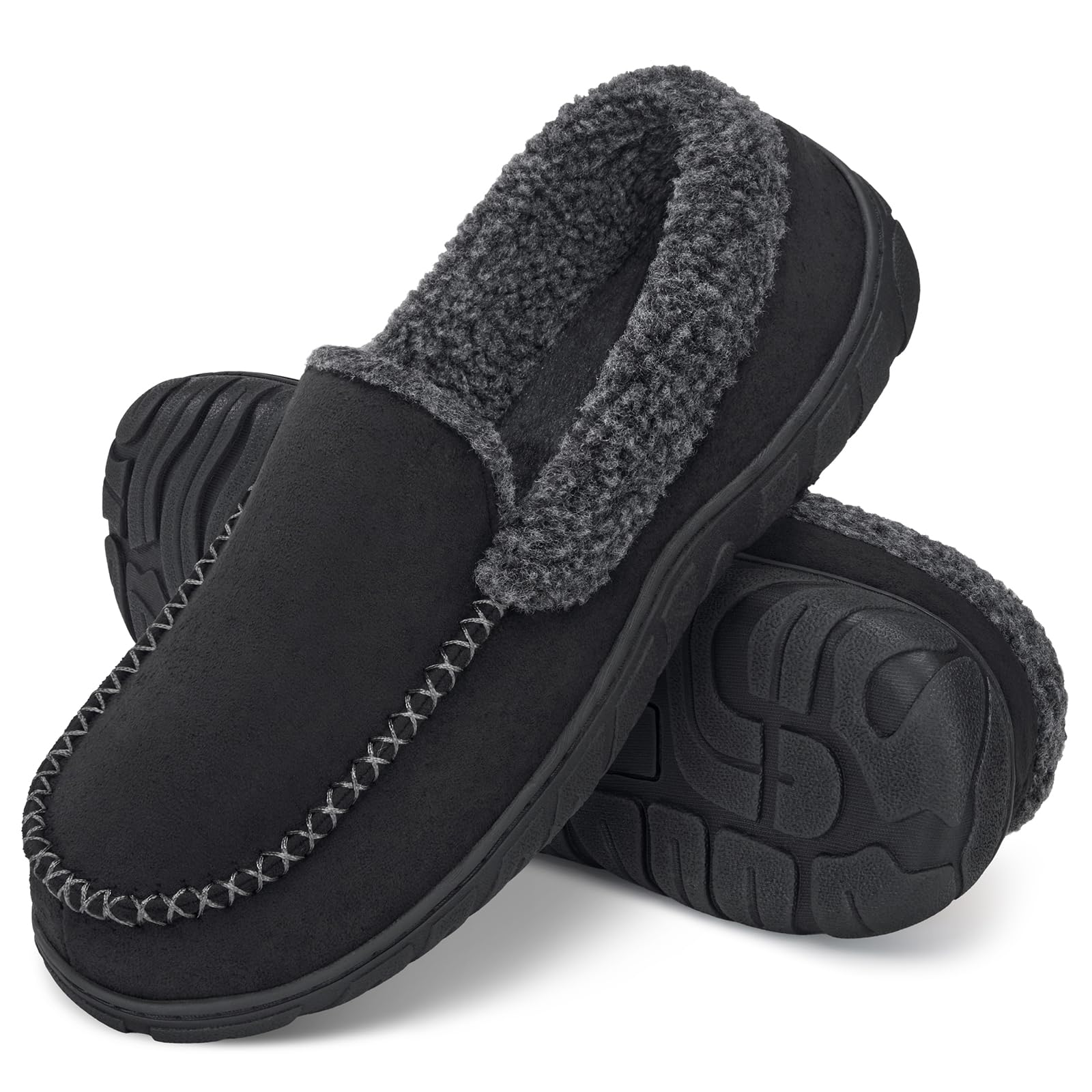
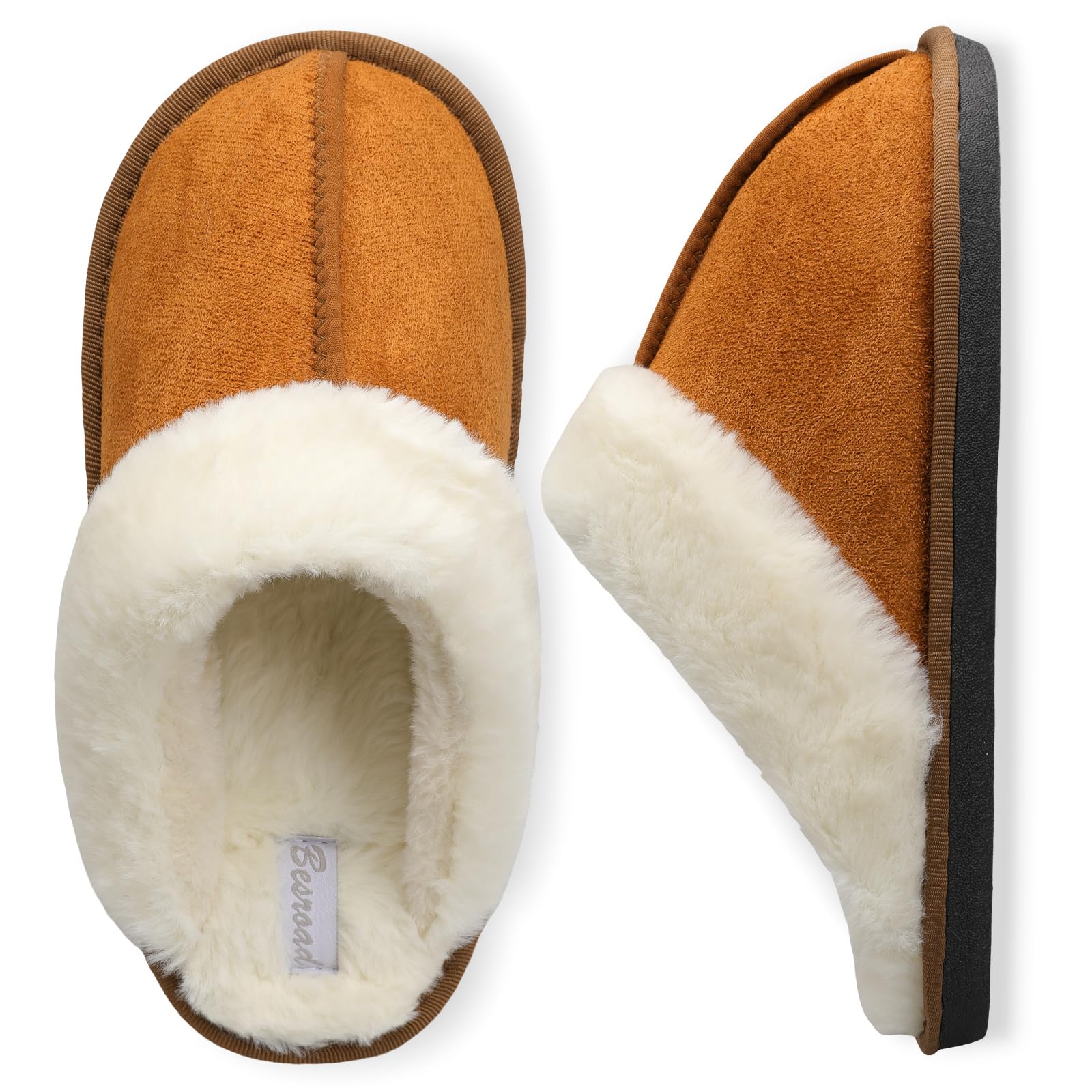
Choosing the Best Bedroom Slippers Mens Styles by Routine
Start with the routine you repeat most days, because each group below needs a different mix of warmth, grip, and support.
For Quick Trips and Hard Floors
If your slippers mostly carry you between the bedroom, the kitchen, and the mailbox, choose a closed back style with a firm rubber sole. Thin foam packs flat within weeks and leaves your heels sore on tile or hardwood. A real sole also gives dry footing on a damp porch step, which men who let the dog out at night appreciate most.
For Cold Floors and Winter Warmth
Men in drafty houses or cold climates should look for fleece or wool blend linings and a closed toe that traps warm air. Warmth comes from loft and coverage, not sole thickness, so a tall slipper boot can feel warmer than a heavy moccasin. Check that thick lining does not steal toe room, because cramped toes feel colder, not warmer. If your feet run hot, choose a breathable open back style instead.
For All Day Home Wear
Men who work from home or spend most of the day indoors need slippers that behave more like light shoes. Look for a contoured footbed, a heel cup that keeps your foot centered, and enough structure that the slipper does not twist as you walk. Our guide to the best men's slippers with support covers the most structured options in this group.
For Travel and Tight Storage
If you fly often or live in a small apartment, a soft slipper with a flexible sole folds into a bag corner and weighs almost nothing. The trade is support, because packable styles suit hotel floors and short wear, not a full day of standing. A hands free slip on style also helps men with stiff knees, since there is no bending to pull at the heel. Keep a sturdy pair at home and let the soft pair live in your travel bag.
Key Features to Compare
What Men Should Look For
Men's slippers are built on men's lasts, so they usually run wider through the heel and longer in the toe than women's styles in the same marked size. Heavier body weight also compresses foam faster, which is why men often wear out a soft slipper sooner than expected. Start from your shoe size rather than guessing from small, medium, and large labels, and favor size charts published in inches. Our overview of the best slippers for men's covers the main shapes if you are still deciding on a style.
Fit, Sizing, and Toe Box
Measure your feet in the evening, when they are at their largest, and match the longer foot to the size chart. Your toes should brush nothing at the front, with about half an inch of room, and the heel should stay put without your toes clawing to keep the slipper on. Men with wide feet should look for wide fittings rather than sizing up, because a longer slipper in a narrow width still pinches. If you wear thick socks in winter, try the slipper on with those socks before deciding.
Outsole Grip and Floor Safety
Indoor grip comes from a rubber outsole with a real tread pattern, not from the nubby dots printed on cheap fabric soles. On smooth tile and polished wood, a flat rubber sole with fine grooves channels water away and holds far better than foam. Save the soft fabric soles for carpeted homes only. If you step outside in your slippers, choose a sole thick enough that you cannot feel gravel through it, and check that the tread has not worn smooth every few months.
Cushioning and Arch Support
A flat foam insole feels soft for the first hour and tired by the evening, because it compresses evenly and offers nothing under the arch. A shaped footbed with gentle arch support spreads your weight and can feel steadier during a full day at home. Men who already know they need structure can compare firmer options in our guide to the best supportive slippers men's. If your feet ache every day, or the pain keeps returning despite better footwear, talk with your doctor about the cause rather than relying on slippers alone.
Upper Materials and Warmth
Leather and suede uppers stretch to your foot shape over the first week and handle scuffs well, while knit and fleece uppers feel softer right away but can look tired sooner. A wool blend lining manages sweat better than synthetic fleece, which matters when slippers are worn for hours without socks. Our guide to the best bedroom slippers compares open and closed shapes side by side.
Common Mistakes to Avoid
- Buying by price alone: the cheapest foam slippers often flatten within months, so the cost per year of wear ends up higher than a mid priced pair.
- Sizing up for width: a longer slipper can trip you on stairs, while a true wide fitting keeps the length right and the toes free.
- Ignoring the sole: fabric soles on wet tile are a fall risk, so match the outsole to the hardest floor in your home.
- Wearing one pair every day: foam needs a rest day to recover, so rotating pairs extends the life of both.
- Skipping the return policy check: slipper sizing varies widely between brands, so buy where exchanges are easy.
How to Make Your Bedroom Slippers Last Longer
Air dry wet slippers away from direct heat, because radiators and dryers crack leather and melt foam glue. Brush dirt off the soles before it grinds into the tread, and wash fabric pairs only if the maker allows it, then let them dry fully before wearing. Rotate two pairs if you wear slippers daily, since a rest day lets the cushioning rebound. Replace a pair when the tread smooths out or the footbed stays flat after a night of rest.
Frequently Asked Questions
What makes bedroom slippers for men different from women's slippers?
The main difference is the last, the foot shaped form the slipper is built on. Men's lasts run wider at the heel and ball and longer overall, and the sizing scale differs, so a men's size 10 is not a women's size 10 in a different color. Men's styles also tend to use stiffer soles, because higher average body weight flattens soft foam quickly. Try both versions in a store and compare heel fit, where the difference shows most.
How should men's bedroom slippers fit at the heel?
A small amount of movement is normal in an open back mule, but your heel should not lift clear of the footbed with every step. Stand and walk a few paces: the slipper should follow your foot quietly, without slapping the floor or forcing your toes to grip. Closed back styles should hold the heel with no rubbing at all. If the heel slips badly, go down a size, since slippers stretch during the first week of wear.
Can men wear bedroom slippers all day at home?
Most men can wear supportive slippers through a normal day at home, but flat, worn out pairs are a poor choice for long stretches of standing. Alternate with a supportive pair of shoes for chores that keep you on your feet, such as cooking or garage work. Sitting work is far less demanding, so a softer slipper is fine at a desk. If your feet or knees ache by evening most days, treat that as a sign to upgrade the footbed, not to push through.
Do men need waterproof bedroom slippers?
Almost no one needs a fully waterproof slipper indoors, because the real risk is a wet floor, not rain. What matters for trips to the porch, the mailbox, or a damp bathroom floor is a rubber outsole that grips and does not soak through. A water resistant upper is a bonus that sheds splashes and dries quickly. Men who step out to a garden or dewy porch will use the sturdier sole daily, while pure indoor wearers can choose lighter fabric soles.
How often should men replace bedroom slippers?
Replace them when hygiene and fit break down, not only when the sole wears through. Matted lining that no longer cushions, an odor that survives washing, and a heel counter that has collapsed so the foot rolls inward all mean the pair is done. Uppers that have stretched until the slipper feels loose are also at the end, even if the tread still looks fine. For daily wearers this usually lands somewhere between eight months and a year and a half, depending on materials.
Are expensive men's bedroom slippers worth it?
They can be, when the extra money buys materials that age slowly, such as leather uppers, a stitched rubber sole, and a replaceable insole you can swap when the cushioning fades. A replaceable insole alone can double the useful life of a pair. High prices charged mostly for branding, novelty prints, or gift packaging add nothing under your feet. If you wear slippers two hours a day, a simple mid priced pair covers your needs, and the premium tier only pays off for all day wearers.
Wrapping Up
Match the routine first, then check fit and sole, and the best bedroom slippers mens choice usually makes itself. Men on hard floors need real rubber soles, men in cold houses need loft and coverage, and men who wear slippers all day need structure under the arch. Look at the product table above to compare the picks side by side before you order.


