Best Automotive Diagnostic Scanner for Every Need: How to Pick the Right One in 2026
Disclosure: We may earn a commission when you buy through links on this page, at no extra cost to you. As an Amazon Associate I earn from qualifying purchases. Learn more

Match the best automotive diagnostic scanner to your garage: code reading, system coverage, live data and update costs explained simply.
There is no single scanner that is right for every driver, because the jobs differ. A commuter who wants to know why a warning light came on needs a different tool from a home mechanic chasing an intermittent fault. When you shop for the best automotive diagnostic scanner for your own garage, start with one honest fact: a trouble code names a system, not the faulty part. A code points at the circuit or system that reported a problem, and the part itself still has to be proven by checking it.
This guide sorts scanners by use first, then by the features that separate the classes. You will see why coverage matters more than screen size, what live data adds, and where update and subscription costs hide. The product table lists current options side by side, so you can match each class described here against real listings.


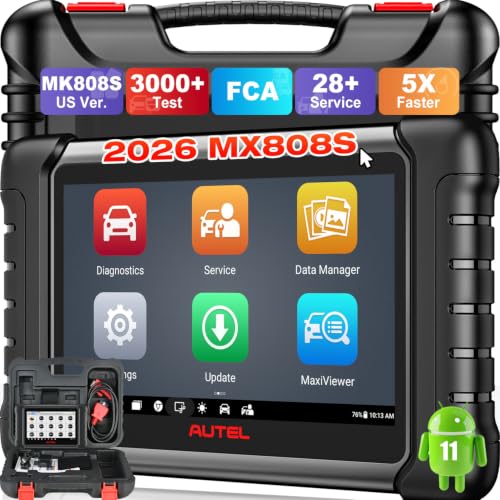
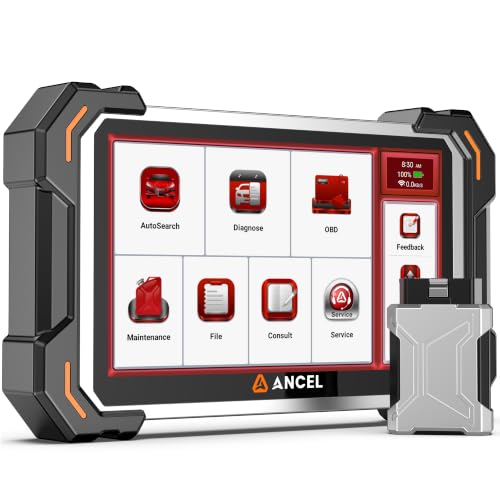
Who Should Buy Which Automotive Diagnostic Scanner?
Drivers Who Want a Plain Answer at Home
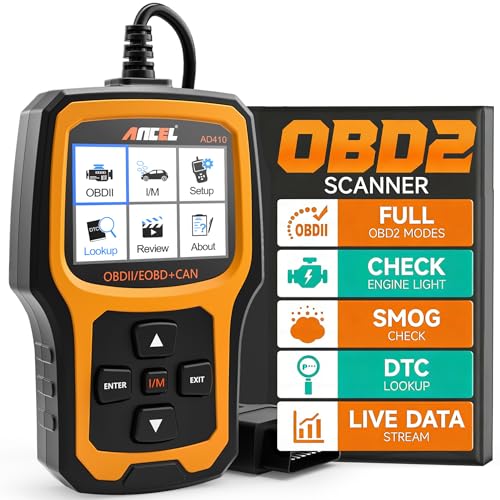
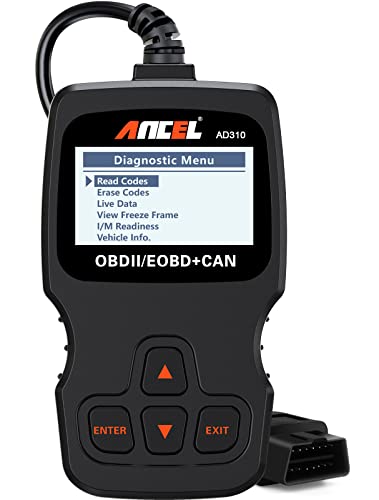
If your goal is to read the code behind a check engine light and decide whether the car needs a shop this week, a basic code reader class is enough. These tools plug into the port under the dash, show the code and a short definition, and clear codes after a repair. Our guide to best car diagnostic scanner options covers this home class in more depth. The honest limit is scope: a basic reader mostly covers engine and emissions systems, and it will not see brakes, airbags, or transmission faults on many cars.
Home Mechanics Who Fix Their Own Cars
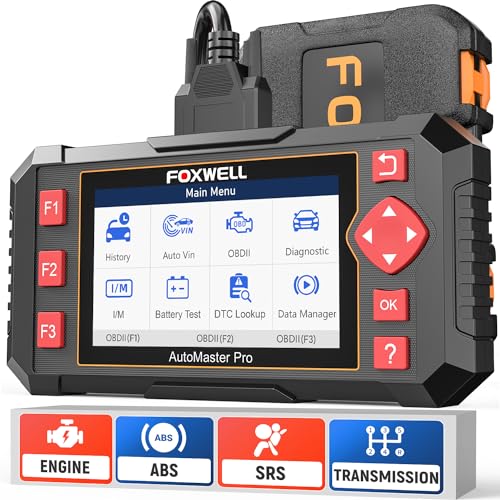
Drivers who do their own repairs need the next class up: a scanner that reads several systems, shows live sensor data, and displays the freeze frame snapshot stored when a code was set. That snapshot records speed, temperature, and load at the moment of the fault, and it turns a bare code into a starting point for diagnosis. Shoppers comparing best automotive scanner models for home garages should value clear live data graphs and a readable screen over novelty features, because the tool earns its price in the driveway, in daylight, with dirty hands.
Small Shops and Busy Home Garages
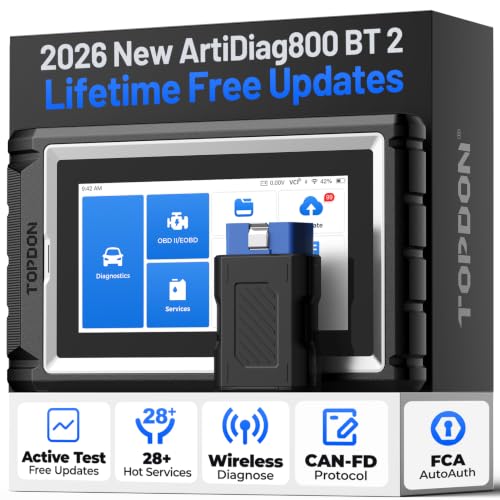
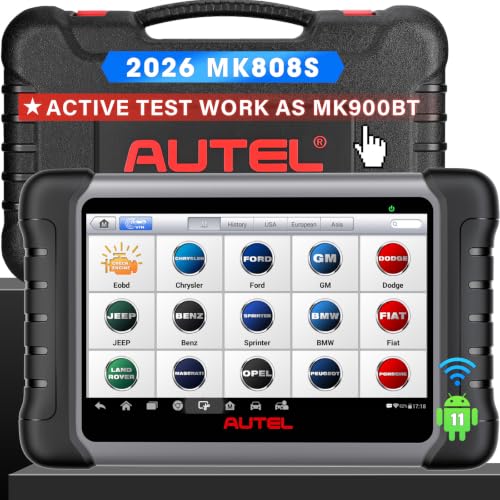
A small shop, or a household keeping several older cars running, asks more of a scanner: wide maker coverage, service functions such as brake and steering resets, and fast updates as new models arrive. That is the territory of the best professional automotive diagnostic scanner class, where the price buys breadth and speed rather than a bigger version of the home tool. The step up only pays when the tool is used weekly. For a single car and occasional lights, the professional class is money parked on a shelf.
Key Features to Compare
What a Trouble Code Really Tells You
A code is a report from one system, written in a standard format, and it describes the condition the computer detected. It does not name the failed part. A code for a lean mixture, for example, can come from a vacuum leak, a tired fuel pump, or a faulty sensor, and each cause has a different repair bill. Scanners also store a freeze frame snapshot beside the code, and clearing the code erases that snapshot along with it, so read and record everything before you clear anything.
System Coverage Decides What the Tool Can Read
Coverage is the feature that separates the classes most sharply. Engine codes follow a shared standard, so nearly every tool reads them, while brakes, airbags, transmission, and body systems sit behind maker specific access, and coverage for those systems varies by brand and by car maker. Guides to the best diagnostic scanner for a given garage always come back to this point: check the coverage list against the makes you own before comparing anything else. A cheaper tool that covers your cars fully beats a costly tool with gaps in the systems you need.
Live Data and Readiness Information
Live data streams the values sensors report while the engine runs: temperatures, trims, speeds, and switch states updating in real time. Watching a value misbehave on screen is how a code becomes a diagnosis, and graphing makes slow drift visible in a way a single number cannot. Readiness information is the quieter half of the feature: it shows which emissions self checks have completed since the codes were last cleared. That matters before an inspection, because a car with incomplete checks can be turned away even with no warning light showing.
Connection Style, Updates, and Renewal Costs
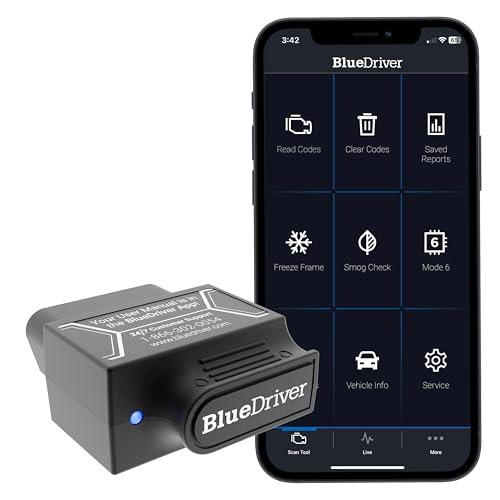
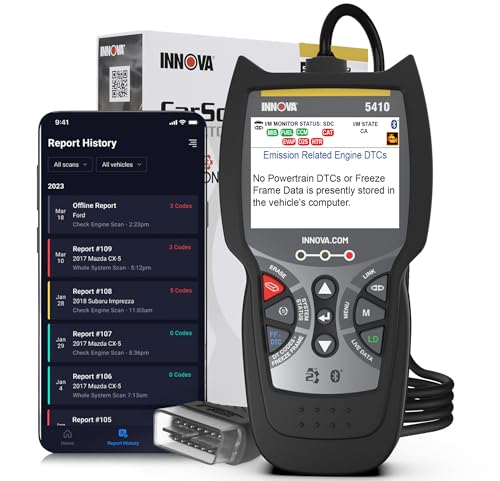
Scanners reach the car in three ways: a wired handheld unit, a small plug in adapter that talks to a phone app, or a tablet style tool. Adapter and app classes often carry renewal costs, because the first year of software may be included while later updates, extra maker coverage, or advanced functions sit behind a subscription. Treat that renewal as part of the price when you compare a best automotive diagnostic tool listing against a standalone unit. A wired handheld with lifetime basic updates can cost less over five years than a cheap adapter with annual fees.
Screen, Controls, and Working Comfort
The last feature is the one you feel every time you use the tool. A screen you can read in bright daylight, buttons that work with gloves on, and a cable long enough to reach the port while you sit in the driver seat all decide whether scanning is a two minute job or a wrestle. Boot time matters too: a tool that wakes slowly discourages the quick check that catches a small fault early. None of these points appears in headline specs, so weigh them deliberately rather than discovering them in the driveway.
Common Mistakes to Avoid When Buying
- Buying on price alone. The cheapest tool that cannot read the system your car complains about is not a saving, it is a second purchase waiting to happen.
- Assuming a code names the part. Replacing parts code by code is the most expensive diagnostic method there is, and it often ends with the original fault still present.
- Clearing codes before recording them. Clearing wipes the freeze frame snapshot, and that stored evidence cannot be recovered once it is gone.
- Skipping the coverage check. A scanner that covers your make for engine codes may still be blind to its brakes and airbags, which is where your next fault may live.
- Ignoring renewal fees. An app based tool with a low shelf price can pass a wired unit in total cost within a few years of subscriptions.
Setup and Care Tips
Setup is short. The diagnostic port sits under the dashboard on the driver side, the plug only fits one way, and the car usually needs its ignition on for the tool to talk to every system. Follow the owner manual for your car if the port location is unclear, and never force a connector that resists. After a scan, write the codes and freeze frame values in a notebook or save the report file before clearing anything.
Care is mostly about software and storage. Keep the tool in a case so the screen and cable survive garage life, and run its updates while you think of it rather than at the roadside. For app based tools, keep the phone app updated as well, and check whether a lapsed subscription still lets you read codes. A scanner that stays current stays useful across every car you plug it into.
Frequently Asked Questions
Does a diagnostic scanner need professional installation?
No, a diagnostic scanner needs no installation at all. You plug it into the port under the dashboard, turn the ignition on, and follow the menu, and the whole job takes minutes with no tools beyond the scanner itself. Professional help enters the picture only after the scan, when the repair the code points toward needs parts, lifts, or skills beyond your garage. Reading the code yourself first still helps, because you arrive at the shop knowing which system reported the fault.
Does a code from a scanner tell me exactly which part to replace?
No, and this is the point buyers most often get wrong. A code names the system or circuit that reported a value outside its expected range. Several different faults can set the same code, from a cracked hose to a failing sensor to a wiring fault. The scanner narrows the search and the freeze frame shows the conditions when the fault occurred, but a check with a meter, a gauge, or a visual inspection still decides which part, if any, gets replaced.
Will a diagnostic scanner work on my car?
For engine and emissions codes, almost certainly yes: cars sold in the United States have used the shared OBD2 standard since the mid 1990s, and every scanner class reads those codes. The uncertainty sits with the maker specific systems such as brakes, airbags, and transmission, where coverage depends on the tool and the make. Check the maker coverage list for your exact cars before buying, and be cautious with very new models, which sometimes wait months for full support in lower priced tools.
Should I clear a code after reading it?
Record the code and its freeze frame first, then clearing is reasonable if you want to see whether the fault returns. Clearing resets the readiness checks, so the car needs varied driving before an emissions inspection will accept it, and clearing right before a shop visit hides evidence the mechanic could have used. If the light returns with the same code, the fault is real and intermittent guessing should stop. A code that stays away after a genuine repair is the outcome you want.
How long does a diagnostic scanner last?
The hardware lasts for many years, because it has no wear parts beyond its cable and connector. Usefulness is set by software instead: a tool that still receives updates keeps pace with newer cars, while a frozen tool slowly becomes a reader for older vehicles only. Wired handheld units with lifetime updates age the most gracefully. App based adapters depend on the app staying supported, so their working life is tied to the maker in a way a standalone unit is not.
The Bottom Line
Match the tool to the work. A basic reader answers the warning light question for most drivers, live data and wide coverage serve the home mechanic, and the professional class earns its price only with weekly use across many cars. Whatever class you choose from the best automotive diagnostic scanner options, remember that a code names a system and the snapshot matters, so record before you clear. Compare your shortlist against the product table, check coverage against your own cars one last time, and buy the scanner whose limits you fully understand.