Best Automobile Cameras 2026: What Your Money Really Gets You at Every Price
Disclosure: We may earn a commission when you buy through links on this page, at no extra cost to you. As an Amazon Associate I earn from qualifying purchases. Learn more
Drivers choosing the best automobile cameras can weigh dash cam classes, price tiers, storage, power and fitting costs before buying.
Vehicle cameras sell from about $40 for a basic single dash camera to several hundred dollars for paired systems with parking coverage, and the price gaps are not obvious from a box photo. Drivers shopping for best automobile cameras are really choosing among three kinds of equipment: a front facing dash camera, a front and rear pair, and a backup camera that helps with reversing. This guide prices each class honestly, including the storage and fitting costs that listings leave out.
Money in this category buys clearer footage, wider coverage, and more dependable recording, in that order. It does not buy fault decisions, and no camera changes how a claim is judged on its own. Knowing what each price step adds keeps you from paying for coverage you will never wire up. The comparison table below sets the classes side by side so the tiers that follow are easy to place.

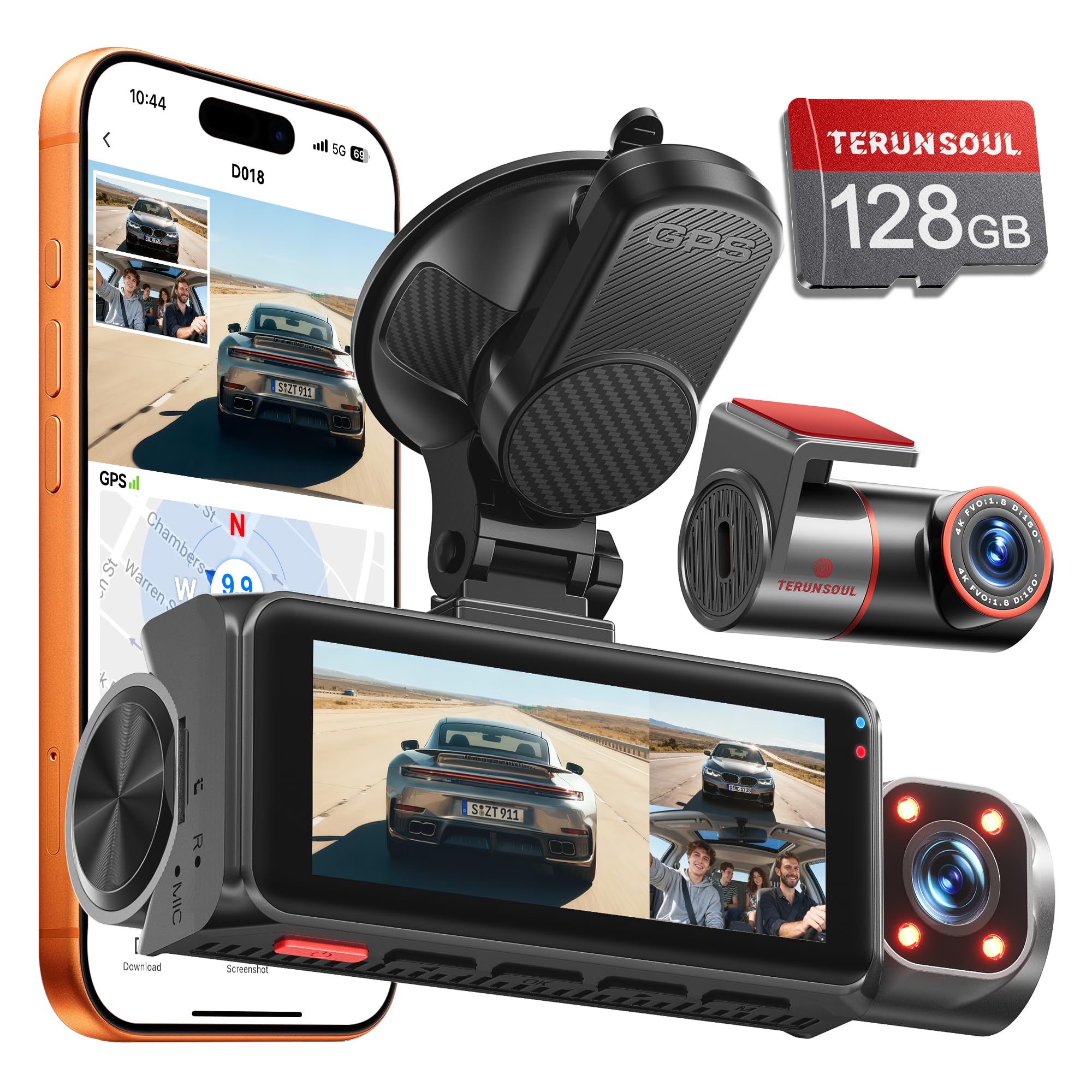

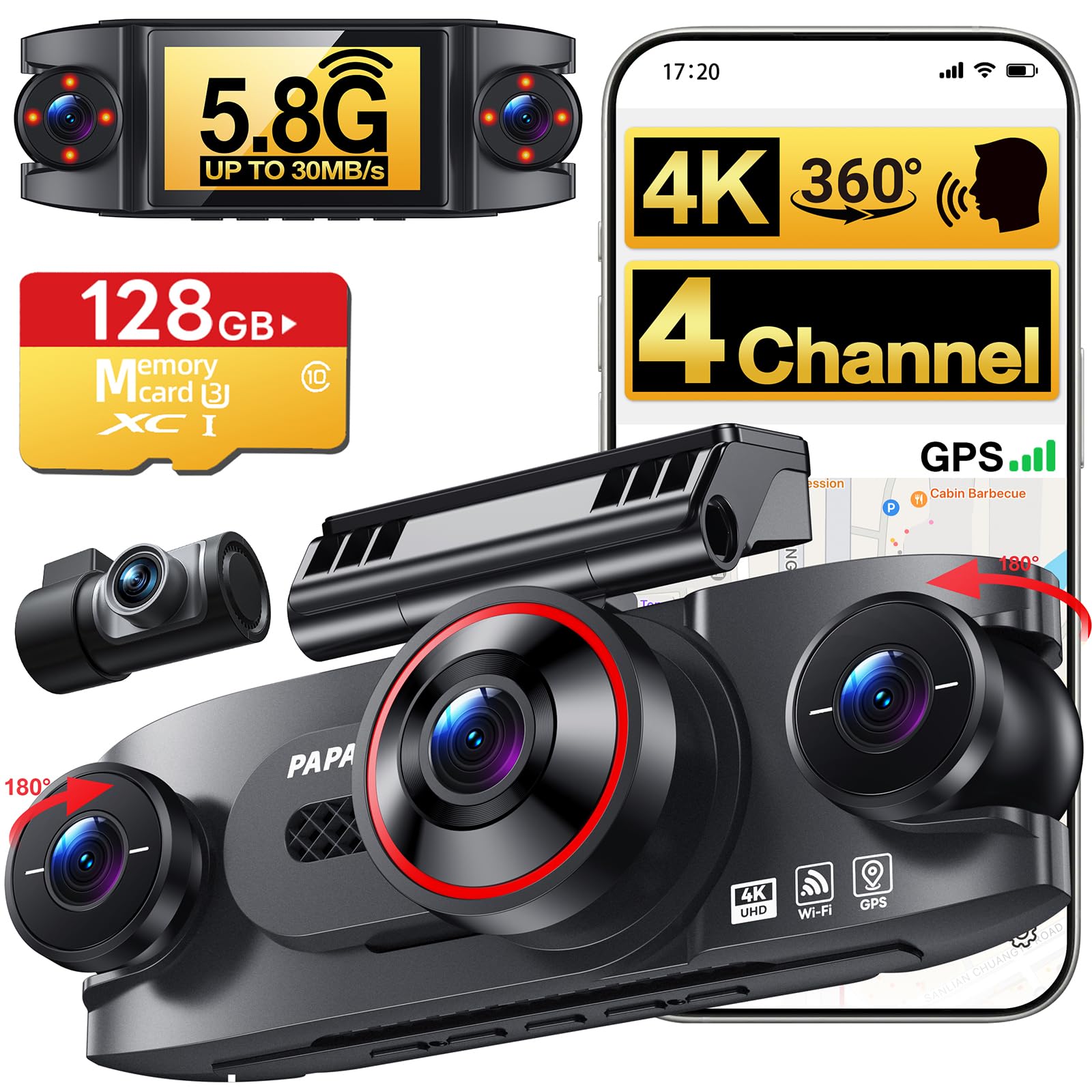
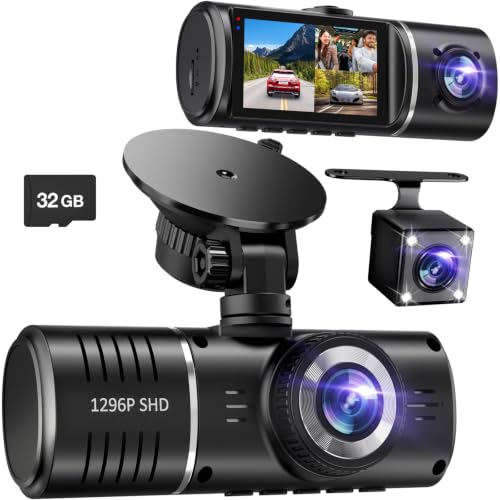
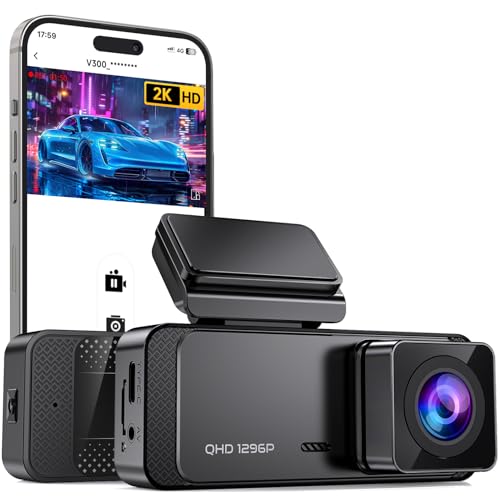

Three Classes, Three Very Different Bills
Price comparisons only make sense within a class, because the classes solve different problems. A dash camera watches the road ahead, a paired system watches behind as well, and a backup camera watches the few feet your mirrors cannot show. Start by picking the class that matches the incident or maneuver you actually worry about.
A Single Front Dash Camera
The single front camera is the entry class and the right answer for many drivers. It mounts at the windshield, records the road ahead on a loop, and locks the current clip when its motion sensor feels an impact. Prices run at about $40 to $120 for dependable models.
The class covers the most common disputes, such as who entered the junction first or whether a light was green. Its limit is simple: anything that happens behind the car stays unrecorded.
Front and Rear Pairs
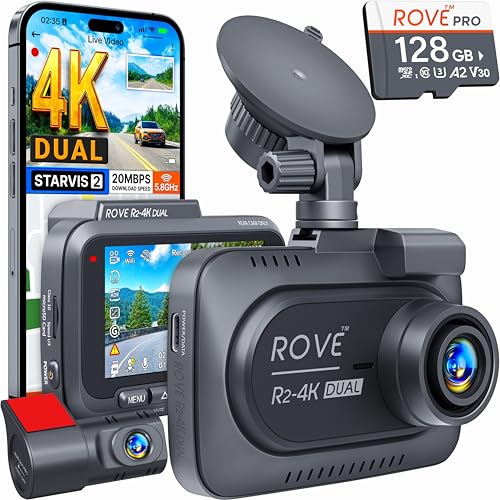
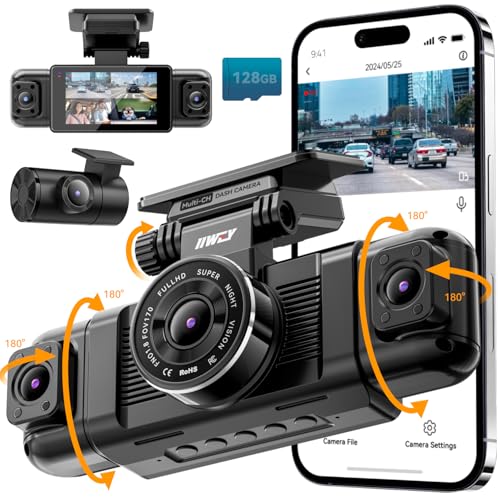
A paired system adds a second camera for the rear window, usually wired through the cabin to the main unit. Prices run at about $120 to $300, and the step up buys coverage of rear impacts, the most common collision type in slow traffic. The rear camera also helps in parking disputes where both drivers reverse at once.
Fitting takes longer than a single camera because the cable run crosses the whole interior. Drivers who park on busy streets gain the most from this class.
Backup Cameras as Their Own Class
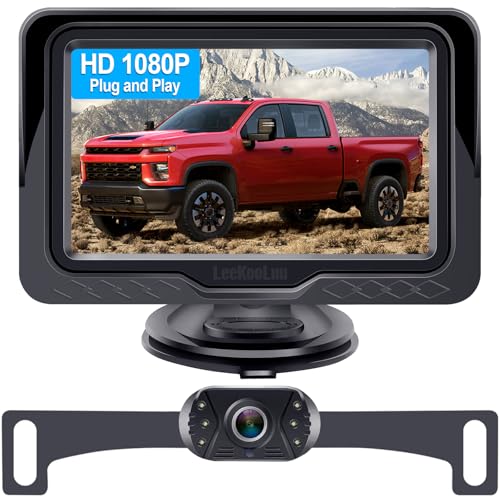
A backup camera is reversing equipment, not recording equipment, and it should be budgeted separately. Camera and screen kits run at about $80 to $250, but the true cost includes fitting, because most kits draw power from the reverse light circuit. That wiring is installer work for most owners, at about $100 to $250 in labor where a shop does it.
Cars that already have a screen may accept a camera alone for less. Judge this class by display clarity and guideline accuracy, not by recording features it does not have.
Best Automobile Cameras at Each Price Tier
Within the dash camera classes, tiers divide by footage clarity and dependability rather than by gadget count. Use the product table above with the notes below when weighing the best automobile cameras for your budget. Each tier states what the money adds and what it leaves out.
| Tier | Typical price | Coverage | Footage class | Parking features |
|---|---|---|---|---|
| Budget | about $40 to $100 | Front only | Basic high definition | None or motion trigger only |
| Middle | about $100 to $220 | Front, or front and rear | Sharper sensors, better night clarity | Buffered parking modes on some models |
| Upper | about $220 to $400 | Front and rear, sometimes cabin | Highest clarity, strong night performance | Full parking coverage with a power kit |
Budget Tier: Recording That Covers the Basics
Budget dash cameras at about $40 to $100 record usable footage of the road ahead and lock clips after an impact. Screens are small or absent, night footage is grainy, and license plates at distance are often unreadable. For a low mileage driver on quiet roads, this tier still settles the basic question of what happened in front of the car.
Spend here only with modest expectations, and put a good memory card at the top of the same order. A cheap camera with a failing card records nothing at all.
Middle Tier: Clarity You Can Actually Use
Middle tier models at about $100 to $220 are where footage becomes genuinely useful. Sharper sensors and better lenses hold plate details at city distances, night footage keeps contrast at junctions, and many models add a rear camera in the box. Cabin sound recording, location stamping, and phone transfer appear here as convenience features.
This tier suits daily commuters and family cars that park in shared lots. It is the sensible ceiling for most drivers, because the gains above it are narrower than the price jump suggests.
Upper Tier: Coverage for Cars That Work Hard
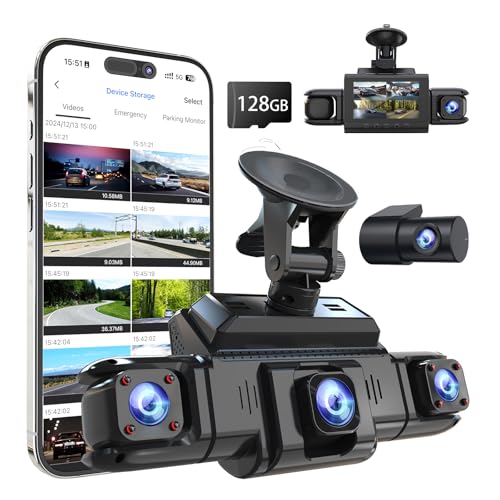
Upper tier systems at about $220 to $400 add the features that matter to high mileage drivers, rideshare drivers, and households with street parking. Expect the clearest night footage, rear and sometimes cabin coverage, and parking modes that record buffered clips before and after a detected bump. Cloud transfer and driver alerts appear here too, though alerts deserve skepticism later in this guide.
The hardware is only part of the bill, since full parking coverage needs a hardwire power kit and often professional fitting. Buy this tier for coverage needs you can name, not for reassurance alone. If parked-car watching is your main goal, our guide to car security cameras goes deeper on that use.
Features Worth Paying For (and Ones to Skip)
Vehicle camera listings push resolution numbers and alert features hard, while the traits that decide whether footage helps you get quiet paragraphs. This section ranks the features by what they are worth in practice.
Footage Clarity and Night Performance
Clarity decides whether a clip identifies a plate, a sign, or a lane marking, so it deserves the first share of any budget. Judge it by sensor quality and lens sharpness rather than by the largest resolution number, because an inflated figure on a weak sensor adds file size without adding detail. Night performance matters as much as daylight for drivers who commute in the dark.
Look for wide dynamic range, which keeps shadow and headlight glare readable in the same frame. This is the feature where the middle tier earns its premium over budget models.
Field of View and Plate Readability
A wider field of view catches more of a junction, but extreme width bends straight lines and pushes plates at the edges further away in the image. For most cars, a moderate wide view balances coverage and readability better than the widest lens on the shelf. Plate readability also depends on mounting height and a clean windshield, which cost nothing.
Two cameras with the same lens can perform differently in two cars for this reason alone. Pay for lens quality before paying for extra width.
Storage and Loop Recording
Loop recording overwrites the oldest unlocked clips so the camera never stops for a full card, and every class in this guide includes it. Capacity decides how far back you can reach after an incident, with larger cards holding days rather than hours of driving. High endurance cards are built for constant rewriting and belong in every tier, at about $15 to $40 depending on size.
Treat cards as consumables that wear out, and replace any card that produces errors or missing clips. Storage is unglamorous, and it is where cheap setups quietly fail.
Power Setup and Parking Mode
Most dash cameras power from a socket or a USB port and sleep when the car is off. Parking mode changes that bargain, because a camera watching a parked car draws on the vehicle battery the whole time. Managed setups use a hardwire kit with a voltage cutoff that stops recording before the battery falls too far, and that kit plus fitting adds about $30 to $120 to the real price.
Without a cutoff, a weekend of parking coverage can leave you with a car that will not start. Price parking mode as a system, never as a free checkbox.
Mounting, Screens, and Alerts to Skip
Mounting quality decides whether the camera stays aimed after a summer of heat on the windshield, so a solid adhesive or suction mount matters more than styling. A small screen helps with aiming and roadside playback, while screen free models rely on a phone app and cost less. Lane departure and forward collision alerts from a camera are worth little, because the camera cannot know your steering or braking the way built in car systems do. Skip paying extra for alert bundles and spend the difference on clarity or a rear camera instead.
What Vehicle Camera Footage Can and Cannot Do
This section matters more than any specification, because expectations decide whether a camera purchase satisfies or disappoints. Footage is evidence, and evidence cuts both ways. A clip that clears you in one incident can just as plainly record your own late braking or rolling stop in another. Share footage thoughtfully, keep the original file unchanged, and let insurers or police draw conclusions rather than arguing them at the roadside.
Three habits protect you. First, never touch, adjust, or review a camera while driving; set it before departure and leave it alone until you park. Second, remember that recording rules and audio consent rules vary by place, so check local requirements, especially for cabin audio and for recording passengers at work. Third, treat a backup camera view as an aid that never replaces mirrors, shoulder checks, and slow reversing, because its lens compresses distance and hides anything outside its frame.
A camera adds information. It never takes over the driving.
Long Term Costs to Factor In
Ownership costs arrive in small bills. Memory cards wear out under constant rewriting and need replacement every year or two of daily driving. A hardwire kit for parking mode, replacement mounts after a windshield change, and a larger card for high clarity footage all add to the first year total. A realistic allowance is about $30 to $80 per year across cards and small parts, plus fitting labor whenever wiring changes.
Backup cameras carry their own running costs. The camera lens lives in road spray and needs regular cleaning to stay useful, and a failed display or corroded connector usually means a shop visit rather than a home fix. When comparing a cheap kit against professional supply and fitting, remember that the shop price includes the warranty on the wiring. Across all classes, the camera itself is often the smaller half of what you spend over three years.
Common Mistakes to Avoid
- Buying the highest resolution badge on a weak sensor, then finding plates unreadable in the footage that matters.
- Fitting a parking mode without a voltage cutoff, and draining the vehicle battery over a quiet weekend.
- Using a standard memory card that fails under constant rewriting, leaving gaps where an incident should be.
- Mounting the camera low or behind heavy tint, so the lens records the dashboard reflection instead of the road.
- Trusting a backup camera alone while reversing, without mirrors or a look over the shoulder.
- Forgetting the rear camera cable run, then paying rush fitting fees or leaving the second camera in its box.
Fitting and Everyday Care
A front dash camera is a simple self fit: mount high and central, tuck the cable along the trim, and keep it clear of airbag paths along the pillar. Front and rear pairs take longer because the rear cable crosses the cabin, and trim clips break easily in cold weather. Backup camera wiring into the reverse light circuit is installer work for most owners, and paying for it beats a wiring fault that drains the battery or kills a light circuit.
Care is light but real. Wipe the lens when you clean the windshield, check monthly that the camera is recording and the clock is correct, and format the card in the camera on the maker schedule. Heat is the slow enemy, so a camera that detaches easily can come indoors during extreme summer parking. Review a recent clip now and then, because the time to discover a loose mount or a dead card is a quiet Sunday, not the scene of an incident.
Automobile Camera Questions Answered
How much should a driver spend on a first vehicle camera?
Most drivers should plan about $100 to $220 for a first camera, which buys middle tier clarity and dependable recording. Budget models under that range still record, but their night footage often fails at the moment it is needed. Add the card and, if you want parking coverage, the power kit to the same budget. Spending above this band makes sense mainly for rear coverage or heavy street parking.
What specs matter most for drivers new to vehicle cameras?
New buyers should rank footage clarity first, then storage endurance, then mounting quality, and only then extras such as apps or alerts. A camera that records every trip without attention beats a clever camera with gaps. Check that the field of view suits your windshield and that locked clips are easy to save. Ask the seller one direct question: what card does it need, and is that card included in the price shown.
Can a phone work as a dash camera instead?
A phone can record the road, but it makes a poor long term dash camera. It fills its storage with video, overheats on a sunny windshield, drains its battery, and stops recording when calls or messages arrive. It also cannot lock clips on impact or watch a parked car.
A phone suits a borrowed car on a single trip. Daily driving deserves equipment that starts and stops with the ignition and asks nothing of you.
What does loop recording mean for a dash camera?
Loop recording means the camera records in short clips and overwrites the oldest ones when the card fills, so recording never stops mid trip. Clips locked by an impact sensor or by the save button are protected from overwriting. The practical consequence is that an unlocked incident disappears after days of further driving, once newer clips replace it. Save anything that matters to a phone or computer promptly, because the loop is patient and thorough.
Which vehicle camera setup is better for night driving?
A middle or upper tier dash camera with strong night clarity is the better setup for night driving, because sensor quality and dynamic range decide what survives headlight glare and dark side streets. Budget cameras tend to smear detail exactly where night incidents happen. Clean glass and correct aim improve any tier at night for free. No camera sees through fog or heavy rain better than you do, so night footage has honest limits.
Final Thoughts
Choosing among best automobile cameras is really three decisions: how much of the car needs coverage, how clear the footage must be to settle a dispute, and whether parking recording is worth its power cost. Answer those, and the right class and tier usually pick themselves. Compare the classes in the product table above before ordering, include the card and any fitting in your budget from the start, and expect the camera to inform rather than to judge.