Best Automatic Drip Coffee Makers: Complete Buying Guide

Shopping for a new coffee maker often turns into a scroll through spec sheets and marketing claims that all sound alike. Narrowing down the best automatic drip coffee makers for your kitchen really comes down to a handful of practical questions: how many cups you brew each morning, whether you want a carafe that stays hot on its own, and how much control you want over strength and timing. Automatic drip machines remain the most popular way to brew coffee at home because they are simple to use, produce consistent results, and do not require any barista skills. This guide walks through the features that actually matter, how the main carafe styles differ, and what to expect at each price tier, so you can shop with confidence.

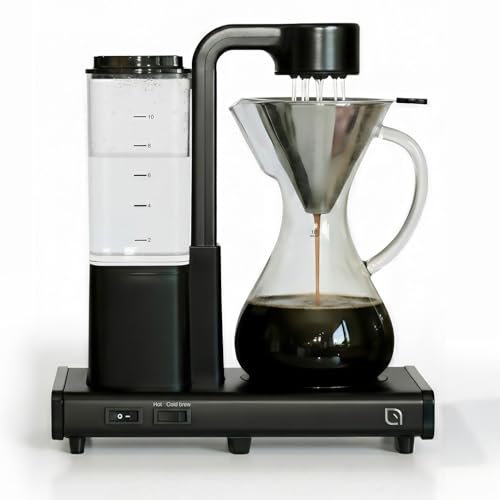


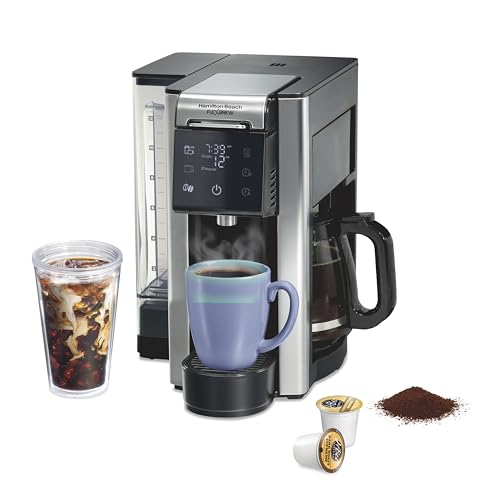
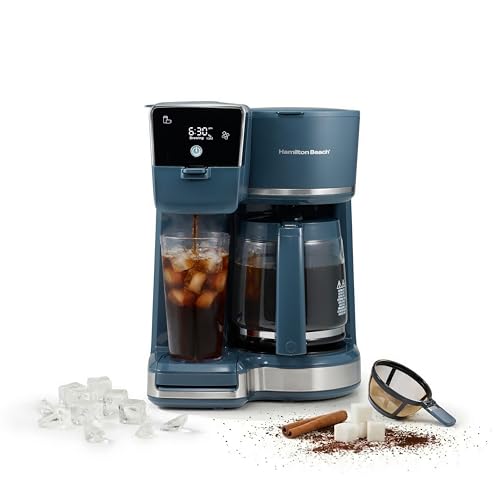

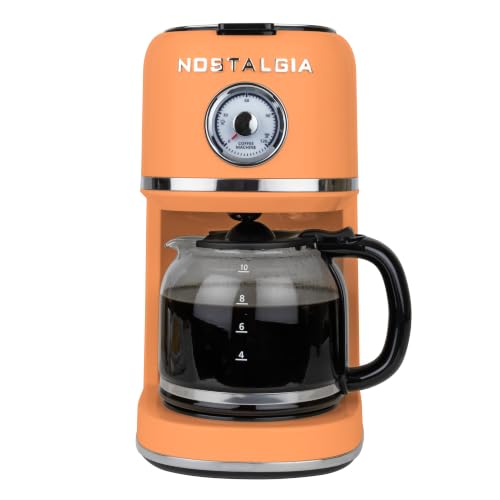
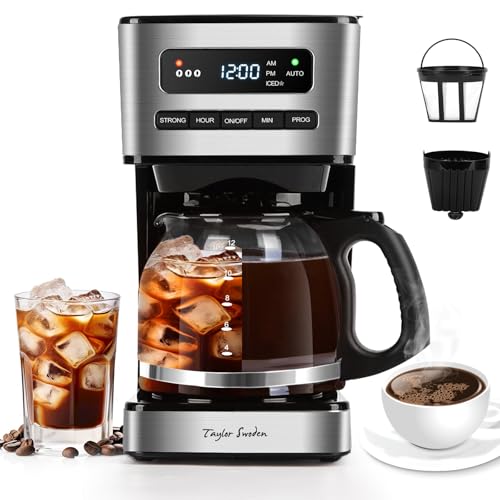
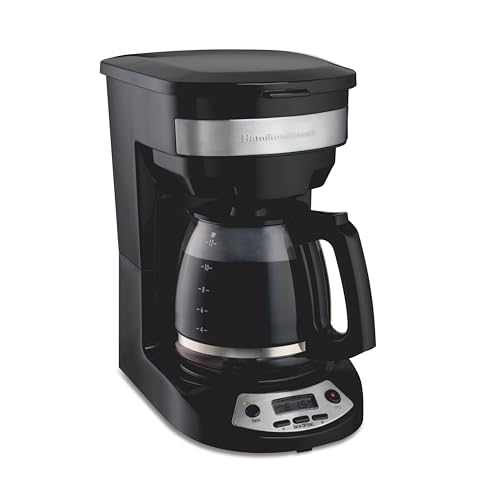
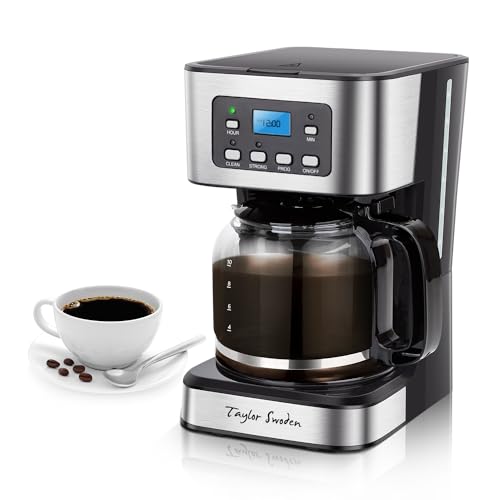
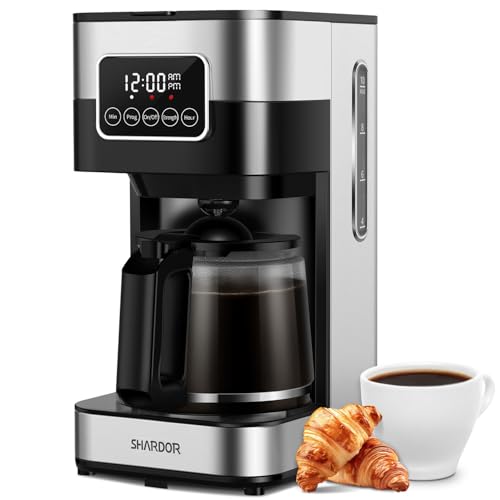
Carafe Type and Heat Retention: Glass vs. Thermal
The carafe is the single biggest fork in the road when you compare drip machines, and it shapes almost everything else about how the machine behaves. Most models fall into one of two camps, and each one suits a different kind of household.
Glass Carafes
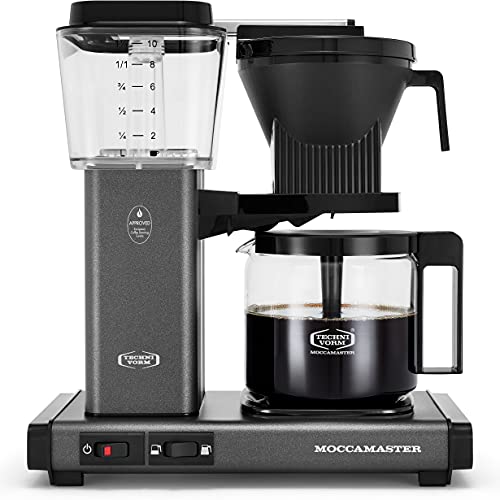
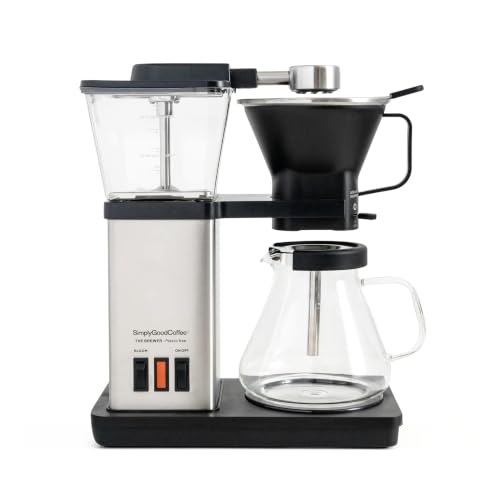
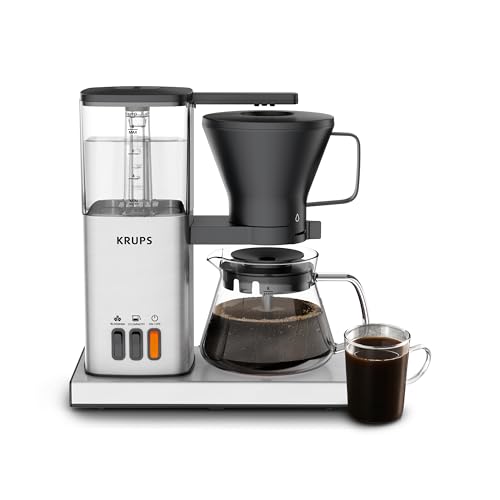
Glass carafes sit on a warming plate that keeps coffee hot after brewing. You can see exactly how much coffee is left at a glance, and glass is easy to rinse out and keep stain free. The tradeoff is that coffee left on a hot plate for more than thirty or forty minutes tends to taste scorched or bitter, so this style works best if your household finishes a pot fairly quickly.
Thermal Carafes
Thermal carafes are usually double walled stainless steel with no external heating element. They hold coffee at drinking temperature for several hours without continuing to cook it, which preserves flavor much better over time. They also tend to be more durable since there is no glass to chip or crack, though you lose the ability to see the coffee level without lifting the lid.
Brew Temperature, Bloom Time, and Flow Control
Coffee extracts best when water sits between roughly 195 and 205 degrees Fahrenheit as it passes through the grounds. Machines that run cooler than this tend to produce flat, underextracted coffee no matter how good the beans are, so a stable brew temperature is worth prioritizing over flashier features.
Bloom and Pre-Infusion
A bloom cycle pauses briefly at the start of brewing to let hot water saturate the grounds and release trapped gas before the rest of the water flows through. This step, borrowed from manual pour-over brewing, produces a more even extraction and noticeably smoother cup. Not every machine offers it, so check the spec list if this matters to you.
Strength and Flow Adjustments
Many machines include a strength dial or bold setting that slows the water flow so it spends more time in contact with the grounds. Some also let you fine-tune flow rate directly. These controls matter most if you already have a strong preference for how your coffee tastes, since default settings on most machines are tuned for a fairly mild, crowd-pleasing result.
Matching Reservoir Size and Cup Count to Your Household
Reservoir capacity determines how often you refill the machine and how much coffee you get from a single brew cycle. A single person or couple who drinks one or two cups a day rarely needs more than a six-cup machine, while a busy household or anyone who hosts guests regularly benefits from a ten- to fourteen-cup model.
Oversized reservoirs are not always a win, though. A twelve-cup machine brewing a partial pot for one person often produces weaker, less consistent coffee than a smaller machine sized correctly for that portion. If your mornings are usually a single mug rather than a full pot, it is worth comparing this category against a single-serve coffee maker, which brews one cup at a time without wasting water or grounds.
Also think about counter space and storage. Larger reservoirs mean a taller, wider footprint, and a machine that barely fits under your cabinets is one you will resent daily. Measure the space before you shop rather than after the machine arrives.
Filter Choices and Everyday Upkeep
Most machines use either paper filters or a reusable mesh basket, and the choice affects both flavor and long-term cost. Paper filters trap more oils and fine sediment, producing a cleaner, lighter-bodied cup, and you replace them as you go rather than washing anything. Reusable filters cost nothing per brew and are better for the environment, but they let more oils through, which gives a fuller-bodied, sometimes slightly gritty cup if not rinsed well between uses.
Mineral buildup is the other maintenance issue every drip machine eventually faces. Hard water leaves scale inside the heating element and water lines, which slows brewing and can eventually affect temperature consistency. Running a descaling cycle every one to three months, depending on your local water hardness, keeps the machine performing the way it did on day one. A dedicated coffee machine cleaner works faster than a homemade vinegar solution and is gentler on internal seals over repeated use. Rinse the carafe and basket daily, and wipe down the warming plate weekly if your machine has one.
What Each Price Tier Actually Gets You
Most of the best automatic drip coffee makers on the market cluster into three rough tiers based on what they add beyond basic brewing. Entry-level drip machines focus on the basics: a simple on-off switch, a glass carafe, and a warming plate. They get the job done reliably but usually skip programmable timers and precise temperature control.
Mid-range machines add conveniences like a delayed-start timer, a pause-and-serve feature, and more consistent heating. This tier tends to be the sweet spot for most households, balancing useful features against a reasonable price.
Higher-end machines are built around brewing accuracy rather than convenience alone. Expect adjustable bloom and flow settings, tighter temperature control, and sturdier components meant to last years of daily use. These machines appeal most to people who already care about coffee quality and want a home brewer that gets closer to café-level results.
Frequently Asked Questions
How long does a drip coffee maker typically last?
With regular descaling and basic cleaning, a well-built drip machine usually lasts five to ten years. Hard water areas without regular descaling can cut that lifespan significantly.
Is a thermal carafe worth the extra cost over glass?
If you drink coffee slowly over an hour or more, yes. Thermal carafes preserve flavor far better than a warming plate, which gradually degrades taste the longer coffee sits on it.
Does a bigger reservoir mean better coffee?
No. A reservoir sized for your typical brew amount produces more consistent extraction than an oversized one running a small, partial batch.
Can I use pre-ground coffee in any automatic drip machine?
Yes, all standard drip machines are designed for pre-ground coffee. Some models with a built-in grinder can also work with whole beans if you prefer grinding right before brewing.
How often should I descale my machine?
Every one to three months for most households, though homes with hard water may need it monthly. A slower brew cycle or visible mineral spots are signs it is overdue.
What water-to-coffee ratio should I use?
A common starting point is about two tablespoons of ground coffee per six ounces of water, then adjust to taste from there using your machine's strength setting if it has one.
Do paper filters change the taste of the coffee?
Yes, paper filters absorb more natural oils, resulting in a cleaner and lighter cup. Reusable metal filters let those oils through for a heavier, more textured mouthfeel.
Settling on the Right Brew Routine
There is no single machine that fits every kitchen, and the right pick depends more on your daily habits than on any one standout feature. Once you know your household's typical cup count, how patient you are about descaling, and whether you drink coffee fast or slow, the field of best automatic drip coffee makers narrows itself quickly. Focus on the carafe style and temperature stability first, since those two factors affect flavor more than any add-on setting ever will.