Best Coffee Machine Cleaner: Complete Buying Guide
Disclosure: We may earn a commission when you buy through links on this page, at no extra cost to you. As an Amazon Associate we earn from qualifying purchases. Learn more
Every coffee maker eventually develops a haze of mineral scale and old coffee oils, even if you rinse the carafe every day. The best coffee machine cleaner for your kitchen isn't a single product; it's whichever formula matches your machine's brewing method and the hardness of your local tap water. Espresso machines usually need gentle, group-head-safe tablets. Drip machines and single-serve brewers typically call for a liquid descaling solution instead. French press and pour-over gear often just need regular scrubbing with dish soap and a bottle brush. Picking the wrong type can leave gritty residue behind or, in rare cases, damage internal seals and valves. This guide breaks down the real differences between descaling solutions, cleaning tablets, and all-purpose cleaners, plus how often you actually need to run them.

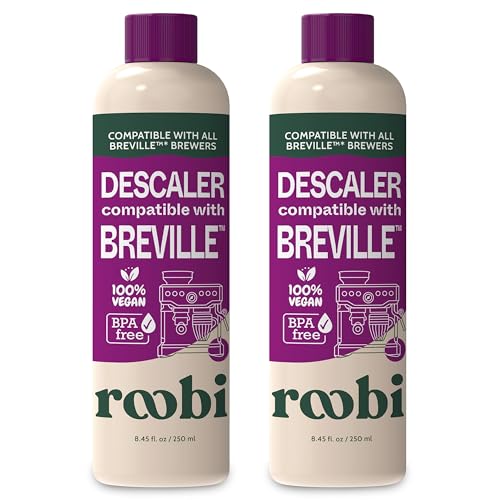
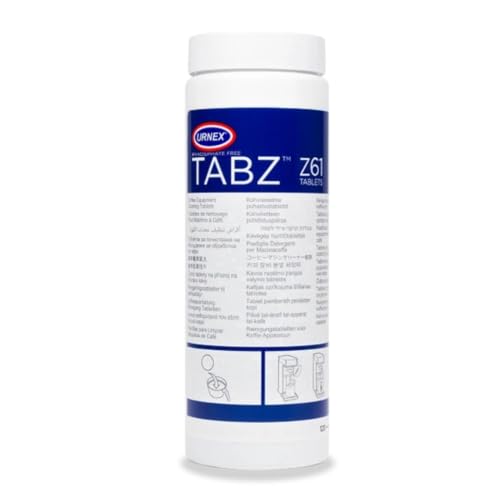


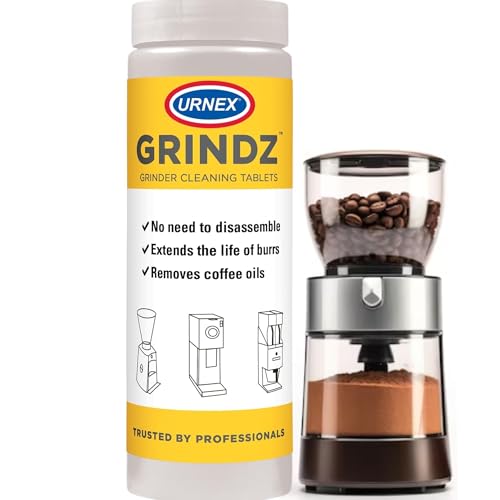
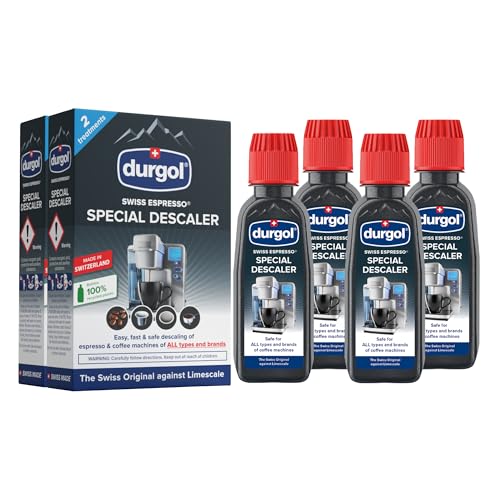
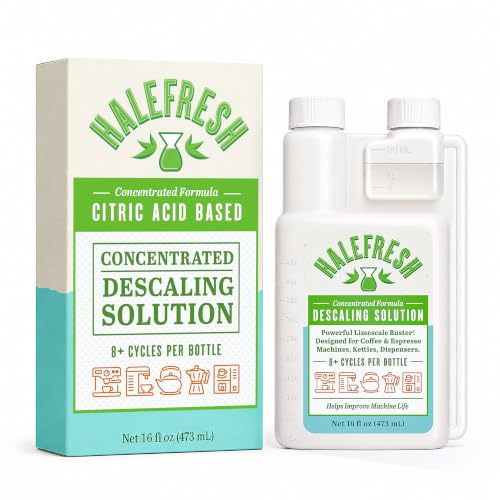
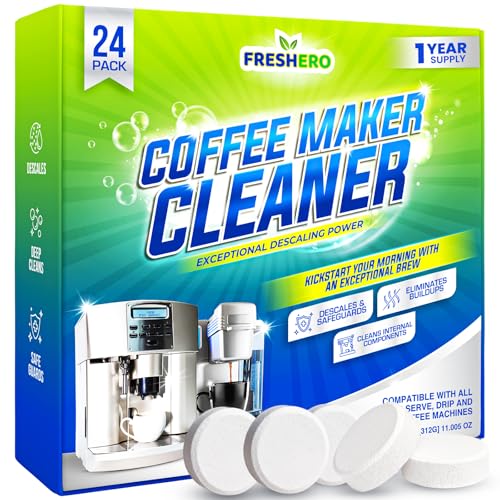

Descaling Solutions, Tablets, or All-Purpose Cleaner: What Your Machine Actually Needs
Most coffee machine cleaning products fall into three buckets, and they aren't interchangeable. Liquid descaling solutions are diluted with water and run through the brewing cycle to dissolve limescale buildup inside pipes and heating elements. Cleaning tablets do a similar job but are pre-measured and dropped straight into a water tank, which makes them harder to mess up. All-purpose machine cleaners, by contrast, target coffee oil residue and staining rather than mineral scale, and they're usually meant for the exterior, drip tray, or removable parts.
When you're comparing descaling solutions, tablets, and sprays side by side, the best coffee machine cleaner is simply the one your manufacturer's manual actually recommends for your model. Some machines have sensors or plastic components that react badly to certain acids, so a universal formula isn't automatically safer than a machine-specific one. If your manual is long gone, look for language on the label that specifically mentions your brewing method, whether that's espresso, drip, or pod-based systems.
Matching the Cleaner to Your Machine Type
Espresso and Pump Machines
Espresso machines push hot water through narrow channels and a group head under pressure, so scale buildup here affects extraction pressure almost immediately. Look for descaling tablets or solutions labeled safe for group heads and boilers, since some general descalers are too harsh for the finer internals in an espresso machine.
Drip and Single-Serve Brewers
Standard drip coffee makers and single-serve pod machines have wider tubing and simpler pump systems, which means they tolerate a broader range of liquid descaling solutions. A full reservoir cycle followed by two or three rinse cycles is usually enough to clear mineral deposits.
Manual Brewers
French press, pour-over, and manual drip devices rarely need a dedicated descaler at all. Warm water, mild dish soap, and an occasional soak in a diluted citric acid solution to clear any staining is typically sufficient.
Milk Frothers and Attachments
If your setup includes a built-in steam wand or a separate milk frother, treat that part as its own cleaning task. Dried milk residue can clog small openings quickly, so a daily wipe with warm water plus a weekly soak in a mild cleaning solution prevents buildup that a descaler alone won't touch.
How Hard Water Affects Your Descaling Schedule
Water hardness is the single biggest factor in how often you need to clean your machine, more than how many cups you brew. In areas with hard water, high in dissolved calcium and magnesium, scale can build up noticeably within four to six weeks. Soft water regions might stretch that to every two or three months without any real drop in performance.
Watch for practical warning signs rather than sticking to a rigid calendar. A machine that takes noticeably longer to brew, makes louder gurgling or hissing noises, or produces coffee with a flat or slightly metallic taste is usually overdue for descaling. White, chalky residue around the water outlet or on a used tablet basket is another clear signal. If you're unsure how hard your water is, many local utilities publish hardness data, or you can pick up an inexpensive test strip.
Filtered or bottled water slows scale buildup considerably, which can stretch the time between descaling sessions. If you use a pitcher filter or a machine with a built-in water filter cartridge, replace that filter on schedule as well, since a spent cartridge stops trapping minerals long before it looks visibly dirty.
Reading the Label: Acid-Based, Enzymatic, and Natural Formulas
Most commercial descalers rely on citric acid, sulfamic acid, or a blend of both, since these compounds bind to mineral deposits and break them down without being especially harsh on plastic and rubber parts. Citric acid in particular is popular because it's food-safe, inexpensive, and widely available on its own as a powder, which makes it a reasonable substitute for a bottled descaler in a pinch.
All-purpose cleaning products for coffee equipment sometimes use enzymatic formulas instead, which break down oily coffee residue rather than mineral scale. These are common in cleaners meant for portafilters, brew baskets, and carafes where staining is the main concern. Whichever formula you pick, check whether it requires a full rinse cycle afterward. Products marketed as food-safe still usually recommend running one or two cycles of plain water through the machine before brewing coffee again, since leftover acid can affect taste even in small amounts.
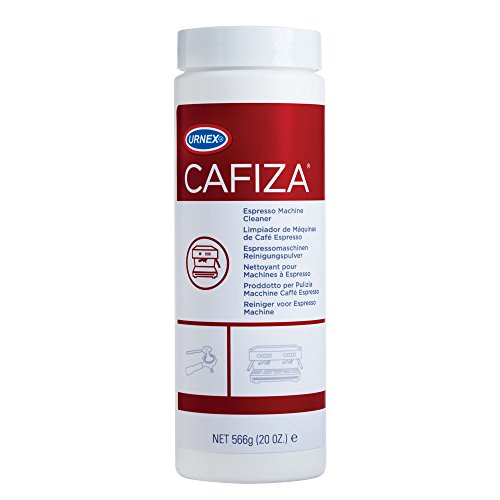
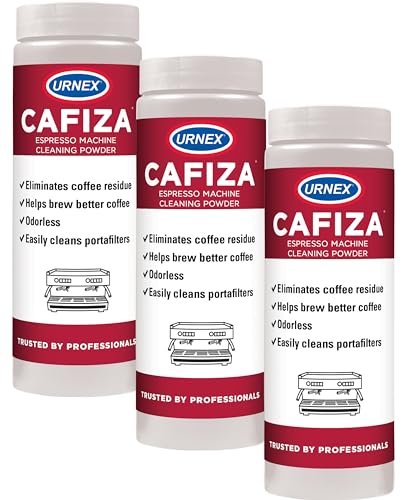
Fragrance-free and dye-free formulas are worth seeking out if you're sensitive to strong scents, since some descalers leave a faint chemical smell in the reservoir even after rinsing. Powdered cleaners marketed for espresso equipment, often used to soak portafilters and baskets, are a separate category from descalers entirely and shouldn't be run through the machine's internal plumbing unless the label says otherwise.
Frequently Asked Questions
How often should you descale a coffee machine?
Most manufacturers suggest descaling every one to three months, depending on water hardness and how often the machine is used. Homes with hard water often need to descale monthly to avoid performance issues.
Can you use vinegar instead of a commercial descaler?
Plain white vinegar can dissolve some scale, but it's less effective than citric acid and leaves a strong smell that takes several rinse cycles to clear. Most manufacturers don't recommend it for espresso machines.
Is citric acid safe for espresso machines?
Food-grade citric acid is generally safe when diluted correctly, but always check your machine's manual first. Some espresso machines have specific concentration limits to protect gaskets and seals inside the group head.
What happens if you don't clean or descale your machine regularly?
Neglected machines brew slower, run hotter than intended, and can develop a bitter or metallic taste over time. In severe cases, mineral buildup can permanently damage heating elements or internal valves.
Do coffee maker cleaning tablets expire?
Yes, most tablets have a shelf life of one to two years printed on the packaging. Expired tablets may not fully dissolve or could lose some of their cleaning strength.
Can the same descaler work for both drip and espresso machines?
Many liquid descalers are labeled as universal and work across both machine types, but always check the concentration and dilution instructions. Espresso machines often require a milder solution than drip machines.
How long should a descaling solution sit before rinsing?
Most solutions need to sit in the reservoir for fifteen to thirty minutes to fully dissolve scale, though some fast-acting formulas work in as little as five. Always follow the specific product instructions rather than guessing.
Keeping Every Cup Tasting the Way It Should
Choosing the right descaling solution, tablet, or cleaning formula comes down to matching the product to your specific machine and paying attention to how hard your water is. A little consistency here goes a long way toward protecting your investment. Sticking with the best coffee machine cleaner for your setup, used on a schedule that fits your water, keeps both flavor and machine performance where they should be.