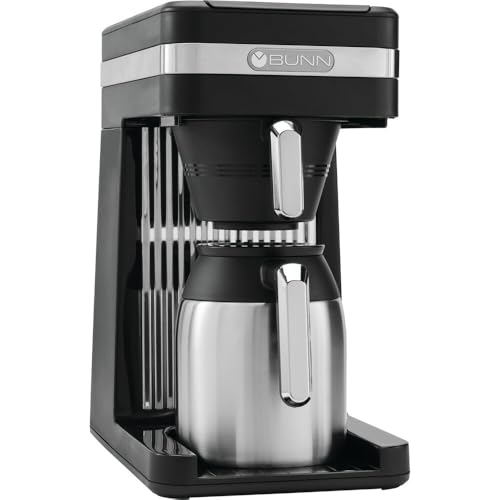
Best Compact Coffee Maker in 2026: Buying Guide
Disclosure: We may earn a commission when you buy through links on this page, at no extra cost to you. As an Amazon Associate I earn from qualifying purchases. Learn more
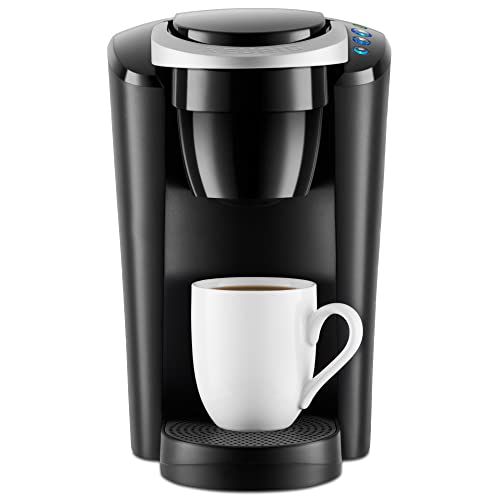
Small kitchens need a smaller brewer: how to choose the best compact coffee maker by capacity, type and counter fit.
Picture a weekday morning in a small kitchen. The toaster, a cutting board, and a fruit bowl already share the counter, and the cabinet above leaves only a short gap for anything tall. A full size brewer would crowd the workspace, yet you still want a proper pot of coffee. That daily squeeze is exactly the problem the best compact coffee maker solves.
This guide helps you choose by space, household size, and budget rather than by the longest feature list. You will learn which sizes and types suit real routines, what to measure before ordering, and which extras are safe to skip. The product table sums up the main types side by side. Readers with more room can also see our guide to the best coffee maker for home.

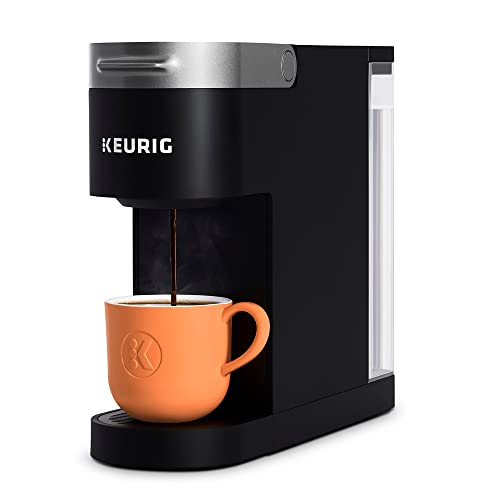


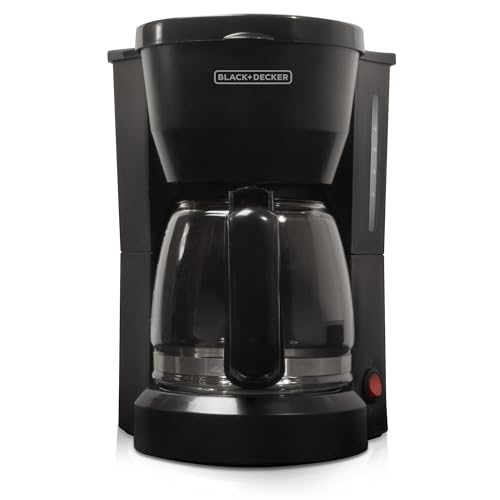


Quick Answer: What a Compact Coffee Maker Really Gives You
A compact coffee maker is a brewer built with a smaller footprint and a smaller brewing capacity than a standard machine. Most brew about 4 to 12 cups, though in coffee maker terms a cup is often only about 5 ounces, so the real volume is less than the box suggests. You gain counter room, easier storage, and a pot sized closer to what a small household actually drinks. You give up batch size for guests and, on the cheapest models, some temperature control.
Who Should Buy a Compact Coffee Maker?
One or Two Coffee Drinkers at Home
If only one or two people drink coffee each morning, a large carafe mostly leads to stale leftovers that get poured away. A smaller brewer makes a fresh pot in the amount you finish, so flavor stays better and waste drops. You also fill and rinse a smaller reservoir and carafe, which keeps the routine quick. Choose a 4 to 10 cup capacity based on mug size, since big mugs can empty a small pot fast.
Small Kitchens, Apartments, and Rental Homes
When counter depth is limited, a compact machine earns its place by fitting where a standard brewer cannot. Renters benefit from a light machine that moves easily and needs no plumbing or permanent fitting. A short body also slides under low cabinets in older kitchens. Measure your space before choosing, since a compact label does not guarantee the lid opens fully under your cabinets.
Second Brewers for an Office Corner or Guest Room
A compact brewer works well as a second machine where coffee is occasional rather than constant. In a home office it keeps a fresh cup within reach, and in a guest room it lets visitors brew on their own schedule. Simple controls matter most in these spots, since users will not read a long manual. Pick a model with a clear water window and automatic shutoff.
Before You Buy: A Quick Checklist for Choosing a Coffee Maker
Work through these points in order. Size and fit come first, because the most capable machine is a poor buy if it cannot live in your kitchen.
Size: Match Capacity to Your Household
Capacity is the first filter. Small drip machines commonly come in 4, 5, 8, 10, and 12 cup versions, plus single cup machines that brew one mug at a time. Because a coffee maker cup is often about 5 ounces, an 8 cup pot holds roughly 40 ounces, or about three generous mugs. Count mugs, not cups, when you decide, and remember that a couple drinking two large mugs each needs more than the cup number suggests.
Which Type Fits Your Routine
Basic drip models are the simplest route to a full small pot. Programmable models let you set a start time the night before, which suits fixed morning schedules. A thermal carafe keeps coffee hot without a warming plate, while a glass carafe costs less and shows the level at a glance.
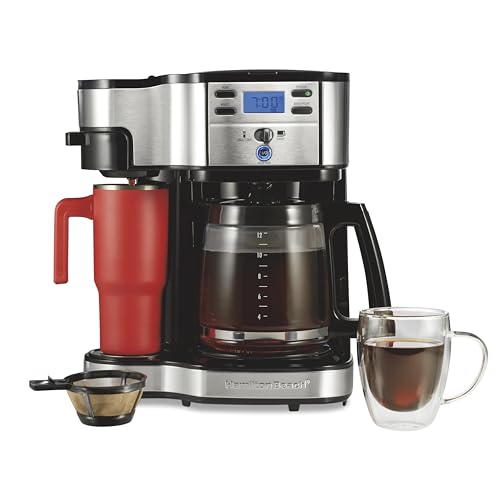
Dual machines brew either a pot or a single cup. Pick the type that matches how your household actually drinks.
Features Worth Paying For, and Ones to Skip
A timer, automatic shutoff, and a pause feature that lets you pour mid brew are worth having for most homes. A thermal carafe is worth the extra cost if coffee sits for more than an hour. A milk frother, a hot water dispenser, or a pod option only earns its price if you already use those drinks weekly.
A built in grinder adds freshness but also adds size, noise, and cleaning. Our separate guide to the best coffee maker with grinder explains that trade in more detail.
Brew Temperature and SCA Certification
Coffee extracts best in water around 195 to 205 degrees Fahrenheit, and brewing much cooler can taste thin and sour. Many low cost compact machines run cooler than that range, which is one reason their coffee can disappoint. Certification from the Specialty Coffee Association means a brewer has been checked for temperature and brewing standards, and certified compact models do exist at higher prices. If flavor is your top priority, treat temperature performance as a core spec and read the stated brewing temperature before you buy.
Water Reservoir, Filters, and Descaling
A removable reservoir is easier to fill and clean than a fixed tank, and a wide opening reduces spills at the sink. Most compact drip machines use paper filters or a reusable mesh filter, and some add a charcoal water filter you replace on a schedule. Mineral scale builds up in any machine that heats water, so check for a cleaning cycle or clear descaling steps. Ignoring scale slows brewing over time.
Counter Footprint and Cabinet Clearance
Measure three numbers before ordering: the width and depth of the counter spot, and the height from the counter to the cabinet above. Then add clearance for the lid to open and for steam to escape, since many compact machines load water and grounds from the top. A machine that fits with the lid shut may still be unusable if the lid hits the cabinet when open.
Realistic Budget Ranges
Models under $30 usually offer a basic small drip or single cup machine with few controls and a glass carafe. About $30 to $50 adds programmability, automatic shutoff, and better water windows. About $50 to $100 is where thermal carafes, stronger temperature performance, and dual brewing appear more often.
About $100 to $200 covers certified brewing, better materials such as stainless steel, and longer warranties. Spend first on capacity, temperature, and fit, because those decide daily satisfaction more than extra drink programs do.
Compact Coffee Maker Types Compared
A compact drip brewer is the default choice for households that drink from a shared pot, and our guide to the best drip coffee maker covers that style in depth. These models keep the full pot experience while trimming height and depth, so they suit couples and small families best.
Single cup machines brew one mug at a time using pods or loose grounds, which removes leftover coffee. The trade is a higher cost per cup with pods and more plastic waste unless you use a refillable filter. Dual machines combine a small pot with a single cup brewer, which helps mixed households, though they are the widest option here.
Thermal carafe models keep coffee hot for a few hours without a warming plate, so the last mug tastes fresher. Glass carafe models cost less and weigh less, but coffee on a warming plate slowly turns bitter. If you are torn between a brewer and shots of concentrated coffee, our comparison of coffee maker vs espresso machine explains how the drinks, cost, and counter demands differ.
What This Guide Compares
This guide weighs brew quality, temperature stability, ease of use, cleaning effort, and build quality. The product table is where current models and prices appear.
Pros and Cons of Compact Brewers
- Pro: a smaller footprint leaves working room on the counter for food prep.
- Pro: smaller pots mean fresher coffee and less poured away at the end of the morning.
- Pro: lower purchase prices and cheaper filters keep the cost of entry down.
- Con: small batches fall short when guests visit or a household drinks heavily.
- Con: the cheapest models often brew below the ideal temperature range.
- Con: compact parts, carafes, and lids can feel less sturdy than those on larger machines.
Common Buying Mistakes to Avoid
- Buying by the cup number alone, then finding the pot holds fewer real mugs than you expected.
- Measuring the machine height but not the extra clearance the open lid needs under cabinets.
- Choosing the cheapest model and accepting weak coffee from poor temperature control.
- Paying for a frother, pod side, or grinder you will rarely use, which adds cost and cleaning.
- Ignoring filter and descaling costs, so the low purchase price hides ongoing upkeep.
- Picking a fixed reservoir for a tight corner where filling means spilling water daily.
Cost of Ownership and Care
Running costs stay modest. Paper filters cost very little per pot, reusable filters remove that cost but need rinsing after each brew, and charcoal water filters add a small recurring expense where fitted. Electricity use is minor for a short brew cycle.
For upkeep, wash the carafe and filter basket with warm soapy water, wipe the exterior, and descale on the schedule the maker suggests. Our guide on how to clean a coffee maker walks through a full deep clean.
Your Questions, Answered
Are compact coffee makers worth it for homes that host guests often?
They can be, with a plan for bigger gatherings. For daily use the small pot is the right size, and for guests you can brew two pots in a row or keep a simple backup method. If you host a crowd every week rather than a few times a year, a standard capacity machine may serve you better.
How long does a compact coffee maker usually last?
Most compact drip machines last about 3 to 7 years with regular descaling and gentle handling of the carafe and lid. Lifespan depends more on water quality and cleaning habits than on the brand badge, and machines descaled on schedule tend to reach the upper end of that range. A cracked carafe or failed heating element is the most common reason owners replace one early.
Can a compact coffee maker brew iced coffee?
Yes, in a simple way. Brew a smaller amount of water with the usual amount of grounds so the coffee is stronger, then pour it over a carafe or mug filled with ice. Some models include an iced setting that adjusts this balance for you. Avoid pouring hot coffee into a thin glass of ice, since sudden temperature change can crack glassware not rated for it.
What grind size works best in a compact drip coffee maker?
A medium grind, close to the texture of coarse sand, suits most compact drip machines. Grind that is too fine can slow the drip and overflow the basket, while grind that is too coarse lets water pass too fast and leaves coffee weak. If you buy ground coffee, choose a bag labeled for drip use, and store it sealed away from heat and light.
What is the best compact coffee maker size for an office desk?
A single cup machine or a 4 to 5 cup drip model usually fits a desk best, since both keep the footprint small and limit leftover coffee. Check your office rules first, because some workplaces restrict personal appliances or require automatic shutoff. A model with a travel mug option also cuts down on washing up at a shared sink.
Final Thoughts
The right compact brewer fits your counter, your cabinets, and the number of mugs your household drinks each morning. Get capacity, footprint, and brew temperature right first, then add only the features your routine will use. When you are ready to compare current models, start with the product table, and for a broader view see our roundup of the best coffee maker options. Choose the best compact coffee maker for your home that way, and it will earn its small patch of counter every day.