Best Compact Single Serve Coffee Makers (2026): How to Pick One That Fits Real Homes
Disclosure: We may earn a commission when you buy through links on this page, at no extra cost to you. As an Amazon Associate I earn from qualifying purchases. Learn more
Best compact single serve coffee maker guide: compare footprint, tank size, pod cost and cleaning for small kitchens and shared homes.
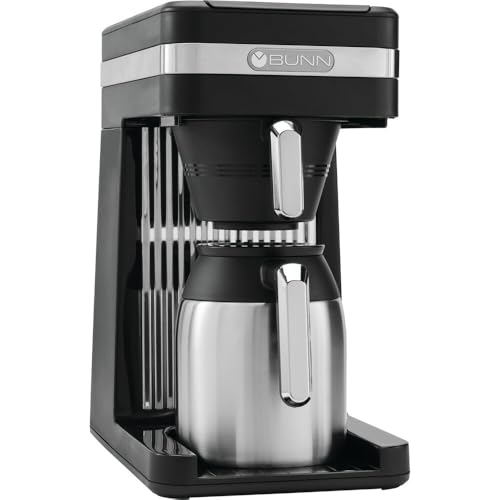
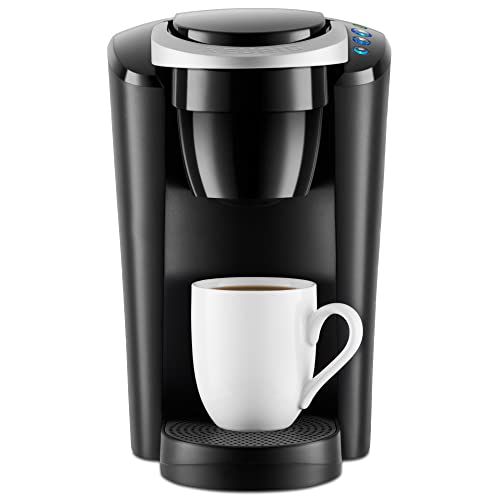
Your kitchen counter already holds a cutting board, a fruit bowl, and the mail you meant to sort yesterday. A full size coffee machine would crowd out the space you use to cook. Choosing the best compact single serve coffee maker lets you brew one fresh cup at a time without giving up that workspace. The comparison table below groups the main types by footprint, tank style, and daily upkeep.
This guide focuses on how a compact machine fits your home, not on brand loyalty. You will see how household size, cabinet height, pod costs, and cleaning habits should shape your choice.


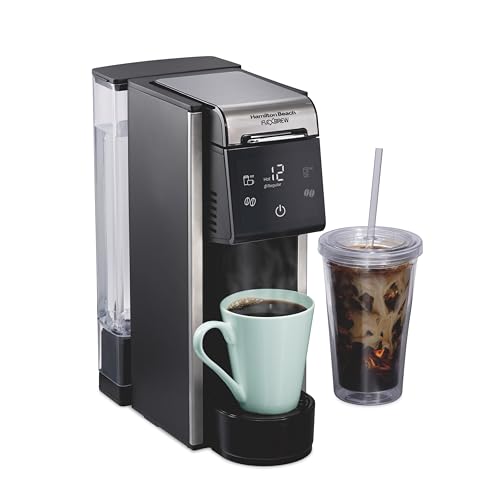
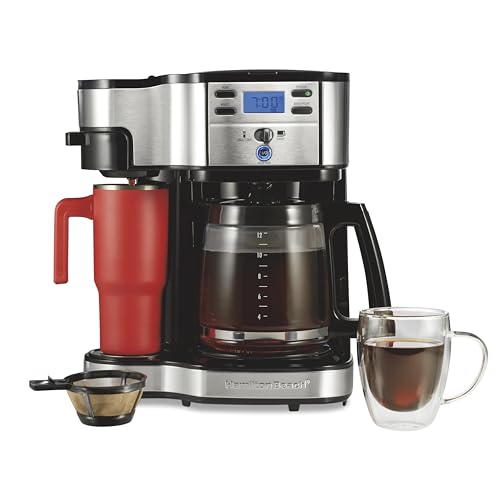
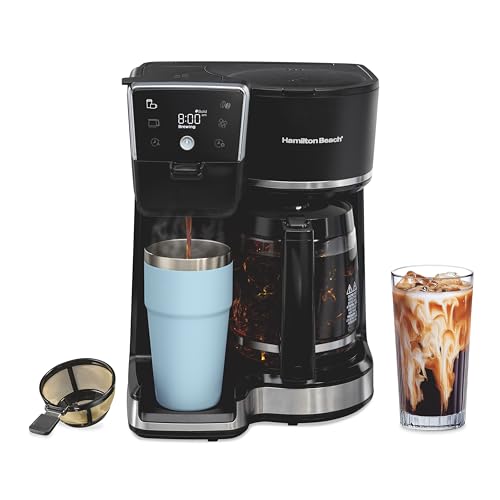

Quick Answer: The Main Compact Types at a Glance
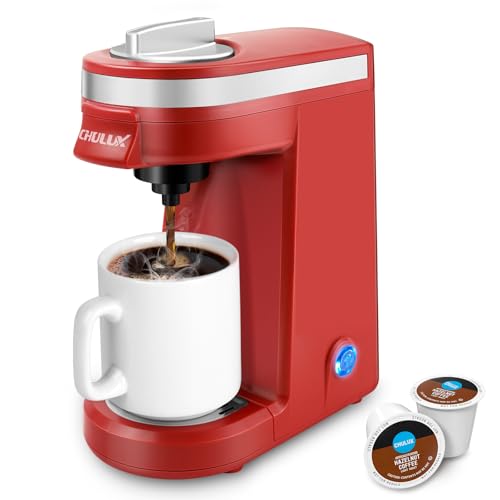
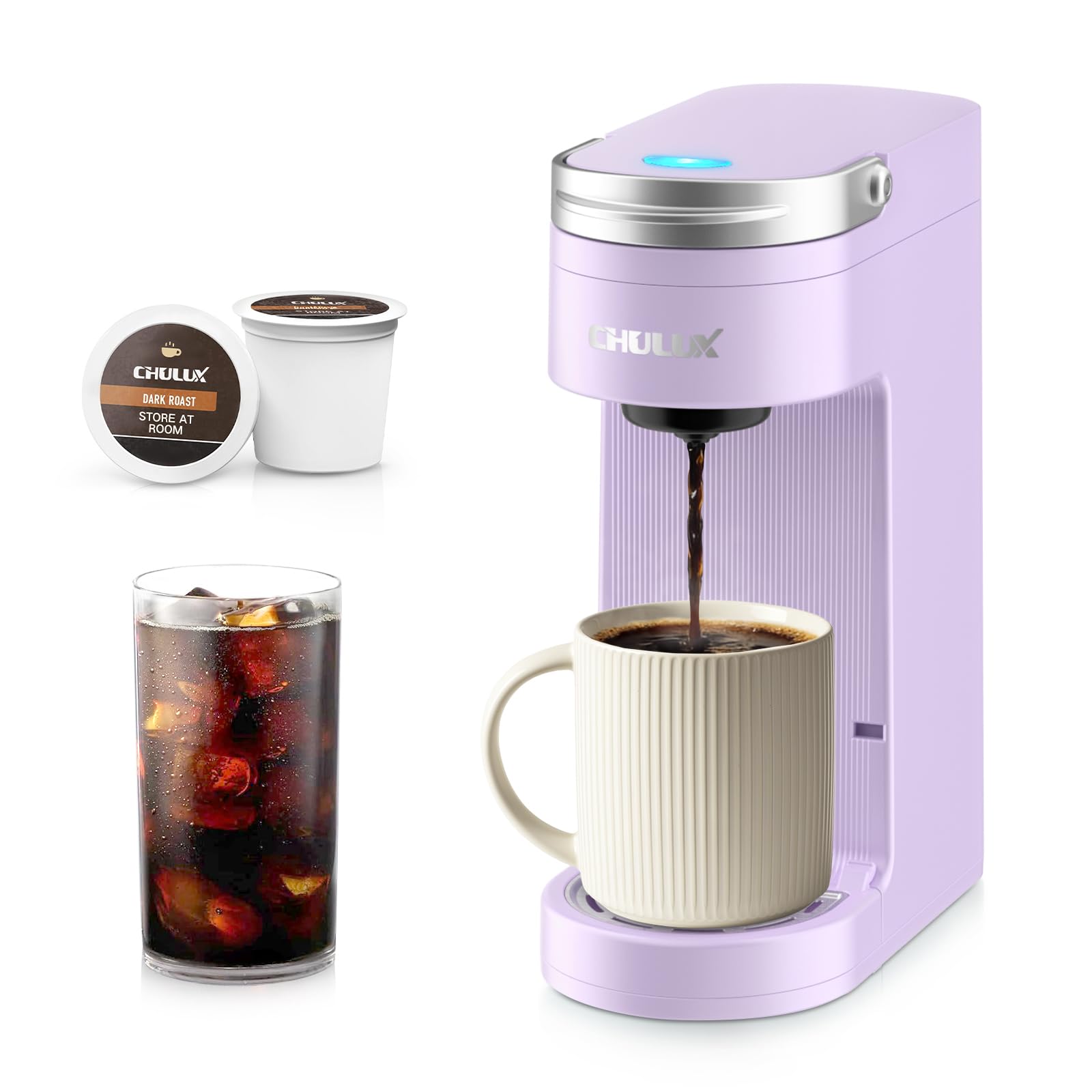
Compact single serve machines fall into three broad types. Slim pod machines with a small tank suit one person who brews once or twice each morning. Fill per cup models hold no stored water, so they take the least depth but ask you to add water for every brew. Flexible models accept both pods and ground coffee, giving you more control over strength and waste.
If you are still weighing compact against standard sizing, our guide to the best single serve coffee maker covers the wider category. Start there for the full picture, then return here once you know that counter space is your main limit and a smaller footprint matters more than a large tank.
Before You Buy: A Quick Checklist for Choosing a Single Serve Coffee Maker
Measure first, then compare features. The points below follow the order that causes the fewest regrets, starting with format and ending with budget. A machine that fails on fit will annoy you daily, even when the coffee itself tastes fine.
Which Type Fits Your Routine
Pod machines offer the fastest routine, since you insert a pod, press a button, and discard the used pod. A guide to the best k cup single serve coffee maker explains that pod family in more depth. Ground coffee models take a minute longer because you fill a reusable filter, but they let you use any beans you already buy.
Features Worth Paying For and Features You Can Skip
A removable tank, a drip tray that lifts out for rinsing, and a choice of two or three cup sizes earn their cost in daily use. A milk frother only matters if you make lattes at home several times a week, because it adds parts to wash and depth to the machine. Touch screens, app control, and long lists of drink presets rarely change the cup itself. Spend on the parts you touch daily and skip the extras that mostly decorate the product page.
Brew Temperature and Consistent Extraction
Good extraction needs water near 195 to 205 degrees Fahrenheit as it passes through the coffee. Machines that rush the heating stage can pour a sour, thin cup, while steady heat gives a fuller flavor from the same pod. Some makers cite guidance from the Specialty Coffee Association for that temperature range, which is a useful sign of care in design. You cannot adjust this on most compact models, so favor steady heat over extra cup size options when you compare two similar machines.
Water Reservoir, Filters and Descaling
Tank size decides how often you refill. A tank holding about 30 to 40 ounces covers a solo drinker for days, while a fill per cup design removes that chore from your list only if you keep a filled carafe nearby. Some models use a small charcoal filter inside the tank that you replace about every two months. All models need descaling when minerals build up, and a clear descaling alert saves you from guessing when that day arrives.
Counter Footprint and Clearance
Width gets the attention, but height and lid clearance cause most failed fits. Measure the space under your cabinets, then add room for the lid or pod lever to open fully, often several extra inches. Depth matters too, because a tank that pulls out from the front suits a tight spot better than one that lifts from the back. Leave a little air space around the machine as well, since steam needs somewhere to go during brewing.
Realistic Budget Ranges
Basic compact pod machines often cost under $50, and they cover simple one cup brewing with one or two cup sizes. Models at about $50 to $100 usually add a removable tank, more cup sizes, and stronger brew settings. Paying about $100 to $150 tends to buy a sturdier body, faster heating, and ground coffee flexibility. Judge each tier by daily convenience, not by the number of buttons.
How the Three Compact Types Compare for Daily Home Use
With the checklist in mind, match each type to the home it serves best. The same machine can feel perfect in a studio kitchen and frustrating in a busy family kitchen, so let your household pattern lead the decision.
Slim Pod Machines for One Person Mornings
If you live alone and brew once before work, a slim pod machine with a modest tank keeps your routine to under a minute of effort. You refill the tank every few days, wipe the drip tray weekly, and store pods in a small drawer or jar nearby. The main tradeoff is back to back brewing, since the small tank and slower reheating make a second cup for a guest feel like a pause in your morning rather than a quick favor.
Slightly Wider Machines for Shared Homes
Two or three coffee drinkers change the math. A larger tank, around 40 ounces or more, prevents the refill arguments that start a busy day badly, and a stronger brew setting helps when tastes differ at the same table. Homes that host coworkers or study groups face similar demands, which is why the advice in our guide to the best single serve coffee maker for office on tank size and simple controls also applies at home.
Flexible Machines for Pods and Ground Coffee
A flexible machine accepts pods on rushed days and ground coffee when you want a favorite roast or a lower cost per cup. You fill a reusable filter, level the grounds, and brew as usual, then rinse the filter after the cup cools. If that freedom appeals to you, our guide to the best single serve coffee maker for ground coffee explains filter styles and grind choices in detail. The tradeoff is counter clutter, since you now store both pods and a bag of beans.
Our Selection Process for Compact Single Serve Coffee Makers
We compare each candidate for the best compact single serve coffee maker on five points drawn from maker specifications and patterns in verified buyer reviews. Those points are brew quality, temperature stability, ease of use, cleaning and descaling effort, and build quality. We do not claim hands on testing. Instead, we weigh whether the stated footprint, tank design, and controls match the homes each type is meant to serve.
What We Like and What We Do Not About Compact Machines
Compact machines win on space, speed, and portion control. You brew the cup you will drink, so less coffee sits warming and less goes down the drain. Most heat only the water for one cup, which keeps energy use modest, and a short counter depth leaves room to prep food beside the machine.
The limits are real, though. Small tanks need frequent refilling in shared homes, and narrow bodies rarely fit a tall travel mug without removing the drip tray. Pod waste adds up unless you choose reusable filters, and per cup pod costs run higher than ground coffee. Readers comparing pod systems often start with a primer like keurig vs nespresso to understand how pod formats and drink styles differ before they commit to one ecosystem.
Common Mistakes to Avoid
- Measuring only the counter width and forgetting the open lid height, so the machine cannot load a pod under your cabinets.
- Buying the smallest tank for a home with several daily drinkers, which turns refilling into a constant small chore.
- Ignoring pod costs when you set your budget, even though a year of pods can cost more than the machine itself.
- Paying for a frother and drink presets you will rarely use, while skipping the removable tray that makes cleaning simple.
- Placing the machine where steam vents against a cabinet underside, which can damage wood finishes over time.
Cost of Ownership and Care
Your ongoing costs are pods or ground coffee, tank filters where fitted, and descaling solution or plain vinegar, plus a small amount of electricity per cup. Pods offer convenience at a higher cost per cup, while ground coffee lowers that cost but adds a reusable filter to your routine. Keep the total in view when a low purchase price tempts you toward a pod format your household will feed heavily.
For care, empty and rinse the drip tray often, wipe the pod holder to remove coffee oils, and descale on the schedule the manual sets for your water hardness. Our walkthrough on how to clean a single serve coffee maker covers the full routine step by step. Store the machine with the tank empty if you travel for a week or more, so the stored water does not pick up stale tastes.
Your Questions, Answered
How do you clean a compact single serve coffee maker day to day?
Daily care takes about a minute. Empty the drip tray, rinse it when coffee splashes build up, and pop out the pod holder for a quick rinse to clear oils that turn bitter. Wipe the exit needle area gently if grounds collect there, since a partial blockage slows the flow. Leave the lid open after your last cup so the brew chamber air dries, which helps prevent the musty smell that closed damp parts can develop.
Is a compact single serve coffee maker worth it for a small kitchen?
Yes, if counter space is your binding limit and you drink one or two cups a day. You gain back prep room that a full size machine would claim, and you avoid brewing a pot that mostly goes to waste. It is less worthwhile if you often serve coffee to four or more people at once, because brewing cup by cup turns hosting into a queue and guests end up waiting between rounds.
How long does a compact single serve coffee maker usually last?
Most home machines last about three to five years with regular descaling and gentle handling of the pod lever and tank fittings. Hard water shortens that span when scale coats the heating parts and forces the pump to work harder. A practical end of life sign is repeated weak or short cups after a full descale, since that pattern points to wear you cannot fix with cleaning alone.
Can a compact single serve coffee maker fill a travel mug?
Often yes, but check two numbers before you buy. The largest cup setting should match your mug volume, commonly about 12 to 14 ounces, and the space between the drip tray and the spout must fit the mug height. Many compact models let you remove the tray to gain that height. If your mug still does not fit, brew into a standard mug and pour, which adds a dish but solves the clearance problem.
Are pods or ground coffee cheaper in a compact single serve coffee maker?
Ground coffee is cheaper per cup in nearly every home, often by a wide margin over a year of daily brewing. Pods charge for packaging and convenience, and specialty pods cost the most. Ground coffee adds one small task, since you fill and rinse a reusable filter, and it creates far less packaging waste. Households that mix both often use pods on rushed weekdays and ground coffee on slower weekends to balance cost and effort.
Final Thoughts
The right choice comes back to fit, routine, and running costs. Solo drinkers do well with a slim pod machine, shared homes need the larger tank, and flexible models reward anyone who values choice in each cup. Review the product table above once more, measure your cabinet clearance tonight, and pick the best compact single serve coffee maker that your kitchen and your mornings can support without friction. Prices and availability can change, so check the product page before ordering.