Best Automatic Dishwashers for 2026: What Your Money Really Gets You
Disclosure: We may earn a commission when you buy through links on this page, at no extra cost to you. As an Amazon Associate I earn from qualifying purchases. Learn more
Compare the best automatic dishwashers by price tier, noise level in dBA, drying method and tub material, with running costs explained before you buy.
Dishwasher prices run from about $400 for a basic built in model to well over $1,500 for a premium one, and the difference is not just a nicer front panel. Choosing the best automatic dishwashers means knowing which upgrades change daily life, such as quieter cycles and better drying, and which ones you can skip. This guide breaks the market down by budget.
Every tier below covers what you typically get, what you give up, and who it suits. The product table puts the main options next to each other, and the feature sections after it explain the numbers that matter most.

What Your Money Gets You at Each Price Tier
Budget Tier: About $400 to $650
Budget dishwashers usually have a plastic tub, a noise rating around 55 to 60 dBA, and a small set of wash cycles. Cleaning is generally strong, because the same basic spray systems appear across price levels, but drying is weaker and racks adjust very little. Controls are simple buttons rather than hidden top controls.
This tier suits rental properties, first homes, and anyone replacing a failed unit quickly. Shoppers comparing value across brands often start with guides to the best ranked dishwashers to see how budget models stack up.
Midrange Tier: About $650 to $1,000
The midrange is where most households land, and it brings a stainless steel tub, noise ratings around 44 to 50 dBA, and a soil sensor that adjusts cycle length to how dirty the load is. Adjustable racks and fold down tines make odd shaped items easier to fit. Heated dry or fan assisted drying appears here, and plastics come out noticeably drier. For a family running a load a day, this tier balances price, quiet, and convenience well.
Premium Tier: About $1,000 to $1,800
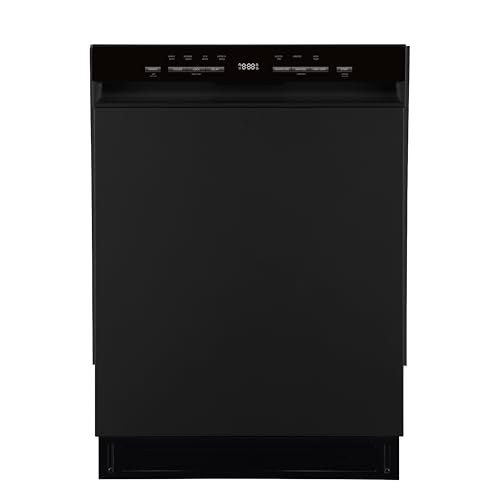
Premium models push noise down toward 38 to 44 dBA, quiet enough to run during a conversation in the same room. You also get a third rack for cutlery and small items, targeted wash zones for baked on food, and interior lighting on some models. Finishes resist fingerprints, and leak detection systems add peace of mind. This tier pays off in open plan homes where the kitchen doubles as living space.
Features Worth Paying For (and Ones to Skip)
Noise Level in dBA
Noise is rated in dBA, and lower is quieter: around 60 dBA sounds like normal conversation, while 44 dBA is closer to a quiet library. Each drop of about 10 dBA sounds roughly half as loud to most ears. Pay for a lower rating if the kitchen sits near bedrooms or a living area. If the machine runs overnight behind a closed door, a midrange rating is usually quiet enough.
Drying Performance
Drying is where cheap dishwashers disappoint most. Heated dry uses an element to bake water off, which works well but can warp delicate plastics placed on the bottom rack. Condensation drying relies on a hot stainless tub pulling moisture from cooler dishes, using less energy.
A third rack helps drying by spreading items out instead of nesting them. Rinse aid makes a bigger difference than most buyers expect, whatever the tier.
Tub Material: Stainless Steel vs Plastic
Stainless steel tubs resist stains and odors, dampen sound, and support condensation drying because they hold heat. Plastic tubs cost less and still clean just as well, but they can discolor over years of tomato based sauces. If two models differ only in tub material and the price gap is small, stainless is the better long term buy. Either way, keep the filter clean so the tub stays fresh.
Cycle Options and Controls
Beyond the normal wash, useful cycles include a heavy cycle for baked on pans, a quick cycle for lightly soiled loads, and a sanitize option that raises the final rinse temperature. Top controls hidden by the door give a cleaner look, and many models add a control lock. Delay start is worth having at every tier, since it lets you run the dishwasher when electricity is cheaper or the house is empty. Exotic steam and glass care cycles are nice, but most households rarely use them.
Size, Fit, and Installation
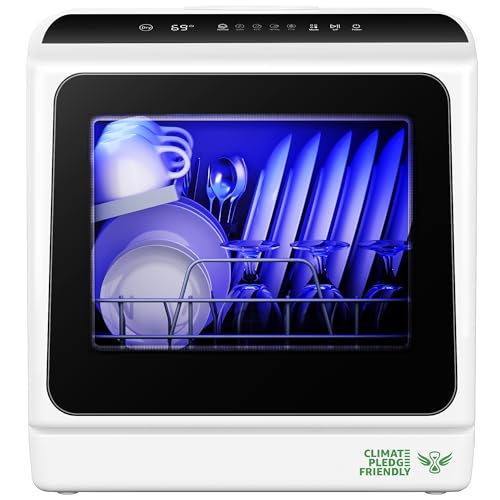
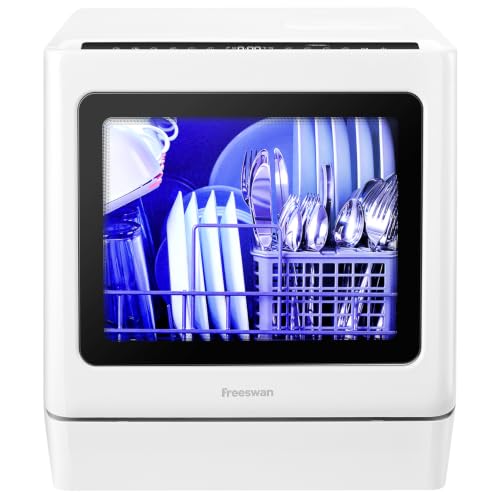
Standard built in dishwashers are 24 inches wide, slimline models are 18 inches, and countertop units suit kitchens with no cabinet space at all. Measure the opening height as well as width, since flooring changes can shrink the space. Installation involves both a water line and an electrical connection, so hire a qualified installer if you are not confident with plumbing and wiring. Always follow the manufacturer's instructions, and switch power off at the breaker and unplug the old unit before any maintenance or removal work.
Energy and Water Efficiency
An ENERGY STAR certified dishwasher uses about 3 to 5 gallons per cycle, far less than hand washing the same load for most households. Efficiency improves as you move up the tiers, but the gap between budget and premium is smaller than the gap between any dishwasher and an old model. Soil sensors save water on light loads by shortening the cycle automatically. Running full loads remains the simplest way to cut cost per wash.
How to Pick the Best Automatic Dishwashers for Your Situation
Quiet Automatic Dishwashers
When quiet matters most, look for three traits: a rating of 44 dBA or lower, a stainless tub that absorbs sound, and an inverter motor that avoids loud start and stop surges. These models cluster in the upper midrange and premium tiers. If your kitchen opens onto a living room or a bedroom sits nearby, the extra spend buys sleep and conversation, not just a low number on paper.
Long Term Costs to Factor In
Budget around $100 to $300 for delivery and installation if you are not fitting the machine yourself, plus haul away fees for the old unit in some areas. Running costs cover water, electricity, rinse aid, and detergent; choosing from guides to the best dishwasher detergents keeps the per load cost predictable. Filters need rinsing monthly and spray arms an occasional check, and you should unplug the machine before any internal maintenance. Extended warranties rarely pay for themselves on midrange models, so weigh them against simply setting the money aside.
Frequently Asked Questions
How long does an automatic dishwasher usually last?
Most automatic dishwashers last about 9 to 13 years with normal family use. Lifespan depends more on water hardness and how often the filter is cleaned than on the purchase price. Hard water areas benefit from a water softener or regular descaling to protect the heating element. When repair quotes approach half the price of a comparable new model, replacement is usually the wiser spend.
Is a third rack in a dishwasher worth paying for?
A third rack is worth it if you wash many utensils, lids, and small items that otherwise crowd the main racks. It frees the cutlery basket space below, which helps fit larger pots. Households of one or two who run small loads gain less, because the rack adds cost without adding useful capacity. Check that tall glasses still fit below it before buying.
How quiet should an automatic dishwasher be for an open plan home?
For an open plan home, aim for 44 dBA or lower so the machine can run while people talk or watch television nearby. Ratings between 45 and 50 dBA are fine when a door can close between the kitchen and living space. Above 55 dBA, most people prefer to run cycles overnight or while out. A delay start timer makes a louder budget model easier to live with.
Why do glasses come out of a dishwasher with a white film?
A white film usually means hard water minerals are drying on the glass, or too little rinse aid is being dispensed. Raise the rinse aid setting first, since that fixes most cases within one or two loads. If the film feels gritty and wipes off, it is mineral deposit; if it looks etched and permanent, the detergent dose may be too strong for softened water. A water hardness test strip tells you which problem you have.
Do dishes need rinsing before loading a dishwasher?
No, modern dishwashers with soil sensors work better when dishes are scraped but not rinsed, because the sensor reads the first rinse water to set cycle length. Fully rinsed dishes can fool the sensor into choosing too gentle a wash. Scrape large food pieces into the bin and leave sauces and crumbs for the machine. A guide to the best dishwasher rack layouts can also help you load so water reaches every surface.
Our Verdict
Let noise, drying, and tub material drive the decision, in that order for most kitchens. Midrange models give the best balance for daily family use, while premium quiet is worth it only when the kitchen shares space with living areas. Whichever tier you choose, the best automatic dishwashers are the ones sized right for your opening and your load habits. Compare the options in the product table before you order.