Best Autofocus Video Cameras of 2026: Complete Buying Guide
Disclosure: We may earn a commission when you buy through links on this page, at no extra cost to you. As an Amazon Associate I earn from qualifying purchases. Learn more

Compare the best autofocus video cameras by sensor size, eye tracking, stabilization, zoom, and battery life to choose the right camera for your video work.
Nothing ruins a good clip faster than focus that drifts at the exact moment the action peaks. A birthday candle gets blown out or a toddler takes her first steps, and the lens is still hunting. The best autofocus video cameras solve that problem by locking onto faces, eyes, and moving subjects while you concentrate on framing the shot instead of babysitting a focus ring.
This guide walks through the features that actually decide whether autofocus feels trustworthy, from sensor size and eye tracking to stabilization and battery life. Use the comparison table below to shortlist models, then read on to match each spec to the kind of video you shoot most.



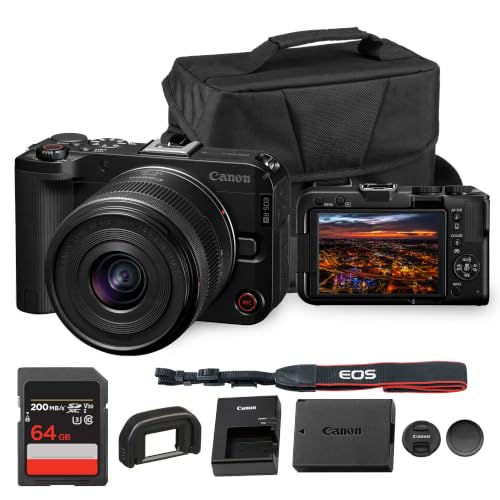
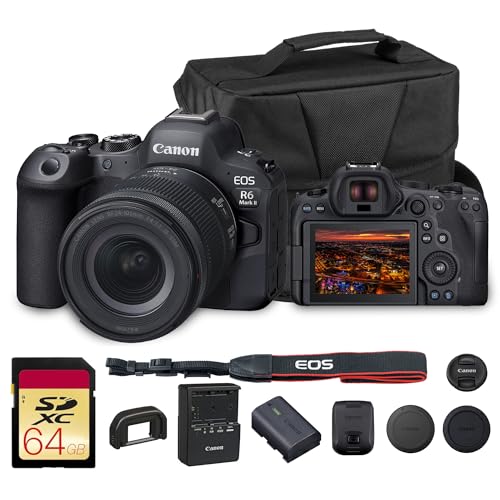
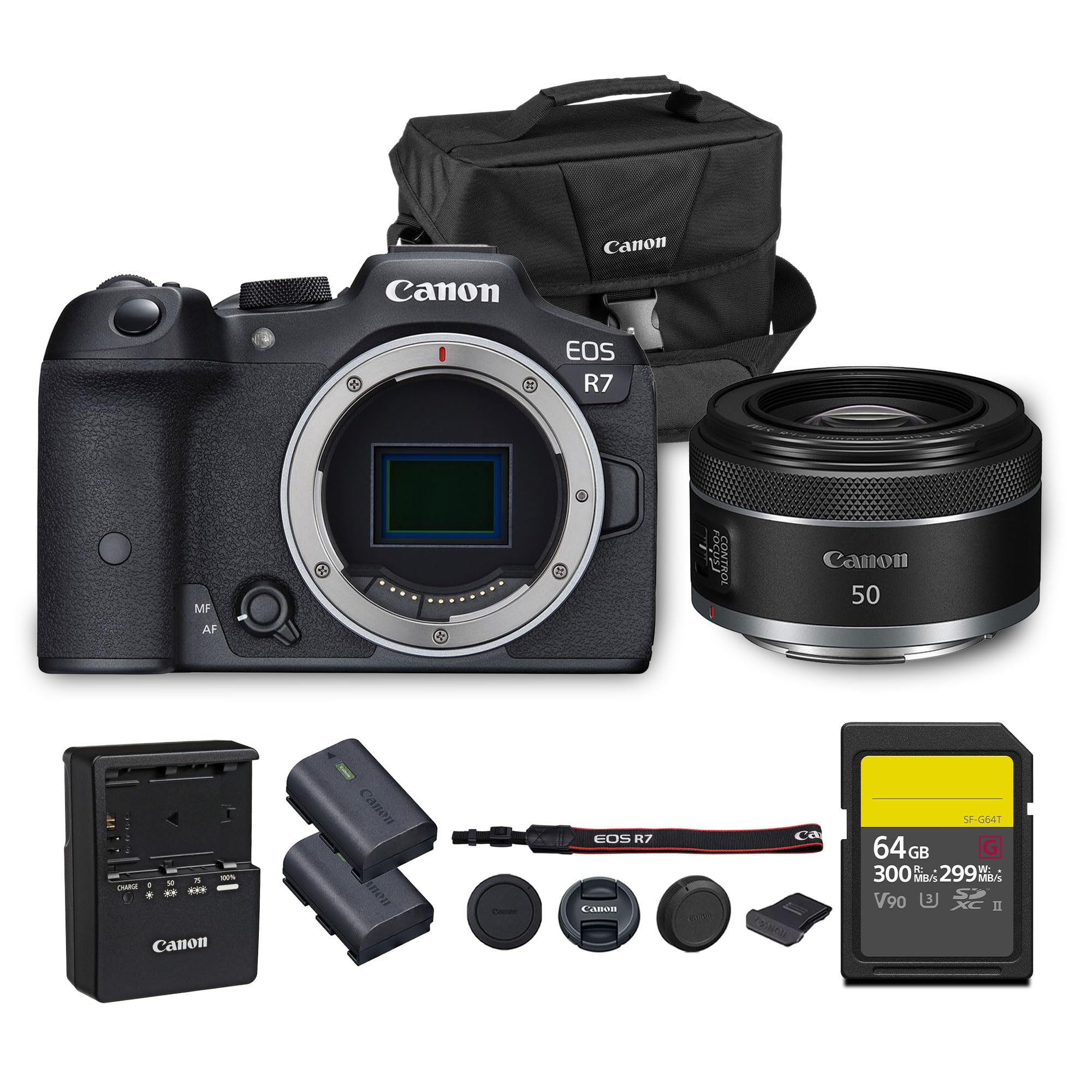
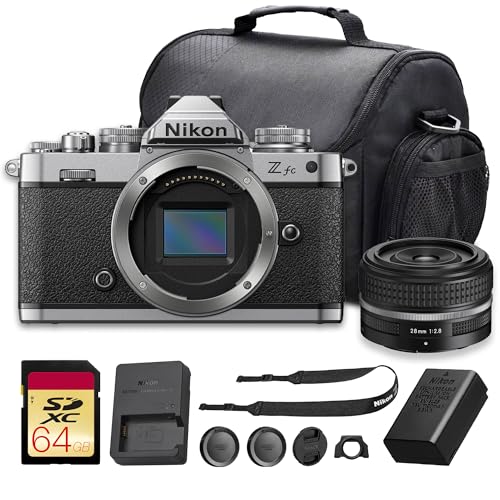

Who Should Buy an Autofocus Video Camera?
Parents and Family Filmmakers
You shoot birthdays, school plays, and backyard games, often with one hand busy and no chance for a second take. Reliable face and eye detection matters more to you than pro level menus, because kids rarely sit still or repeat a moment. Look for a camera that powers on fast, finds faces on its own, and keeps tracking while your subject runs toward or away from you. Simple controls and a helpful auto mode let other family members pick the camera up and get usable footage too.
Vloggers and Solo Creators
When you film yourself, there is nobody behind the camera to pull focus, so the camera has to treat your face as the subject at all times. A flip out screen lets you check framing, and strong eye tracking keeps you sharp when you lean in to show a product or step back for a wider shot. If talking head and travel content is your main format, see our guide to the best cameras for video blogging for features aimed at creators who work alone.
Event, Sports, and Travel Shooters
Weddings, recitals, youth sports, and street scenes all share one trait: the subject moves and the light changes without warning. You need autofocus that reacquires quickly after someone crosses in front of your subject, plus tracking that sticks during pans. Weather sealing and a tougher body start to matter here because your shoots happen outdoors and on the move. A longer zoom helps you work from the sidelines without stepping into the scene or distracting the people in it.
Key Features to Compare
Six factors do most of the work when you compare the best autofocus video cameras: the sensor, the focus system, stabilization, the lens, the body, and the battery. The sections below take each one in turn.
Sensor Size and Image Quality
Sensor size shapes both image quality and how your footage handles dim rooms. A 1 inch sensor, common in premium compacts, gathers far more light than a phone sensor and gives cleaner 4K video with softer backgrounds. APS C sensors, found in many mirrorless models, go further in low light and pair with interchangeable lenses. Full frame sensors sit at the top for shallow depth of field and clean high ISO footage, but the bodies and lenses grow larger and costlier. Megapixels matter far less for video than sensor size, so judge a camera by its sensor and video specs first.
Autofocus Speed and Subject Detection
Modern video autofocus relies on phase detection points spread across the sensor, and the best systems add subject detection for faces, eyes, animals, and vehicles. Eye tracking is the feature that changes everyday shooting most, because it holds focus on a person even when they turn sideways or wear glasses. Pay attention to how a camera behaves when a subject leaves the frame and returns, since fast reacquisition saves clips that contrast only systems would lose. Touch focus on the rear screen is worth having too, because it lets you shift focus deliberately between two people in a scene. For a deeper look at focus systems across camera types, see our guide to the best cameras with autofocus.
Image Stabilization
Image stabilization keeps handheld footage watchable, and it also helps autofocus by giving the system a steadier image to read. In body stabilization, often called IBIS, moves the sensor to counter shake and works with almost any lens you attach. Lens based stabilization lives inside the objective lens and tends to shine at long zoom ranges where small movements get magnified. Many cameras combine both, and some add an electronic mode that crops the frame slightly for extra smoothness. If you walk while filming or shoot from a moving car, put strong stabilization near the top of your list.
Lens and Zoom Range
Fixed lens compacts trade flexibility for simplicity, while mirrorless cameras let you swap lenses as your needs grow. Judge a zoom by its optical range, because optical zoom uses the glass itself and keeps full detail, while digital zoom just crops and softens the image. A wide aperture, shown as a low f number such as f2.8, lets in more light and blurs backgrounds more, which helps both exposure and subject separation. Think about the focal lengths you actually use: wide for rooms and vlogging, longer reach for stages and sports.
Durability and Weather Sealing
A weatherproof body with sealed buttons and dials shrugs off drizzle, dust, and splashes that would send an unsealed camera into its bag. Sealing only counts when the lens is sealed too, so check both halves of the pairing before you trust the rating. Cameras without sealing are fine for indoor and fair weather use, and they usually cost less. If you shoot hikes, beaches, or winter events, treat sealing as protection for your investment rather than a luxury.
Battery Life and Charging
Video drains batteries far faster than photos, and autofocus motors plus stabilization draw power the whole time you record. Check the rated recording time per charge rather than the photo shot count, because the two numbers tell very different stories. USB C charging is a real convenience, since you can top up from a power bank between locations instead of carrying a dedicated charger. Whatever you choose, budget for at least one spare battery, because a dead camera misses the moment entirely no matter how good its focus system is.
Types of Video Cameras With Strong Autofocus
Point and Shoot Compacts
Point and shoot compacts pack a 1 inch sensor and a useful zoom into a body that fits a jacket pocket, which makes them the easiest upgrade from a phone. Their autofocus is tuned for faces and everyday scenes, and most handle 4K video with no setup beyond choosing a mode. You give up lens swapping and some manual control, but you gain a camera that is always with you. Shoppers comparing stills focused models as well can browse our guide to the best digital cameras for the wider compact and bridge camera picture.
Mirrorless Cameras
Mirrorless cameras are the flexible middle ground and the most popular choice for serious video work. Interchangeable lenses, larger sensors, and the most advanced subject detection autofocus all live in this category, and the same body shoots excellent stills for thumbnails and family photos. The trade off is size and total cost once lenses join the bag. If you plan to grow into interviews, short films, or paid event work, this is the category that grows with you. For a broader view of video first features beyond focus alone, see our guide to the best cameras for video.
Camcorders and Action Cameras
Traditional camcorders suit long, uninterrupted recording such as ceremonies and games, with big zoom ranges, built in neutral density filters on some models, and bodies shaped for hours of handheld use. Their smaller sensors mean less background blur, but focus stays dependable across the whole zoom range. Action cameras go the other direction: tiny, rugged, and usually fixed focus rather than true autofocus, which works because their wide lenses keep nearly everything sharp. For sports mounting and rough outdoor use, see our guide to the best action video cameras before you decide.
Common Mistakes to Avoid
- Buying on megapixel count alone, when sensor size and the autofocus system decide far more about your video quality.
- Trusting digital zoom numbers on the box, because cropped footage loses the detail you bought the camera to capture.
- Ignoring the microphone input, so clear focused video ends up paired with thin, echoing built in audio.
- Pairing a weather sealed body with an unsealed lens, which leaves the mount exposed in the rain anyway.
- Skipping spare batteries and fast memory cards, so recording stops mid event even though the camera itself is capable.
- Leaving autofocus on a single center point for moving subjects, which guarantees missed focus the moment your subject drifts off center.
Care and Maintenance Tips
- Clean the lens with a proper lens cloth and gentle circular strokes, never your shirt, because shirt fabric can trap grit that scratches the coating.
- Carry a charged spare battery and rotate it with the main one, so both age evenly and you always have power for a full shoot.
- Store the camera in a dry, padded bag with the lens cap on, and add a silica gel pack if your home is humid.
- Update the firmware when the maker releases a new version, because autofocus speed and subject detection often improve through software.
- Wipe the body and mount contacts with a dry cloth after beach or dusty shoots, so grit stays out of the lens mount.
Autofocus Video Cameras: Your Questions Answered
Which autofocus video camera sensor size is best for low light video?
A full frame sensor is best for low light video because its larger surface gathers more light and keeps noise down at high ISO settings. APS C is the practical sweet spot for most buyers, giving much of that benefit in smaller, cheaper bodies. One extra point the spec sheet hides: a fast lens with a wide aperture can matter as much as the sensor, since it feeds the sensor more light before ISO ever has to climb.
Is a smartphone enough instead of a dedicated autofocus video camera?
A smartphone is enough for casual clips, but a dedicated camera pulls ahead once you zoom, shoot in dim light, or record for more than a few minutes. Larger sensors, real optical zoom, and stronger stabilization all show up clearly on a TV screen. Dedicated cameras also avoid interruptions from calls and storage warnings mid recording. If your videos are mostly quick shares, keep the phone; if you archive family events or publish regularly, the camera earns its place.
What specs matter most for beginners buying an autofocus video camera?
Face and eye detection, a simple auto mode, and image stabilization matter most, because together they let a beginner get sharp, steady footage without learning manual focus. Add a flip screen if you plan to film yourself. One beginner friendly check that spec lists bury: look at how many taps it takes to switch the focus area, because a camera that makes that change in one touch gets used correctly far more often than one that hides it in menus.
How much should a first autofocus video camera cost?
Most first time buyers spend about $400 to $900 on a compact or entry level mirrorless camera with a kit lens, and that range buys genuine eye tracking and clean 4K video. Spending more mainly adds weather sealing, better stabilization, and room to grow into extra lenses. Reserve part of the budget for a spare battery, a fast card, and a bag, because those small items decide whether the camera is ready when a moment happens.
Does an autofocus video camera need image stabilization for handheld video?
Yes, handheld video needs image stabilization, because even a steady grip produces small shakes that look large on screen and distract from the subject. Stabilization also helps the autofocus system by keeping the subject steadier inside the focus area. The one case where you can relax this rule is a camera that lives on a tripod or gimbal full time. For walking shots and family events, treat stabilization as a core feature rather than an upgrade.
Final Thoughts
Start with the autofocus system itself, since trustworthy eye tracking and fast reacquisition shape every clip you shoot. Then weigh sensor size for the light you work in, and stabilization for how much you move. The product table above pulls those factors together so you can compare your shortlist side by side. Choose the best autofocus video cameras option that fits your subjects, your bag, and your budget, and you will spend your shoots watching the moment instead of watching the focus hunt.