Best Auto Seat Cushions at Every Price: What Your Money Really Gets You in 2026
Disclosure: We may earn a commission when you buy through links on this page, at no extra cost to you. As an Amazon Associate I earn from qualifying purchases. Learn more

Compare best auto seat cushions by price tier, foam, thickness and fit, with the car checks to run first and the extras that are not worth paying for.
Prices for car seat cushions run from pocket change to the cost of a nice dinner out, and the price tag alone tells you very little about what you will feel at the end of a long drive. The honest way to shop for best auto seat cushions is to start with your car and your body, then match the foam, thickness and cover to the tier that actually serves them. This guide walks through what each price level really buys, which features earn their cost, and which ones you can skip.
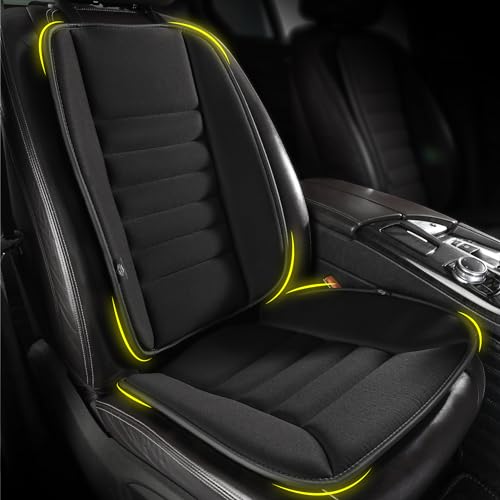
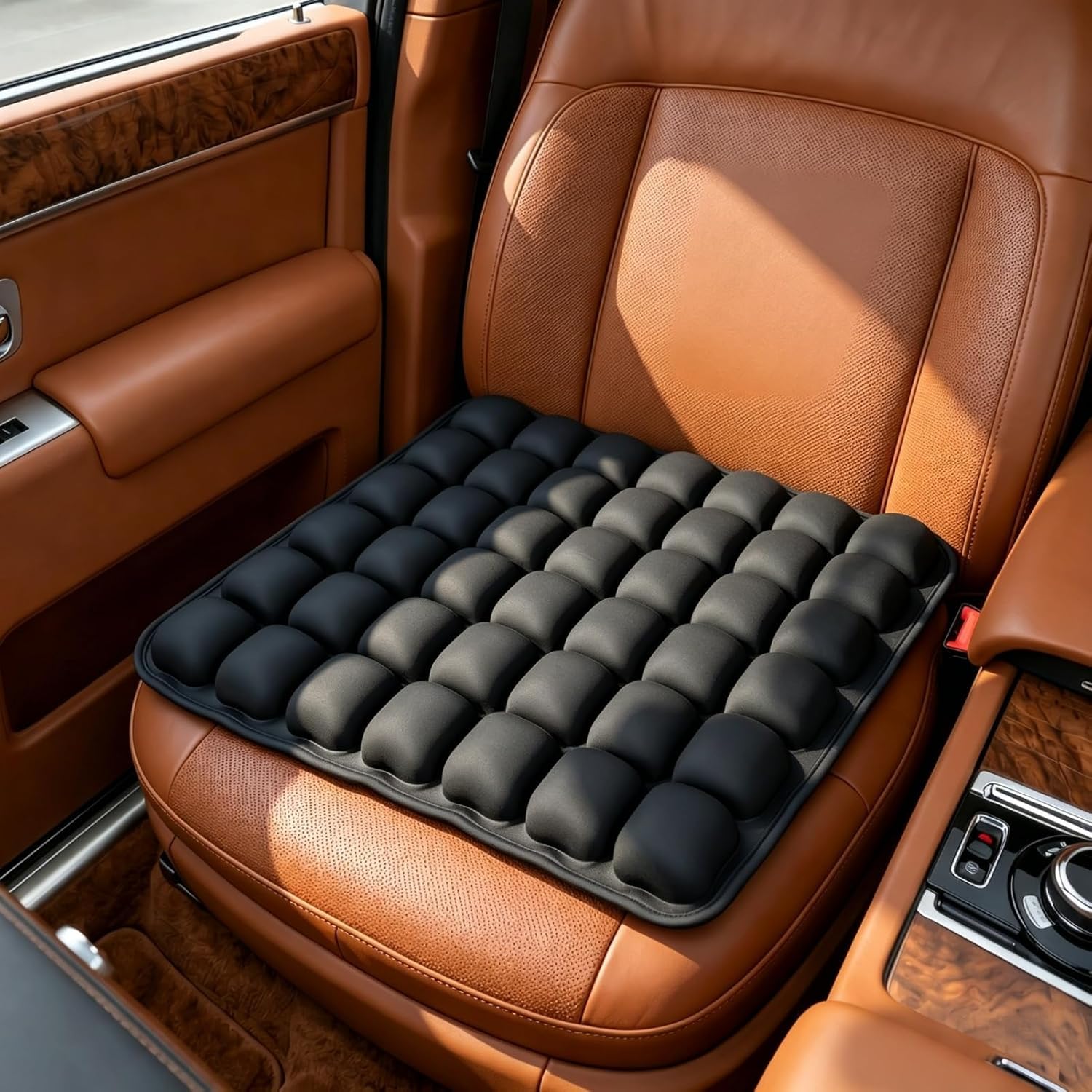
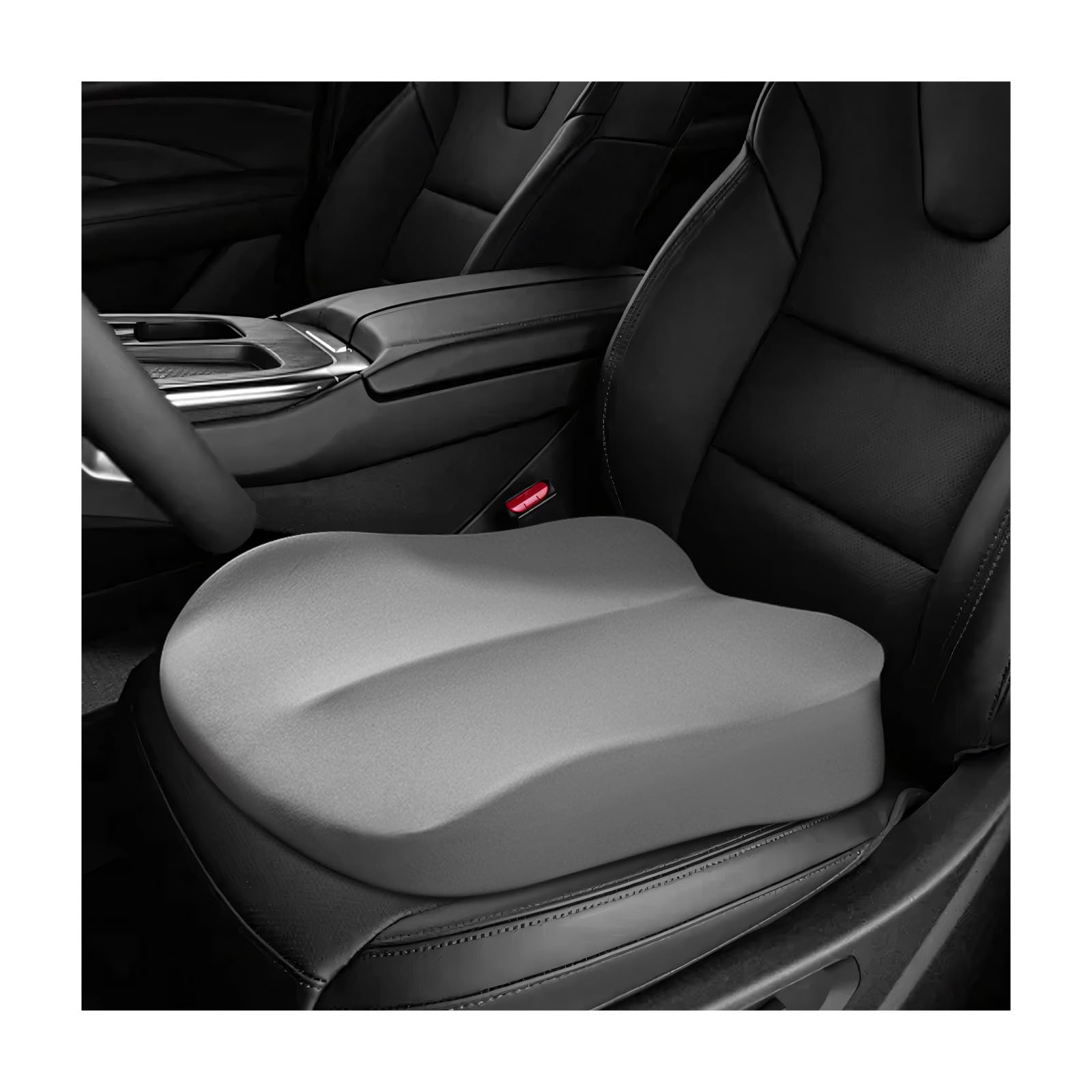
The product table gathers the current field in one place, so you can see the spread of thicknesses, fills and prices at a glance.





Before the Prices: A Comfort Purchase, Not a Treatment
A seat cushion is a comfort purchase. It can make a firm or tired car seat feel more even under you, soften the pressure points that build up on long drives, and lift a shorter driver into a better view of the road. What it cannot do is treat a back condition, correct posture, or replace medical care, and no cushion at any price should be sold to you on that promise.
So set the expectation before you spend anything. If back pain persists or keeps getting worse, if pain travels down a leg, or if you notice numbness or weakness, that is a conversation for a doctor or another qualified clinician, not a shopping problem. The same goes for pain that follows an accident. A clinician can tell you whether a cushion even belongs in your plan, and getting that answer first protects both your health and your wallet.
With that framing in place, price becomes a simpler question. You are paying for foam that holds its shape longer, covers that survive washing and summer heat, and a shape that fits your seat without fighting the belt or the controls.
Start With the Car: Fit Checks That Come Before Price
The first checks happen in your own driveway, before any tier talk. Look at the shape of your seat base: a deeply bucketed sport seat swallows a flat cushion and folds its edges, while a flat bench in an older sedan accepts almost anything. Measure the width between the bolsters, because a cushion wider than that space will ride up on the sides and feel lumpy within a week.
Next, trace the seat belt path and think about what sits under and inside the seat. Many modern seats carry occupancy sensors in the base and airbags in the side bolsters. Check your car manual before fitting anything thick or strapped down: a cushion should never cover or block a seat sensor or a side airbag zone, and straps should never wrap around parts the manual tells you to leave clear. This is a five minute check that protects systems you rely on daily.
Finally, sit on a folded towel or a firm pillow of roughly the thickness you are considering and check the driving position. Note your eye line over the hood, your reach to the pedals, and the distance to the steering wheel. That quick rehearsal tells you more about the right thickness class than any product description, and the general guidance in our guide to the best seat cushions applies here too: fit to the seat first, then shop the fill.
What Your Money Gets You at Each Price Tier
The tiers below describe what the money typically buys in materials and construction, not a promise about how any single cushion will feel to you. Use the product table above as the live price reference, because street prices move and the bands are approximate by design. For a closely related comparison, see our best car seat cushions guide for long drives.
Budget Tier: Simple Foam, Honest Limits
Budget cushions, roughly about $15 to $30, are usually a single slab of plain foam or a thin gel grid in a basic cover. They do one job well: they take the hard edge off a worn or overly firm seat for short and medium drives. For a delivery car, a spare vehicle, or a first trial, that can be enough.
The trade offs are lifespan and heat. Plain foam in this band softens fastest, especially through a hot summer, and the covers tend to be thin with straps that stretch out. Expect to judge a budget cushion as a one to two year purchase rather than a long term fix.
Midrange Tier: Better Foam and Real Covers
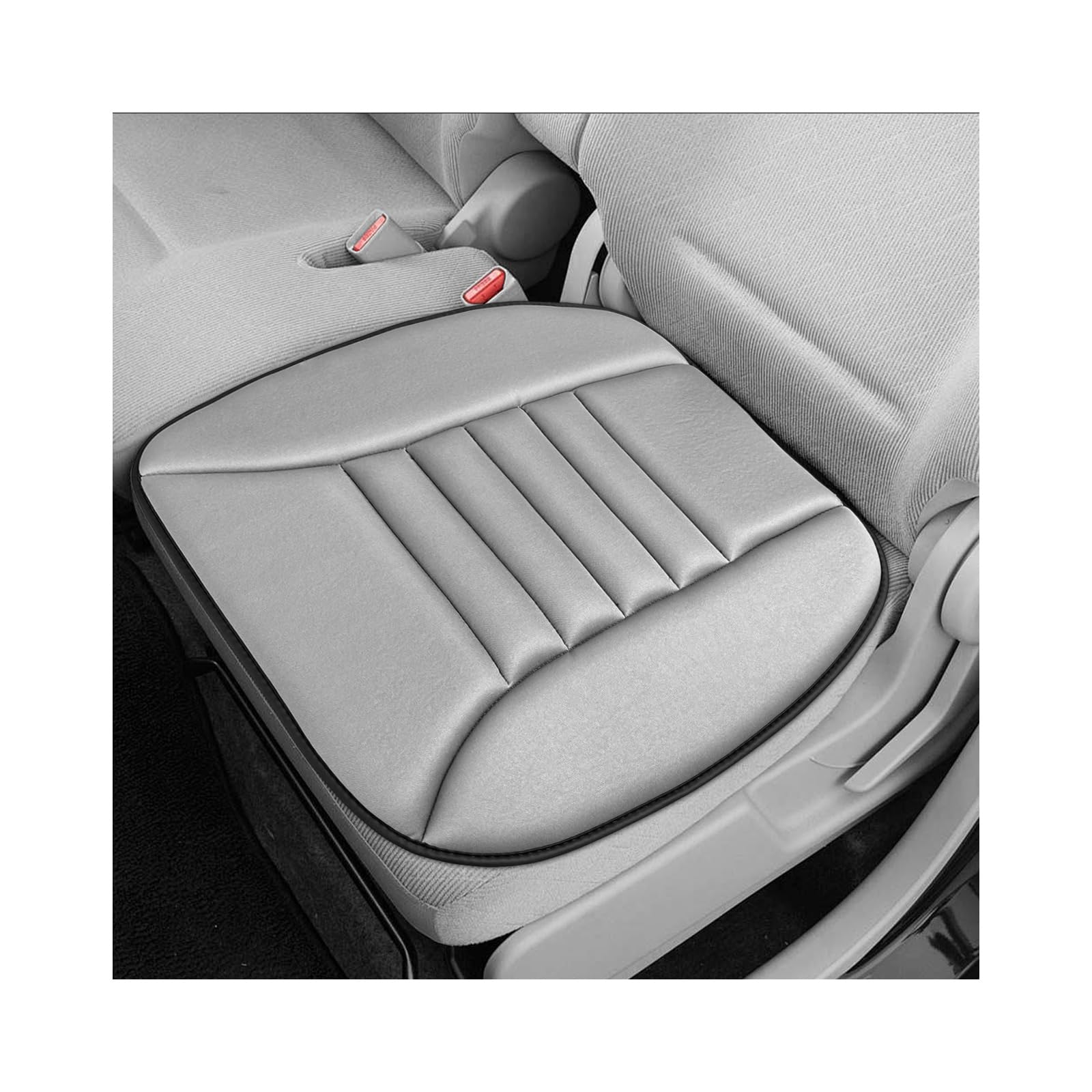
The midrange, roughly about $30 to $60, is where most drivers get the best value. This band buys denser foam that resists flattening, shaped pads with a leg cutout or a tailbone relief zone, and covers you can remove and wash. The underside usually gains a grip texture that keeps the pad planted when you get in and out.
You also start to see honest variety in this tier: firmer pads for drivers who dislike sinking, softer topped pads for long highway days, and wedge shapes that add a slight forward tilt. If your commute runs past half an hour each way, this tier turns extra money into extra months of consistent feel most clearly.
Premium Tier: Layered Builds and Longer Warranties
Premium cushions, roughly about $60 to $110 and up, layer materials: a firm base for support, a softer top for surface comfort, sometimes a cooling gel layer or a ventilation channel pattern. Covers get sturdier zippers, better stitching, and fabrics that handle repeated washing without pilling. Warranties lengthen as well, which matters because foam fatigue is the main way these products die.
What premium money does not buy is a different category of result. A costly cushion still will not fix a seat that is the wrong shape for you, and it still obeys the same fit checks around belts and sensors. Spend at this level for durability, shaping and cover quality, not for miracles.
Features Worth Paying For (and Ones to Skip)
Foam and Fill: What Actually Changes With Use
Foam is the heart of the purchase, so judge it by how it behaves over months, not minutes. Memory foam moulds to your shape and spreads pressure evenly, which suits long steady drives. Firmer high resilience foam keeps a more level sitting surface and suits drivers who shift position often or climb in and out all day. Gel grids and gel layers trade some of that moulded feel for airflow and a cooler first impression.
Be honest with yourself about foam ageing: every foam softens with heat and age, and a cushion parked in a summer car lives a hard life. Denser foam slows that decline, which is most of what the higher tiers are charging for. If a listing promises a pad that will never change, look at the warranty instead.
Thickness and Shape: Support You Can Feel
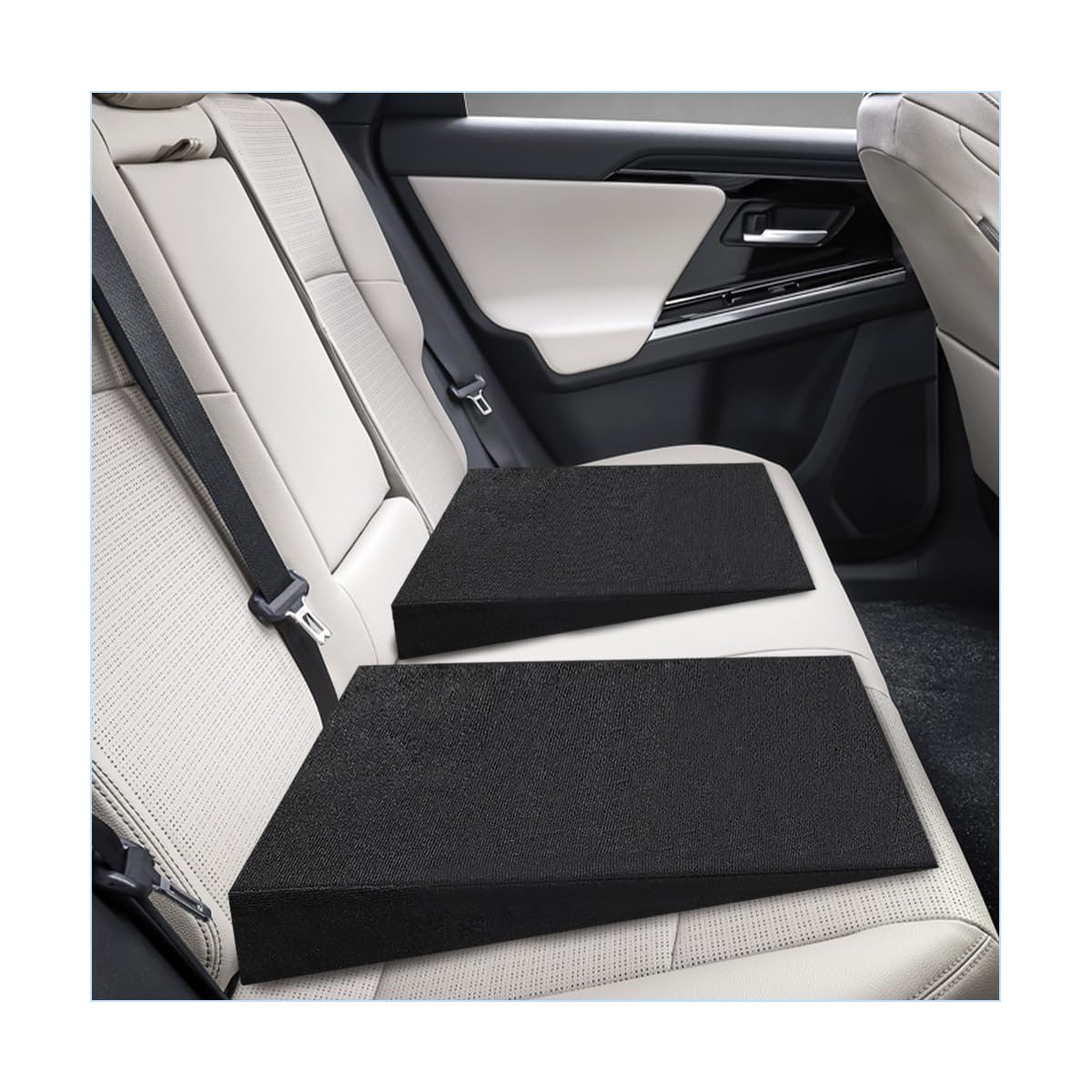
Most car cushions cluster between about 1.5 and 3 inches thick, and the right figure depends on your seat and your stature. Thin pads suit tall drivers in low cars, where headroom is already tight, and medium pads suit most sedans and crossovers. Wedge shapes, thicker at the back than the front, help drivers who feel they sit in a hole, and pads with a rear cutout reduce direct pressure on the tailbone for people who find that spot sensitive.
Shape matters as much as thickness. A pad that is too wide for the bolsters will curl, a pad that is too narrow will swim, and a square pad in a sculpted seat will bridge across the dip and feel like a board. Match the footprint to the flat part of your seat base, and let the product table above remind you how much the shapes vary across the price bands.
Covers, Grip, and Staying in Place
A cushion that slides every time you brake is a cushion you will stop using. Look for a textured or rubberised underside, and for straps that reach anchor points without crossing belt hardware or sensor zones. Removable covers earn their keep the first time coffee meets the commute; a cover that survives machine washing keeps the whole cushion fresher for years.
Cover fabric also decides summer comfort. Smooth fabrics feel cool at first touch but can feel clammy later, while textured weaves breathe a little better and grip clothing less. None of this is glamorous, yet these details decide whether the cushion is still in your car next year.
Portability: One Cushion, Several Seats
Some drivers want one cushion that moves: car during the week, a second family car on weekends, the bleachers on Saturday. A lighter pad with a carry handle serves that life better than a heavy layered build. Frequent movers should favour simple shapes that sit flat on many seat styles.
Keep the classes straight when you shop across seats. Drivers who split time between a car and a saddle solve a related problem with best motorcycle seat cushions, a different product class built for a narrow seat. If your cushion also travels to games and picnics, the portable end of the market overlaps with best travel seat cushions, which trade thickness for packability.
Heated and Powered Extras: Read the Fine Print
Powered cushions add heat, and a few add fans or massage motors. Heat is genuinely pleasant on a cold morning start, but it turns the cushion into an electrical accessory: it needs a power outlet, it draws on the car system, and its wiring and controller become new failure points. Check that the plug suits your car and that the cord will not cross the belt path or your feet.
Massage motors are the extra most buyers can skip. The vibration is mild, the noise is noticeable on quiet roads, and the feature does nothing for the basic job of spreading pressure. Spend that money on better foam instead, unless the powered feature is the whole reason you are shopping.
Best Auto Seat Cushions for Specific Needs
Best Auto Seat Cushions for Height: Where Your Money Goes
Shorter drivers buy a cushion to gain eye line, and the money here goes to firm, honest thickness that does not collapse by noon. A soft pad that compresses to half its height gives back the very view you paid for. Choose a dense pad in the 2 to 3 inch range, or a firm wedge, and favour midrange construction, because cheap foam loses height fastest of all.
Redo the driving position checks with the cushion fitted. Added height changes pedal reach, mirror aim and belt fit, so adjust the seat, mirrors and steering wheel after installing the pad, and confirm the belt still sits low across your hips rather than riding up. Also confirm your head still clears the roof lining, especially in low cars and sunroof models.
Best Heated Auto Seat Cushions
Shoppers comparing heated auto seat cushions should judge three things: how evenly the heat spreads, how the unit is powered, and what the pad feels like with the heat off. Even heat across the base matters more than a high maximum setting, because hot spots annoy within minutes. Most heated pads run from the car power outlet, so check outlet position and cord length against your cabin layout.
Also remember that a heated pad insulates you from a factory heated seat if your car has one, since the pad sits between you and the seat element. Drivers with built in seat heat usually do better with a plain unpowered cushion and the car system doing the warming. Whatever the listing claims, a heated cushion is a comfort accessory, not a therapy device.
Best Auto Seat Cushions for Bad Back
For shoppers asking about cushions around a bad back, the honest answer starts with the framing from the top of this guide: a cushion can change how a seat feels, and that is all it can do. Shoppers with a sensitive back usually do best with a firm, even pad that keeps the pelvis level and does not let one side sink, or with a shaped pad whose rear cutout removes direct pressure from the tailbone area.
What to avoid is just as clear. Very soft, deep pads let your hips roll and can make a long drive feel worse, and extreme wedge angles change your relationship to the pedals and wheel. If driving pain is a regular part of your life, get a clinician view on the cause before spending at the premium tier, and treat any listing that promises relief as a reason to walk away from that listing.
Best 5 Inch Auto Seat Cushions
Five inch auto seat cushions form a niche class: pads far thicker than the mainstream, bought mostly to gain serious height in low cars or to level a sagged seat. At that thickness the trade offs dominate. Headroom shrinks fast, your thighs sit closer to the steering wheel, and the pad can feel perched rather than planted unless the seat base is wide and flat.
If you go this route, density matters even more than at normal thicknesses, because a soft 5 inch pad compresses unevenly and tilts. Measure your current headroom first, sit on a stack of towels of equal height to rehearse the position, and be ready to adjust seat height downward if your car allows it. For most drivers, a firm 3 inch pad plus the car's own height adjustment reaches the same eye line with fewer compromises.
Long Term Costs to Factor In
The purchase price is only the first line of the real cost. Foam has a working life: a daily driver cushion in a hot climate may feel tired in about one to two years at the budget end and about three to four years at the premium end, so divide the price by the years of service when you compare tiers. A midrange pad replaced once can cost less over five years than two budget pads.
Add the small costs too, since a spare cover makes laundry day painless. Powered models may need a replacement controller or cord eventually, and their draw is worth knowing about if your car battery is old. Households with two cars often end up buying a second cushion rather than moving one daily, which is worth deciding early, since buying two midrange pads in one go can beat one premium pad shared badly. Note that cushions made for other seats are separate classes again: best stadium seat cushions and best outdoor seat cushions are built for hard benches and weather, not for belt paths and bolstered car seats, so budget for the car class on its own merits.
Auto Seat Cushions: Questions Answered
Does an auto seat cushion block a heated car seat?
Yes, partly: any cushion insulates you from the heating element built into the car seat, so the warmth arrives slower and feels weaker through a thick pad. Thin pads pass more heat than thick layered ones. If factory seat heat is a feature you love, choose a slim unpowered cushion, or accept a longer wait for warmth on cold mornings. This is why heated aftermarket pads exist as their own class: they replace the blocked heat rather than adding to it, at the cost of a cord and an outlet.
How often should an auto seat cushion be replaced?
Replace a cushion when the foam no longer recovers its shape overnight or when you can feel the seat structure through the pad. For most daily drivers that point arrives somewhere between about two and four years, sooner in hot climates where the car interior bakes daily. A simple check helps: press your thumb deep into the centre and watch the rebound. Slow, shallow recovery means the foam is done, even if the cover still looks new, and washing the cover cannot revive tired foam.
Will a firm auto seat cushion soften with use?
Yes, nearly all foam softens somewhat during the first weeks of use, then settles into a slower decline. That early change is normal and is why a pad that feels slightly too firm in the shop often feels right a month later. The mistake is buying a pad that already feels soft on day one and expecting it to stay that way; it will only get softer. If you sit between two firmness impressions, choose the firmer one and let the break in period close the gap.
Can one auto seat cushion serve two different cars?
It can, provided both seats have similar width and bolster shape. Problems appear when one car has deep sport bolsters and the other a flat bench: a pad shaped for one will curl or swim in the other. Straps also wear faster with daily moving, and each swap means redoing your position checks. Many two car households find that a midrange pad in the main car and a budget pad in the second car costs about the same as one premium pad, with far less daily friction.
Is a thicker auto seat cushion always better for comfort?
No: thickness helps only until it starts costing you headroom, pedal reach and a natural belt fit. Past that point, extra height makes the driving position worse even if the pad itself feels plush. Comfort comes from the match between pad shape, foam density and your seat, not from inches alone. A well shaped 2 inch pad in the right car beats a generic 4 inch pad in almost every case, so judge thickness by a towel rehearsal rather than by the biggest number on the listing.
Final Thoughts
Sort the purchase in this order: fit the car first, then your body, then the price tier. The checks are simple once you know them: measure the seat, respect the belt path and the sensor zones named in your manual, rehearse the thickness before buying, and redo your pedal reach, mirror aim and belt fit once the cushion is in. Foam density is where money honestly goes, covers and grip decide daily satisfaction, and powered extras are optional seasoning rather than the meal.
When you are ready to choose, the best auto seat cushions for you are the ones that pass those checks at a tier your budget can repeat when the foam eventually tires. Compare your shortlist against the product table above, keep the clinician framing in mind if pain is part of your driving life, and let fit, not marketing, have the last word.