Best Car Seat Cushions: A Comfort Buying Guide for Long Drives
Disclosure: We may earn a commission when you buy through links on this page, at no extra cost to you. As an Amazon Associate we earn from qualifying purchases. Learn more
<p>If you spend a lot of time driving, car seat cushions are an extremely worthwhile investment.</p> <p>I also spent hours researching and testing popular car seat cushions and assessing their comfort, value, and support for the body.</p> <p>Here is the shopping experience about the best car seat cushions that I want to send to readers.</p> <p>Related Post: <a href="https://wikihome.net/best-car-seat-protectors/" target="_blank" title="best car seat protectors">The Best Car Seat Protectors</a></p>
If your lower back starts aching before you even hit the highway, or you find yourself perched on a folded towel just to see over the dashboard, a simple accessory can fix both problems. This guide is about seat cushions you place on your car's own seat to improve posture, ease tailbone pressure, and raise your seating height on long drives. It has nothing to do with vibrating massage pads or child safety seats. If you are shopping for the best car seat cushions for daily commuting, rideshare driving, or road trips, this guide walks you through the differences that actually matter: cushion type, tailbone versus general back support, height boost, thickness, and how well a cushion fits your specific seat. By the end, you'll know exactly which combination of features fits your driving habits.



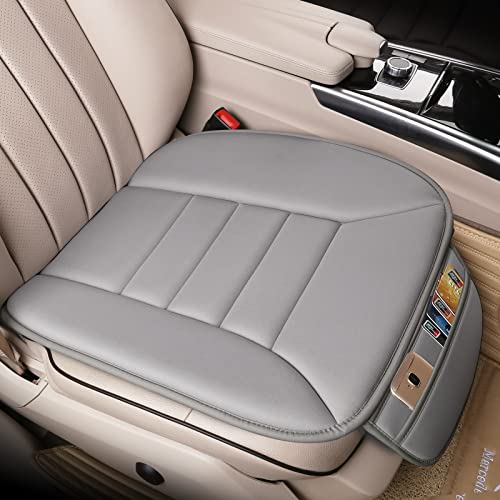
Memory Foam, Gel, or Wedge: What's Actually Different
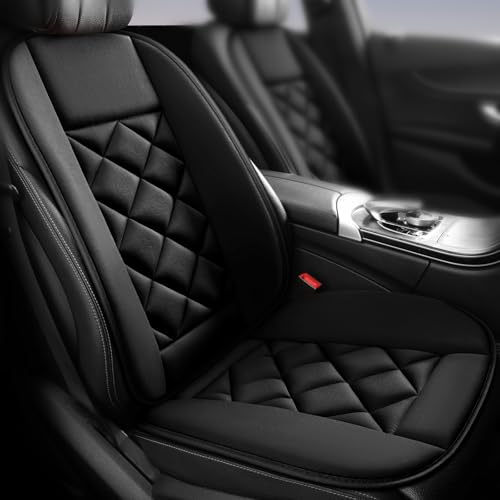
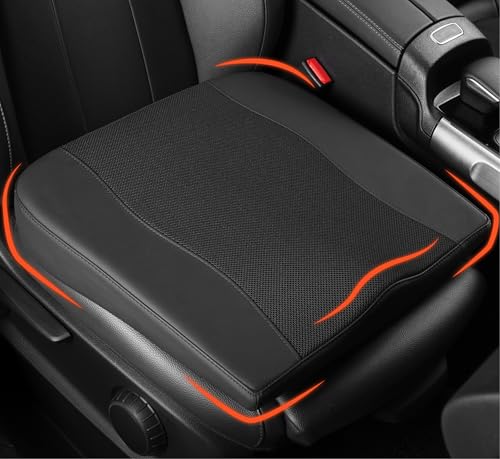
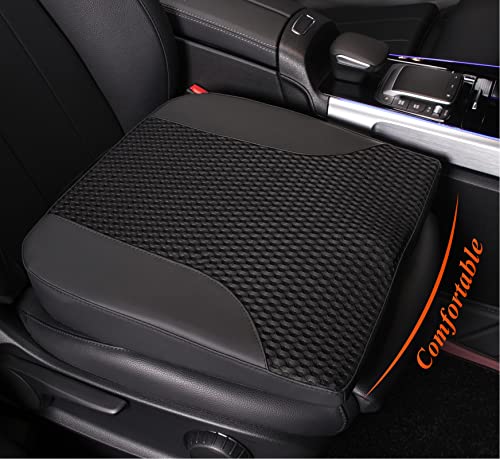
Walk into any cushion listing and you'll see the same three constructions repeated in different combinations. Understanding what each one actually does helps you skip the marketing language and focus on function. In general, the best car seat cushions combine a supportive core material with a top layer that keeps you cool over a multi-hour drive.
Memory Foam and Gel-Infused Foam
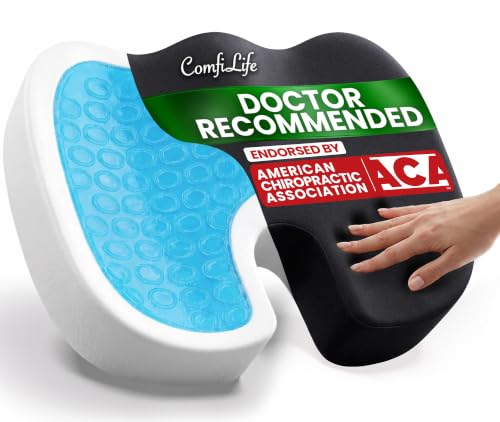
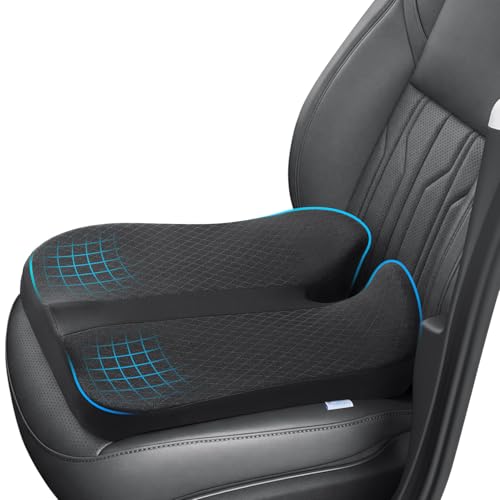
Memory foam is the most common core material because it slowly conforms to your body weight and distributes pressure across a wider surface instead of concentrating it under your hips and tailbone. The tradeoff is heat retention, which is why many cushions add a gel layer or gel-infused foam on top. The gel spreads out body heat so the seat doesn't feel warm after an hour of sitting, which matters more in warmer climates or during summer road trips. If you already own a memory foam car seat cushion alternative at home, like a supportive mattress topper, the conforming feel will be familiar; our memory foam mattress guide covers the same material science in more depth if you want the full picture.
Wedge-Shaped Cushions
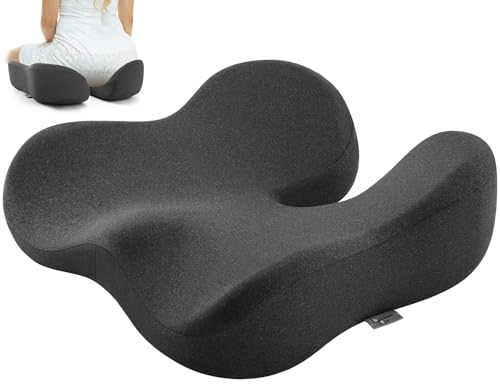
Instead of a flat top, a wedge cushion is thicker at the back and tapers toward the front. That slope tilts your pelvis slightly forward, which encourages a more upright spine and can reduce the slouch that builds up over a long drive. Wedge cushions tend to work well for people who want a posture fix more than a pure cushioning fix, though the angle takes a short adjustment period if you're used to a flat seat.
If Tailbone or Lower Back Pain Is the Problem
Not every driver needs the same kind of support. Tailbone pain and general lower back fatigue come from different causes, and the cushion designed for one doesn't always solve the other. Among the best car seat cushions for pain relief, the shape of the cushion matters just as much as the material it's made from.
Cutout (Coccyx) Cushions vs Solid Cushions
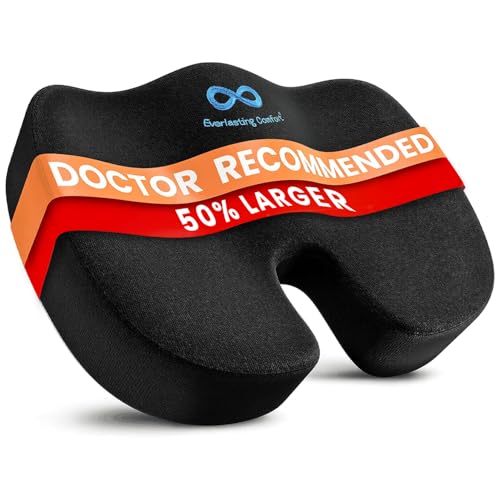
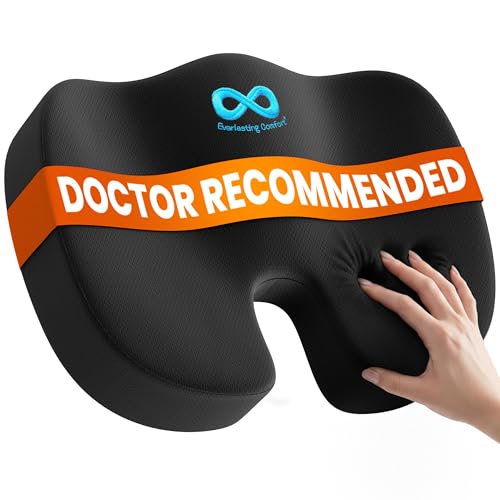
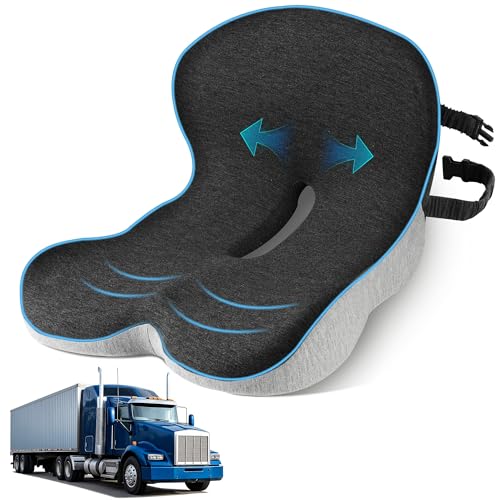
A coccyx cushion for driving has a U-shaped or horseshoe-shaped cutout at the back edge that keeps direct pressure off the tailbone entirely, letting it float above the seat surface rather than pressing into foam. This design specifically targets tailbone pain, sciatica, or discomfort from a previous injury. A solid, uncut cushion spreads pressure evenly instead of removing it from one spot, which is usually enough for general fatigue but won't offer the same relief if tailbone pain is the actual complaint. Picking the wrong style is one of the more common mistakes: someone with tailbone-specific pain buys a solid cushion expecting relief and ends up just as uncomfortable as before.
Do You Also Need a Lumbar Pillow?
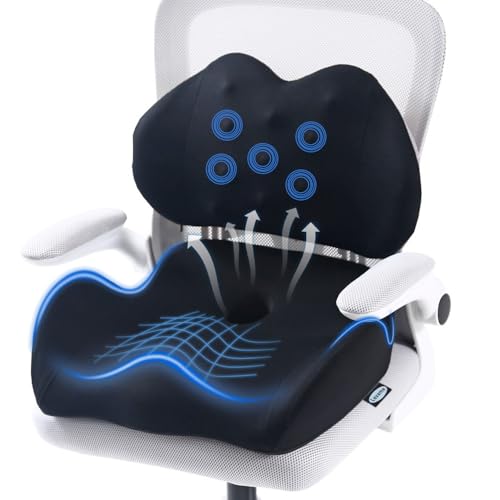
A seat cushion supports what's underneath you, not the curve of your lower spine, so if your discomfort is higher up in your lower back rather than at the tailbone, a separate lumbar pillow that straps to the seatback may help more than the cushion alone. The same principle shows up in office seating, where a reclining office chair built for long desk sessions typically pairs a seat cushion with dedicated lower-back support rather than relying on one piece to do both jobs. Combining a thin lumbar pillow with a seat cushion is common among drivers who spend several hours behind the wheel daily.
If You Need More Height Behind the Wheel
For shorter drivers, the bigger issue often isn't pain at all, it's visibility. Sitting too low means straining to see over the wheel, sitting closer to the pedals than is comfortable, and losing a clear line of sight to mirrors and traffic signals. A cushion with enough loft can raise your eye line by a couple of inches, which noticeably improves your view of the road without requiring any changes to the seat itself.
The catch is balance, and this is exactly where the best car seat cushions for shorter drivers earn their reputation: enough loft to help, not so much that it creates a new problem. Too much height and you risk brushing the roof in a low-clearance vehicle, or sitting closer to the steering wheel and airbag than is safe. A cushion in the two to three inch range typically raises visibility meaningfully while still leaving room to keep the seat at a safe distance from the wheel. If you drive a smaller car or a coupe with limited headroom, check the loft height before buying rather than assuming a taller cushion is automatically better.
Thickness, Density, and Whether It Will Hold Up
Thickness and density get confused often, but they solve different problems. Thickness is how much material is between you and the seat. Density is how well that material resists flattening under repeated use.
A cushion in the two to three inch range is the sweet spot for most vehicles, thick enough to matter without pushing your seating position too high. Density matters just as much, especially if you're driving daily rather than occasionally. Lower-density foam can start to compress and lose its supportive feel within the first month of regular use, which is the complaint behind most negative reviews on cheaper cushions. If you drive for a living, whether that's rideshare, delivery, or long-haul trucking, prioritize a denser foam core even if it costs a bit more, since you'll be sitting on it for hours at a stretch rather than an occasional weekend trip. For daily drivers, the best car seat cushions are the ones built to hold their shape after months of use, not just the ones that feel best in the first week.
Making Sure It Fits Your Seat
A cushion that performs well on paper is only useful if it actually stays put and works with the seat you already have. This is where the best car seat cushions separate themselves from cheaper alternatives, since a few compatibility details are easy to overlook until they become a daily annoyance.
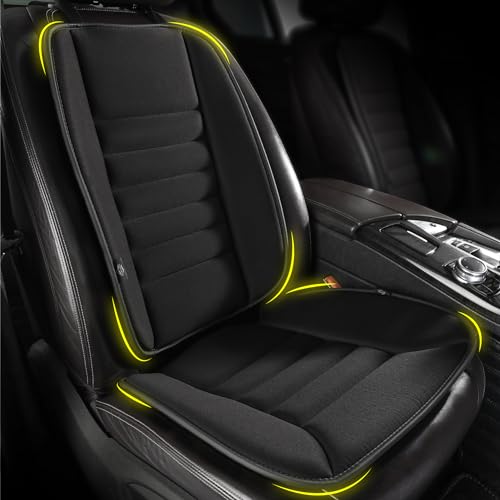
Check the base first. A non-slip rubber or silicone backing keeps the cushion from sliding forward under braking or side to side through turns, which becomes especially noticeable on smooth leather or vinyl seats. If your car has heated seats, look specifically for a cushion described as heated-seat compatible, since dense foam can trap heat against the seat surface and, over time, cause uneven warm spots that aren't good for either the cushion or the upholstery. A removable, washable cover is worth the small extra cost too, since a cushion used daily will pick up dust, spills, and general wear faster than one used occasionally.
Frequently Asked Questions
What is the best type of seat cushion for driving comfort?
There isn't one universal answer, it depends on the problem you're solving. Among the best car seat cushions, memory foam or gel cushions suit general comfort and heat control, wedge cushions suit posture, and coccyx cutout cushions suit tailbone-specific pain.
Do car seat cushions actually help with back pain while driving?
Yes, for most drivers. The best car seat cushions redistribute pressure and improve posture, which reduces the fatigue that builds up on long drives. They won't resolve a serious medical back condition, but they noticeably ease everyday discomfort.
How thick should a car seat cushion be for driving?
Two to three inches works for most vehicles and driving styles. Thinner cushions may not provide enough support, while much thicker cushions can push your seating position too high for comfortable headroom and steering wheel distance.
Will a seat cushion make me sit too high in my car?
It can if you choose one with more loft than your vehicle's headroom allows. Measure the space between your head and the roof with your current seating position before buying a cushion with more than a couple of inches of lift.
What is the difference between a coccyx cushion and a regular seat cushion?
A coccyx cushion has a cutout at the back that keeps pressure off the tailbone specifically, while a regular solid cushion spreads pressure evenly across the whole seat area without targeting any one point.
Can I use a seat cushion on leather or heated car seats?
Yes, but check the base material so it won't slide on smooth leather, and look for a cushion labeled compatible with heated seats if your car has them, since some foam types can trap heat unevenly.
How do you keep a car seat cushion from sliding around?
Look for a cushion with a non-slip rubber or silicone bottom layer. Some models also include a strap that loops around the seatback for extra security during hard braking or turns.
Finding the Right Fit for Your Drive
The best car seat cushions depend less on brand reputation and more on matching the design to your actual problem, whether that's tailbone pain, general fatigue, or simply needing a better view of the road. Start by identifying which issue affects you most, then narrow your choice by cushion type, thickness, and how well it fits your seat. Get that match right and long drives stop being something you dread.