Best Auto Drying Towels for 2026: A Buyer Checklist
Disclosure: We may earn a commission when you buy through links on this page, at no extra cost to you. As an Amazon Associate I earn from qualifying purchases. Learn more
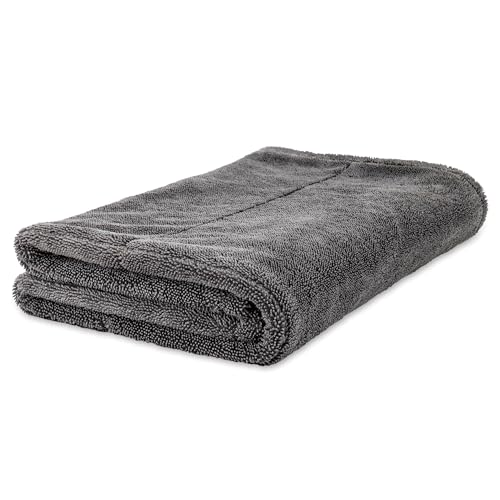
Car owners who want a fast, streak free dry: compare the best auto drying towels by material, absorbency, size, and care.
Choosing best auto drying towels is simpler when you judge them by a clear checklist instead of by color or packaging. A good car drying towel soaks up a lot of water, glides over paint without dragging grit, and stays soft after many washes. The product table gives you a quick view of the picks before you read the details, and the comparison table further down covers the main towel types.
This guide walks through material, absorbency, size, and care, then shows what each spending level usually delivers. Use it to match a towel to your car, your climate, and how often you wash. A towel that suits a small sedan in a dry climate may not suit a large truck washed every weekend.


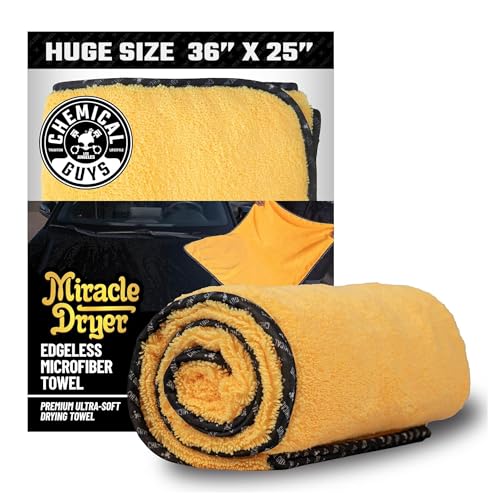


Key Features to Compare
Use the factors below as a checklist when you compare towels. Each one changes how fast you dry, how safe the towel is for paint, and how long it lasts.
Material and Construction
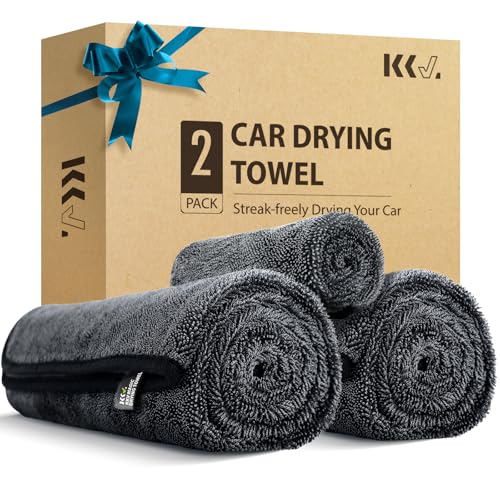
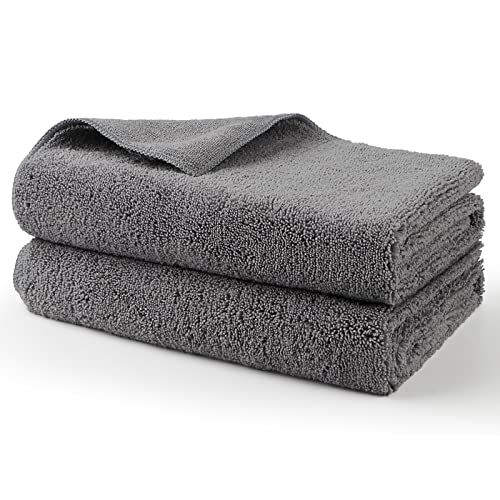
Most car drying towels are microfiber, cotton, or a blend, and each behaves differently on paint. Microfiber towels use very fine split fibers that lift water and trap light dust, which makes them a popular choice for drying without streaks. Cotton towels, including Turkish cotton, feel plush and absorb well, but a loose weave can leave lint behind on dark paint. Check the edge stitching too, because a rough or raised edge can drag across the surface.
A smooth rolled edge and an even weave are signs of a towel built for paintwork rather than for general household use.
Durability and Care
A drying towel should survive many wash cycles without going stiff, shedding, or losing absorbency. Look at the maker care guidance for washing temperature and drying, and follow it closely, since heat and fabric softener are the usual causes of a towel that stops working well. Wash new towels before first use to remove loose fibers, and wash drying towels apart from greasy shop rags. If a towel starts to feel rough, shed heavily, or smell even after washing, retire it to wheel or door jamb duty rather than paintwork.
Absorbency and Drying Performance
Absorbency is the core job of a car drying towel, and it depends on fiber type, pile height, and towel weight. A thicker, heavier towel usually holds more water per pass, which matters on large vehicles where a thin towel fills up halfway through the job. GSM, or grams per square meter, gives a rough guide to weight, with higher GSM towels often feeling plusher and holding more water. Weight alone does not tell the whole story, though, because a well made medium weight towel can outperform a heavy towel with a poor weave.
Judge performance by how few passes it takes to leave a panel dry and streak free.
Comfort and Feel
Feel matters because you will hold, fold, and drag this towel across every panel of your car. A soft, flexible towel conforms to curves around mirrors, handles, and body lines, while a stiff towel tends to skip over contours and leave water behind. Weight also affects comfort, since a very large, waterlogged towel gets heavy by the end of a wash. Many buyers prefer a towel they can fold into quarters, which gives eight clean faces to work with and keeps a fresh surface against the paint.
Try to picture the towel in your hand for a full wash, not just for one panel.
Certifications and Safety
Certifications such as OEKO TEX indicate that a textile was screened for harmful substances, which is useful if you are sensitive to finishes or dyes. For car use, the more practical safety question is whether the towel is gentle on clear coat, and that comes down to fiber softness, clean edges, and keeping grit out of the towel. Always rinse loose dirt off the car before drying, and never use a towel that fell on the ground for paintwork. A dropped towel should go straight into the wash pile, because one grain of sand can leave marks that are hard to remove.
Size and Fit
Size should match your vehicle and your drying style. A large towel covers a roof or hood in fewer passes, which saves time on trucks and SUVs, but it can feel bulky on a small car. A medium towel is easier to fold and wring, and two medium towels often beat one oversized towel when you want a dry towel for the final pass. Also think about storage, since a towel that stays damp in a closed trunk will smell quickly.
Choose a size you can wash, dry fully, and store without hassle, and keep a spare towel ready for the final wipe.
| Type | Best For | Pros | Cons | Typical Price |
|---|---|---|---|---|
| Microfiber drying towel | Most cars and dark paint | High absorbency, low lint | Needs careful washing | About $10 to $30 |
| Cotton drying towel | Buyers who prefer natural fiber | Soft feel, good absorbency | Can leave lint | About $10 to $25 |
| Large waffle weave towel | Large vehicles | Covers panels fast | Heavy when wet | About $15 to $40 |
Spending Levels That Fit Different Budgets
You do not need to spend the most to get a good drying towel, but each price level tends to offer different material quality, size, and durability. Compare the towel itself, not the claims on the package.
Lower Cost Towels
Lower cost towels suit buyers who wash a car now and then and want a simple, replaceable option. At this level you will usually find thinner microfiber towels in smaller sizes, which work well on a sedan but may need wringing partway through a larger vehicle. Check the edges and wash the towel before first use, and keep expectations realistic about lifespan. If you wash weekly, a lower cost towel may wear out faster, so buying two and rotating them can be smarter than buying one.
Mid Range Towels
Mid range towels are a good fit for most regular washers, offering thicker pile, larger sizes, and better stitching than the cheapest options. This level often gives the best balance of absorbency, softness, and durability for the money, especially if you wash every week or two. Look for a towel weight and size that matches your vehicle, and check that the edges are smooth and the weave feels even. For many buyers, this is the level where drying gets noticeably faster and streaks become less common.
Higher Cost Towels
Higher cost towels tend to use denser microfiber or premium cotton, with careful edge finishing and larger dimensions for big vehicles. They suit buyers who wash often, own dark paint, or want a towel that stays soft through many wash cycles. Spending more only pays off if the towel matches your car and your care routine, though, because even a premium towel fails if it is washed with softener or used while gritty. If you rarely wash, the extra cost may not be worth it.
Quick Buyer Checklist
Run through these questions before you order:
- Does the towel size match your vehicle, or will you need two towels for a full dry?
- Is the material microfiber, cotton, or a blend, and does it suit dark or light paint?
- Are the edges smooth and rolled, with no rough stitching that could drag on paint?
- Does the weight and pile suit your washing frequency and climate?
- Can you follow the maker washing guidance, including skipping fabric softener?
- Do you have a clean, dry place to store the towel between washes?
- Is the price reasonable for how often you wash and how long you expect it to last?
Red Flags to Watch For
Watch for these warning signs when you compare towels:
- Vague material claims with no fiber type, weight, or weave detail.
- No care guidance, or guidance that conflicts with standard microfiber care.
- Rough, raised, or unfinished edges that could mark paint.
- Very short warranty or no maker information at all.
- Claims that promise a scratch free result no matter how the towel is used.
For related drying options, see our guide to the best drying towels and our guide to the best auto microfiber towels, which cover towel types in more detail.
Care and Maintenance Tips
Good care keeps a drying towel soft and absorbent for a long time. Wash new towels before first use, skip fabric softener on towels, and wash them apart from greasy rags. Dry towels fully before storing them, and store them in a clean, dry place so they do not pick up dust or grit. Inspect the towel before each wash, and retire any towel that feels rough, sheds heavily, or has picked up embedded grit.
Following the maker guidance is the simplest way to protect both the towel and your paint.
Frequently Asked Questions
How do I keep auto drying towels fresh longer?
Wash auto drying towels promptly after use and dry them fully before storage to keep them fresh longer. Damp towels left in a closed trunk or bucket quickly develop a musty smell, and that smell can linger through later washes. Skip fabric softener, since it coats fibers and reduces absorbency over time. Wash towels apart from greasy shop rags, and use a gentle cycle with warm water.
How often should I replace auto drying towels?
Replace auto drying towels when they lose softness, shed heavily, or stop absorbing well, rather than on a fixed schedule. A towel washed weekly and cared for properly can last a long time, while a towel washed with softener or stored damp may fail much sooner. Check the edges and pile before each wash, and feel for roughness or embedded grit that washing does not remove. Keep a spare towel ready so you are never tempted to dry paint with a worn towel.
Are luxury auto drying towels worth it?
Luxury auto drying towels are worth it mainly for frequent washers and owners of dark paint, where softness and absorbency matter most. Premium towels often use denser fiber and better edge finishing, which can mean fewer passes and fewer streaks on a large vehicle. For an occasional washer with a light colored car, a mid range towel usually dries just as well for less money. The extra cost pays off only when the towel matches your car, your washing frequency, and your care routine.
What GSM is best for auto drying towels?
A GSM in the medium to high range usually works well for auto drying towels, but weight alone does not guarantee performance. Higher GSM towels feel plusher and often hold more water, which helps on large vehicles, yet a well made medium weight towel can dry faster than a heavy towel with a poor weave. Match GSM to your vehicle size and washing style, and judge the towel by how few passes it needs to leave a panel dry. If you are unsure, a medium weight towel in a size that suits your car is a safe starting point.
Can one auto drying towel dry a whole car?
One auto drying towel can dry a whole small car, but larger vehicles usually need two towels for a streak free finish. A single towel fills with water partway through a truck or SUV, and a saturated towel starts pushing water around instead of absorbing it. Using a second dry towel for the final pass gives a cleaner result on glass, mirrors, and lower panels. Keep the second towel clean and dry until you need it, and fold towels into quarters so you always have a fresh face against the paint.
Wrapping Up
The right towel comes down to material, size, absorbency, and care, not to the loudest claim on the package. A smooth edged microfiber or cotton towel in a size that fits your vehicle, washed without softener and stored dry, will dry faster and protect paint better than a poor towel at any price. Check the product table once more, run through the buyer checklist, and choose the spending level that matches how often you wash. With best auto drying towels chosen this way, your next wash should end with dry, streak free panels and a towel ready for the next one.