Best Auto Microfiber Towels in 2026: Which One Fits the Way You Use It?
Disclosure: We may earn a commission when you buy through links on this page, at no extra cost to you. As an Amazon Associate I earn from qualifying purchases. Learn more

Match the best auto microfiber towels to each job on your car: drying, glass, interiors, and wheels, with GSM classes, kit sizes, and care rules.
There is no single towel that does every job on a car well. The plush cloth that lifts wax residue will smear a windshield, and the thin cloth that leaves glass clear cannot dry a door. The best auto microfiber towels for you are a small matched set, with each towel fitted to one task. This guide sorts the fit three ways: by the job, by the cloth, and by the kit you keep in the bucket.
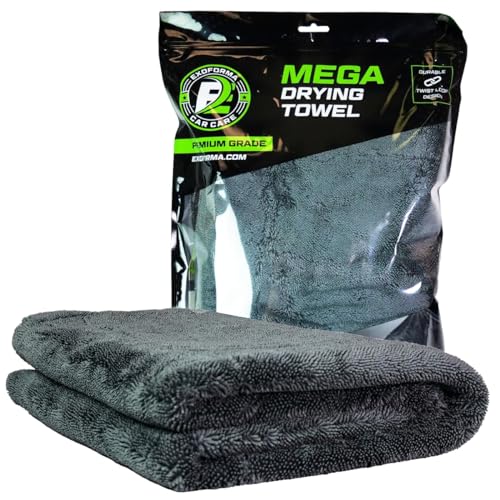
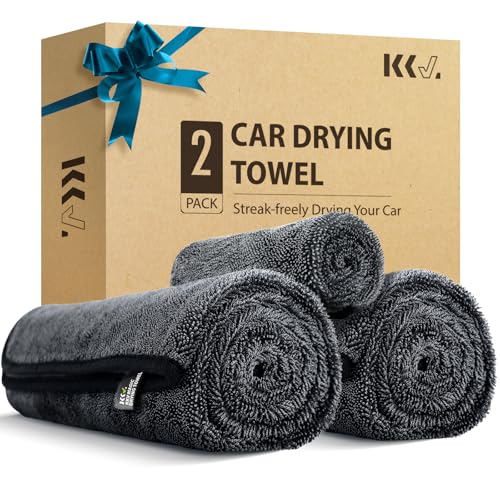
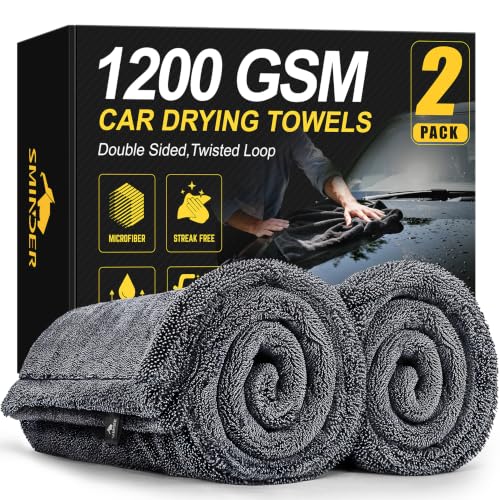
Microfiber towels are a consumable, bought in packs and retired as they roughen, so the system matters more than any single cloth. The same fibre family serves kitchens and bathrooms, covered in our guide to the best microfiber towels for cleaning, but car towels should stay a separate set. One pass over a wheel loads a towel with grit that paint should never meet. The product table lists towel sets you can compare against the job, cloth, and kit advice in this guide.




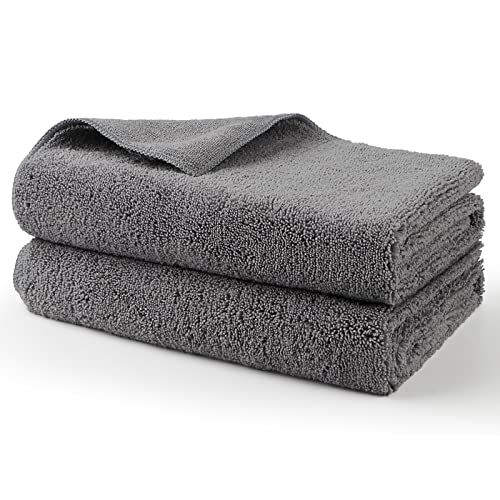

Fit by the Job: Four Tasks, Four Towels
Sort the towels before the wash starts, not during it. When every cloth in the bucket has one assigned task, you reach without thinking and no towel wanders onto the wrong surface. The four jobs below cover a full wash, a tidy interior, and the grime zones in between.
Drying the Bodywork After a Wash
Drying is the heaviest job, so it gets the biggest towel. Look for a large towel in the heavy weight class, about 500 to 700 GSM, in either a plush weave or a waffle weave that holds water in its pockets. One large towel should dry a midsize car without wringing if you lay it flat and pull it slowly across each panel. Drivers who finish with a spray sealant after drying can see our guide to the best microfiber towels for auto detailing for the buffing side of the job.
Glass and Mirrors Without a Streak
Glass wants the opposite of the drying towel: a light cloth in the 200 to 300 GSM class with a tight weave that leaves no lint behind. Work with two towels, the first slightly damp to lift the film, the second dry to clear what remains. A plush towel fails here because its long fibres drag moisture across the glass instead of lifting it. Keep the glass pair in its own bag so it never picks up dressing or wax from the other towels.
Dashboards, Leather, and Touch Screens
Interior surfaces need a soft, short pile towel that will not drag dust across a screen or leave fibres on a dashboard. A mid weight cloth around 300 to 400 GSM is the comfortable middle here, plush enough to trap dust, flat enough to control. Give the interior its own towel so oily dressings never migrate to the glass pair. Wring it nearly dry for screens and leather, because a dripping towel leaves spots on both.
Wheels, Sills, and Door Jambs
The dirtiest jobs get the oldest towels. Wheels carry brake dust and road grit that no amount of washing fully removes, so the wheel towel is the last stop before the bin. Choose dark colors for this set, because brake dust stains are permanent and light towels will look ruined long before they are. This is also where retired paint towels go to finish their working life, which stretches the value of every pack you buy.
Fit by the Cloth: Weight, Weave, and Edge
GSM Classes and What Each One Suits
GSM means grams per square metre, and it sorts towels more honestly than words like plush or premium. The light class, about 200 to 300 GSM, suits glass and light dusting, and the middle class, about 300 to 400 GSM, is the general purpose range for interiors and quick work. Towels at about 400 to 550 GSM buff polish and dry smaller panels well, while the heavy class above that is built for drying whole cars. Treat these as class ranges, not promises about any one product.
Weave Decides How Water and Residue Move
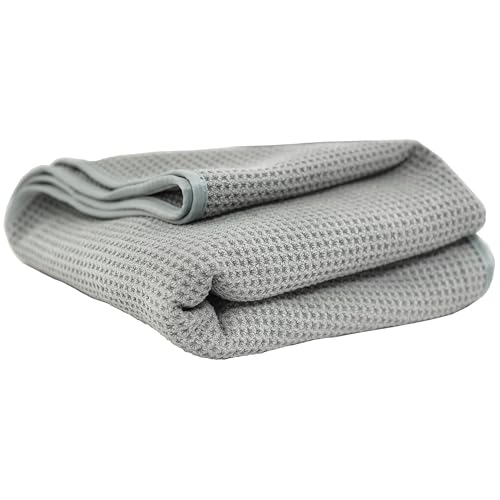
A waffle weave presses small pockets into the surface, and those pockets hold water, which is why the pattern suits drying and glass. A plush weave stands its fibres tall, giving dust and dried polish somewhere to go instead of being pushed across the paint. A flat, tight weave slides cleanly and leaves glass clear. Match the weave to the job first and the weight second, because a heavy towel in the wrong weave still does the wrong work.
Edges, Tags, and the Grit Rule
Edges touch paint on every pass, so they matter more than color or size. Sewn edges are durable, banded silk edges are softer, and edgeless towels remove the risk altogether at a higher price. Cut the paper tag off any new towel before it touches the car.
Shoppers who want stitching that survives years of washing can compare the best quality microfiber towels. Above all, remember that a towel carrying grit is what scratches paint, so the wash and the rinse matter as much as the towel itself.
Blend Ratios in Plain Terms
Most towels blend polyester with polyamide, and the ratio is usually printed as 80/20 or 70/30. The polyamide share does the absorbing and gives the cloth its soft feel, so a 70/30 towel usually drinks more and costs more than an 80/20 towel of the same weight. For glass and wheels the cheaper blend loses nothing that matters. Save the richer blend for the towels that touch paint and screens, where softness is the whole point.
Fit by the Kit: Pack Size, Rotation, and Retirement
How Many Towels a Working Kit Holds
Count a kit by wash day, not by the pack on the shelf. Two drying towels, two glass towels, two interior towels, and two or three wheel towels cover a full wash with a spare for the one you drop. Packs of six, twelve, and twenty four are the common sizes, and buying the pack that covers a wash day plus laundry lag beats owning a mountain of one type. Keen home detailers often keep a separate sealed bag of the best microfiber detailing towels for final passes.
Assigning Colors and Rotating the Set
Give each job its own color and the system runs itself: nobody dries paint with the wheel towel by mistake. Wash the full set after a wash day, then fold and store it dry, covered, and away from garage dust. Rotate the towels within each job so the same cloth does not take every hard pass. A towel that has been rotated and rested between washes keeps its softness noticeably longer than one used every single time.
What a Working Kit Costs
Basic bulk packs run about $8 to $15 and suit wheels, jambs, and learning the system. Middle packs with richer blends and better edges run about $15 to $30, enough to cover paint and glass roles properly. Premium towels sold one at a time at about $4 to $8 each make sense only for the drying and buffing roles, where softness protects the finish. Spend the money where the towel touches paint, and save it where the towel meets brake dust.
Knowing When a Towel Is Done
A towel is done when it feels rough against the back of your hand, sheds lint on glass, or pushes water around instead of drinking it. Frayed edges and a thin, worn centre are the visible signs. Demote before you discard: a tired drying towel still serves the interior, and a tired interior towel still serves the wheels. Only the wheel stage ends in the bin, when the cloth is stiff with brake dust that washing no longer lifts.
Common Mistakes That Ruin Towels and Paint
- Washing car towels in the same load as cotton laundry, which fills the fibres with lint and ends their streak free work on glass.
- Adding fabric softener to the wash, which coats the fibres until the towel slides over water instead of absorbing it.
- Drying towels on high heat, which melts the fine split fibres and leaves the cloth stiff and scratchy.
- Working one towel across the whole car from wheels to roof, carrying brake dust and grit onto the paint it meets last.
- Picking up a dropped towel and putting it straight back on the paint, grit and all.
Washing and Care That Keep the Fibres Working
Wash new towels once before the first use to clear loose fibres from the weave. After that, wash the car set separately from cotton and from household laundry, in warm water with a plain liquid detergent and nothing else in the drum that sheds lint. A detergent made for the cloth, such as the options in our guide to the best detergent for microfiber towels, keeps the fibres open and drinking.
Never add fabric softener, because it coats the fibres and kills absorbency in a single wash. Dry on low heat or on a line indoors, since high heat damages the fibres, and store the set dry and folded. One habit covers most of it: wash gently, add nothing fancy, and keep the heat down.
Best Auto Microfiber Towels: Questions Answered
What GSM is best for drying a car with a microfiber towel?
The heavy class, about 500 to 700 GSM, is the right range for drying a whole car. At that weight a large towel holds the water from a full wash without constant wringing. For vertical panels, two middle weight towels often beat one oversized towel, because a heavy cloth full of water is hard to control on a door and easy to drop. Match the weight to the panel, not to the price tag.
Can one microfiber towel handle every job on a car?
No, and the reason is contamination rather than size. A towel that has worked a wheel keeps brake dust deep in its pile, and ordinary washing never fully resets it. From then on, that grit rides along to whatever the towel touches next. Job separation is permanent once a towel has been demoted, which is why a small matched set outperforms one expensive towel used for everything.
Why have my microfiber towels stopped absorbing water?
The usual cause is fabric softener or dryer heat, which coats or melts the split fibres that do the drinking. Try one wash with plain detergent and no softener, then check the towel under the tap: water should soak in within a few seconds rather than bead and run off. If it still pushes water around, the coating or the damage is permanent, and the towel should move down to wheel duty.
How many washes does an auto microfiber towel survive?
There is no fixed count, because care decides more than the calendar does. A towel washed gently, kept away from softener, and dried on low heat can serve through dozens of wash days. Judge by feel instead: roughness, lint on glass, and slow drinking are the retirement signals. Interior towels usually outlast drying towels, and wheel towels live the shortest life of the set.
Should new microfiber towels be washed before the first use?
Yes, one gentle wash removes loose fibres and the finish left from making the cloth. Wash dark colors on their own for that first cycle, because fresh dye can bleed and stain lighter towels in the same load. Let the set dry fully, cut off any paper tags, and only then assign each towel its job and its color. Skipping this step is why new towels sometimes lint on glass.
Final Thoughts
Fit decides everything here: the job picks the towel, the cloth decides how it behaves, and the kit keeps grit away from paint. Set your kit against the product table, fill the gaps by job rather than by bargain packs, and retire towels down the line instead of throwing them out early. Chosen that way, the best auto microfiber towels are not the thickest or the priciest set, but the one where every cloth has a single job and does it well.