
Best Auto Detailing Microfiber Towels by Budget: Smart Picks for 2026
Disclosure: We may earn a commission when you buy through links on this page, at no extra cost to you. As an Amazon Associate I earn from qualifying purchases. Learn more
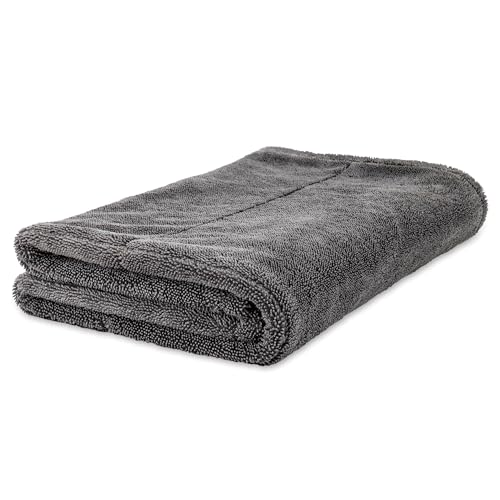
Compare best auto detailing microfiber towels by budget, GSM, weave and size, with care steps and a checklist to pick the right set for paint and glass.
Prices for detailing towels range from a few dollars for a thin multipack to much more for one large drying towel, and price alone tells you little. The best auto detailing microfiber towels match fiber, weave and size to the job, so paint, glass and interiors each get the right cloth. Use the comparison table below to compare sets with confidence.
This guide sorts the choice by budget and by task. You will learn which GSM suits drying, which weave suits glass, why edges matter near clear coat, and how many towels one wash day really uses. Buy depth in the towel type you use most first.
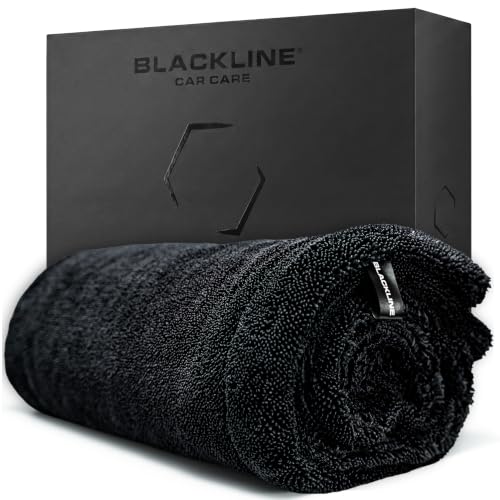

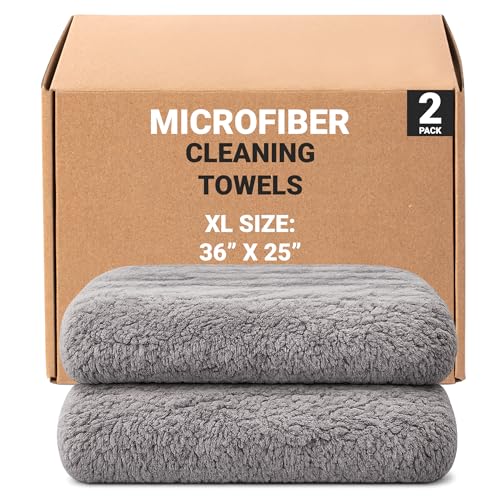

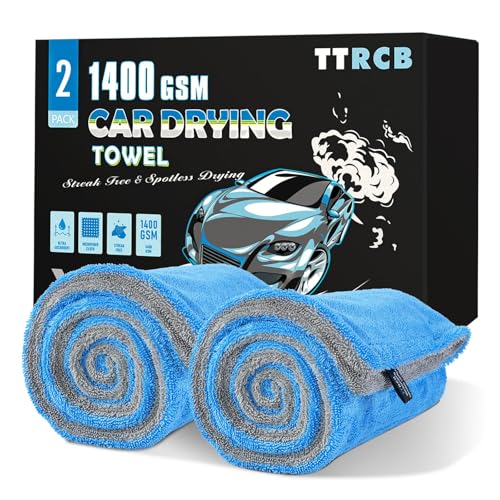
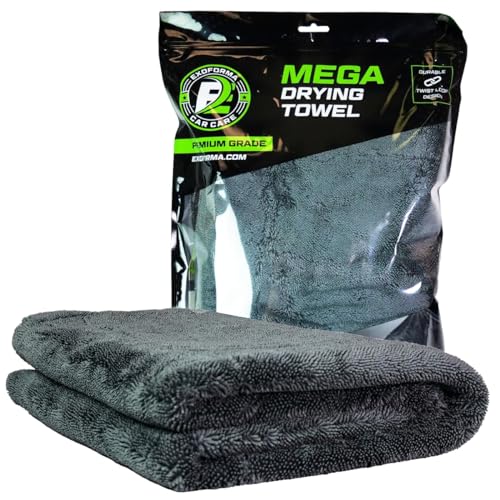


Who Should Buy Which Auto Detailing Microfiber Towels?
Pick by the cars you clean and how often you clean them. One car washed at home needs a different set than a busy weekend side business. For a broader look at cloth choices, see our guide to the best auto microfiber towels.
Weekend Washers Who Care for One Family Car
You wash every week or two and dry one sedan or SUV at a time. Buy one large drying towel, four to six general towels for washing and door jambs, and two glass towels. A mid priced set covers this work well. Keep one older towel aside for wheels, so brake dust never reaches paint.
Owners of Dark Paint and Delicate Clear Coat
Dark paint shows every swirl, so your towels must stay soft and clean above all else. Choose plush towels with no exposed stitching for the final wipe, and wash paint towels apart from all others. Spend more of your budget here, since one grit filled cloth can undo an afternoon of polishing.
Mobile Detailers and Frequent Washers
You clean several cars a week, so volume and wash life drive cost more than single towel price. Buy larger packs in at least three colors, one color per task, and track how many washes each set survives. Value packs suit interiors and wheels, while paint towels should stay a grade higher.
Key Features to Compare
Compare these factors in the same order each time. GSM, weave and size decide what a towel can do, while edges and blend decide how safe and durable it feels.
GSM and Pile Height for Each Detailing Task
GSM tells you how much fiber sits in a given area, and higher numbers feel plusher and hold more water. Towels around 300 to 400 GSM suit washing, interiors and general wiping, while drying and buffing towels often run about 500 to 900 GSM. Plush pile cushions paint on a final wipe, but it can leave lint on glass.
Weave Types for Drying, Buffing and Glass
A twisted loop or plush weave pulls large amounts of water off panels in one pass, which suits drying. A waffle weave traps water in pockets, while its flatter face glides on glass with less lint. A short tight weave levels coatings with more bite, and a flat cloth suits screens and trim. For glass notes, see our guide to the best microfiber detailing towels.
Towel Size and How Many Towels You Need
Small towels around 16 by 16 inches fold into quarters, giving eight clean faces for washing and interior work. Large drying towels around 25 by 36 inches cover a hood or roof in fewer passes and cut the time paint stays wet. Plan on two drying towels for a large SUV. Buy count by task, not by pack size.
Edges, Tags and Scratch Risk on Paint
Edges decide how a towel treats clear coat where you grip and turn it. Edgeless towels remove that border entirely and suit final wipes on soft paint. Silk covered or rolled edges add strength for washing towels that see more pressure. Cut off any stiff tag, and keep any towel with a sharp edge away from paint.
Fiber Blend and Split Construction
Most detailing towels blend polyester for strength with polyamide for softness and water uptake. A blend of 80 percent polyester and 20 percent polyamide suits general work, while a richer polyamide share feels softer for buffing and costs more. Split fibers matter most, since splitting opens each fiber to grab dust and hold water.
Color Coding and Separation by Task
Color coding protects paint at no extra cost. Assign one color to paint, one to glass, one to interiors and one to wheels, and never promote a wheel towel to paint duty later. Grit stays trapped in the rough duty set, while your paint set stays clean. Write the code on the storage bin.
Detailing Towel Prices From Value Packs to Plush Paint Care
When you shop for best auto detailing microfiber towels by price alone, the cheapest pack can look like the smart buy. Price makes more sense once you tie it to GSM, edges and wash life, as our guide to the best auto detailing towels shows for the wider market. The tiers below describe types, not named products, so you can judge any brand against them.
Value Packs That Cover Washing and Interiors
Value packs often cost under $20 for a bundle and use towels around 300 to 380 GSM with stitched edges. They suit washing, door jambs, interiors and wheels, where pressure is higher and fibers wear faster. Keep thin pile off a final paint wipe, and let this tier fill most slots in a home kit.
Balanced Sets That Handle Drying and Buffing
Balanced sets often cost about $20 to $40 and raise pile, edge quality and size where it matters. A large drying towel here holds far more water than a stack of thin cloths, and plusher buffing towels feel safer on clear coat. Spend here first if you wash weekly and care about swirls.
Plush Premium Towels for Final Paint Care
Premium towels often cost about $40 to $80 for a smaller set, with high GSM, edgeless cuts and a softer blend. The gain is control and safety on delicate paint, plus pile that stays plush after many washes. The gain is not speed on glass, where plush pile can lint and drag.
Long term cost follows wash life more than pack price. A towel that stays absorbent for a year of weekly washes costs less per wash than a thin towel replaced every few months. Add a separate wheel set and a spare drying towel to your first budget.
Common Mistakes to Avoid
These errors cost little to prevent and much to undo.
- Using one towel for wheels and then paint carries brake dust onto clear coat and leaves fine scratches.
- Washing detailing towels with fabric softener coats the fibers and makes them push water instead of absorbing it.
- Drying microfiber on high heat melts the fine fibers and turns a plush towel rough and weak.
- Using a dropped towel again traps grit against the paint and can swirl the finish in one pass.
- Drying a whole car with only small towels leaves panels wet longer and raises the chance of water spots.
How to Wash and Store Auto Detailing Microfiber Towels
Wash paint, glass and wheel towels in separate loads with liquid detergent and warm water, and skip fabric softener and dryer sheets entirely. Sorting by task matches the approach in our guide to the best detailing towels, where separate sets keep grit away from paint. Shake towels out before each wash so loose grit leaves first.
Dry on low heat or hang towels to air dry, then fold and store them in a closed bin away from dust. Inspect pile and edges as you fold, and move any towel that feels rough to interior or wheel duty. A clean towel left open on a bench collects dust all week.
Frequently Asked Questions
How often should you replace auto detailing microfiber towels?
Replace auto detailing microfiber towels when they stop absorbing water in a quick pour test. Pour a small cup of water onto a folded towel on a flat tray. A healthy towel drinks it in at once, while a worn towel lets it bead or run off. Most home paint sets need renewal about once a year.
How do you keep auto detailing microfiber towels absorbent for longer?
Keep auto detailing microfiber towels absorbent for longer by clearing detergent buildup every few months. Add a cup of plain white vinegar to the rinse cycle when towels repel water, since residue can clog the split fibers. Skip scented boosters, which leave more film behind. Towels rinsed clear pick up water faster.
What GSM is best for auto detailing microfiber towels?
No single GSM is best for auto detailing microfiber towels, since each task rewards a different pile. Judge two towels of the same size by weight in your hand, since the heavier one usually carries more fiber. For leveling a ceramic coating, a towel near 300 GSM gives control that plush pile cannot.
Are premium auto detailing microfiber towels worth the extra cost?
Premium auto detailing microfiber towels are worth the extra cost for drying and final wipes on paint you care about. Try one premium drying towel beside your current set for a month first. If it cuts your drying passes and stays plush, upgrade the paint set only. Leave glass and interior sets at value tiers.
Can you use the same microfiber towel on car wheels and paint?
No, you should not use the same microfiber towel on car wheels and paint, even after washing it. Brake dust includes fine metal particles that can stay lodged in the pile after a normal wash cycle. Once a towel has cleaned wheels, keep it on wheels and interiors for the rest of its life.
The Bottom Line
Match towel to task first, budget second and pack size last. GSM and weave decide what a towel can do, while edges and cleanliness decide how safe it stays. Use the product table above to compare size, GSM and price across the tiers in this guide.
When you compare best auto detailing microfiber towels with those points in mind, a small and well sorted set beats a huge pile of thin cloths. Buy depth where your paint needs it, and keep value towels on dirty work.


