
Best Audiophile Speakers for Classical Music in 2026: Which Type Is Right for You?
Disclosure: We may earn a commission when you buy through links on this page, at no extra cost to you. As an Amazon Associate I earn from qualifying purchases. Learn more

Learn how to choose the best audiophile speakers for classical music, with guidance on dynamic range, tuning, speaker types and room placement.
Classical music is the hardest test you can give a speaker, because a single recording can move from a solo flute to a full orchestra and choir within a minute. Many speakers that flatter pop or rock blur that scale or turn harsh when the music swells. This guide compares the main speaker types honestly, explains the traits classical listening truly needs and helps you choose the best audiophile speakers for classical music for your room, then you can check formats and price ranges in the comparison table below.
You do not need the largest speakers. You need control, balance and headroom at the volumes you actually use.


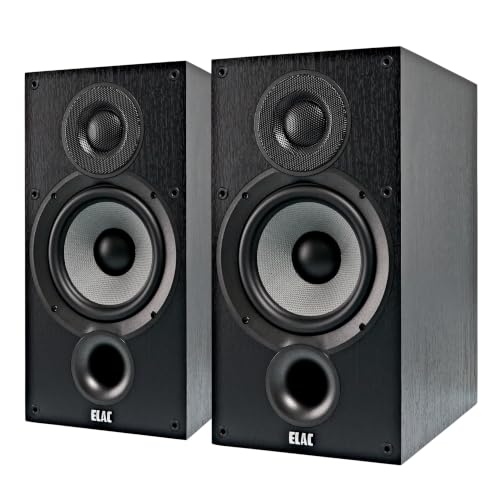
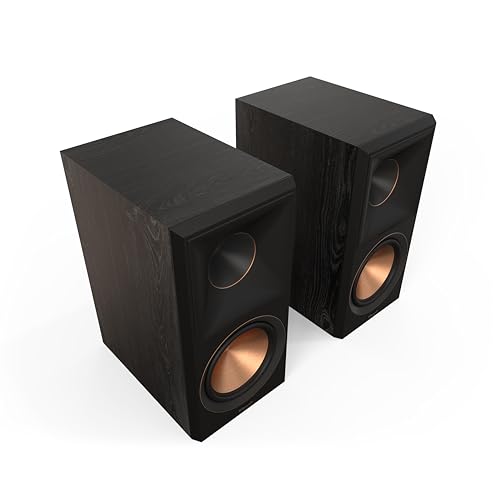


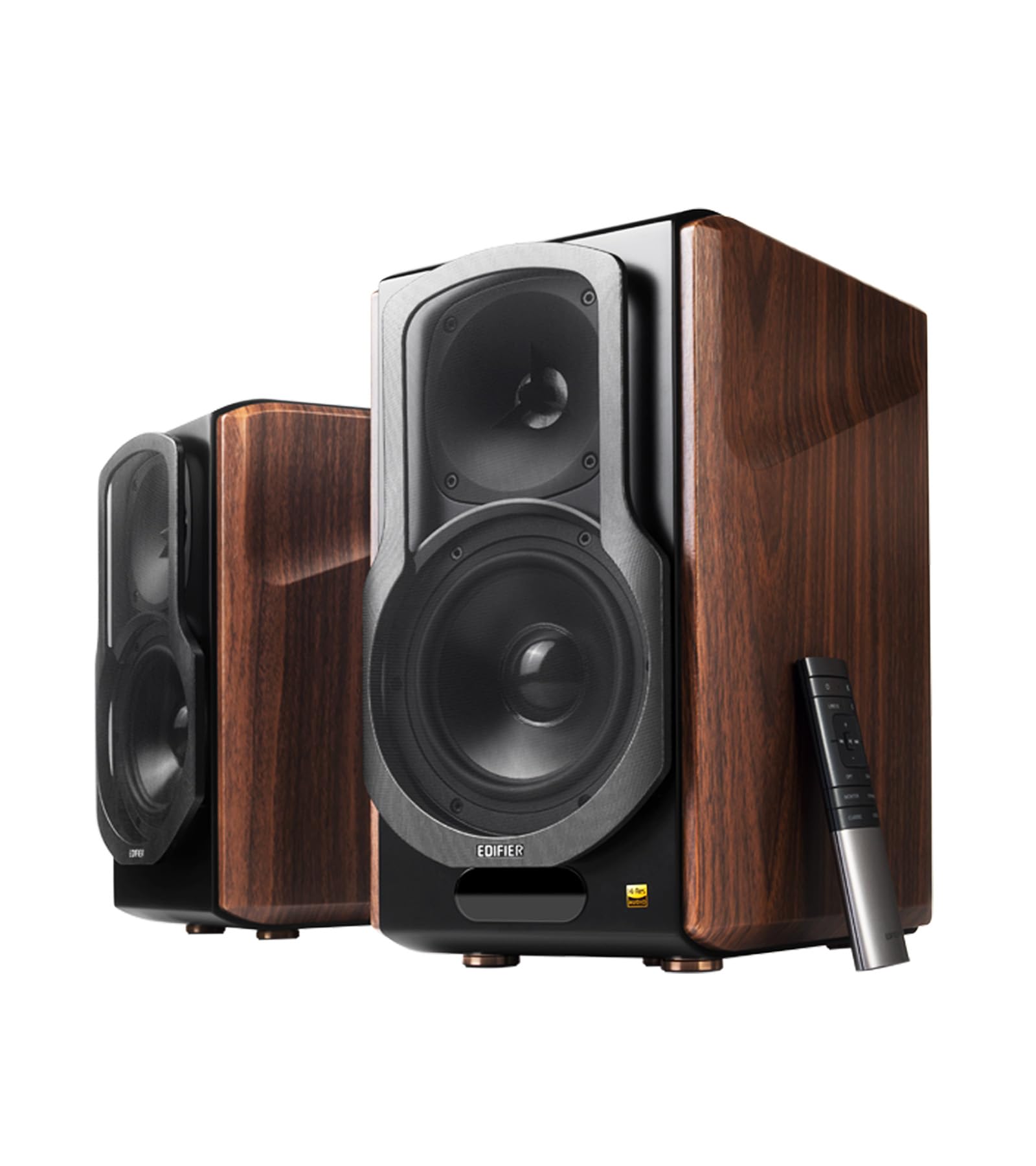
Types of Audiophile Speakers Compared
Each type below suits a different room and listening style. Read for fit rather than rank, because the best type for a small study is rarely the best type for a large living room.
Bookshelf Models
Bookshelf speakers are the most practical route into classical listening for most homes. Good models image precisely, so you can place violins, woodwind and voices across a believable stage, and their modest bass suits apartments and smaller rooms. They work on stands at ear height and pair well with a careful subwoofer if you want organ or orchestral weight later. Their limit is scale at high volume in big rooms. For focused options, see our guide to the best bookshelf speakers for classical music in detail.
Floor Standing Models
Floor standing speakers bring the physical scale that large orchestral works ask for. Taller cabinets and multiple drivers reproduce cellos, brass and timpani with more ease and less strain at realistic concert levels in medium and large rooms. They need space from walls and a room that can absorb their energy without echo. In a small room they can overwhelm the music and the listener. If your room is generous and symphonies dominate your listening, this type rewards you most, provided placement and budget both stretch to support it properly.
Powered and Wireless Models
Powered speakers with wireless streaming simplify a classical setup by combining amplification and source access in one cabinet pair. They suit listeners who stream from services that offer large classical catalogs and want minimal boxes. Sound quality can be excellent, with internal amplifiers matched to the drivers. The trade offs are reliance on apps and network stability, plus less freedom to upgrade parts separately. For streaming focused setups, our guide to the best wireless speakers for classical music covers the main approaches.
Vintage and Heritage Models
Vintage and heritage style speakers appeal to listeners who love a warmer presentation and classic cabinet craft. Older designs can flatter strings and voices beautifully, and many listeners enjoy their generous, relaxed sound with older recordings. The risks are age, worn drivers, tired crossover parts and limited service support, all of which can shift balance between a pair. Buy with inspection and return options. If this world attracts you, our guide to the best vintage speakers for classical music explains what to check before paying.
Bookshelf vs Floor Standing: Which Should You Choose?
Choose bookshelf models if your room is small to medium, you sit within about ten feet of the speakers and you value precise imaging over sheer scale. They cost less for the same build quality and leave budget for a better source or recordings. Choose floor standing models if your room is larger, you listen to large scale works at fuller volume and you can give the speakers space from walls. On cost, bookshelf pairs plus good stands often total less than comparable floor models. On upgrade path, bookshelf systems grow gracefully with a subwoofer, while floor systems grow through better amplification and room care.
How to Choose the Right Audiophile Speaker
Type is only the first decision. These factors decide whether a promising speaker actually sings with classical recordings in your room.
Source Quality for Classical Recordings
Classical recordings vary enormously, from intimate solo piano to vast choral works, and your source chain should preserve their quiet detail. A clean streamer, disc player or turntable setup with a good cartridge feeds the speakers information they cannot invent later. Streaming quality settings matter, so select the highest tier your service offers for serious listening. If you also play from a computer, a tidy wired connection avoids dropouts during long movements. Listeners building around network streaming may also value our guide to the best wifi speakers for classical music for multiroom ideas.
Features That Matter for Classical Music
Wide dynamic range is the headline need, meaning the speaker stays clean from the softest passage to the loudest climax without compression or strain. Low distortion matters more than headline power, because distortion smears the separation between orchestral sections. A stable stereo image lets you follow inner voices in a string quartet. Useful features include tone controls for room adjustment and, on powered models, input options for both streaming and a disc player. Skip flashy sound modes that reshape the music, because classical recordings already carry the balance the engineers intended.
Sound Quality and Tuning
Look for a neutral tuning with natural midrange, since violins, cellos and voices live there and any coloring becomes obvious within minutes. Treble should extend cleanly for hall ambience and cymbal shimmer without turning brittle on massed strings. Bass should be tight and articulate rather than large, so double bass lines stay musical instead of booming. Frequency response that stays even across the range helps quiet passages remain intelligible. Judge with a recording you know well, including one quiet movement and one full orchestra climax, before deciding.
Cabinet Build and Long Term Care
A rigid cabinet protects the fine detail classical music depends on, because vibration adds a blur you hear as muddiness in complex passages. Check cabinet weight, finish quality and driver mounting as rough guides to construction. Dust and sunlight slowly harm drivers and finishes, so position speakers away from direct sun and clean them with a dry cloth. Quality models hold their performance for many years, and serviceable designs with available spare parts protect a serious investment better than sealed fashion pieces.
Amplifier Matching and Power
Passive speakers need an amplifier that can deliver clean power during orchestral peaks without clipping, which can sound harsh and may harm tweeters. Sensitivity figures tell you how loud a speaker plays for a given power, and lower sensitivity designs need more amplifier strength. You do not need extreme watt numbers for home listening, but headroom matters on climaxes. Powered models remove this decision by matching amplification internally. Either way, reserve some budget for the driving side of the system, because underpowered speakers never show what they can do.
How to Make Your Audiophile Speaker Last Longer
Keep firmware updated on powered and network models so streaming services keep working as platforms change. Store manuals, spare cables and any port plugs together in a safe place to protect small parts and simplify future moves. Clean grilles and cabinets regularly with a soft dry cloth, and never touch exposed dome tweeters. Avoid sustained maximum volume, feed speakers a clean signal and keep them away from radiators and damp. Treated this way, a good pair will carry your record collection through many years of listening without drama. For a wider view of the category, see our guide to the best speakers for classical music across all budgets.
FAQs
What features matter most in audiophile speakers for classical music?
Dynamic range, low distortion and natural midrange matter most. Classical music swings from near silence to full orchestra, so a speaker must stay composed at both extremes while keeping strings and voices believable. A stable stereo image helps you follow separate lines in complex works. Prioritize those traits over deep bass or loudness claims, and test with both a quiet solo recording and a large choral climax before you decide.
Wired or wireless: which sounds better?
Wired systems usually offer the most consistent quality because the signal path is direct and free of streaming interruptions during long works. Wireless and network speakers can sound excellent and simplify access to huge classical catalogs. The deciding factor is your listening style. If you sit through whole symphonies, a wired chain removes variables. If you browse and stream casually in several rooms, wireless convenience may serve your music life better overall.
How much should I spend?
A good bookshelf pair in the mid priced range handles most classical recordings well. Spend extra on a clean amplifier and stands before you chase a bigger speaker.
Do I need a subwoofer?
Not usually. Floor standing models reach low enough for organ and timpani, and bookshelf pairs rarely need help unless your room is large and you play large scale works loud.
Do I need a special codec?
No, a special codec is not required, though higher quality streaming settings help classical detail survive the journey to your speakers. For critical listening, a wired connection from a streamer or disc player removes codec questions entirely. If you stream wirelessly, matching codec support between phone and speaker is a modest bonus. It ranks well below tuning, dynamic range and placement, so never let a codec logo decide a classical speaker purchase on its own.
Wrapping Up
Choose the type that fits your room, then judge dynamic range, midrange truth and amplifier support with recordings you know deeply. Bookshelf pairs serve most homes beautifully, while larger rooms and larger works reward floor standing scale. Set up carefully, listen at honest volumes and the best audiophile speakers for classical music for your life will open up your collection, so compare your shortlist in the product table above before you buy.


