
The Best Audiophile Home Speakers: Buying Guide and Top Picks for 2026
Disclosure: We may earn a commission when you buy through links on this page, at no extra cost to you. As an Amazon Associate I earn from qualifying purchases. Learn more

Learn how to choose the best audiophile home speakers with guidance on sound, drivers, placement, connections and budget for your listening room.
Choosing speakers for serious listening at home can feel confusing because spec sheets list numbers that do not tell you how music will actually sound in your room. This guide helps you focus on the decisions that matter most, from driver size and tuning to placement and connections. If you want best audiophile home speakers for your space and budget, start with how you listen, then use the comparison table below to check sizes, formats and price ranges side by side.
Audiophile listening is about clarity, balance and detail at normal home volumes, not just loudness. A good pair should reveal quiet passages, keep voices natural and hold together when an orchestra or a dense rock mix gets busy.

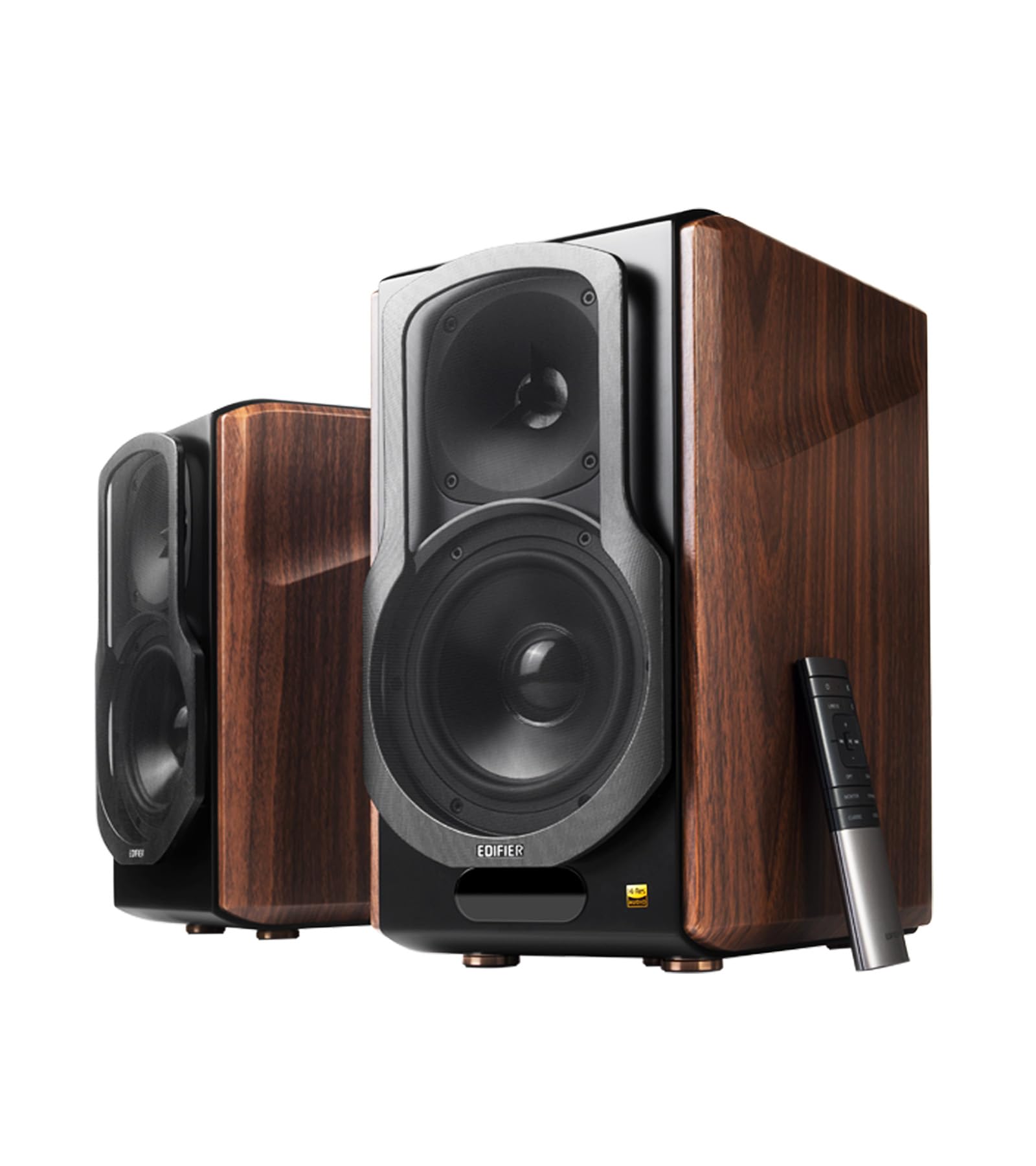


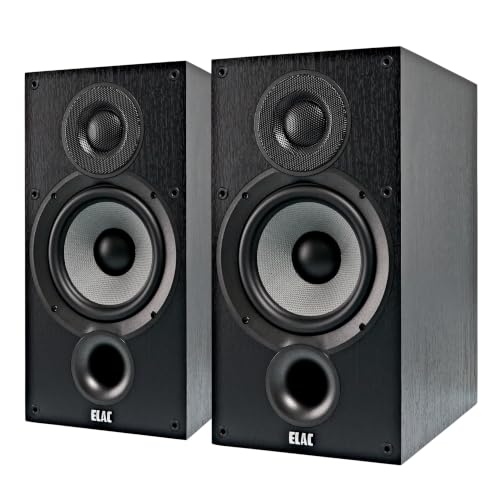
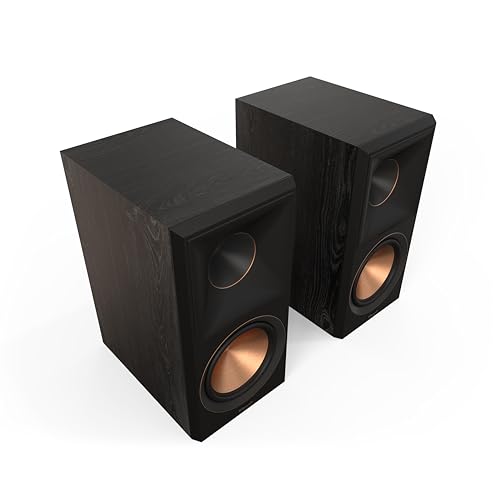

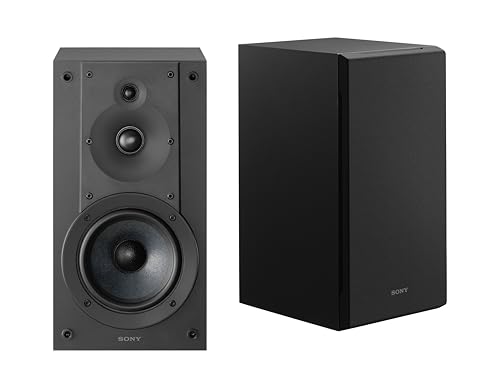

What Good Looks Like at a Glance
Instead of chasing a single winner, think in three broad approaches. Each approach below describes what to prioritise, who it suits and what trade off to expect, so you can match the product table above to your own room and habits.
Best Overall Approach
The balanced approach suits most listeners who play a wide mix of music in a living room or study. Look for even frequency response, clear midrange for voices and strings, and enough bass extension to cover acoustic bass without a subwoofer in a small to medium room. Cabinets should feel solid and free of rattles, with binding posts or secure connectors and simple controls. The main limit is cost, because balanced performance across the whole range usually sits in the middle price tier or above.
Best Value Approach
The value approach focuses on sound per dollar rather than extra features. Prioritise a well tuned two way design, honest sensitivity figures and a finish that fits your room, and skip paying extra for streaming extras you already own through a separate streamer or television. Compact bookshelf formats often give the strongest value because you are not paying for large cabinets or floor standing hardware. The trade off is less deep bass and fewer connection options, which matters less if you listen mostly at moderate volumes.
Best Upgrade Approach
The upgrade approach is for listeners with a treated or dedicated room who hear the limits of their current setup. Look for wider frequency range, lower distortion at higher volumes, stronger cabinet construction and flexible inputs for a quality source or amplifier. Three way designs can separate bass, midrange and treble work more cleanly in larger rooms. The limit is that room problems become the bottleneck, so budget for placement, stands and simple room treatment alongside the speakers themselves for the upgrade to pay off.
How to Choose the Best Audiophile Home Speakers: Buying Guide
This section is the core of the decision. Work through each factor in order, note what your room and sources require, and you will narrow the field quickly without relying on hype or headline watt numbers.
Sound Quality and Tuning
Sound quality starts with balance. Frequency response tells you the range a speaker can reproduce, but the shape matters more than the endpoints. A neutral tuning keeps voices and acoustic instruments natural, while a bass heavy tuning can mask detail in small rooms. Driver size plays a role, with larger woofers moving more air for bass and smaller designs often imaging more precisely. Listen for clean treble without harshness, because listening fatigue at home usually comes from bright treble rather than weak bass.
Clarity at Low Volume
What matters in a busy home is clarity at low volume, so quiet passages stay clear above normal household background sound from appliances or street noise. Good sensitivity helps here, because an efficient speaker reaches useful volume with less amplifier power and less strain. Closing doors, soft furnishings and listening closer to the speakers all improve clarity more than any electronic feature, and they cost little or nothing to try first.
Source Quality and Everyday Controls
Your speakers can only play what your source provides, so match them to the music files, streaming quality and turntable or disc player you actually use. If you plan to use a speaker for television dialogue or video calls through a computer, check for a clear centre image and stable stereo imaging so voices stay anchored to the screen. Simple, reliable controls matter day to day, including a remote or app volume control that works without delay. If you need guidance for a cinema focused setup, see our guide to the best home theater speakers audiophile listeners can build around a receiver.
Ecosystem and App Features
Powered and wireless models may offer an app with EQ controls, firmware updates and input switching. EQ is useful for taming a boomy corner placement or lifting dialogue slightly, but it cannot fix a poor room position. Check that updates are still supported and that the app works on your phone platform. Passive speakers skip apps entirely and rely on your amplifier or receiver for control, which many listeners prefer for long term simplicity and easier upgrades over time.
Cabinet Size, Weight and Build
Cabinet size shapes both sound and placement. Larger cabinets usually support deeper bass, but they need space around them to breathe and sturdy stands or shelves that do not vibrate. Weight can signal solid construction, yet very heavy speakers are harder to position precisely and to move for cleaning. Check the depth as well as the width, because rear ports need clearance from the wall. A well made cabinet with clean edges and firm driver mounting will serve you for years of daily listening.
Connectivity
Decide how the speakers will connect before you buy. Passive models need speaker wire and an amplifier, while powered models accept direct inputs such as optical, RCA, USB or Bluetooth. Bluetooth version and codec support affect convenience and delay, with newer versions holding a steadier connection across a room. Wired connections remain the most reliable choice for critical listening and for television, where lip sync matters. If you want a simpler all in one route for everyday rooms, our guide to the best home speakers covers broader options beyond strict audiophile use.
Placement and Room Size
Placement can change sound more than a modest price step. Start with the speakers and your seat forming a rough triangle, tweeters near ear height, and each speaker at a similar distance from side walls. Small rooms suit compact bookshelf models placed on stands, while larger rooms can support floor standing designs and more bass output. Pulling speakers a little away from the back wall usually cleans up bass, and toe in angle sharpens or softens the stereo image. Experiment in small steps and trust sustained listening over quick impressions.
Types of Audiophile Home Speakers
Format shapes price, placement and the rest of your system. The four types below cover most home listening needs, and many households combine two types in different rooms.
Gaming Models
Gaming focused setups prioritise low delay, clear dialogue and strong imaging so footsteps and cues sit in the right place. Nearfield speakers on a desk or a compact stereo pair near a monitor work well here. They suit players who also listen to music at a desk. The drawback is limited bass and a narrow sweet spot, so they are less ideal as the main system for a large living room shared by several listeners.
Wired Models
Wired models, usually passive speakers driven by a separate amplifier, offer the most flexible long term path. You can upgrade the amplifier or source later while keeping speakers you love, and there is no battery or wireless standard to age. They suit listeners building a system step by step. The trade off is more boxes, more cables and more setup time, plus the need to match amplifier power and speaker sensitivity with some care.
Home and Bookshelf Models
Bookshelf models are the default choice for most homes because they fit shelves, stands and desks while still delivering detailed sound. In small and medium rooms they often sound more balanced than large speakers squeezed into corners. Pairing them with a subwoofer later is an option if you want deeper bass for film soundtracks. For a wider view of flexible setups, see our guide to the best wireless speakers for home use across several rooms.
Wireless and Bluetooth Models
Wireless models reduce cable clutter and make streaming from a phone or computer simple. They suit kitchens, bedrooms and casual listening rooms where convenience matters as much as the last degree of detail. Sound quality can be very good, especially from larger powered designs with proper stereo separation. The limits are reliance on apps and wireless standards that change over time, and possible delay for television unless the model offers a wired television input.
Setup and Care Tips
A careful first setup protects your investment and improves sound from day one. Work through these points before judging any new pair.
- Place speakers on firm stands or isolation pads so cabinets do not buzz against shelves, and recheck placement after moving furniture.
- Keep firmware updated on powered or wireless models so connection fixes and app improvements reach your speakers.
- Dust cabinets and drivers gently with a dry soft cloth, and never press on a dome tweeter or cone.
- Avoid maximum volume for long sessions, because sustained distortion can damage drivers and tires your ears.
- Keep cables tidy and strain free, with enough slack that connectors are not pulled sideways.
- Store spare cables and manuals together so future moves or upgrades start without a search.
If film nights are a priority alongside music, our guide to the best quality speakers for home theater setups explains centre channel and surround considerations in more depth.
Frequently Asked Questions
How big should the speakers be for my room?
Small and medium rooms suit bookshelf speakers on stands, which often sound more balanced than large cabinets squeezed into corners. Floor standing speakers make sense in larger rooms where they have space to breathe.
Do I need a subwoofer?
Not for most music. A good bookshelf pair covers voices and acoustic instruments well. Add a subwoofer later if film soundtracks or electronic music need more weight.
Wired or wireless: which sounds better?
Wired usually sounds better at the same budget because the money goes into drivers and cabinets rather than batteries and wireless electronics, and the signal path is direct. Wireless has closed much of the gap for everyday listening and wins on convenience. The honest answer depends on your priorities. If you sit and listen closely, go wired. If the speakers must serve several rooms and devices, wireless may serve you better overall.
Our Verdict
Start with balance, placement and connections, because those three choices decide most of what you will hear every day. Match cabinet size to your room, keep the signal path simple and reliable, and leave room in the budget for stands and sensible setup. Chosen that way, the best audiophile home speakers for your home will reward close listening for years, so compare your shortlist against the product table above before you decide.


