Best Audiophile Floor Standing Speakers in 2026: Which Type Is Right for You?
Disclosure: We may earn a commission when you buy through links on this page, at no extra cost to you. As an Amazon Associate I earn from qualifying purchases. Learn more

Compare the best audiophile floor standing speakers by type, driver design, and room fit, with clear guidance on power, placement, and budget.
Floor standing speakers promise the full picture, from deep bass to open treble, but the range of types confuses even experienced listeners. Passive towers, powered towers, and high efficiency designs all solve the problem differently, and the wrong match for your room or amplifier wastes serious money. This guide to the best audiophile floor standing speakers compares each type in plain terms.
You will learn what each design does well, where it struggles, and which room and system it suits. Start with the comparison table below, then read the type comparison before you think about budget, because type decides almost everything that follows.


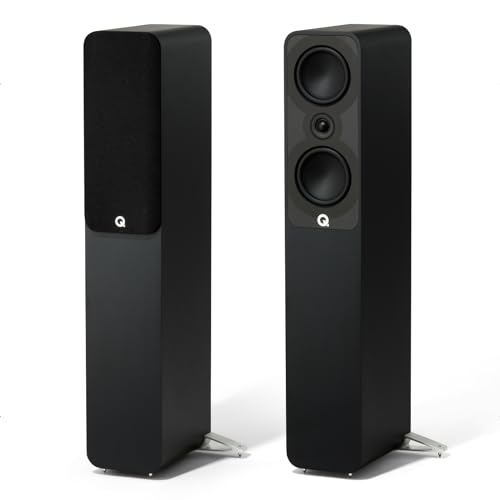


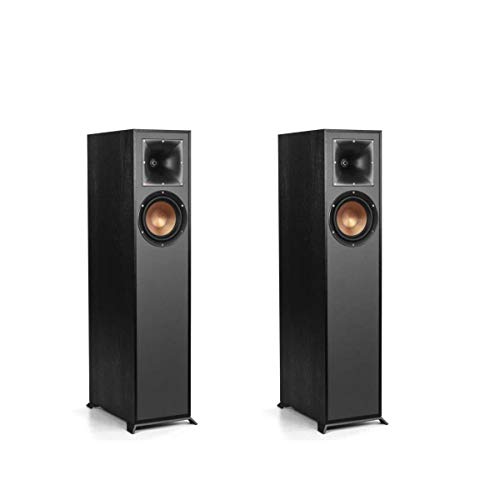


Types of Audiophile Floor Standing Speakers Compared
Four broad types cover nearly every tower speaker you will see for sale. Each type description explains how it works, its strengths and limits, and who should choose it.
Passive Floor Standing Models
Passive towers are the classic choice. They contain drivers and a crossover but no amplifier, so your receiver or integrated amplifier supplies the power through speaker wire. This separation lets you upgrade the amplifier later without replacing the speakers, and it keeps heat and electronics out of the cabinet. Sound quality depends heavily on the pairing, because low sensitivity designs need strong amplification. Choose passive models if you already own a good amplifier or want a system you can grow step by step over many years.
Powered Floor Standing Models
Powered towers build the amplifiers into the cabinets, with each amplifier matched to its driver by the designer. You connect a source or a preamplifier and you are ready to listen, with no separate power amplifier to buy or house. Crossover work often happens before amplification, which can improve control and clarity. The limits are repairability and flexibility, because a failed internal amplifier needs brand service. If simplicity appeals to you, compare this route with our guide to the best powered floor standing speakers for connection and control details.
High Efficiency Models
High efficiency towers use large drivers, horn loaded tweeters, or both to produce high volume from very little power. Sensitivity ratings of 95 dB or higher are common, which makes them ideal partners for low power tube amplifiers and lively listening rooms. They sound dynamic and immediate, with drums and brass that feel present in the room. The trade offs are size and coloration, because horns can emphasize certain frequencies and big cabinets dominate small spaces. Listeners who value energy over strict neutrality often love this type.
Large Full Range Tower Models
Large towers with multiple bass drivers aim for true full range playback without a subwoofer. Tall cabinets hold two or three woofers plus dedicated midrange and tweeter drivers, covering everything from organ pedal notes to the highest harmonics. They need room to breathe, both physically and acoustically, and they reward careful placement. Prices rise quickly with cabinet quality and driver count. Choose this type for a dedicated listening room where deep bass and scale are top priorities and floor space is not a constraint.
Passive Models vs Powered Models: Which Should You Choose?
Compare these two main paths on five points. For sound, passive systems vary with your amplifier choice, while powered systems deliver the voicing the designer intended. For cost, passive totals must include amplification, which often makes powered towers cheaper as a complete system than they first appear. For upgrades, passive wins clearly, because you can change one part at a time. For simplicity and space, powered wins, with fewer boxes and cables. For long term service, passive speakers can run for decades with any amplifier, while powered models depend on the maker supporting the internal electronics.
Your answer usually follows your starting point. If you own a capable amplifier you enjoy, stay passive and spend the full budget on speakers. If you are building a clean, simple system around streaming and television sources, powered towers reduce clutter and decision fatigue. Either path appears in the product table above, so note which type each option belongs to before you compare prices.
How to Choose the Right Audiophile Floor Standing Speaker
Driver Design and Cabinet Build
Drivers and cabinets shape the sound more than any specification headline. Look for rigid cabinets with internal bracing, because panel vibration adds a boxy coloration you will hear on voices and piano. Cone materials each carry a character. Paper tends to sound natural, metal can sound precise but less forgiving, and woven composites balance the two. A separate midrange driver usually improves vocal clarity compared with asking one large woofer to cover both bass and midrange duties.
Amplifier Power Matching
Match power to sensitivity rather than to the maximum rating printed on the box. A speaker with 90 dB sensitivity plays loudly with modest power in an average room, while an 85 dB design may need two or three times the wattage for the same volume. Check the minimum impedance as well, because some towers dip low enough to stress budget receivers. If you listen at high levels in a large room, leave headroom in the amplifier budget instead of pushing a small amplifier into distortion that can damage tweeters.
Connectivity and System Fit
Passive towers need only solid speaker wire connections, and binding posts that accept banana plugs make setup and changes easier. Powered towers add input choices, such as balanced and unbalanced analog inputs, optical or USB digital inputs, and sometimes network streaming built in. List every source you own before choosing, including a turntable, television, and streamer. A powered model with the right inputs can replace several boxes, while a passive model fits better into an existing separates system. For a wider view of tower options, see our guide to the best floor standing speakers.
Room Fit, Size, and Weight
Measure your room and your listening distance before you fall for a tall cabinet. Most towers need space behind and beside them, often one to three feet from the rear wall, to keep bass balanced. Large towers in a small room can overload the space with bass that no equalizer fully fixes. Weight matters for delivery and placement, since a pair can weigh well over 100 lb combined. Plan help for unboxing, and check door and stair access for very tall models.
Sound Quality and Tuning
Decide which sound character suits your music and your room. Neutral speakers reveal recording quality honestly, which thrills some listeners and fatigues others on poor recordings. Warmer speakers soften bright rooms with hard floors and bare walls. Pay attention to frequency response and dispersion, because wide, even dispersion keeps the sound balanced when you move around the room. If most of your listening is focused music sessions, our guide to the best floor standing speakers for music goes deeper on voicing and placement for two channel systems.
How to Make Your Audiophile Floor Standing Speaker Last Longer
- Place speakers away from direct sunlight and heating vents, because heat and ultraviolet light age surrounds and finishes over time.
- Dust cabinets and drivers gently with a dry microfiber cloth, and never press on a tweeter dome or dust cap while cleaning.
- Use the supplied spikes or feet on carpet and protective pads on hard floors, so the cabinet stays stable and level.
- Keep volume below audible distortion, since clipped amplifier signals are the most common cause of tweeter failure.
- Check wire connections once a year for looseness or corrosion, and trim and restrip speaker wire ends if they look dark or frayed.
- Move speakers by lifting from the base with a second person, never by dragging, which can damage spikes, feet, and floor surfaces.
Placement care pays off in sound as well as longevity. Small changes of a few inches change bass balance noticeably, so mark your final positions with tape once you are happy. That simple step lets you return the speakers to the exact spots after cleaning or rearranging furniture. Value hunters can apply the same care principles to lower priced towers, as our guide to the best affordable floor standing speakers explains.
Frequently Asked Questions
Do audiophile floor standing speakers need a separate amplifier?
Passive models do, while powered models do not. If you choose passive speakers, budget for an amplifier that suits their sensitivity and impedance, because an underpowered receiver limits volume and can distort at peaks. Powered towers need only a source with volume control. This single distinction drives total system cost, so settle it before comparing speaker prices alone.
How much space do floor standing speakers need from walls?
Most towers sound best one to three feet from the wall behind them and at least eighteen inches from side walls. Rear ported designs usually need the most rear space, because the port contributes bass that walls reinforce. Start at two feet, listen, and move in small steps. Your room, not a universal rule, decides the final position, and bass heavy corners should be avoided for either speaker.
How long do floor standing speakers last?
Well built passive towers often last twenty years or more, because they contain no electronics beyond the crossover. Foam surrounds, where used, may need replacement after ten to fifteen years, while rubber surrounds last longer. Powered towers depend on their internal amplifiers, which typically set a shorter service horizon. Protecting any speaker from heat, moisture, and distortion extends its life more than any other habit.
Are powered floor standing speakers better than passive ones?
Neither is better for everyone. Powered models offer matched amplification, simpler setup, and predictable voicing, which suits streamlined systems. Passive models offer upgrade freedom and the longest service life, which suits collectors and gradual builders. Compare total system cost and your upgrade plans rather than the speaker price alone, and remember that a powered pair you cannot service locally carries more long term risk.
What size room suits floor standing speakers best?
Medium and large rooms suit towers best, because the speakers need distance to blend their drivers and space to let bass develop. Small rooms can still work with compact towers placed carefully and listened to at moderate distance. As a rough guide, if your listening seat sits less than six feet from the speakers, a smaller tower or a stand mount design may image more coherently.
Our Verdict
Choose the type first, then match sensitivity to your amplifier or choose powered simplicity, and finally confirm the speakers fit your room with space to breathe. Those three decisions matter more than small differences in driver materials or finish. Review the comparison table above with your room measurements beside you, and select the best audiophile floor standing speakers that serve your music, your space, and your plans for the next decade.