Best Active Floor Standing Speakers: The Buyer Checklist We Use for 2026
Disclosure: We may earn a commission when you buy through links on this page, at no extra cost to you. As an Amazon Associate I earn from qualifying purchases. Learn more

Use this checklist to find the best active floor standing speakers for your room, compare amplifier power and inputs, and avoid common buying mistakes.
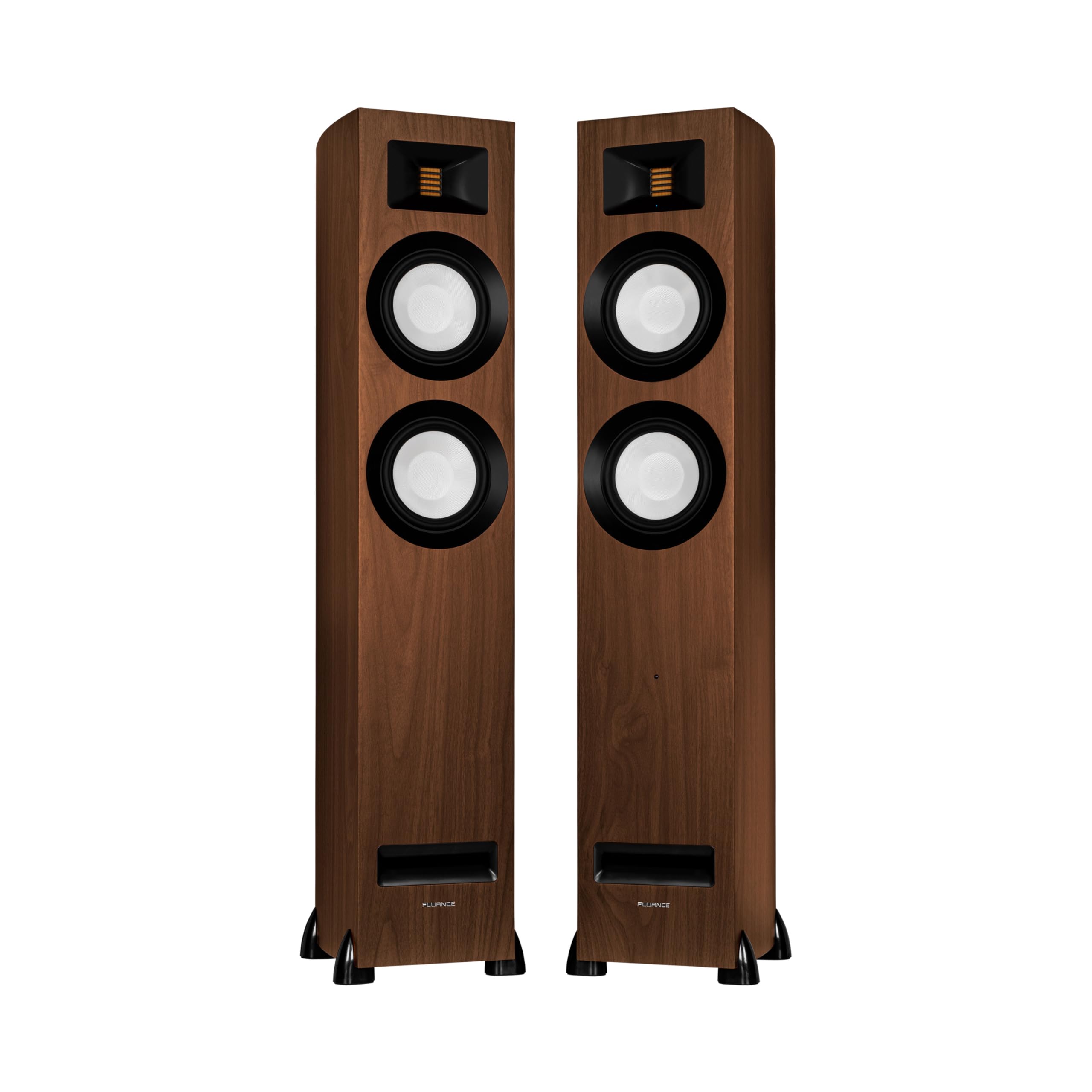
Active floor standing speakers put the amplifier inside the cabinet, so a tall, full range speaker connects straight to your TV, turntable, or phone with no separate receiver. That promise of simple setup hides real differences in power, inputs, and room fit. This checklist based guide to the best active floor standing speakers shows you exactly which specs to verify before you spend serious money on a pair.
Work through the evaluation criteria below in order, then check any model in the product table against the quick buyer checklist. If a speaker fails one of your top three criteria, move on, because floor standing speakers are bulky to return and tend to stay in a room for a decade.



How to Evaluate Active Floor Standing Speakers
This checklist covers six areas that decide long term satisfaction. Each one includes a practical threshold, so you can judge a spec sheet in minutes rather than guessing what the marketing words mean.
Sound Quality and Tuning
Start with driver complement and frequency response. A strong floor standing design uses a tweeter plus one or more woofers of 5.25 inches or larger, reaching down toward 40 Hz so music has real foundation without a subwoofer. Published response figures should state a tolerance, such as plus or minus 3 dB; a bare number with no tolerance means little. Tuning should lean neutral with mild bass lift available through controls, because a speaker boosted at the factory cannot be calmed down in a small room. Multiple smaller woofers often control bass better than one huge cone at the same price.
Placement and Room Size
Floor standing speakers need breathing room, typically at least a foot from the back wall and more for rear ported designs. Check the score this way: rooms under about 150 square feet suit compact towers, while large open plan spaces need bigger cabinets and more amplifier power. Toe in, the angle of the speakers toward the listener, sharpens stereo focus, so leave floor space to experiment. Also confirm the pair fits your layout with walking paths clear, because a tower that blocks a doorway will be moved and damaged eventually. Our broader guide to the best floor standing speakers covers passive designs if you already own an amplifier.
Amplifier Power and Connections
Active floor standing speakers run on mains power, so there is no battery to consider, and the number that matters is amplifier wattage per channel delivered continuously, not a peak figure. Around 50 to 100 watts per channel fills most living rooms without strain. Connections deserve equal weight: HDMI ARC for a TV, optical for older gear, RCA for a turntable with a built in preamp, and Bluetooth for casual streaming. A subwoofer output is a valuable extra, because it lets you add bass later without replacing the pair.
Cabinet Size, Weight, and Build
For towers, fit means whether the cabinet suits your room and floor. Heavier cabinets, often 30 lb or more per speaker, usually signal thicker walls that resist vibration and coloration. Check height against your seated ear level, since the tweeter should sit near ear height on your sofa. Spikes suit carpet, while rubber feet protect wood floors, and good models include both. A wobble test matters in homes with kids or large dogs: a stable, deep footprint beats a narrow designer base.
Durability and Room Suitability
Water resistance ratings belong to portable speakers; floor standing models are indoor furniture and should be judged on finish quality and grille strength instead. Look for a finish that tolerates sunlight without fading fast if the speakers sit near windows, and keep them away from radiators and damp basement walls. Ventilation slots on the amplifier plate need a few inches of clearance, because built in amplifiers generate heat during long loud sessions. A warranty of at least two years on the electronics, longer on drivers, is a healthy sign at this price level.
Remote Control and Everyday Usability
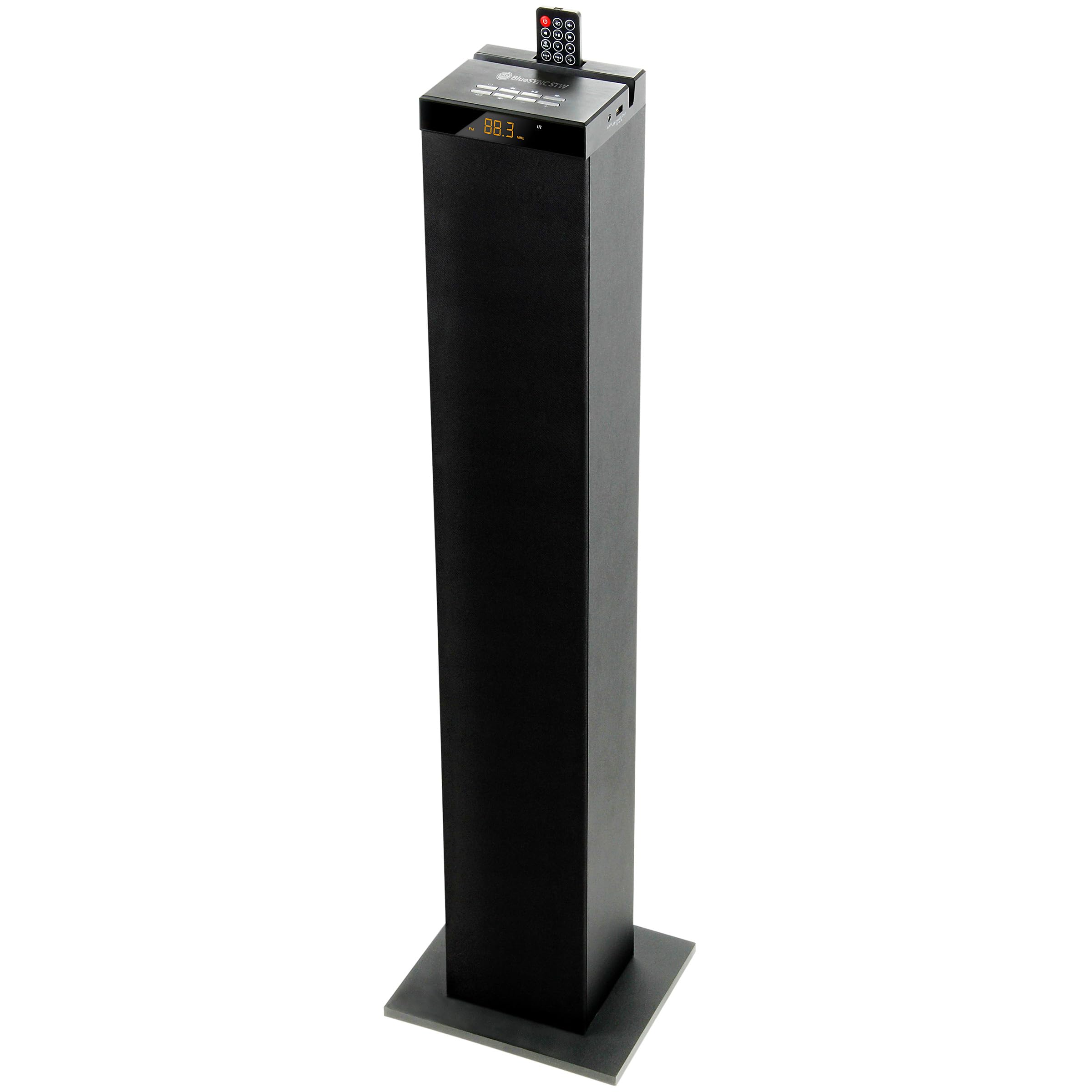
On active towers, daily convenience comes down to the remote and the control layout. A good remote adjusts volume, input, and tone from the sofa, and an auto sensing input switches to the TV when it turns on. Front or top panel controls should still work if the remote goes missing. Bluetooth pairing should remember your phone so reconnecting takes seconds. These small touches decide whether a great sounding pair feels effortless or fussy across years of evenings. Music focused readers can compare priorities in our guide to the best floor standing speakers for music.
Three Budget Tiers That Pass the Checklist
Rather than naming individual models, this section describes what a passing pair of the best active floor standing speakers looks like at each budget, so you can match the listings in the product table to the right tier.
All Round Tier
An all round tier pair, usually around $800 to $1,500, passes every checklist item without strain: honest response into the low 40 Hz range, 75 watts or more per channel, HDMI ARC plus optical and RCA inputs, and cabinets heavy enough to stay inert at high volume. This tier suits a main living room where one system handles TV, films, and music for years. Its limitation is simple cost, plus the floor space two full towers claim. If your room is the household media center, this is the tier to stretch for, because upgrading later means replacing the whole pair.
Value Tier
Value tier pairs, around $400 to $700, keep the essentials and trim the extras. Expect solid bass to about 50 Hz, enough power for medium rooms, Bluetooth and optical inputs, but perhaps no HDMI ARC and simpler remotes. For many households this is the smart buy, especially first time tower owners still learning their room. Shoppers watching budgets closely should also read our guide to the best affordable floor standing speakers for the wider value landscape. The trade off appears mainly in very large rooms, where value towers run out of headroom on film soundtracks.
Premium Tier
Premium pairs, from about $1,500 upward, add room correction software, larger or additional woofers, finer finishes, and stronger amplifiers that stay composed at cinema volume. Room correction is the standout feature, because it measures your space and tames the bass peaks every real room creates. This tier makes sense for dedicated listening rooms and large open spaces, and for buyers who keep speakers for ten years or more. Diminishing returns are real, though: in a small apartment, a premium pair offers little over the all round tier and may overwhelm the room.
Quick Buyer Checklist
- Does the published frequency response include a tolerance such as plus or minus 3 dB?
- Is amplifier power stated as continuous watts per channel rather than a peak number?
- Do the inputs cover your TV, your turntable, and your phone without adapters?
- Can each speaker stand at least a foot from the back wall in your room?
- Does the tweeter land near your seated ear height on your actual sofa?
- Is there a subwoofer output in case you want more bass later?
- Does the warranty cover the amplifier electronics for at least two years?
- Can you return the pair affordably if your room disagrees with them?
Red Flags to Watch For
- Huge wattage claims with no driver sizes or response tolerance published anywhere.
- No HDMI ARC or optical input on a speaker marketed mainly for TV use.
- Cabinets that feel light for their size, hinting at thin walls that vibrate.
- Warranties under a year on the electronics of a premium priced pair.
- Listings that hide whether the price covers a pair or a single speaker.
That last flag catches many first time buyers, because tower speakers are sold both ways. Always confirm pair pricing before comparing across listings, a habit that also helps when browsing the best powered floor standing speakers, a category that overlaps this one closely.
Tips to Get the Most From Your Active Floor Standing Speaker
Keep firmware updated if your pair supports it, because updates can improve input switching and Bluetooth stability. Start with the speakers a foot from the wall and move them in small steps, listening to a familiar track after each move, until bass sounds even. Use the tone controls sparingly; fix placement first, then adjust. Dust the amplifier vents monthly so heat escapes freely, and tighten loose spikes or feet if a cabinet starts to rock.
FAQs
Wired or wireless: which sounds better?
A wired input sounds better in strict terms because it avoids Bluetooth compression, and on revealing floor standing speakers the difference is easier to hear than on portables. Use HDMI ARC or optical for TV and films, and Bluetooth for casual phone streaming where convenience wins. Many owners do exactly that split and never feel they compromised either experience.
Is room correction worth the extra cost?
Room correction is worth it in rooms with hard floors, bare walls, or awkward shapes, because it flattens the bass peaks that placement alone cannot fix. In a small, furnished, rectangular room, careful placement gets you most of the way for free. Treat correction as the premium feature most likely to be audible, unlike exotic cable or finish upgrades.
What room size do floor standing speakers need?
Most active towers work well in rooms from about 150 to 400 square feet. Below that range, their bass can overwhelm the space unless the model offers bass adjustment. Above it, look for larger woofers and higher continuous power. Ceiling height matters less than the distance between the speakers and your seat, which ideally forms a rough triangle.
How long do active floor standing speakers last?
A well built pair commonly serves ten to fifteen years, with drivers outlasting the built in electronics. Amplifier boards are the usual failure point, so warranty length and maker support history matter at purchase. Keeping vents clear and avoiding constant maximum volume extends electronic life. Unlike battery products, there is no battery wear to plan around, which is one ownership advantage of mains powered towers.
Do I need a special codec?
You do not need a special codec for TV or wired listening at all. For Bluetooth streaming, aptX or LDAC support is a small bonus when your phone offers it, but standard Bluetooth already sounds good for casual use. Spend first on inputs, power honesty, and cabinet build; codec support is a tiebreaker between two otherwise equal pairs at the same price.
Our Verdict
Run the checklist in order: honest response figures, real continuous power, the inputs your gear needs, and a cabinet your room can place well. Tier by budget after that, not before. Judged this way, the best active floor standing speakers for your home should be easy to spot in the product table, and the pair you choose should still satisfy you a decade from now.