
Best Audio Speakers for Truck: Buying Guide for 2026
Disclosure: We may earn a commission when you buy through links on this page, at no extra cost to you. As an Amazon Associate I earn from qualifying purchases. Learn more

Choose truck speakers by fit, sensitivity, and durability, with tips on sound deadening and when an amplifier helps.
Truck cabs are tough listening rooms. Road noise, wind, a large cabin, and factory speakers built to a low price all work against clear music and easy phone calls. The good news is that speakers are the single most rewarding upgrade you can make, often with the factory stereo still in place. This guide walks through sizes, power, and durability so you can choose the best audio speakers for truck use without buying parts that will not fit your doors.
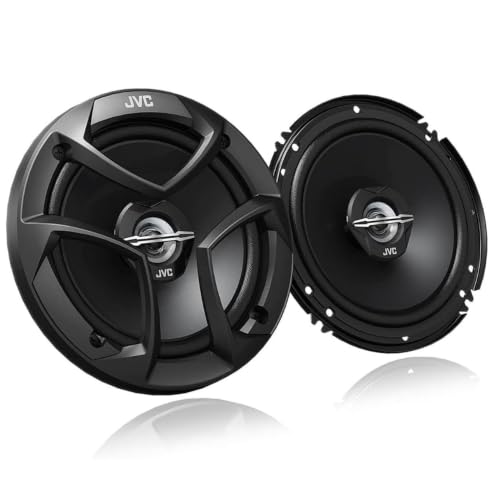
The product table below puts the short list in one view. Check your truck speaker sizes before you study it, because fit decides everything else. A wonderful speaker in the wrong size is simply a return waiting to happen.
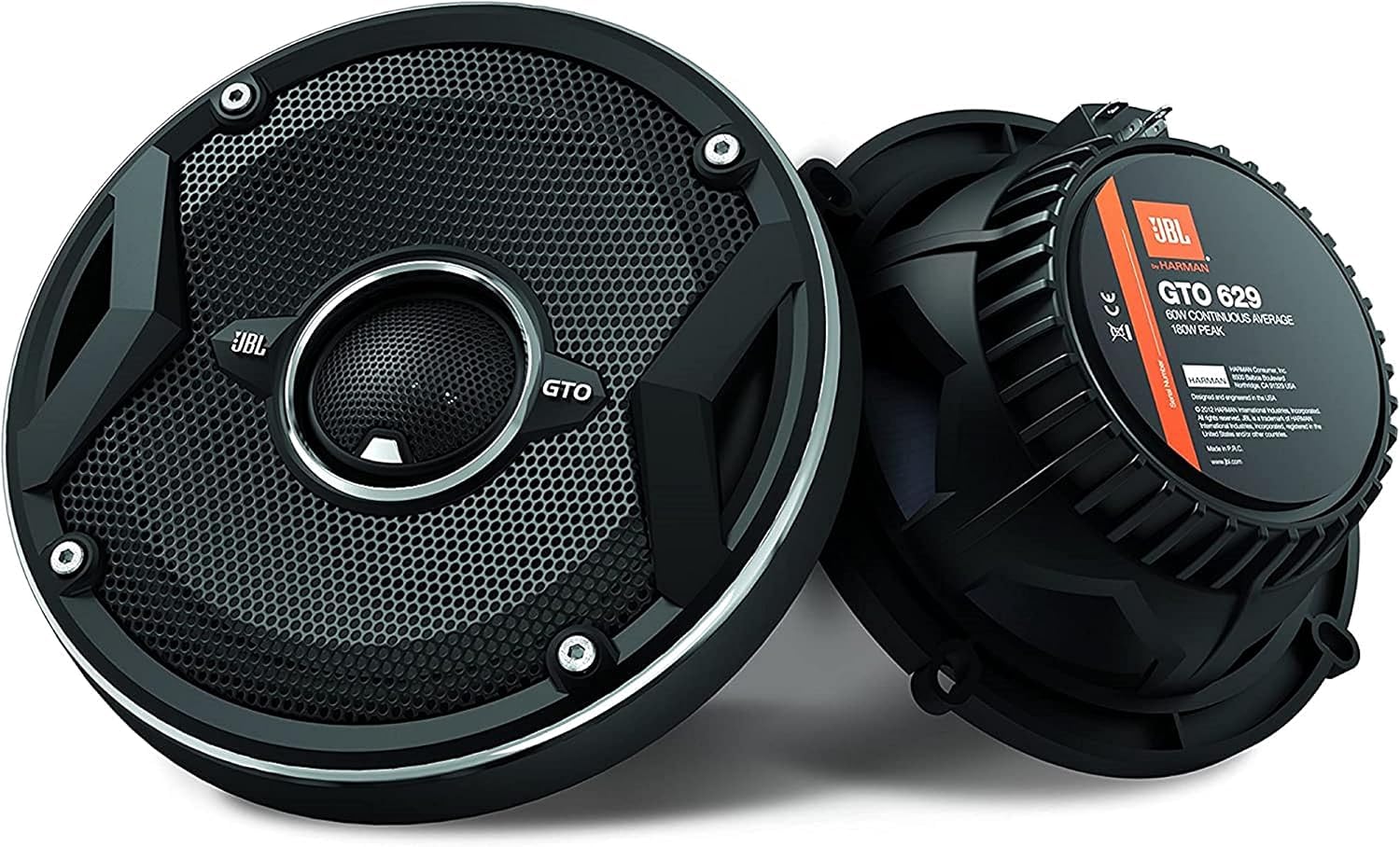
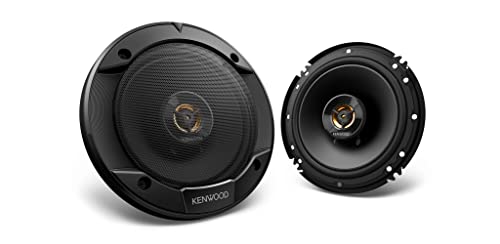

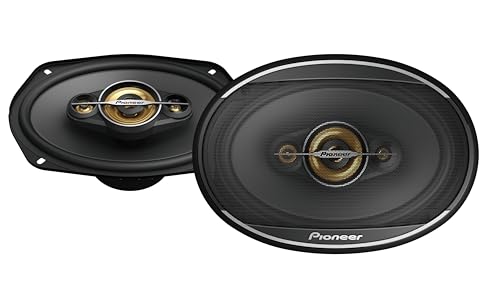


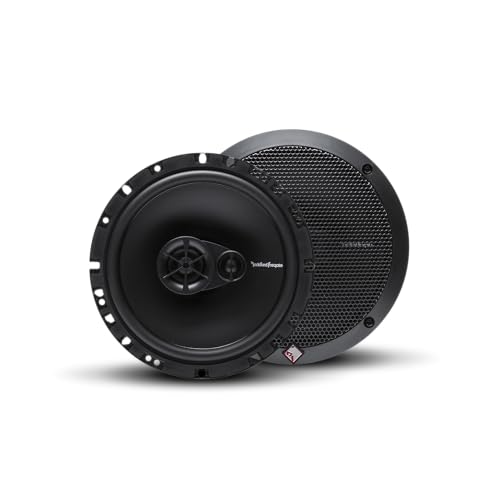

Price Tiers at a Glance
Because named models change every season, tiers are the steadier way to plan. Each tier below describes who it suits, what it generally delivers in a truck cab, and where it falls short. Match the tier to your stereo first. Speakers that need an amplifier will disappoint on a weak factory head unit, while efficient speakers can sound lively on factory power alone.
The Factory Upgrade Tier
Around $50 to $100 per pair, this tier replaces worn factory speakers with clearer, more efficient designs that work on head unit power alone. Expect cleaner voices, less distortion at highway volume, and an easy install with basic tools. The limit is bass depth and maximum volume. Small door speakers cannot move much air, so low notes stay modest. This tier suits daily drivers and work trucks where the goal is clear music and calls without rewiring the truck or adding an amplifier.
The Value Plus Tier
Around $100 to $250 per pair, speakers here add stronger magnets, better cone materials, and higher sensitivity, so they play louder and cleaner on the same power. Many include separate tweeters you can mount higher on the door or pillar, which lifts voices above road noise. This is the sweet spot for owners keeping the factory stereo but wanting a result that feels like a real system. Plan a little extra for mounting adapters and sound deadening mats in the doors, which calm panel buzz and tighten mid bass noticeably.
The Premium Tier With Amplification
Above about $250 per pair, component sets are built to pair with an external amplifier. They offer the strongest clarity, the best power handling, and crossovers that let each driver do its best work. The trade off is install effort and total cost, since the amplifier, wiring, and possibly a subwoofer join the budget. Choose this tier when you spend long hours in the truck and music quality genuinely matters, or when you already plan a fuller system build in stages.
How to Choose the Best Audio Speakers for a Truck Cab
This buying guide section carries the core decisions. Read it with your truck year and trim in mind, since speaker sizes and factory amplifier setups vary even within one model line. When in doubt, a fitment guide from a reputable car audio retailer will confirm the sizes in your doors, dash, and rear cab.
Features That Matter for Truck
Trucks ask more of speakers than cars do. The cab is larger, the seating sits higher, and diesel or all terrain tire noise can be constant. Prioritize sensitivity around 90 dB or higher so the speakers play clearly without huge power, and look for sturdy cone materials that shrug off heat and humidity. If your truck works outdoors, dust and moisture resistance around the door cavities also matters. Finally, consider tweeter placement options, because raising the tweeters toward ear level improves clarity more than a small gain in wattage figures.
Sound Quality and Tuning
In a truck, clear midrange is king, because voices, guitars, and podcasts must cut through road noise without turning harsh. A speaker with smooth treble will tire you less on a long drive than one with a bright, sharp top end. Frequency response figures give a rough range, but sensitivity and honest power handling predict daily satisfaction better. Practical tip: after install, lower the bass control slightly and raise volume instead. Factory tone controls often boost low frequencies into distortion, and a cleaner setting sounds fuller at speed.
Durability and Water Resistance (IP Rating)
Door cavities are wet places. Rain runs inside doors by design, so speaker cones and surrounds should use moisture resistant materials such as polypropylene and rubber rather than untreated paper. Formal IP ratings are rare on car speakers, so judge by materials and by protective design instead. Foam baffles can shield the back of a speaker from drips, though they should not seal it so tightly that bass suffers. Trucks used on dusty sites also benefit from grilles that keep grit away from the cone.
Connectivity (Bluetooth Version, Codecs, Wired)
Truck speakers themselves are wired, always. They connect to the head unit or amplifier with speaker cable, and that wired link is why they stay reliable. Bluetooth and codecs belong to the head unit, which receives music from your phone and passes a plain audio signal onward. So if wireless quality worries you, that is a stereo question, not a speaker question. Our guide to the best car audio speakers explains the shared ground between car and truck systems if you are comparing both.
Fit, Mounting Depth, and Weight
Fit is the truck version of comfort. Check diameter, mounting depth, and magnet size against your door openings, because a deep magnet can strike the window mechanism inside the door. Many trucks accept 6.5 inch or 6 by 9 inch speakers, but trim levels differ, and adapters are often needed. Weight matters less here than secure mounting. A speaker screwed into a flimsy adapter will rattle on rough roads, so use solid brackets and foam tape at contact points to keep the install quiet over gravel and expansion joints.
Power Handling and When an Amplifier Helps
Power matters because your speakers use whatever the stereo or amplifier serves. Match the speaker RMS rating to your source. Efficient speakers with modest RMS needs suit factory stereos, while power hungry sets only wake up with an amplifier. Adding a compact amplifier is the single biggest step after speakers themselves, giving cleaner volume on the highway without strain. If you tow or idle often, confirm the install uses proper gauge power cable and a fuse near the battery for safety.
Phone Calls and Voice Clarity
Speakers do not contain the microphone for calls; that lives in the head unit or a clip on microphone near the visor. Clear speakers still help calls a great deal, because you hear the other voice without raising volume into distortion. Choose speakers with a smooth midrange rather than maximum bass. Owners comparing complete cab setups may also look at the best truck speakers guide for a second view of fitment priorities.
Types of Audio Speakers
Wired Models
All truck door speakers are wired models, and the real choice is between coaxial and component designs. Coaxial speakers place the tweeter in the center of the woofer, install quickly, and suit most owners. They fit factory locations with little fuss and cost less per pair, making them the default recommendation for a first upgrade in a working truck.
Wireless and Bluetooth Models
Wireless speakers in a truck usually mean a portable unit riding along for the job site or campsite, not a replacement for door speakers. A rugged portable can be handy once you park, and our notes on the best portable audio speakers cover that role. For driving, though, installed wired speakers are safer and clearer, since they work with your steering wheel controls and never need charging before a trip.
Outdoor and Rugged Models
Rugged thinking applies to trucks that live on farms, sites, and trails. Speakers with rubber surrounds, sealed lead wires, and corrosion resistant terminals last longer in damp, dusty cabs. If your truck has no carpet and gets hosed out, tell your installer, because material choices and mounting methods change. For most owners, standard automotive speakers already handle normal truck life well, and the rugged premium only pays off in genuinely harsh use.
Setup and Care Tips
- Disconnect the battery first. It protects the truck electronics and your new speakers while you work inside the doors.
- Add sound deadening to the doors. A few mats on the outer door skin reduce buzz and make mid bass sound tighter at speed.
- Keep firmware updated. If your head unit is a modern touchscreen, updates improve Bluetooth stability and call quality.
- Protect the drivers. Refit factory grilles or moisture shields so door water and cargo dust stay off the cones.
- Clean gently. Wipe grilles with a dry or slightly damp cloth, and never spray cleaner directly onto a speaker.
- Avoid max volume for long sessions. Distortion, not power alone, damages speakers, so back off when the sound turns harsh.
Drivers moving between vehicles sometimes compare categories. The broader notes in our guide to the best audio quality speakers and the best auto audio speakers roundup can help you sanity check materials and ratings before you commit.
FAQs
What features matter most in audio speakers for truck?
Correct fit, high sensitivity, and moisture resistant materials matter most. Fit decides whether the speaker installs at all, sensitivity decides how clearly it plays on factory power, and materials decide how long it survives inside a wet door. One extra check is tweeter aim. Tweeters that can angle toward the seats recover clarity that fixed, low mounted tweeters lose to road noise.
Will new speakers fit my truck?
Check your truck year, trim, and door size first. Many trucks use 6.5 inch or 6 by 9 inch speakers, but some use 5.25 inch or 4 inch speakers in the dash and rear cab. Mounting adapters and a fitment guide from a car audio retailer help avoid returns.
Do I need an amplifier?
Not at first. Efficient speakers sound clearer than factory ones on stock power. An amplifier helps if you want higher volume without distortion on the highway or you choose component speakers rated for more power.
Is sound deadening worth it?
Yes. Door deadening mats reduce panel buzz and road noise, which makes mid bass sound tighter and lets you listen at lower volume. It often improves perceived sound more than a costlier speaker.
Wired or wireless: which sounds better?
Installed door speakers are wired, and wired is more stable at any speed. Wireless matters only on the source side, where the head unit receives music from your phone.
Are marine or weatherproof speakers needed in a truck?
Standard automotive speakers handle normal door moisture. Trucks that ford water, sit open in rain, or are hosed out may justify marine rated speakers, which resist moisture better. Keep door drain holes clear so water leaves instead of pooling around the speaker.
The Bottom Line
Confirm your sizes, favor sensitive speakers with durable materials, and add door treatment before you chase wattage. Those choices decide how your cab sounds every single drive. Compare your short list in the product table above, and install carefully or pay a trusted shop for the door work. Done in that order, choosing the best audio speakers for truck cabs becomes the rare upgrade you notice with pleasure on every mile of the commute.


