
Best Audio Speakers for Music Made Simple: A Clear Buying Guide for 2026
Disclosure: We may earn a commission when you buy through links on this page, at no extra cost to you. As an Amazon Associate I earn from qualifying purchases. Learn more
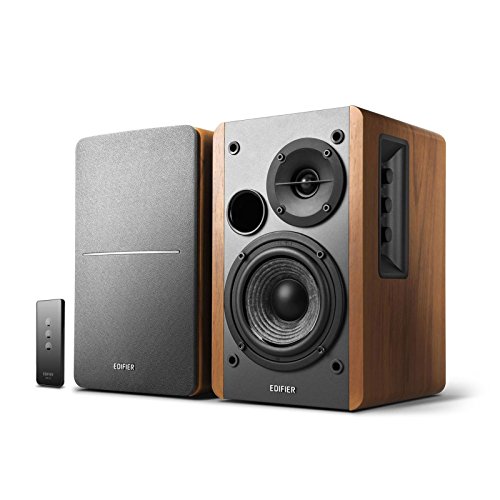
Shopping for the best audio speakers for music for the first time? Learn the key terms, sizes, and connections in this easy guide and buy with confidence.
Buying speakers for music for the first time can feel like reading a foreign language. Drivers, watts, codecs, and IP ratings all compete for your attention, yet only a few of them shape what you hear at home. This guide explains the basics in plain English, one idea at a time, and shows you how to match a speaker to your room, your phone, and your listening habits. With that groundwork, finding the best audio speakers for music for your space becomes a calm, step by step decision.
The product table below collects the short list in one view. Use it after the basics, because a speaker that suits a quiet bedroom differs from one built for a kitchen full of conversation or a patio full of friends.


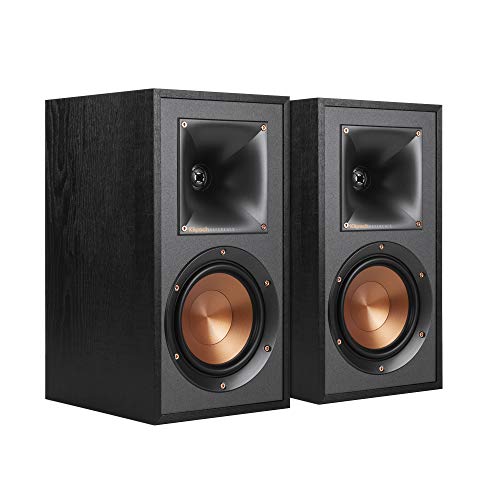
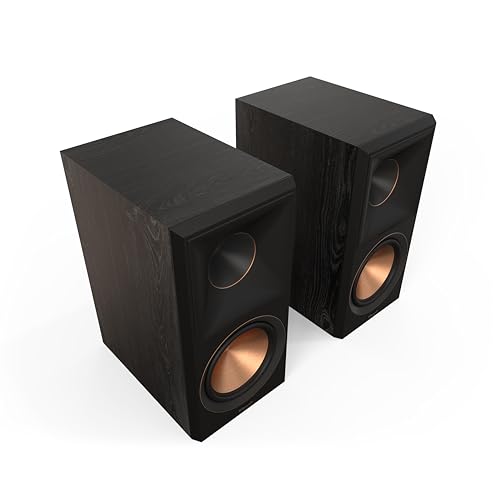


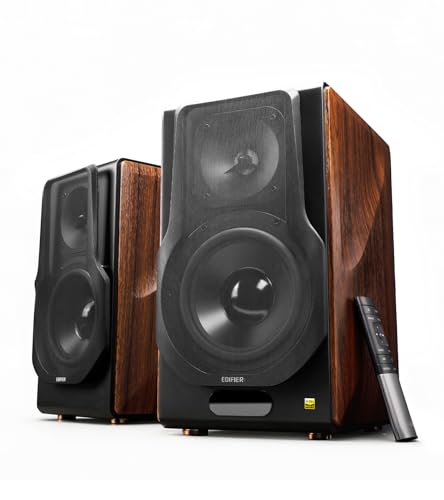

Audio Speakers 101: The Basics
A speaker turns an electrical signal into sound. Inside the cabinet, one or more drivers move back and forth to push air, and that moving air is what your ears receive as music. Small drivers handle high notes, often called tweeters, while larger drivers handle voices and bass. Some speakers include their own amplifier and connect straight to your phone. Others are passive and need a separate amplifier or receiver between the source and the speaker.
That active versus passive split is the first fork in the road. Active speakers are simpler, with fewer boxes and cables, and they suit most first time buyers. Passive speakers offer more upgrade paths later, since you can change the amplifier without changing the speakers. Neither route is automatically better sounding. Your budget, your room, and how much gear you want on display should make the call. Readers who already know they want a desk based system can compare with our guide to the best pc speakers for music after finishing the basics here.
Key Specs Explained in Plain English
Features That Matter for Music
Music rewards balance. Unlike movie sound, which leans on explosions and dialogue, music asks a speaker to handle voices, instruments, and rhythm evenly for hours. Look for a stated frequency response that reaches reasonably low, around 60 Hz or below for a bookshelf size speaker, without wild claims. Stereo separation matters too. A true pair of speakers, or a single unit with a wide soundstage design, will place instruments in space rather than collapsing them into one point. Finally, check the inputs. A speaker that accepts your phone, your television, and a turntable grows with you.
Sound Quality and Tuning
Tuning describes the personality a maker builds in. Some speakers sound warm, with full bass and gentle highs that flatter older recordings. Others sound neutral, revealing exactly what a recording contains, for better or worse. Neither is wrong, but your taste should guide you. Driver size hints at bass ability, since larger drivers move more air, yet cabinet design and placement can matter just as much. Practical tip: give any new speaker a few days of normal listening before judging it, because your ears need time to adjust to a new balance after years with an old one.
Size, Weight, and Placement Fit
Placement fit matters as much as the speaker itself. A speaker too large for its shelf sounds boomy when pushed against a wall, while a tiny speaker in a big open room sounds lost. Measure your shelf or stand space, leave a few inches behind the speaker if it has a rear port, and plan for the speakers to sit near ear height where you listen. Weight hints at cabinet solidity. A heavier cabinet often vibrates less, which keeps voices cleaner at higher volume.
Durability and Water Resistance (IP Rating)
Most living room speakers need no water rating at all, just a dry shelf and reasonable care. If your music moves to a kitchen, bathroom, or patio, look for an IP rating on portable models. IPX4 resists splashes, which covers a kitchen counter, while IP67 means a unit can survive brief immersion and dusty conditions. Remember that the rating covers the speaker, not your phone or cables. Also check the finish. Matte cabinets hide dust and fingerprints better than glossy ones in bright rooms, a small detail you will appreciate weekly.
Battery Life and Charging
Battery figures apply to portable speakers only, since home speakers plug into the wall. Makers quote play time at moderate volume, so expect less when you play loudly outdoors. A useful benchmark is around 10 to 20 hours for a portable model you plan to carry often. Fast charging helps when a gathering is planned at short notice, and USB C charging means one cable can serve your phone and your speaker. If the speaker will live in one room, skip the battery entirely and spend the money on driver quality instead.
Rookie Mistakes to Avoid
- Judging by wattage alone. Watts say little about sound quality. Sensitivity and honest ratings tell you more about how loud a speaker plays with a given amplifier.
- Buying one speaker when you want stereo. A single unit is fine for background music, but a pair gives the placement of instruments that makes music feel alive.
- Cramming speakers into corners. Corners exaggerate bass and blur voices. Pull speakers out a little and angle them toward your seat.
- Ignoring the source quality. A heavily compressed stream limits any speaker. Use the best quality setting your music service offers.
- Forgetting the cables and stands. Budget a little for sensible stands and cables so the speakers end up at the right height from day one.
If sound quality itself is your main worry, our companion guide to the best audio quality speakers digs deeper into what separates good reproduction from great reproduction.
Getting Started: Setup and First Use
Unbox the speakers and place them before you connect anything, because position is hard to change once cables are cut to length. Form a triangle between the two speakers and your main seat, with roughly equal sides, and angle each speaker slightly inward. Start with tone controls flat or in their neutral position, play a song you know well, and adjust in small steps. Keep firmware updated on smart or wireless models through the maker app, since updates often fix pairing quirks. Store portable speakers indoors with a partial charge rather than fully drained, which treats the battery kindly between seasons.
FAQs
What features matter most in audio speakers for music?
Balanced tuning, honest frequency response, and inputs that match your sources matter most. They decide whether voices sound natural and whether the speaker works with the gear you already own. One further point is sensitivity. A more sensitive speaker plays louder with modest amplification, which matters if you pair passive speakers with a small amplifier. Check that figure before assuming you need a bigger amp.
Do I need a special codec?
No, a standard Bluetooth connection already carries music at satisfying quality for most listeners. Advanced codecs such as LDAC or aptX can pass more detail, but only when your phone and the speaker both support the same one, and the difference is subtle on small speakers. Spend attention on placement first. Moving a speaker off the floor and to ear height improves clarity more than any codec change you can make.
Wired or wireless: which sounds better?
Wired connections hold a slight edge in consistency, since nothing depends on radio conditions or battery level. Wireless wins on convenience and keeps rooms free of cable runs, which is why most modern home speakers offer both. A sensible pattern is wireless for everyday listening and a wired input for your television or turntable. That mix gives stable quality where it counts and freedom everywhere else.
How long does the battery last?
For portable models, expect roughly 10 to 20 hours at moderate volume, and noticeably less at high volume outdoors. Wall powered home speakers have no battery limit at all. To stretch portable play time, lower the volume a little, keep the speaker out of direct hot sun, and turn off extra light effects if the model has them. Battery health also lasts longer when you avoid leaving the unit plugged in at full charge for months.
What IP rating do I need for outdoor use?
For a covered patio, IPX4 splash resistance is usually enough. For speakers that will face open rain, pool splashes, or dusty yards, look for IP65 or IP67 ratings. Check how the rating was described, since some models rate the cabinet but leave a charging port that must stay closed to keep water out. Rinse salt or dust off with plain water after heavy exposure if the maker allows it, then let the unit dry fully before charging.
Should I buy powered or passive speakers for music?
Powered speakers suit most first time buyers because the amplifier is built in and matched to the drivers. Passive speakers suit listeners who already own a receiver or want to upgrade the amplifier later. Either route can sound excellent when the speakers suit the room.
Wrapping Up
Start with balance, honest specs, and a size that fits your room, then let your own taste in tuning make the final call. The product table above can confirm prices and inputs once you know your short list. Readers comparing the wider category may also enjoy our overview of the best speakers for music. Chosen patiently, the best audio speakers for music for your home will make familiar songs feel newly detailed, and that quiet surprise is the whole point of the upgrade.


