Best ATV Sprayers 2026 Buying Guide
Disclosure: We may earn a commission when you buy through links on this page, at no extra cost to you. As an Amazon Associate I earn from qualifying purchases. Learn more

Compare ATV sprayers by tank size, pump, and boom or wand style, with weight, mounting, and chemical safety tips for fields and large yards.
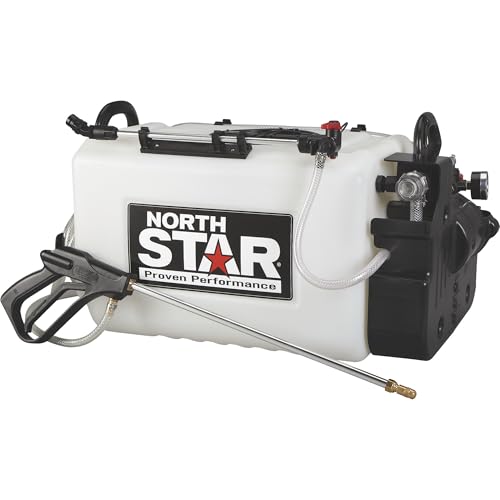
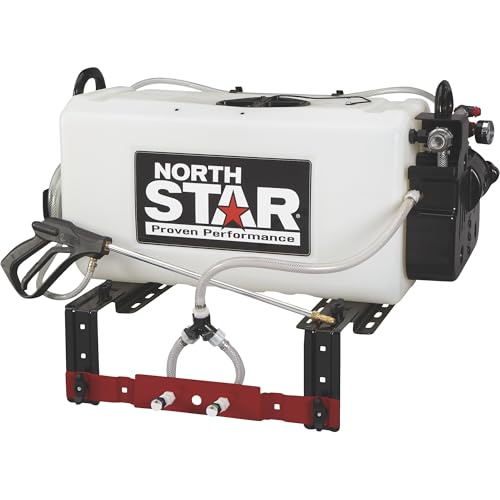
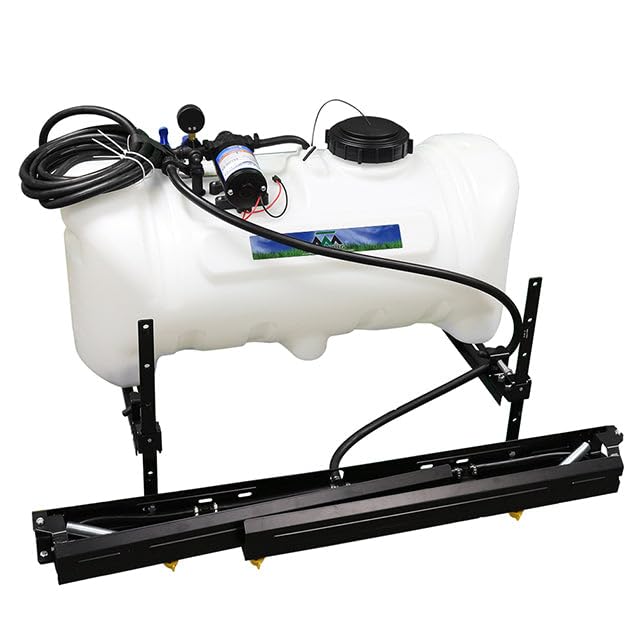
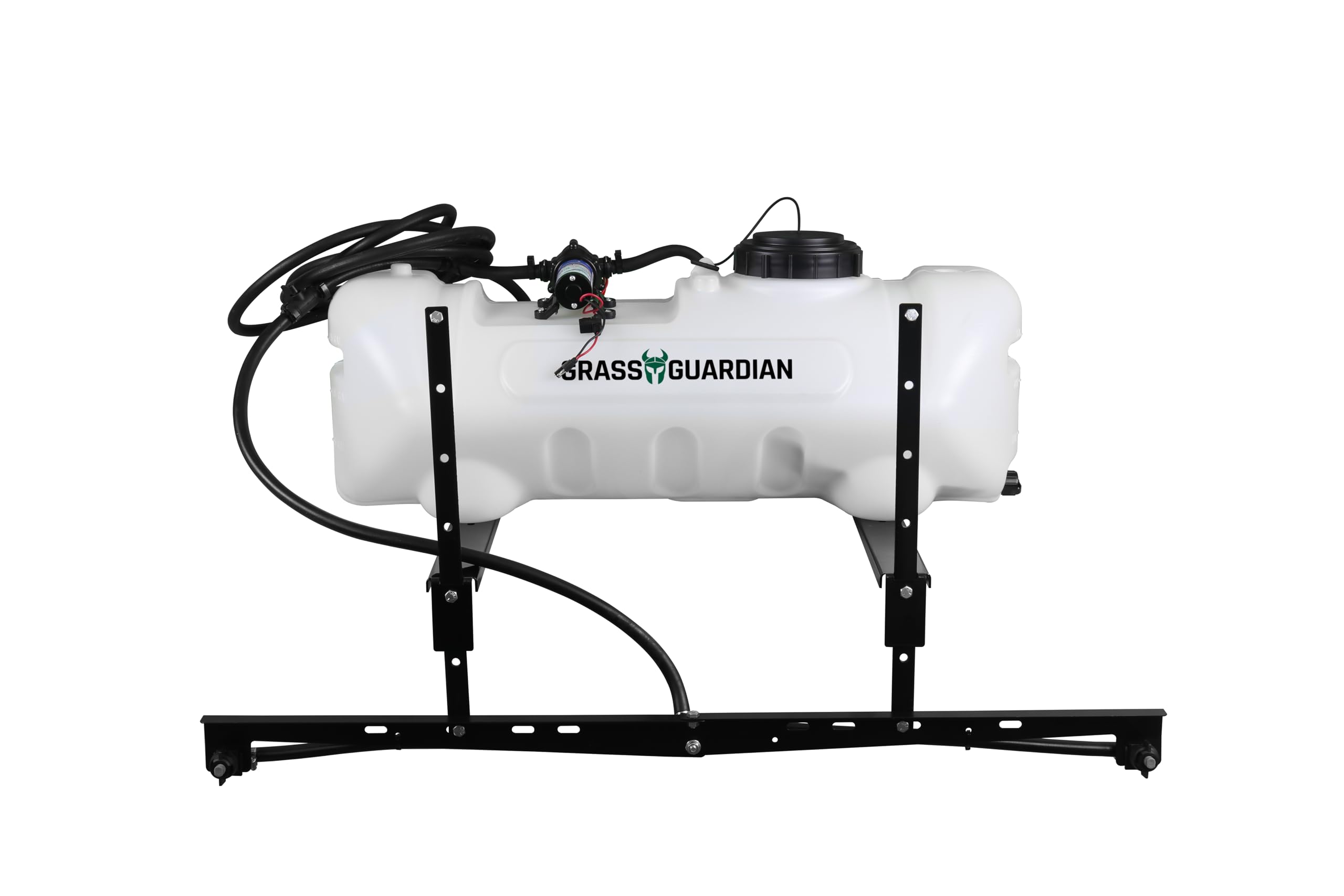
The best ATV sprayers put a tank, a 12 volt pump, and a boom or wand on a machine you already own. That lets you treat fence lines, pastures, food plots, and big lawns in a fraction of the time a backpack sprayer takes, and with a steadier, more even pattern.
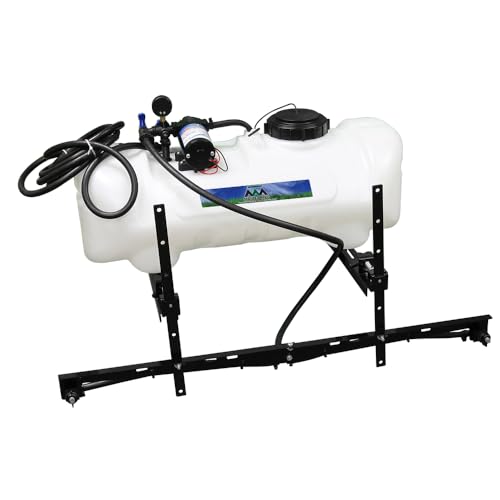
The product table below lists common tank sprayers for ATVs. This guide explains the three main styles, how to match tank size to acreage, and which details decide whether a sprayer lasts.



Who Should Buy an ATV Sprayer
An ATV sprayer suits landowners who spray more than a backyard: a few acres of pasture, driveway edges, orchard rows, hunting plots, or a long fence. It also suits anyone whose back or knees object to carrying a full tank on foot.
If you spray only a small garden, a hand sprayer is simpler and cheaper. If you treat hundreds of acres, a larger tractor or UTV rig will save more time.
Three Main Styles of ATV Sprayer
Boom Sprayers
A boom carries several nozzles across a fixed width, so one pass covers a strip of 7 to 10 feet or more. Booms give the most even coverage on open ground and suit broadcast herbicide and fertilizer. They are harder to use around trees, fences, and tight turns. For a closer look, compare the best atv boom sprayers.
Spot Sprayers With a Wand
A spot sprayer adds a hose and handgun so you can walk to weeds, brush, or fence corners and spray only what needs it. This style wastes less chemical and works well on uneven ground. It is slower than a boom on big open areas.
Boomless Broadcast Sprayers
A boomless nozzle throws a wide fan, often 14 feet or more, without any arms to catch on branches. It is a good middle choice for property owners who want wide coverage and also need to work near obstacles.
Key Features to Compare
- Tank size: 15 gallons suits a few acres per fill, 25 gallons suits larger jobs but adds weight.
- Pump flow and pressure, listed in gallons per minute and PSI.
- Tank and hose material that resists the chemicals you use.
- A strainer or filter at the pump and tank opening.
- Wiring with a fuse and a switch you can reach from the seat.
- Mounting method: rack mount, hitch mount, or a frame that bolts to the cargo area.
Matching the Sprayer to the Job
Think in terms of what you spray most often. Pasture weeds and broadcast fertilizer reward a boom or boomless unit, because even coverage matters more than reaching every corner. Brush, fence rows, and scattered thistles reward a hose and handgun, since you can walk right up to the target and avoid wasting chemical on bare ground.
Food plots and orchard strips sit in between. A boomless nozzle or a short boom keeps you moving at a steady pace, and a wand fills in the edges. If your property mixes open ground and tight spaces, buy a unit that lets you switch between a boom and a wand rather than owning two sprayers.
Also think about water. A long hose run to the fill point costs more time than a slightly larger tank, so many owners keep a refill tank or a nearby hydrant in mind when choosing a size. Filling from clean water through the tank strainer keeps grit out of the pump.
Weight, Balance, and ATV Fit
Liquid is heavy, at about 8 pounds per gallon, so a full 25 gallon tank adds roughly 200 pounds before the frame and pump. Check your ATV cargo rating and keep the load low and centered. A full tank changes braking, cornering, and hill behavior, so slow down and avoid steep side slopes.
Make sure the mounting frame fits your racks and does not block the controls, the exhaust, or the wheels. Route hoses clear of hot parts.
Using an ATV Sprayer Safely
Read and follow the chemical label every time. Wear gloves, eye protection, and any other gear the label lists. Do not spray in strong wind, near open water, or when children, pets, or livestock are close. Mix only what you need, and rinse the tank, pump, and lines with clean water after each job.
Calibrate the sprayer before the first real job by spraying plain water over a measured area, then adjust speed and pressure until the coverage matches the rate on the label.
Pump Pressure and Nozzle Choice
Most 12 volt pumps on ATV sprayers deliver between about 1 and 5 gallons per minute at pressures up to roughly 60 to 70 PSI. Higher flow suits wide booms and thick coatings, while lower flow is enough for a single wand. Match nozzles to the chemical label: flat fan tips give even broadcast coverage, cone tips suit spot work, and larger droplet tips reduce drift on breezy days.
Keep a few spare tips in the correct size. A worn nozzle sprays more than a new one, and one bad tip on a boom leaves stripes in the field.
Care, Storage, and Parts
- Flush the pump and hoses after use so chemicals do not harden inside.
- Drain the tank before freezing weather, since ice can crack pumps and fittings.
- Keep spare nozzles, O-rings, and filters on hand.
- Store the sprayer indoors or under cover, out of strong sun.
- Check wiring connections for corrosion at the start of each season.
Mistakes to Avoid
The most common mistake is buying a tank that is too large for the ATV, which makes the machine tippy and tiring to drive. Another is skipping the pump rinse, which shortens pump life. A third is buying on price alone and then finding that spare parts are hard to get.
Also avoid using one sprayer for both herbicide and fungicide or insecticide without a careful rinse, since leftovers can damage sensitive plants.
Frequently Asked Questions
What tank size do I need?
For two or three acres of occasional spraying, 15 gallons is usually enough. For larger pastures or food plots, 25 gallons saves refills but adds weight. Consider how often you can refill near the work area.
Can any ATV carry a sprayer?
Most full size ATVs can carry a 15 gallon unit, but check your machine's rack ratings and the sprayer's weight when full. Small youth ATVs are not suited to these loads.
Is a boom or a wand better?
A boom is faster on open ground and gives even coverage. A wand is better for fence lines, brush, and spot treatment. Many owners choose a unit that offers both.
How long does a 12 volt pump last?
With regular rinsing and clean water in the tank, a quality pump can last many seasons. Running a pump dry or leaving chemicals inside is the usual cause of early failure.
Do I need a filter?
Yes. A strainer keeps grit and clumps from clogging nozzles and wearing the pump, which keeps the spray pattern even.
Final Thoughts
The best ATV sprayers match your acreage, your machine's carrying limit, and the way you spray: boom for open ground, wand for spot work, boomless for a mix. Compare the options in the product table above, confirm the load and wiring fit your ATV, and follow the chemical label closely. For related equipment, see the best weed sprayers.