Best ATV Boom Sprayers 2026 Buying Guide
Disclosure: We may earn a commission when you buy through links on this page, at no extra cost to you. As an Amazon Associate I earn from qualifying purchases. Learn more

Compare ATV boom sprayers for acreage, tank size, and boom width. Learn about pumps, nozzles, and safe spraying before you buy one. Shop smart.
Choosing the best atv boom sprayers depends on how much ground you cover and what you spray. A boom sprayer mounts on an all terrain vehicle and spreads liquid evenly across a wide path, which saves time on fields, pastures, and large lawns. The right boom width, tank size, and pump pressure turn a long chore into a steady, even job.
The product table below gives a quick overview, and this guide explains tank capacity, boom design, nozzles, and safety. Read it before buying, so the sprayer matches your vehicle, your acreage, and your spraying tasks.

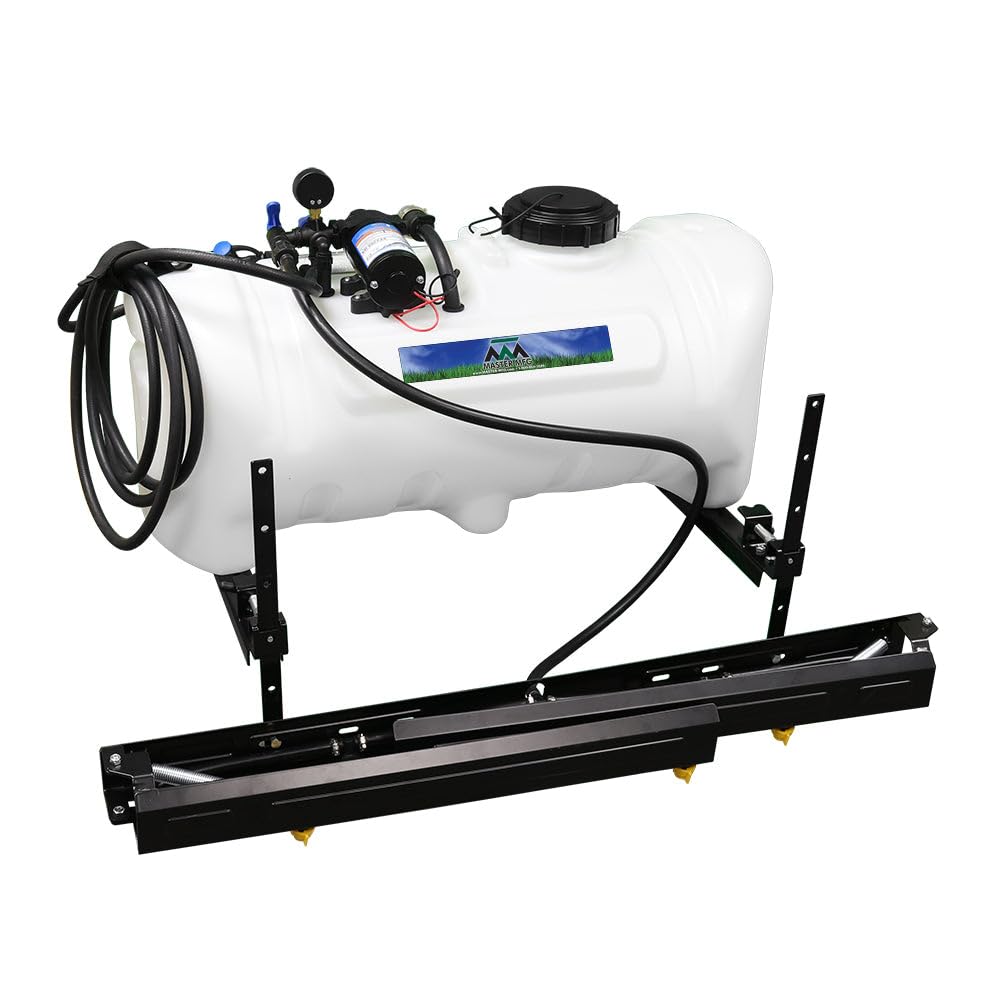
Tank Size and Acreage
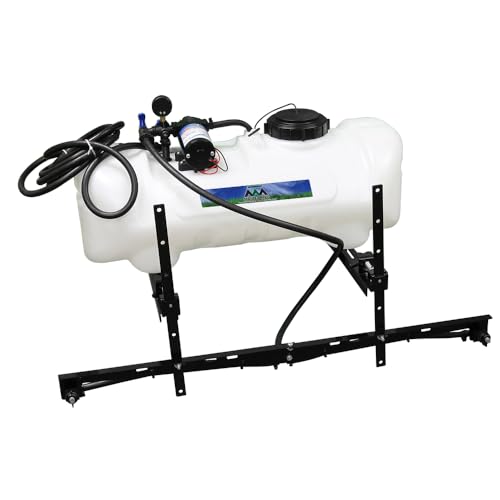
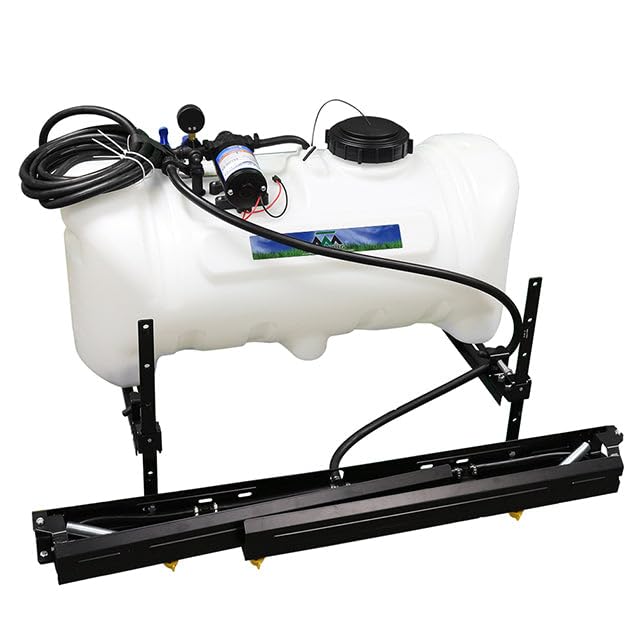
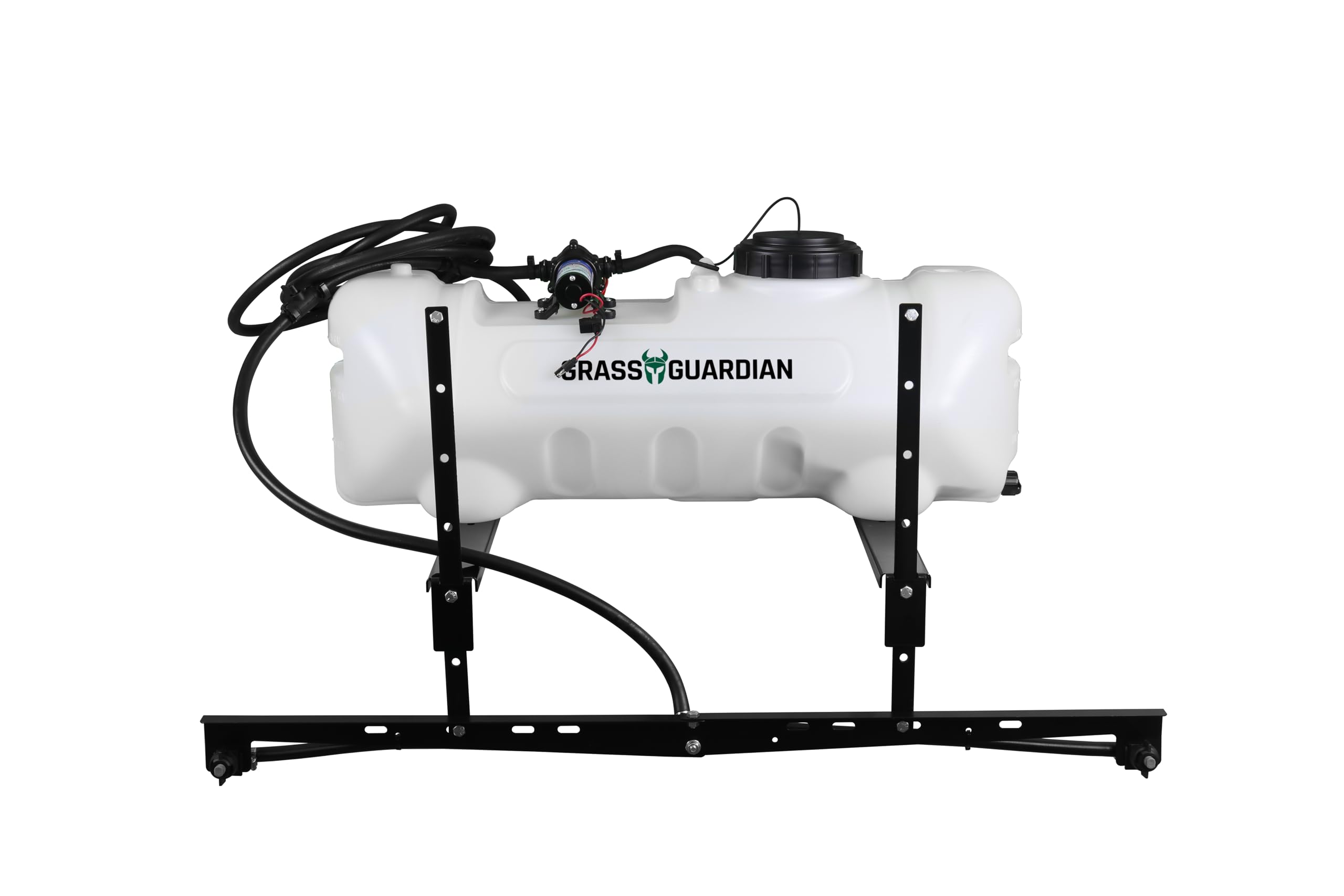
Tank size should match the area you spray between refills. A small tank suits a few acres and keeps the ATV light and nimble, while a larger tank covers more ground but adds weight that affects handling on slopes. Estimate your acreage per session, then choose a tank that covers it with one or two fills at most.
Remember that liquid weight matters: water weighs about 8 pounds per gallon, so a full large tank changes braking and cornering. Check your ATV load rating and never exceed it. A tank with clear level markings helps you track use and avoid running dry mid pass.
Boom Width and Nozzle Choice
Boom width decides how many passes you need. A wider boom covers ground faster but is harder to maneuvre around trees, fences, and gates. A folding boom offers the best of both, spreading wide in open fields and folding narrow for transport and tight spots.
Nozzles control droplet size and spray pattern. Flat fan nozzles suit even coverage on open ground, while other designs reduce drift in wind. Check nozzle spacing and overlap, since uneven overlap leaves stripes of missed or double dosed ground. Keep spare nozzles on hand, as a clogged nozzle ruins an otherwise even pass.
Pumps, Pressure, and Power
The pump must deliver steady pressure across the whole boom, even at the far ends. A pump with adjustable pressure lets you match output to the task, from gentle lawn treatment to heavier field work. Diaphragm pumps handle many chemicals well, while roller pumps suit simpler jobs.
Power usually comes from the ATV battery, so check the electrical draw and wiring. A pump that drains the battery quickly leaves you stranded mid field. Look for a fused wiring harness and a switch within easy reach, so you can stop spraying instantly if needed.
Mounting, Stability, and Vehicle Fit
Mounting must hold the tank firmly without shifting on rough ground. A sliding tank changes the center of gravity and can make the ATV feel unstable, especially on slopes. Check that the mounting frame fits your ATV rack or hitch, and that hoses route clear of wheels and hot exhaust parts.
Test the loaded ATV on gentle ground before tackling slopes. Drive slowly, avoid sharp turns with a full tank, and keep the boom folded when traveling between areas. Stability matters more than speed, and a cautious first run reveals balance problems before they become accidents.
Chemical Safety and Maintenance
Always read the chemical label before spraying, and wear the protective gear it recommends, including gloves, eye protection, and a respirator where required. Never spray in strong wind, near waterways, or when bees are active, and keep people and animals clear of the treated area until it is safe to return.
After each use, flush the tank, pump, and nozzles with clean water, and store chemicals separately in a locked, labeled area. Rinse water must be disposed of safely, never poured into drains or streams. Regular cleaning prevents clogs, protects seals, and extends the sprayer life.
A Final Check Before You Order
Before ordering, measure your typical acreage, check your ATV load rating, and list the chemicals you plan to use. Compare those details with the product table above, and choose a boom width you can actually maneuvre on your land. A sprayer that fits your ground beats a larger one that cannot turn safely.
Also confirm spare parts availability for nozzles, filters, and pump seals. A sprayer is only useful when it runs, so easy maintenance matters as much as tank size. With the right match, spraying becomes a steady, predictable job rather than a wrestling match with equipment.
For related spraying equipment, see our guides to best atv sprayers, best weed sprayers and best hose sprayers, covering ATV mounted units, weed control, and hose fed options.
Calibrating for Even Coverage
Calibration turns a boom sprayer from a rough tool into a precise one. Start by measuring output from each nozzle over a set time, and compare nozzles for consistency, since a worn nozzle sprays more than a new one. Replace nozzles as a set when wear appears, because mixing old and new nozzles creates uneven stripes across the boom width.
Next, measure your driving speed over a known distance, since speed directly affects application rate. Drive at a steady, realistic pace, not an ideal one, and repeat the measurement to confirm consistency. Record speed, pressure, and nozzle type for each chemical and task, so future applications repeat accurately without guesswork.
Finally, test on water before spraying chemicals, checking for leaks, uneven patterns, and missed strips. A water test reveals problems cheaply and safely, while a chemical test wastes product and risks uneven treatment. Calibration takes an hour, but it saves chemical, protects crops, and produces visibly better results.
Seasonal Care and Storage
At season end, flush the entire system with clean water, then run a tank cleaner if the maker recommends it for your chemicals. Drain all lines, filters, and pump chambers, since trapped liquid can freeze, corrode seals, or contaminate the next season first spray. Store the sprayer under cover, out of direct sunlight, which degrades hoses and tanks over time.
Inspect hoses, clamps, and boom hinges before the next season, replacing anything cracked, stiff, or worn. Check the pump diaphragm and seals, since these wear with chemical exposure and age. A pre season inspection takes less time than a mid season breakdown in a field far from spares.
Store chemicals separately in their original labeled containers, locked away from children, animals, and food. Keep a spill kit nearby, including absorbent material and protective gear, so a small spill stays small. Good storage protects people, animals, and waterways, and it keeps your sprayer ready for the next season.
Boom height affects coverage quality as much as nozzle choice, since a boom set too high increases drift and a boom set too low creates narrow, overlapping stripes. Check the nozzle maker guidance for recommended height above the target, and set the boom level across its full width. On uneven ground, a boom that follows terrain roughly keeps coverage more even than a rigid boom bouncing over ruts, so consider suspension or breakaway sections if your land is rough.
Frequently Asked Questions
What boom width suits a small property?
A boom of around 10 to 12 feet suits smaller properties with trees, fences, and gates, because it turns easily and stores compactly. Wider booms cover open fields faster but struggle in tight spaces. A folding boom is a good compromise, giving wide coverage in open ground and a narrow profile for transport.
How do I avoid spray drift?
Spray in calm conditions, preferably early morning or late evening when wind is low, and choose nozzles designed to produce larger droplets. Keep the boom low and close to the target, and stop spraying if wind picks up. Buffer zones near waterways, gardens, and neighboring properties further reduce drift risk.
Can one sprayer handle different chemicals?
Yes, if you flush the system thoroughly between chemicals and check that seals and hoses suit each product. Some chemicals damage certain materials, so read both the chemical label and the sprayer manual. Never mix chemicals unless the label explicitly allows it, and keep a flushing routine after every use.
How do I maintain an ATV boom sprayer?
Flush the tank, pump, and lines with clean water after each use, clean or replace filters regularly, and inspect hoses for cracks. Store the sprayer under cover and drain it before frost, since frozen liquid can crack pumps and fittings. A short maintenance check before each season prevents most breakdowns.
What safety gear do I need for spraying?
Wear the gear listed on the chemical label, which usually includes gloves, eye protection, long sleeves, and sometimes a respirator. Keep a first aid kit and clean water nearby, and wash hands and exposed skin after spraying. Store chemicals locked away from children and animals, and never eat or drink while handling spray products.
Final Thoughts
The best atv boom sprayers match your acreage, your ATV, and the chemicals you actually use. Use the product table above to compare tank, boom, and pump options, then spray with care for people, animals, and waterways. A well matched sprayer makes large jobs faster and far more even.