
Best Atmos Home Theater Speakers 2026: Guide by Budget
Disclosure: We may earn a commission when you buy through links on this page, at no extra cost to you. As an Amazon Associate I earn from qualifying purchases. Learn more

Best atmos home theater speakers by budget: towers, centers, surrounds and height modules from Polk, Klipsch, Sony and ELAC to build a Dolby Atmos system.
A Dolby Atmos home theater is built from several speakers: front left and right, a center, surrounds, a subwoofer and a height layer. The best atmos home theater speakers are the ones that match each other in tone, suit your room and fit your budget.
The product table lists towers, center speakers, surrounds and height modules from Polk, Klipsch, Sony, ELAC and SVS, plus a complete Klipsch Reference Cinema system. The sections below explain how to split your budget.




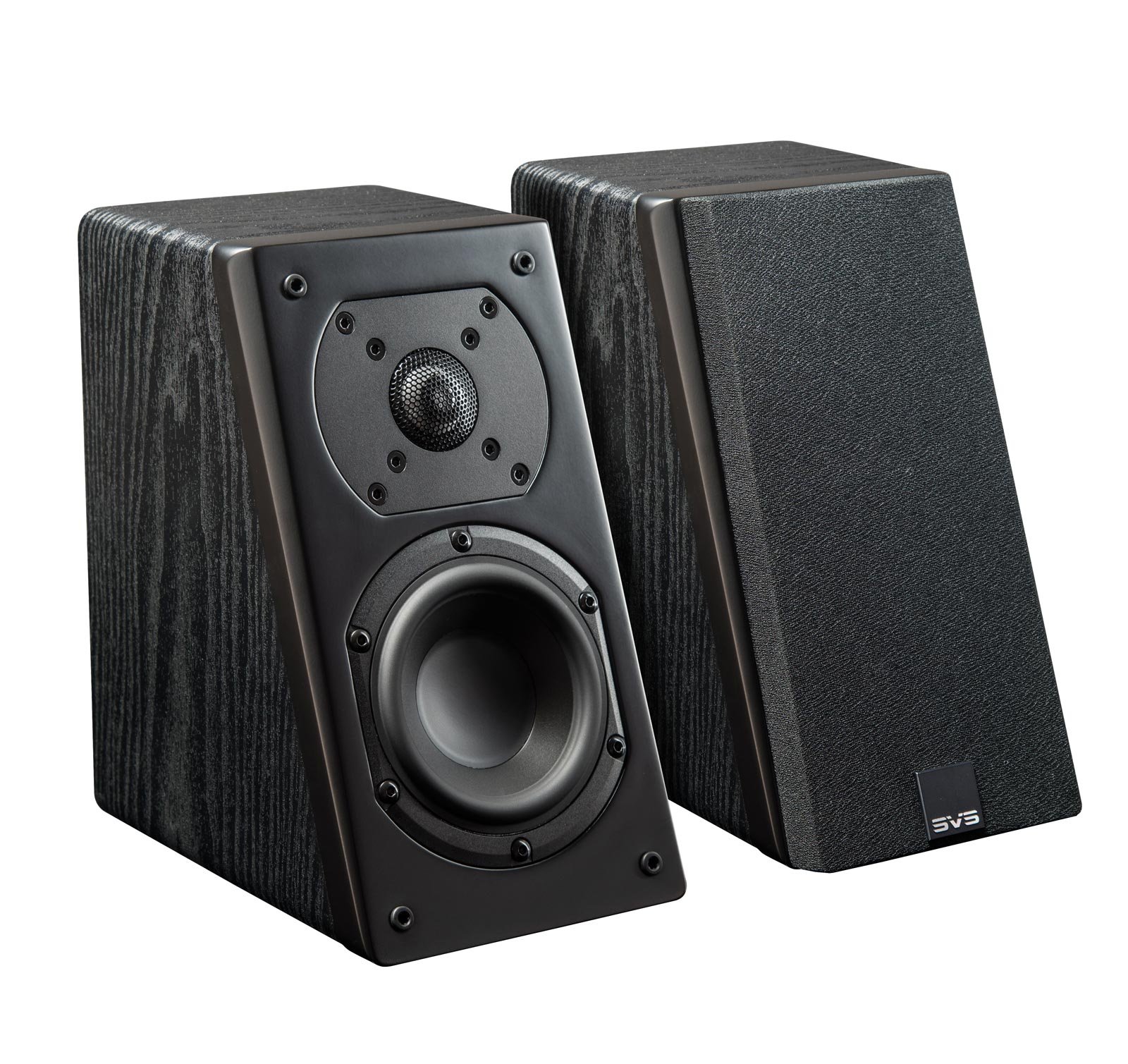
Best Atmos Home Theater Speakers: Three Budget Paths
Starter: add height to what you have
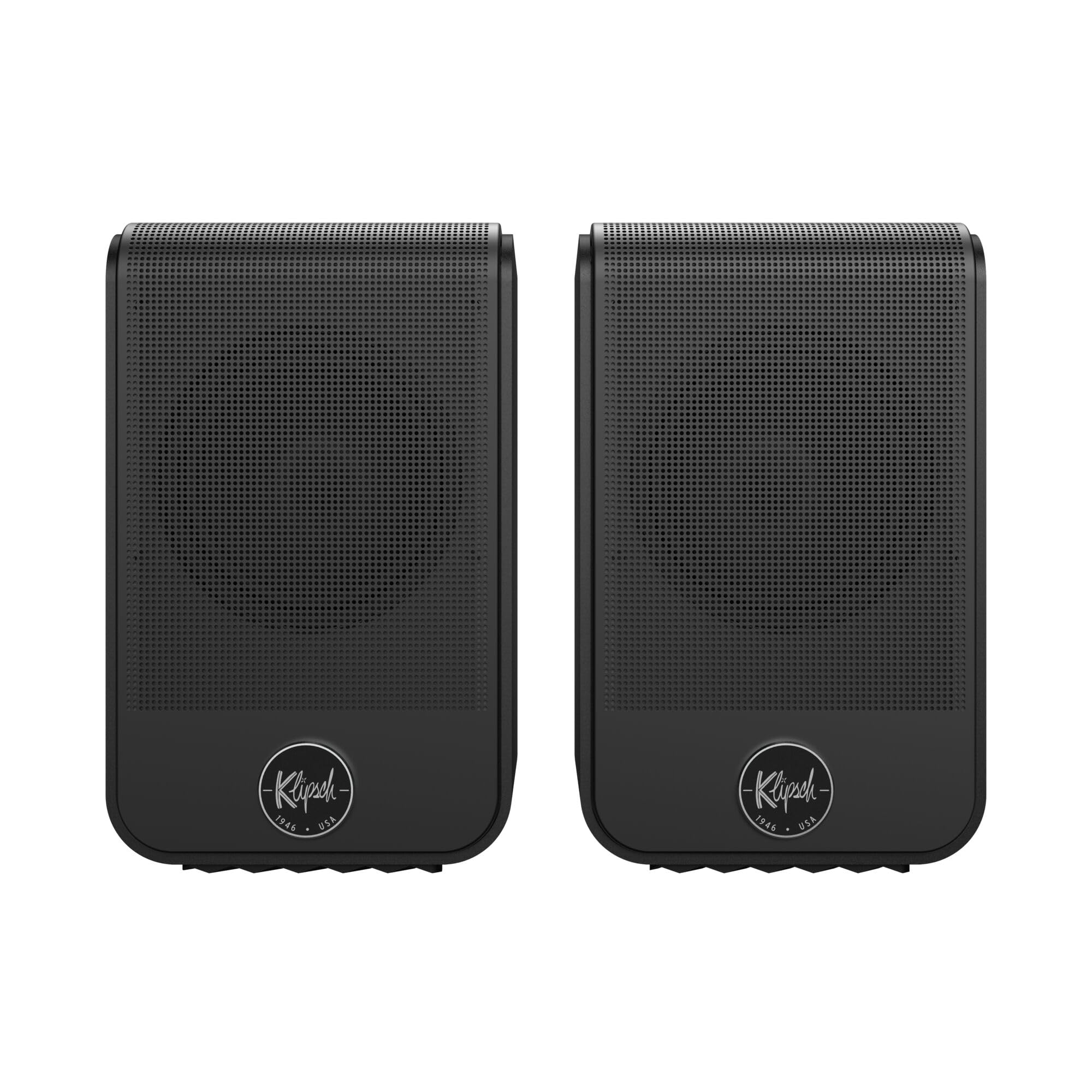
If you already own surround speakers, add height modules like the Polk Monitor XT90 or Sony SSCSE. This is the lowest cost way to upgrade.
Mid range: build a matched set
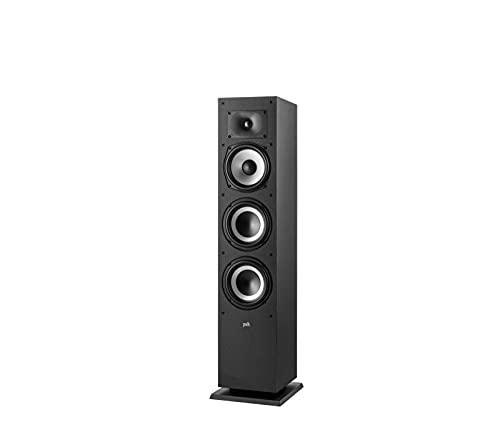
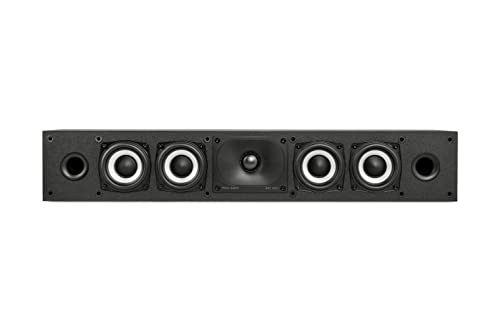
Polk Monitor XT60 towers, the XT35 center and XT90 heights form a matched 5.1.2 layout. Klipsch Reference speakers offer a different sound with horn loaded drivers.
Full system: complete package
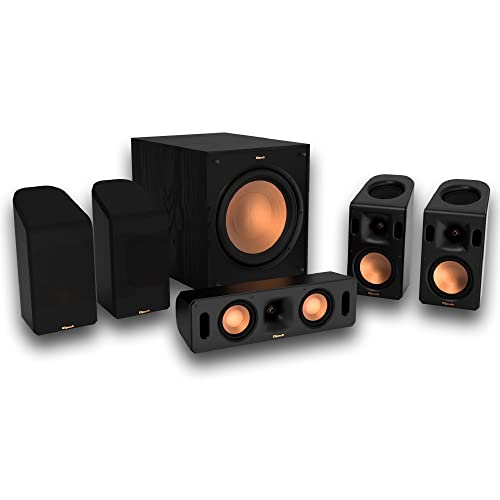
The Klipsch Reference Cinema 5.1.4 is a complete set that avoids matching headaches and includes height speakers.
What Your Money Gets You at Each Price Tier
Lower tiers add basic height effects. Mid tiers improve tone matching, power handling and imaging. Higher tiers add bigger drivers, better cabinets and fuller bass. Spending on the front three speakers brings the biggest benefit, since they carry most of the soundtrack.
Features Worth Paying For (and Ones to Skip)
- Worth it: a quality center speaker for dialogue.
- Worth it: tonal matching across all speakers.
- Worth it: a powered subwoofer.
- Skip: extra surround channels if your receiver cannot drive them.
- Skip: cosmetic grilles you will not notice.
Long Term Costs to Factor In
Allow for an Atmos receiver, speaker cable, a subwoofer and stands or brackets. Room treatment such as rugs and curtains can improve results. A system that is easy to expand lets you add speakers later.
Typical Specs and Prices
| Speaker type | Example | Typical price | Role |
|---|---|---|---|
| Tower | Polk Monitor XT60 | About 229 dollars each | Front left and right |
| Center | Polk Monitor XT35 | About 265 dollars | Dialogue |
| Height module | Polk Monitor XT90 | About 119 dollars a pair | Overhead effects |
| Full system | Klipsch Reference Cinema 5.1.4 | About 750 dollars | Complete package |
Sizing the system
Small rooms up to about 200 square feet work with bookshelf speakers and a modest subwoofer. Medium rooms of 200 to 400 square feet suit tower fronts, a matched center and two to four height speakers. Larger rooms benefit from higher sensitivity speakers and more amplifier power.
Receiver matching
Match the receiver's power rating to the speakers. A 7.2 channel receiver with 80 to 100 watts per channel suits 5.1.2 layouts, and a 9.2 channel receiver supports 5.1.4 or 7.1.2. Check for HDMI 2.1 and eARC if you game or stream 4K content.
Example Systems at Three Budgets
Starter, around 600 dollars
Polk Monitor XT15 pair, an XT30 center and a basic subwoofer, running a 5.1 system on an entry Atmos receiver. Add Polk XT90 heights later.
Mid range, around 1,000 dollars
Polk XT60 towers, XT35 center, XT20 surrounds and XT90 height modules for a 5.1.2 layout.
Upgraded, around 1,500 dollars
The Klipsch Reference Cinema 5.1.4 package, with a quality subwoofer upgrade and a receiver with nine amplifier channels.
Choosing a Subwoofer
A good subwoofer matters as much as the speakers. Choose a powered model with a 10 to 12 inch driver for medium rooms and a ported or sealed design based on space. Place it near the front wall, and use the receiver's calibration to set the level and crossover.
Cables and Connections
Use 14 or 16 gauge speaker wire for most runs, with banana plugs for neat connections. Use a certified HDMI cable for eARC between the TV and receiver. Keep power and speaker cables separate to reduce hum.
Questions to Ask Before You Buy
- How large is my room and how far are the seats from the screen?
- How many amplifier channels does my receiver have?
- Do I prefer towers or bookshelf speakers at the front?
- Can I match the center and surround speakers to the fronts?
- Do I have space for height speakers?
Room Setup Tips
Place the left and right speakers at about the same distance from the screen and angle them toward the seats. Keep the center speaker close to ear level and align it with the screen. Place the subwoofer near the front and move it around to find the smoothest bass. Rugs, curtains and bookshelves reduce echoes and make the soundstage clearer.
Care and Maintenance
Dust speakers with a soft brush or dry cloth, check wire connections each year and keep them away from heat sources. Clean grilles with a gentle vacuum. Recalibrate after moving furniture. Follow the manufacturer's instructions for cleaning.
Matching Speakers Across Channels
Use the same brand family for front, center and surround speakers so voices and effects move smoothly across the room. If your budget is tight, buy a quality center first, since most dialogue plays there, then add fronts, surrounds and heights over time.
Related Guides
See best home theater speakers dolby atmos, best quality speakers for home theater, best wall speakers for home theater and best home movie theater speakers.
Frequently Asked Questions
How many speakers do I need for Atmos?
A common start is 5.1.2: five speakers, one subwoofer and two height speakers.
Do I need to match brands?
It helps. Speakers from the same family sound consistent when sounds move around the room.
Can I use my old speakers?
Yes. Add height modules and an Atmos receiver.
How big should the center be?
Choose a center that fits your cabinet and matches the front speakers.
Should I buy a package or build my own?
A package is easier and matched. Building your own lets you choose each speaker for your room and upgrade over time.
Do I need an Atmos receiver?
Yes. It decodes Dolby Atmos and powers the height channels.
Where should the center speaker go?
Directly above or below the screen, aimed at the main seats.
Final Thoughts
Start with the front three, add heights and expand as budget allows. Compare the product table, and the best atmos home theater speakers for your room will be easy to spot.


