
Best Athletic Watches for Runners 2026: GPS and Battery Guide
Disclosure: We may earn a commission when you buy through links on this page, at no extra cost to you. As an Amazon Associate I earn from qualifying purchases. Learn more

Best athletic watches for runners: GPS accuracy, heart rate, pace guidance and battery life explained, with popular Garmin, Fitbit and Apple models.
Runners ask a watch to be light, quick to find a satellite signal and accurate over distance. The best athletic watches for runners deliver GPS pace and distance, wrist heart rate, helpful workout modes and enough battery to cover a long run or a race.
The product table compares GPS running watches, fitness trackers and smart watches. Use the guide below to decide how much tracking you need.




What to Look For in the Best Athletic Watches for Runners
GPS accuracy and satellite lock
A quick lock means less waiting at the start. Dual band GPS can improve accuracy among tall buildings and trees.
Pace and workout features
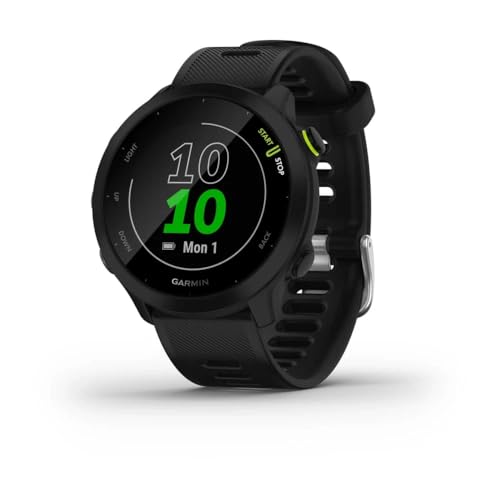
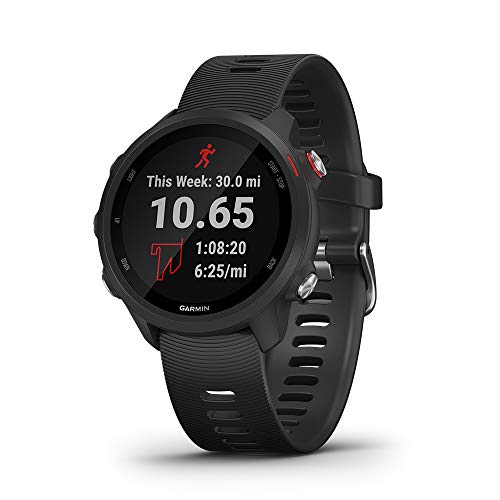
Look for interval timers, auto lap, pace alerts and structured workouts. Garmin Forerunner watches are known for this.
Heart rate and recovery
Wrist heart rate shows effort zones. Recovery time and training load guidance help you plan hard and easy days.
Battery and weight
Long runs need hours of GPS time. A lighter watch is more comfortable for long runs.
Watch Types Compared
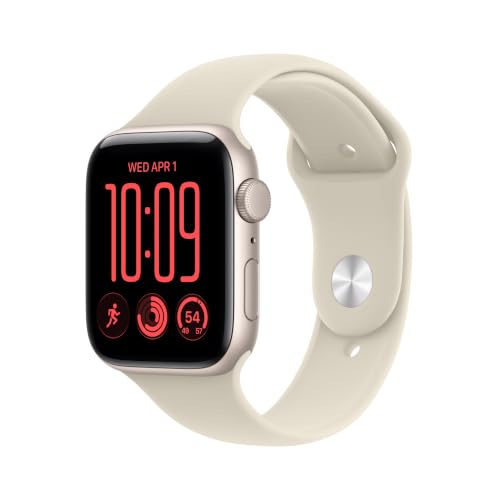
Dedicated running watches focus on tracking and battery. Smart watches such as the Apple Watch and Galaxy Watch add apps and payments with shorter battery life. Fitness bands like the Fitbit Charge are light and simple. Digital sport watches, like the Timex Ironman, offer a stopwatch for runners who do not need GPS.
Quick Buyer Checklist
- Does it have built in GPS, or does it need your phone?
- How many hours of GPS battery does it offer?
- Is the screen readable in sun?
- Does it work with your phone and running app?
- Is the band comfortable when sweating?
Red Flags to Watch For
- Heart rate readings that jump during intervals.
- Poor GPS tracks with cut corners.
- A band that irritates skin.
- No clear update support from the maker.
How to Make Your Watch Last Longer
Rinse it after sweaty runs, charge it before long outings and update the software. Replace the band when it cracks. Follow the manufacturer's instructions for water exposure and charging.
Typical Specs and What They Mean
Running watches weigh from about 25 to 50 grams, and battery life in GPS mode ranges from roughly 10 to 25 hours for mainstream models. A marathon takes about three to six hours, so most watches cover it easily, while ultramarathons call for longer endurance modes. Screens come in 1.0 to 1.4 inch sizes. Water resistance of 5 ATM is common.
Metrics runners use
Pace, distance, cadence, heart rate and lap splits are the basics. Training load, recovery time and estimated race times guide training plans. Treat the numbers as guides, since wrist sensors and algorithms have error.
Heart rate sources
Optical wrist sensors work for steady runs. For intervals or very accurate zones, a chest strap paired by Bluetooth or ANT+ can be more reliable.
Price Tiers and Value
Entry GPS running watches cost around 100 to 200 dollars. Mid range models at 200 to 350 dollars add music, mapping and richer training tools. Premium multisport watches cost 400 dollars or more. Many runners do well with an entry GPS watch.
Choosing for Your Distance
For 5K and 10K runs, choose a light watch with quick GPS lock. For half and full marathons, add pacing tools and battery margin. For trail running, pick a rugged watch with a long battery life and route navigation. If you do not use GPS often, a simple digital stopwatch is enough.
Features That Help Training
- Auto lap and manual lap for tracks and intervals
- Pace alerts and virtual partner features for race pacing
- Structured workouts that guide warm up, intervals and cool down
- Race predictor and training status estimates
- Connected GPS from a phone as a backup on low cost models
Straps and Comfort on the Run
Silicone bands are light and easy to rinse. Nylon bands breathe better in hot weather. A band that is too stiff can chafe, so check reviews for comfort. Pull the band snug but not tight, and shift it slightly if your wrist swells during long runs.
Setting Up Before Race Day
Charge the watch the night before, set your data screens to pace, distance and heart rate, and check that the GPS locks before the start. Wear the watch for several long runs before a race so the band and sensor feel familiar. Turn off notifications you do not need to save battery, and consider sports mode with the screen off for ultra distances.
Battery Planning
Battery life listed by the maker applies to GPS on and a basic setup. Using the always on display, music or higher accuracy modes can cut that by a third or more. Add a safety margin of at least 25 percent, and charge after long runs so you are ready the next day.
Warranty and Returns
Garmin, Fitbit and Samsung offer one year limited warranties, with options to extend through the seller. Check the return window so you can run a few workouts before you commit.
Related Guides
See best athletic watches, best athletic watches for men, best women's athletic watches, best athletic smart watches and best fitness watches for runners.
Frequently Asked Questions
Do I need GPS to run?
Not required, but it gives accurate pace and distance. Without it, a watch relies on motion sensors.
How accurate is wrist heart rate?
Good for steady runs, less so for hard intervals. A chest strap may be better for exact readings.
Which battery life do I need?
Choose a watch that outlasts your longest run with GPS on, and add a safety margin.
Can I race with it?
Yes, though you should try the watch in training first.
How tight should the band be?
Snug enough that the sensor stays in contact with the skin, but not tight enough to leave deep marks. Move it a finger's width above the wrist bone during hard efforts.
The Bottom Line
Choose GPS, battery and comfort first, then extras. Compare the product table, and the best athletic watches for runners will help you pace every run.


