
Best Athletic Smart Watches 2026: Training and Tracking Guide
Disclosure: We may earn a commission when you buy through links on this page, at no extra cost to you. As an Amazon Associate I earn from qualifying purchases. Learn more

Best athletic smart watches for training and daily wear: GPS accuracy, heart rate sensors, battery life and comfort, with popular models to compare.
An athletic smart watch should do more than count steps. It should record your runs, rides and workouts with reliable GPS, track your heart rate, last through training weeks and stay comfortable on a sweaty wrist. The best athletic smart watches balance these basics with a price and phone support that suit you.
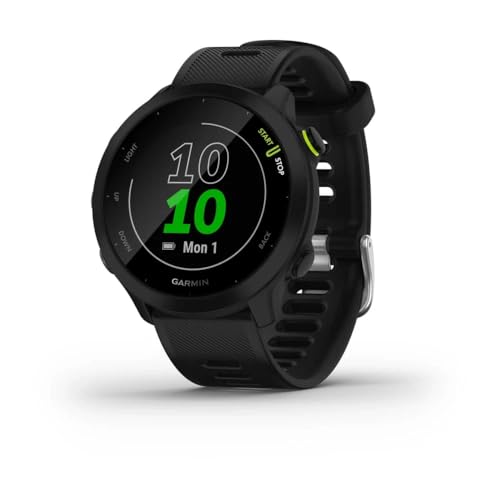
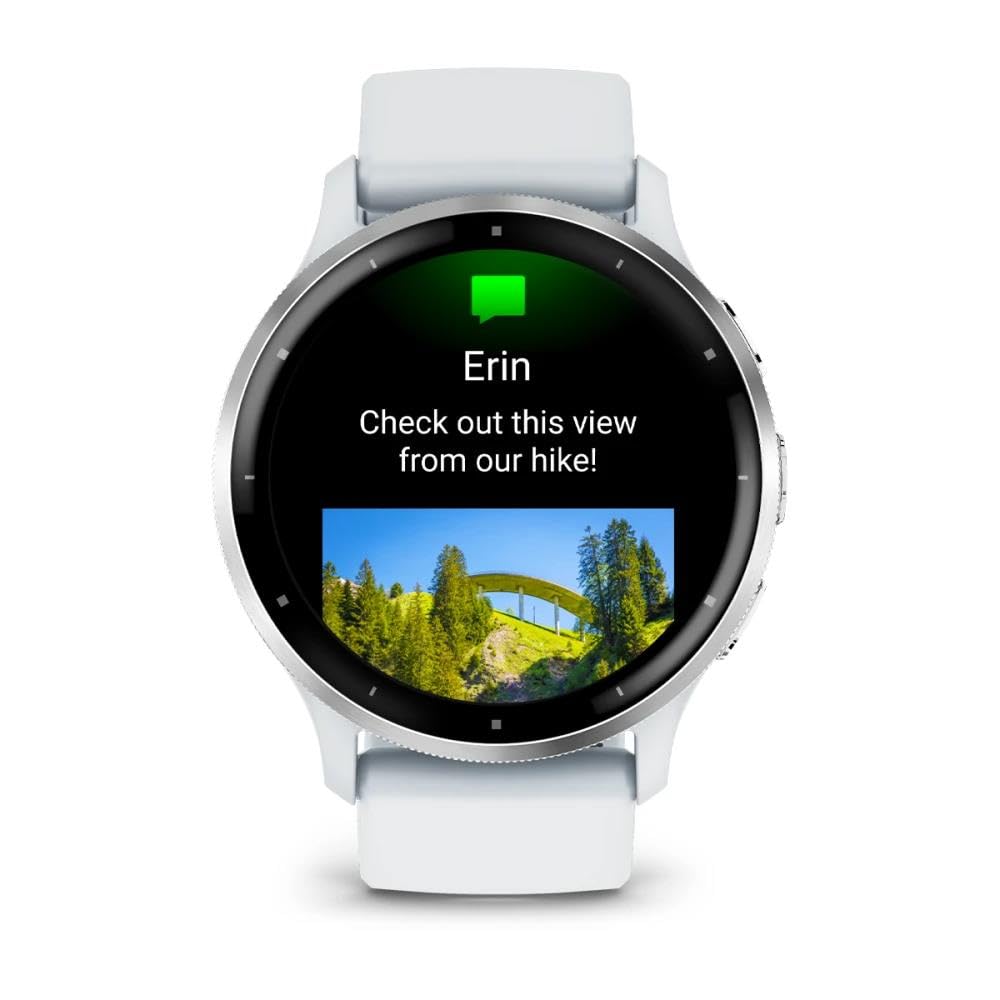
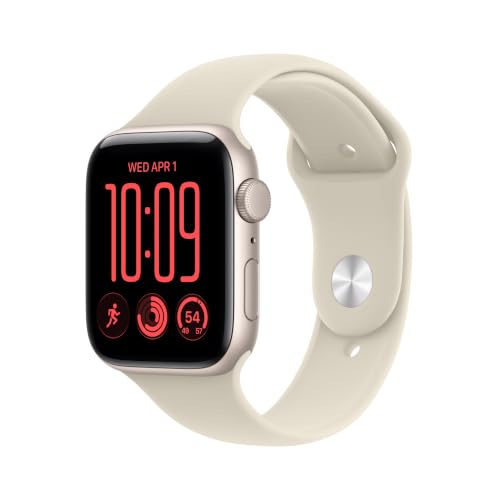
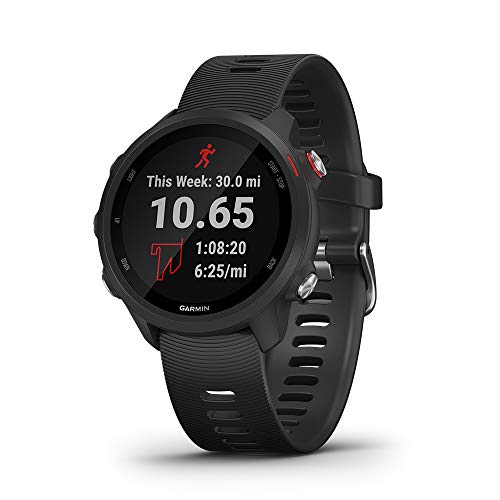
The product table compares fitness focused smart watches from Garmin, Fitbit, Samsung, Apple and Amazfit. The sections below explain what each feature does and who benefits.




Training Features of the Best Athletic Smart Watches
GPS and route tracking
Built in GPS lets you leave your phone at home. Check for multi band or dual frequency support if you run in cities with tall buildings.
Heart rate and training metrics
Wrist heart rate sensors are convenient for pace and effort zones. Many watches add training load, recovery estimates and pace guidance. These are training aids, not medical devices.
Sport profiles
Look for profiles for running, cycling, swimming, strength and your own favorite sport, plus workout transfer to your phone or computer.
Battery life
Bright touchscreens use more power. Garmin and Amazfit models often last longer than full featured smart watches, while Apple and Samsung trade battery for apps.
Health Tracking, Comfort and Daily Use
Sleep and stress tracking can help you plan rest days, though results should be used as general wellness information.
A soft silicone band, a light case and a screen you can read in sunlight make a big difference. Check whether the watch works with your phone, since Apple Watch needs an iPhone, while Galaxy Watch pairs best with Android.
Warning Signs and Safe Training
Do not rely on a watch alone to judge how hard to train. If you feel dizzy, chest pain or unusual breathlessness, stop and seek medical help. Talk with a doctor before beginning a new training plan, and treat heart rate readings as an estimate.
Budget, Value and Mistakes to Avoid
Budget trackers cover steps, sleep and basic workouts. Mid priced watches add GPS and better sensors. Premium watches add mapping, music, payments and rugged materials.
A common mistake is paying for features you will never use, such as maps or ECG, when the basics matter most. Another is ignoring the app and ecosystem, which you will use every day.
A Final Check Before You Order
Confirm phone compatibility, band size and return policy. Check that replacement bands are easy to find. Compare screen size with how you like to wear a watch.
Typical Specs and What They Mean
Case sizes run from about 40 to 47 mm, and weights from roughly 30 to 60 grams without the band. Screen types are AMOLED, which is bright and vivid, or memory in pixel, which is easier to read in sun and uses less power. Water resistance is often listed as 5 ATM, which means rated for pressures equal to about 50 meters of depth and generally suitable for swimming. Battery life ranges from one to two days on Apple and Samsung watches to a week or more on many Garmin and Amazfit models, and over a dozen hours with GPS on.
GPS types
Single band GPS is fine for most runs. Dual band, found on higher end watches, helps in cities and under heavy tree cover.
Sensors to look for
An optical heart rate sensor is standard. Some watches add a blood oxygen reading, an electrical sensor for resting heart rhythm checks and a skin temperature sensor. These are wellness features and not a replacement for medical devices.
Phone compatibility
Apple Watch needs an iPhone. Galaxy Watch works best with Samsung phones and Android in general. Garmin, Fitbit and Amazfit work with both Android and iPhone through their apps.
Price Tiers and Value
Basic fitness bands and budget watches cost roughly 50 to 100 dollars. Mid range GPS watches such as the Forerunner 55 or Amazfit Bip cost 80 to 200 dollars. Full featured smart watches run 250 to 450 dollars. Pay for GPS and battery first, then extras such as music and payments.
Choosing by Sport
Runners should prioritize GPS accuracy and pace tools. Cyclists want a bike profile and sensor pairing. Swimmers look for pool and open water modes with lap counting.
Gym users need a heart rate sensor, strength tracking and interval timers. Hikers want long battery life and a route display.
Straps and Everyday Comfort
Most watches use quick release straps that swap in seconds. Silicone is best for workouts, nylon is breathable and metal or leather suits office wear. Check the strap width and attachment type before buying spares.
Setting Up a New Watch
Charge it fully, update the software, pair it with the maker's app and enter your height, weight and age so calorie and heart rate zones are better. Run a few outdoor workouts to let the GPS settle in.
Related Guides
See also best athletic watches, best affordable smart watches, best smart watches android and best looking smart watches.
Frequently Asked Questions
Do I need GPS in an athletic smart watch?
If you run, bike or hike without your phone, yes. For gym work, it matters less.
How accurate is wrist heart rate?
It is usually good for steady efforts and less reliable for fast intervals. A chest strap can be more accurate.
Which battery life is enough?
If you charge nightly, a day or two is fine. Frequent trail runners benefit from a week or more.
Can I swim with it?
Many models are water resistant for swimming. Check the rating and follow the maker's instructions.
Do athletic smart watches work without a phone?
Most record workouts on their own with GPS and heart rate. A phone is needed for setup, app syncing and some notifications.
How often do the bands need replacing?
Silicone bands last a year or more with regular use. Replace them when they crack or become uncomfortable.
Final Thoughts
Choose GPS, battery life and comfort first, then extras. Compare the product table, and the best athletic smart watches will help you train with confidence.


