
Best Athletic Shoes for Walking on Concrete 2026: Cushion Guide
Disclosure: We may earn a commission when you buy through links on this page, at no extra cost to you. As an Amazon Associate I earn from qualifying purchases. Learn more

Best athletic shoes for walking on concrete: cushioning, outsole durability and fit tips for sidewalks, malls and hard floors, with a comparison table.
Hard pavement sends every step straight back up the leg, so thin soles and flat insoles get tiring quickly. The best athletic shoes for walking on concrete combine a thick, resilient midsole with a smooth rolling stride and an outsole that resists wear from abrasive surfaces.
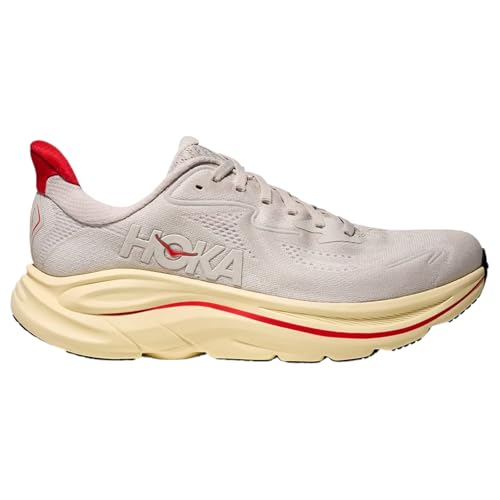
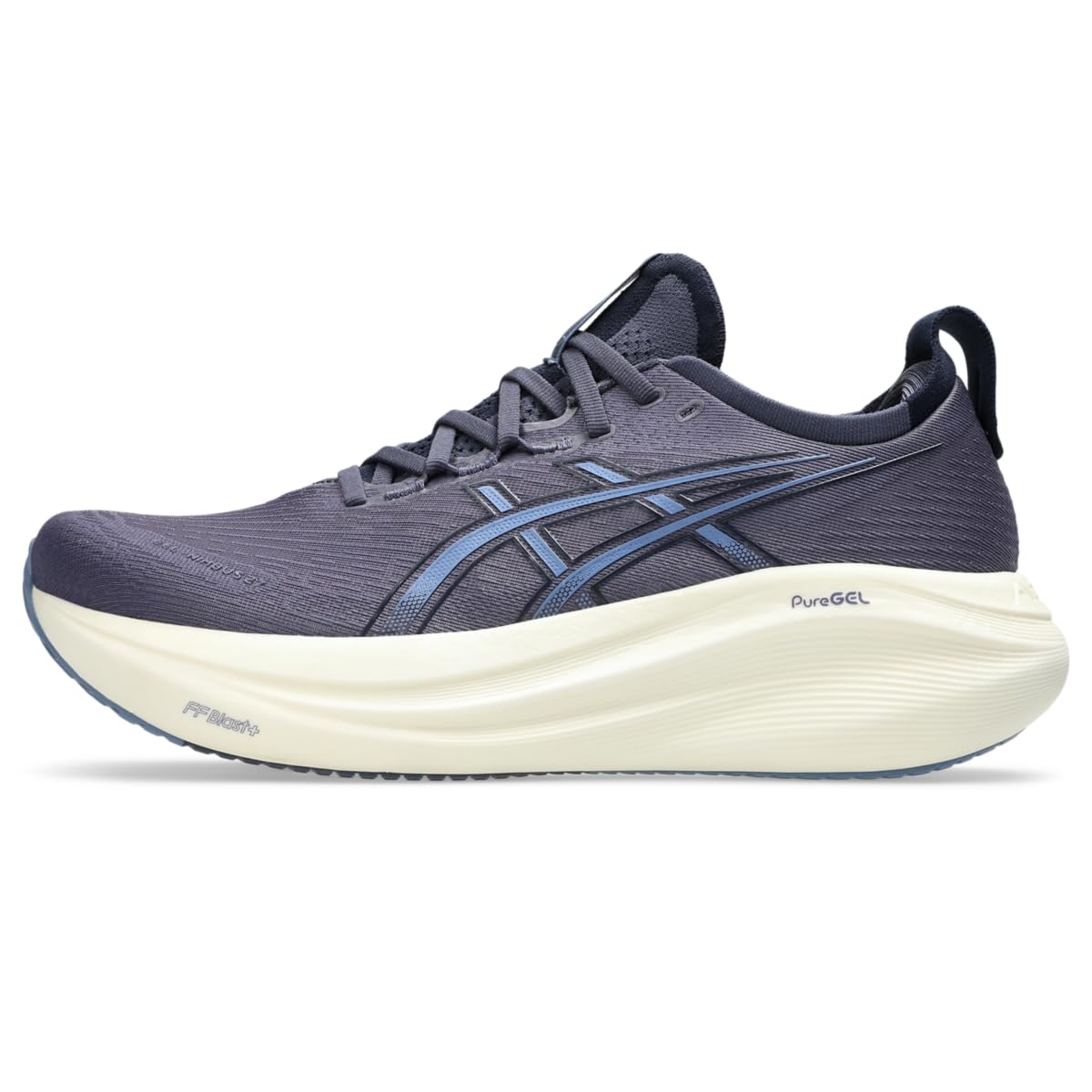
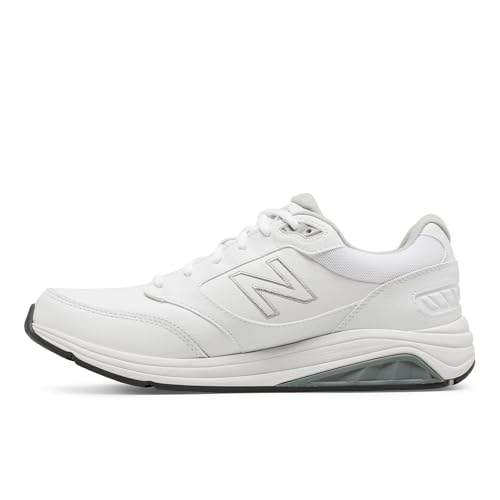
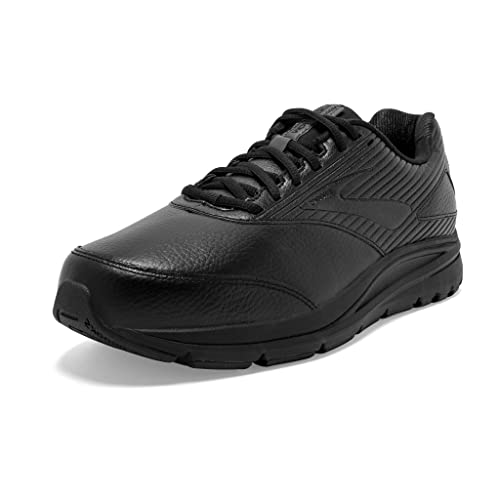
The product table compares cushioned walkers and trainers that suit sidewalks, shopping malls, airports and daily commutes. The sections below explain what to look for.




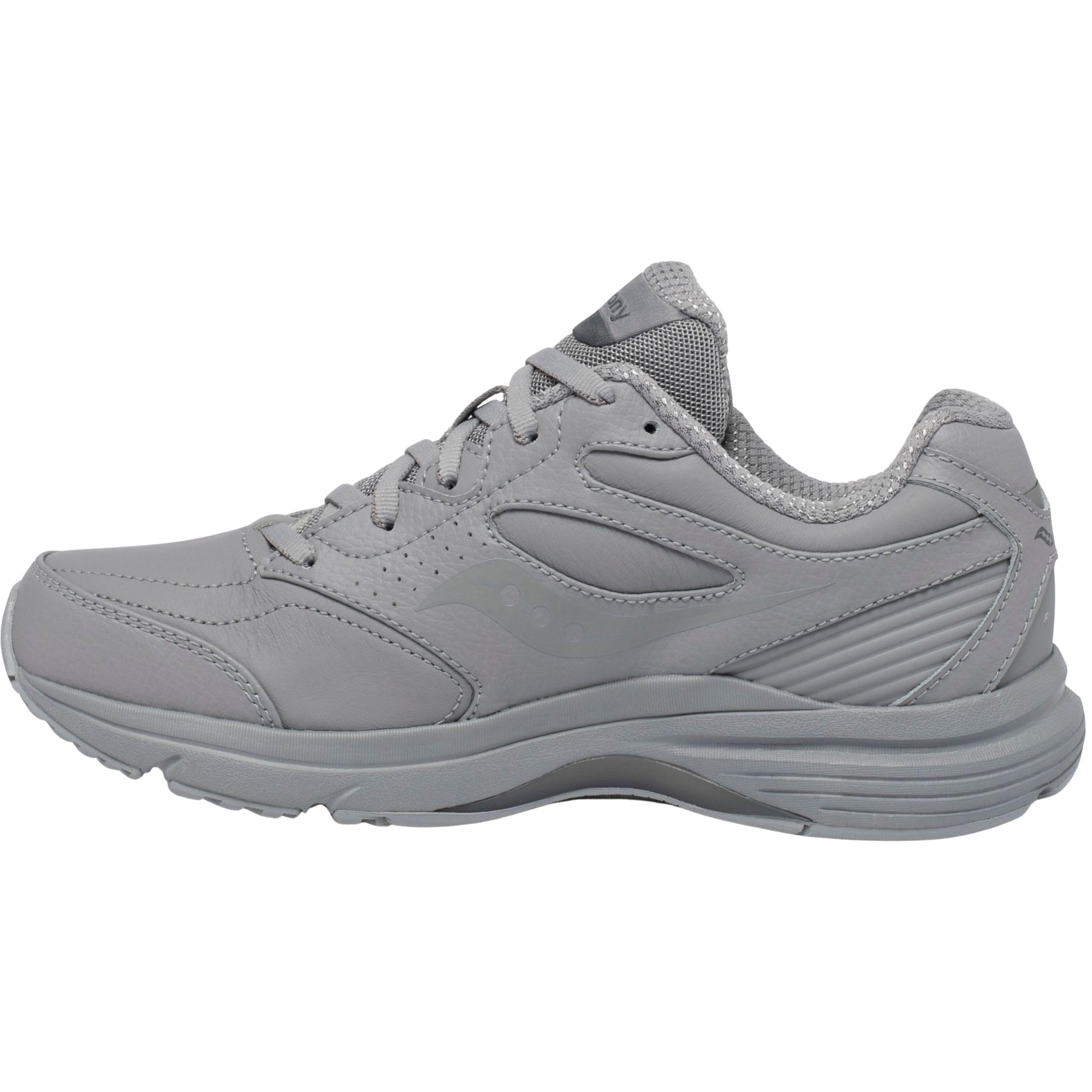
Who Should Buy These Shoes
City walkers, commuters, travelers and fitness walkers who log many miles on pavement benefit most. If you spend hours on tile or concrete floors, the same features help. People who only walk short distances on soft surfaces may get by with lighter shoes.
Key Features of the Best Athletic Shoes for Walking on Concrete
Deep, responsive cushioning
Look for thick midsole foam that feels supportive, not mushy. Models like the Hoka Bondi and Clifton, the Brooks Ghost Max and the Skechers Max Cushioning lines are known for deep cushioning.
A smooth rocker or flexible forefoot
A slightly curved sole helps the foot roll forward, which reduces effort over distance.
Durable rubber outsole
Concrete wears soles fast. Pick a shoe with rubber in the heel and forefoot rather than exposed foam.
Roomy fit and secure heel
Leave a thumb's width at the toes and make sure the heel does not slip.
Types Compared
Max cushion running shoes work well for walking and feel soft over long distances. Dedicated walking shoes from Brooks, New Balance and Saucony add a firmer heel and stable base. Lightweight slip in walkers are convenient for travel, though they may offer less structure.
Living With Your Choice
Rotate two pairs if you walk daily, check the tread monthly and replace shoes when the cushioning feels flat. Pavement wears out shoes faster than a treadmill does. Wear moisture wicking socks, and break in new shoes with shorter walks.
Mistakes to Avoid
- Choosing flat soled fashion sneakers for long walks.
- Buying shoes that are too snug at the toes.
- Keeping shoes until the upper fails, long after the foam gave up.
- Ignoring a worn out heel, which changes how your foot lands.
A Final Check Before You Order
Confirm width, size and return terms, and check that the style fits your plans for work or travel. Shop late in the day for the most accurate fit.
Typical Specs for Pavement Walking
Choose a midsole stack of 28 to 40 mm and a heel to toe drop of 4 to 10 mm. Walkers who cover several miles should look for shoes of 8 to 12 ounces with a rocker or gently curved sole. Rubber outsoles with 3 to 5 mm of thickness resist abrasion, and many models come in wide sizes. Prices for cushioned walkers run from about 45 to 170 dollars.
Cushioning versus stability
If you walk fast or carry a bag, a stable midsole and a firm heel counter matter. If you stroll slowly, a softer, lighter shoe may be more comfortable.
Weather and surfaces
Wet concrete can be slippery, so look for a tread pattern with multiple directions. For cold weather, choose a closed mesh or leather upper, and for summer pick breathable mesh.
Distance guide
For under two miles a day, almost any cushioned sneaker works. For three to six miles, prioritize cushioning and fit. For commuters walking daily, plan to replace shoes about every six months.
When to Replace Your Shoes
Walkers on pavement should replace shoes about every 300 to 500 miles, or roughly every six months. Check for compressed foam, smooth tread and uneven wear on the heels.
Matching Shoes to Your Routine
Dog walkers and fitness walkers want light, flexible shoes with good grip for wet pavement. Commuters need cushioned shoes that can pair with work clothes and carry a bag comfortably. Travelers who log many miles in airports and cities look for lightweight, breathable shoes that slip on easily at security. Tour guides and retail staff who walk all day prefer firmer heels and wide toe boxes.
Socks and Insoles
Choose cushioned socks that wick moisture. If the factory insole is flat, a supportive insole can add comfort, but check that the shoe still has enough room. Replace insoles when they flatten, usually before the shoe itself is worn out.
Reading Reviews for Durability
Look for reviews that mention sidewalks, malls or long city days. Comments on outsole wear after a few months, heel cushioning and whether the shoe stays comfortable past the fifth mile tell you more than first impressions. If many buyers mention peeling soles or flat foam, consider another model.
Price Tiers and Value
Entry cushioned walkers cost about 45 to 70 dollars. Mid priced models from 80 to 130 dollars add durable midsoles and better outsoles. Premium max cushion shoes from 140 to 180 dollars last the longest. Frequent walkers on concrete often get better value from a mid or premium pair.
Using Insoles Wisely
A cushioned or supportive insole can help if the factory footbed is thin. Make sure it fits the shoe without crowding the toes, and replace it when it flattens.
Related Guides
See also best shoes for walking on concrete, best women's athletic shoes for walking on concrete and best tennis shoes for walking on concrete.
Frequently Asked Questions
Is thick cushioning always better?
Not always. Aim for cushioning with a stable base so the shoe does not feel wobbly.
How often should I replace walking shoes?
Many walkers replace shoes every few hundred miles or when cushioning feels flat.
Can I wear running shoes for walking?
Yes. Many running shoes are popular for walking because of their cushioning and light weight.
What if my feet hurt after a walk?
Check the fit and cushioning first. If pain is persistent, sharp or new, see a clinician.
Is a thicker sole always better on concrete?
No. A very thick, soft sole can feel unstable. Balance cushioning with a firm heel and a broad base.
Final Thoughts
Choose cushioning, a durable outsole and a comfortable fit. Compare models in the product table, and the best athletic shoes for walking on concrete will keep your stride comfortable on every sidewalk.


